
Cult Cinema
The Outlier’s Overture: Decoding the Primal Subversions and Narrative Anarchy of Cinema’s First Century of Genre Mutants
“A deep-dive exploration into how the early 20th century's most eccentric and transgressive films laid the genetic groundwork for modern cult cinema obsession.”
Cult cinema is not merely a category of film; it is a psychological contract between the screen and the spectator. It is the art of the outlier, the sanctuary of the misunderstood, and the pulpit for the transgressive. While many contemporary critics trace the origins of the 'cult' phenomenon to the midnight movie craze of the 1970s, the true DNA of cinematic rebellion was spliced much earlier. In the flickering shadows of the 1910s and 20s, a wave of genre mutants and narrative misfits began to emerge, challenging the nascent conventions of Hollywood and the global film industry.

The Genesis of the Cinematic Deviant
To understand the enduring allure of cult cinema, one must look at the films that refused to fit the mold of their era. Consider the 1919 Swedish masterpiece Sången om den eldröda blomman (Song of the Scarlet Flower). On the surface, it is a story of a rich farmer’s son, Olof Koskela, who seduces girls at random. However, its deeper resonance lies in its carefree rejection of social stability, a precursor to the 'rebel without a cause' archetype that would later define cult iconography. This early exploration of the unreliable protagonist set a precedent for films that prioritize emotional volatility over moral certainty.

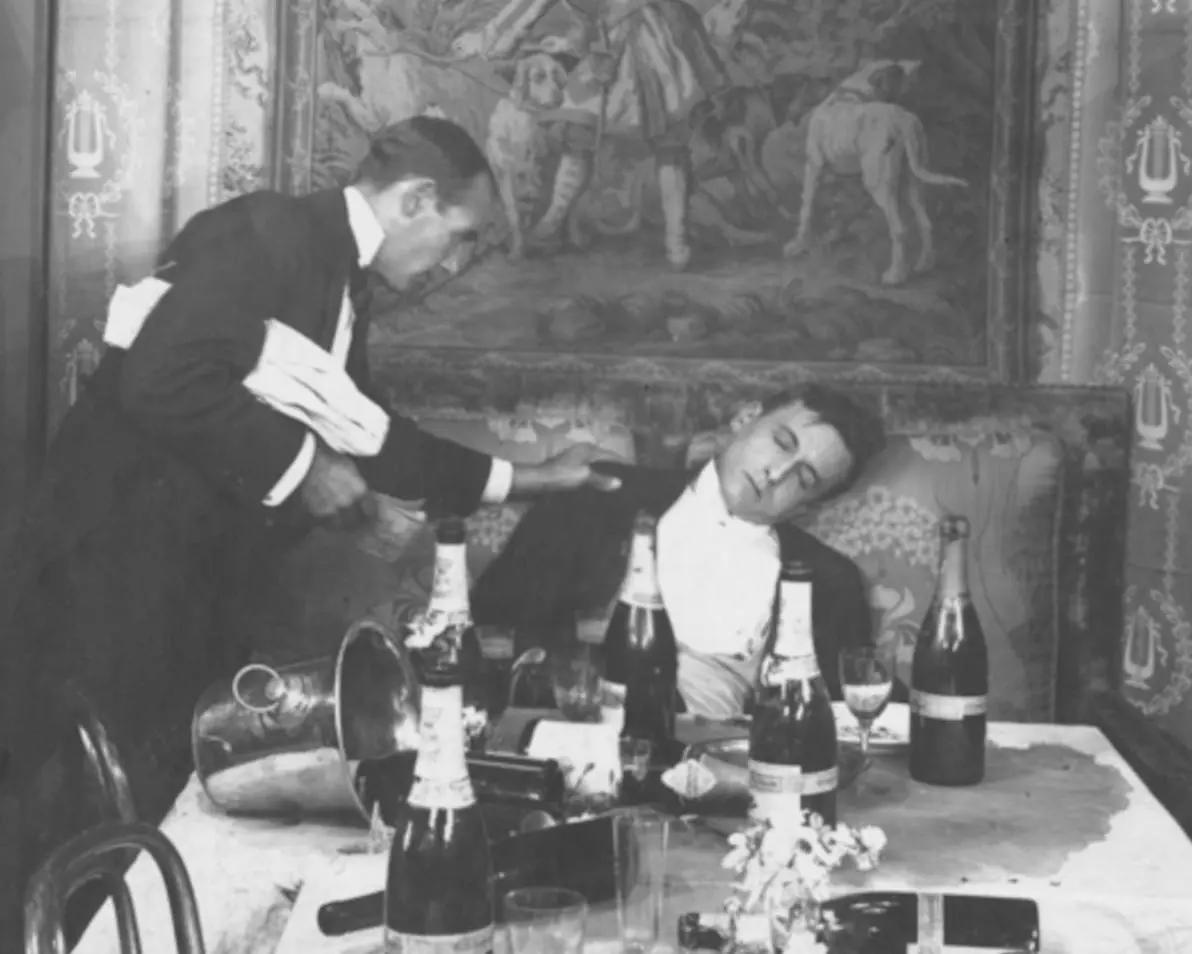
Similarly, the 1920 German film Alkohol tackled the visceral, often ugly realities of addiction and social fallout during a fancy masquerade. By placing these dark, transgressive themes within a high-society setting, it exposed the rot beneath the gilding—a hallmark of the subversive narratives that cult audiences crave. These films didn't just tell stories; they challenged the audience's comfort, demanding a level of engagement that went beyond passive consumption.
The Meta-Narrative and the 'Wonder City'
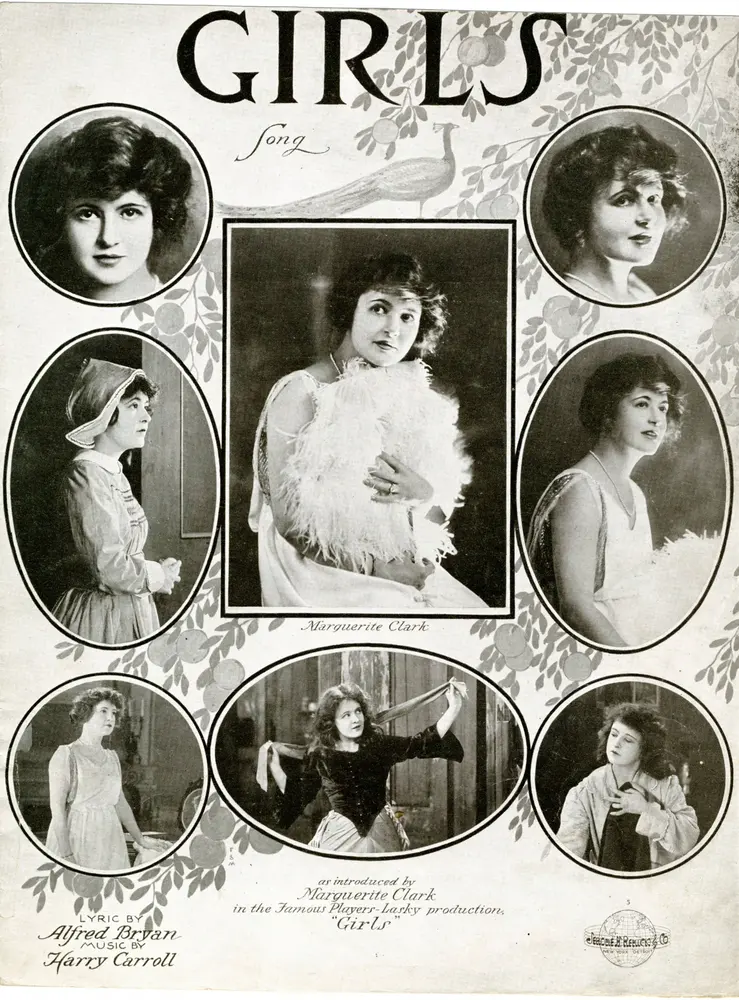
Even in the industry's infancy, filmmakers were already reflecting on the artifice of their own medium. All for the Movies: Universal City, California serves as a fascinating proto-documentary, framing the film industry as a palm-fringed paradise of bikinis and sunshine. This self-mythologizing created a vacuum that 'cult' films would eventually fill by showing the darker, stranger side of the dream. When we look at The Kid Is Clever (1918), we see a meta-comedy where a director’s illness leads to the hiring of a flamboyant French director, Monsieur Hoe Beaux. The resulting chaos is a satire of the creative process itself, prefiguring the 'film-about-film' subgenre that would later give us cult classics like Peeping Tom or Living in Oblivion.
Misfits, Orphans, and the Architecture of Empathy
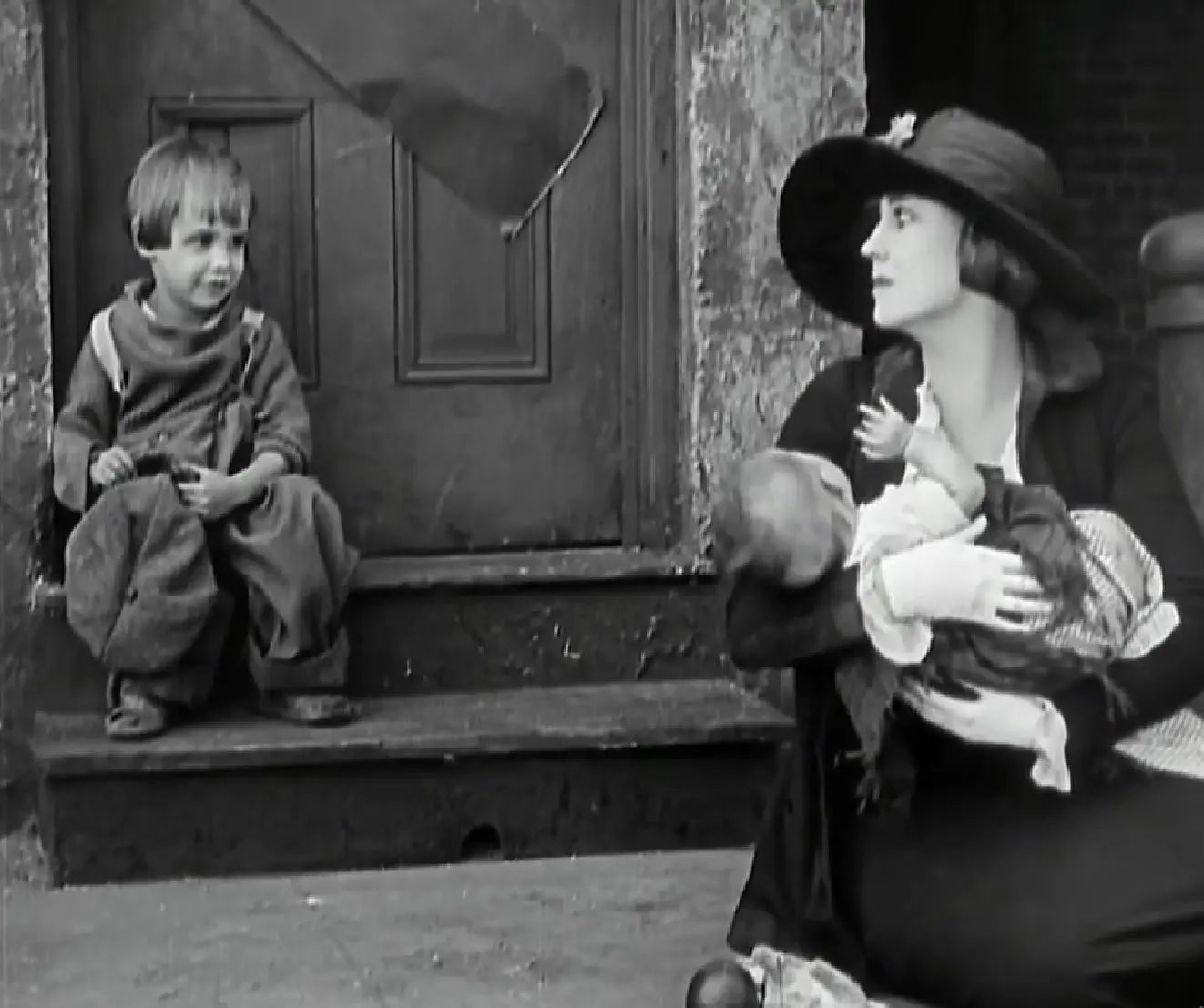
The 'misfit' is the heartbeat of cult cinema. Whether it is the orphan struggling against a cruel system or the social pariah seeking redemption, these characters provide a mirror for the disenfranchised. A Little Princess (1917) and Little Orphant Annie (1918) utilize the figure of the vulnerable child to critique institutional cruelty. In A Little Princess, Sara Crewe’s descent from wealth to servitude at the hands of a spiteful headmistress resonates with the 'riches-to-rags' trauma that often fuels cult fascination with the underdog.
This empathy for the 'other' is also found in the 1921 drama The Burden of Race. By exploring a love story caught in the crosshairs of racial animosity, the film stepped into a social minefield that many mainstream productions avoided. This willingness to confront taboo subjects is exactly what draws a 'cult' following—the sense that a film is speaking a truth that the rest of society is too polite or too fearful to acknowledge.
Genre Anarchy: When Worlds Collide
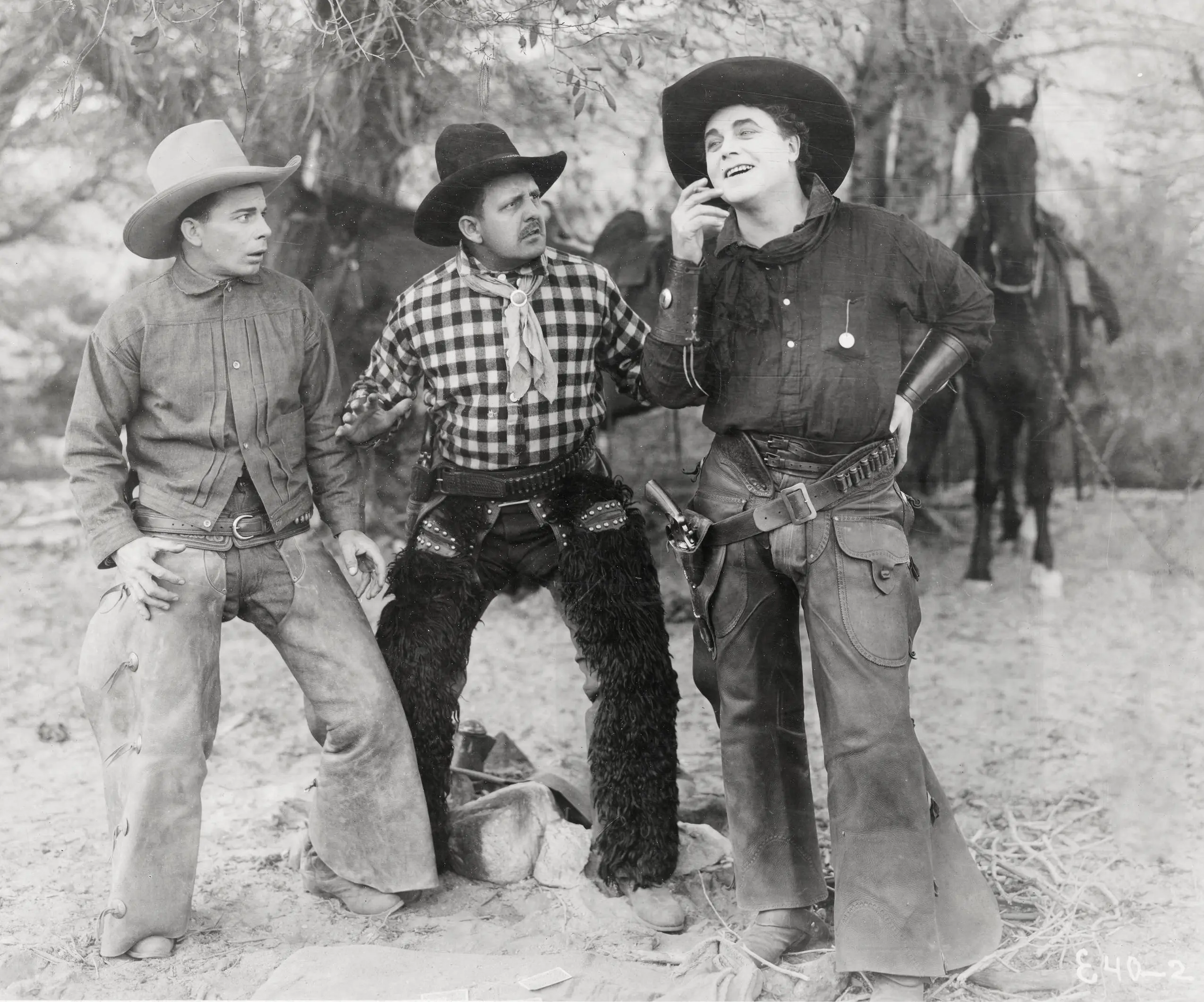
One of the defining traits of a cult film is its refusal to remain within the boundaries of a single genre. The 1921 adaptation of A Connecticut Yankee in King Arthur's Court is a prime example of early genre fluidity. By blending fantasy, adventure, and comedy with a surreal time-travel conceit, it broke the linear expectations of the audience. This kind of narrative mutation—the 'weird' factor—is the primary ingredient in the cult cauldron. It creates a sense of unpredictability that keeps the film fresh for decades, as seen in the later works of Terry Gilliam or Alejandro Jodorowsky.
We also see this in American Aristocracy (1916), where Douglas Fairbanks plays a young man fighting arms smugglers. It’s a cocktail of action and social satire that mocks the very class it depicts. This irreverence toward authority and structure is a key pillar of the maverick spirit. Cult films often act as a 'secret handshake' among those who recognize the absurdity of the status quo.
The Grotesque and the Absurd
Comedy in the silent era often veered into the grotesque or the absurd, providing a fertile ground for cult sensibilities. High Rollers (1919), featuring Snub Pollard and escaped monkeys on skates, represents a kind of slapstick anarchy that borders on the surreal. Similarly, Ima Vamp (1919) satirizes the 'vamp' archetype—the predatory femme fatale—by featuring a six-foot, 120-pound 'old maid' who desperately wants to be a movie queen. This kind of self-aware camp is a cornerstone of cult devotion; it allows the audience to celebrate the 'failed' or the 'exaggerated' as a form of high art.
The Allure of the Absent: Lost Reels and Forbidden History
Part of the 'cult' mystique is the rarity of the object itself. In the world of silent film, the 'lost' movie is the ultimate holy grail. Madeleine de Verchères (1922), a historical feature from Quebec, is now lost to time. The disappearance of such films creates a spectral presence in cinematic history. Cultists are often archivists of the imagination, obsessing over what we can no longer see. This obsession with the 'forbidden' or the 'unavailable' is what drove the early bootleg circuits and now fuels the deep-web forums of cinephiles seeking out obscure gems like Zpev zlata or Deti - tsvety zhizni.
The 1915 film Alias Jimmy Valentine, which tells the story of a criminal wrongfully pardoned, explores the moral ambiguity that mainstream cinema often tries to resolve too cleanly. Cult cinema thrives in these grey zones. It embraces the criminal, the outcast, and the morally compromised, recognizing that the human experience is rarely a simple battle between black and white.
Conclusion: The Eternal Flame of the Maverick
The films of the early 20th century, from the historical tragedies of Kaiserin Elisabeth von Österreich to the swashbuckling heroics of The Scarlet Pimpernel, were more than just entertainment. They were the first tremors of a seismic shift in how we perceive the moving image. They taught us that cinema could be a place for the strange, the transgressive, and the revolutionary.
As we look back at the renegade reels of the past, we see the blueprint for every midnight movie that has ever graced a screen. The cult film is an enduring testament to the power of the individual vision—the 'maverick' who refuses to blink. Whether it is the jealous rage of an actor in Carnival (1921) or the melancholy of a deaf musician in The Man Who Played God (1922), these stories remind us that the most powerful cinema is often that which exists on the fringe, waiting for its tribe to find it.
In the end, the 'cult' is not about the size of the audience, but the intensity of the devotion. By unearthing these primal subversions and narrative mutants from the dawn of film, we don't just rediscover history; we reconnect with the very soul of what makes cinema a transformative, rebellious, and eternally fascinating art form.
Community
Comments
Log in to comment.
Loading comments…