
Film History
The Pedagogy of the Prohibited: How Silent Era ‘Educationals’ Scripted the Midnight Mindset
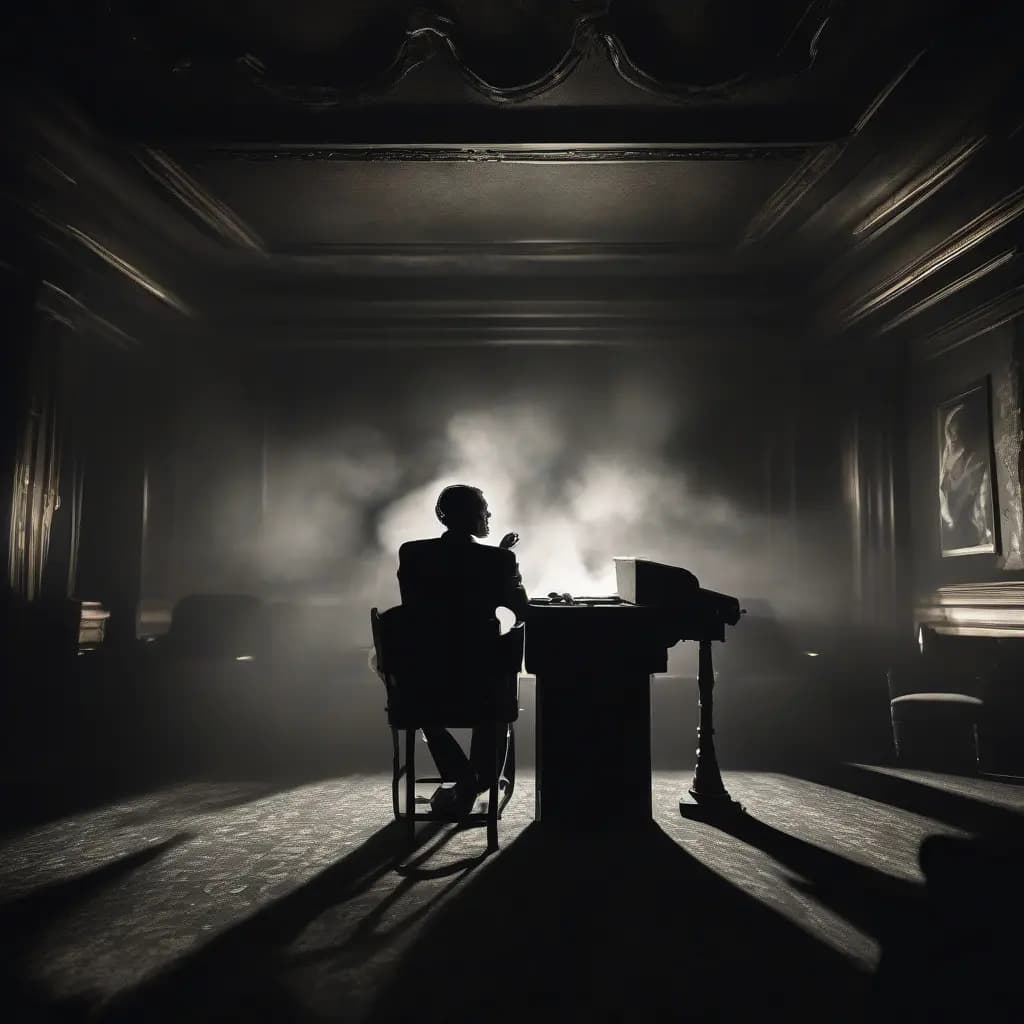
“Long before the grindhouse, the silent era used the guise of 'moral education' to peddle the forbidden, creating the voyeuristic blueprint for every cult obsession that followed.”
To understand the modern obsession with the 'transgressive,' one must look past the neon-drenched 1970s and the grainy VHS sleaze of the 80s. The true architecture of the forbidden was drafted in the flickering, nitrate-scented shadows of the 1910s and 20s. Long before the term 'exploitation' was codified, a wave of filmmakers realized that the best way to bypass the moralizing gatekeepers of the Victorian era was to claim their films were 'educational.' This was the birth of the instructional lie: a narrative sleight of hand that allowed audiences to indulge in voyeuristic spectacles of vice, sin, and social decay under the virtuous umbrella of social hygiene. This era of 'cautionary' cinema didn't just entertain; it forged the very DNA of the cult spectator—the viewer who seeks out the marginal, the banned, and the morally ambiguous.
The 'Educational' Loophole: A Trojan Horse for the Forbidden
In the early 20th century, the burgeoning film industry was under constant threat from local censorship boards and religious leagues. The solution was as brilliant as it was cynical. By framing stories of drug addiction, white slavery, and 'unnatural' desires as warnings to the youth, producers could depict the very acts they were ostensibly condemning. This created a unique psychological tension for the audience. You weren't watching a film about the allure of the underworld; you were 'learning' how to avoid it. This paradox is the root of the cult mindset: the thrill of looking at something you aren't supposed to see, justified by a thin veneer of intellectual or moral purpose.
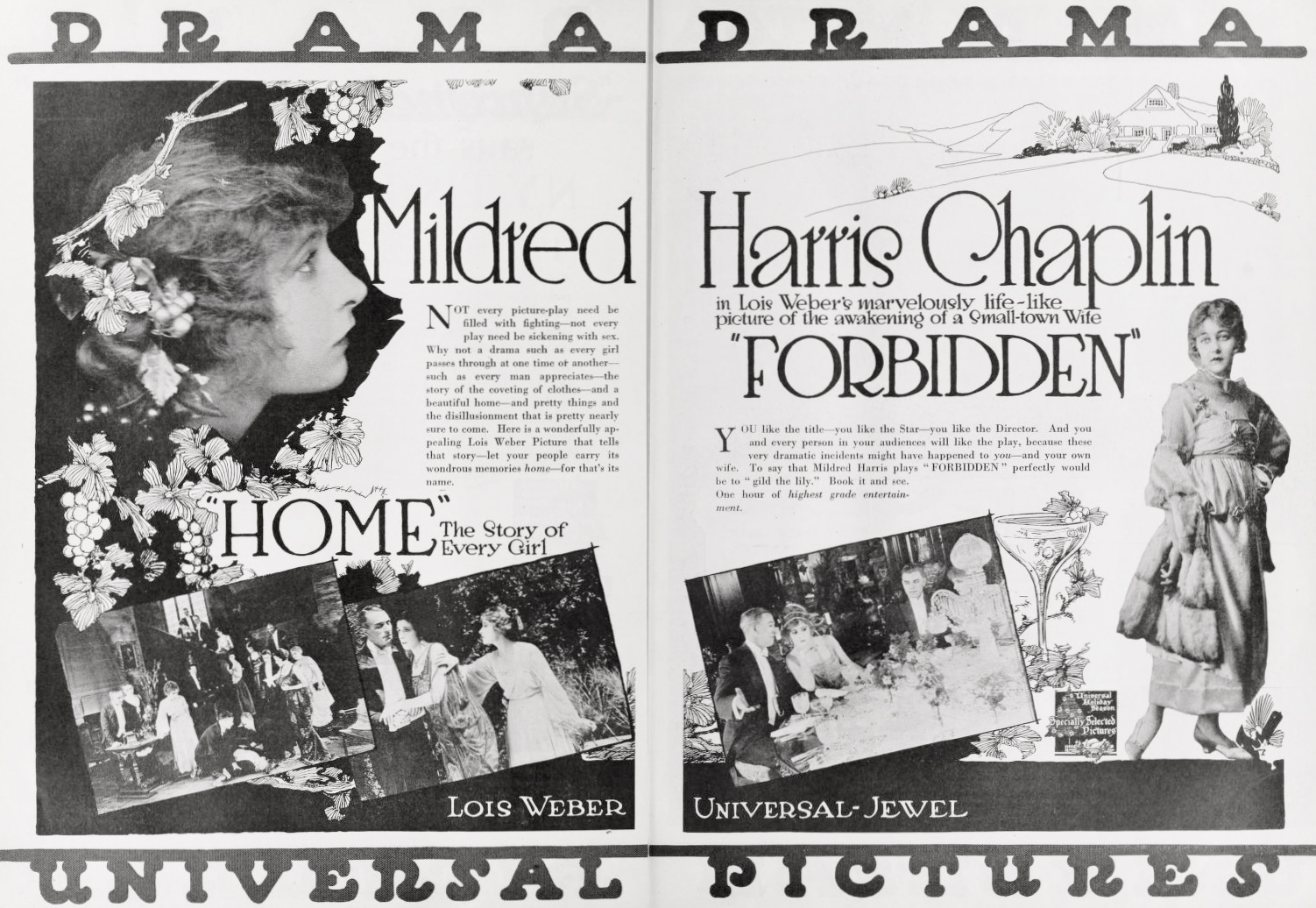
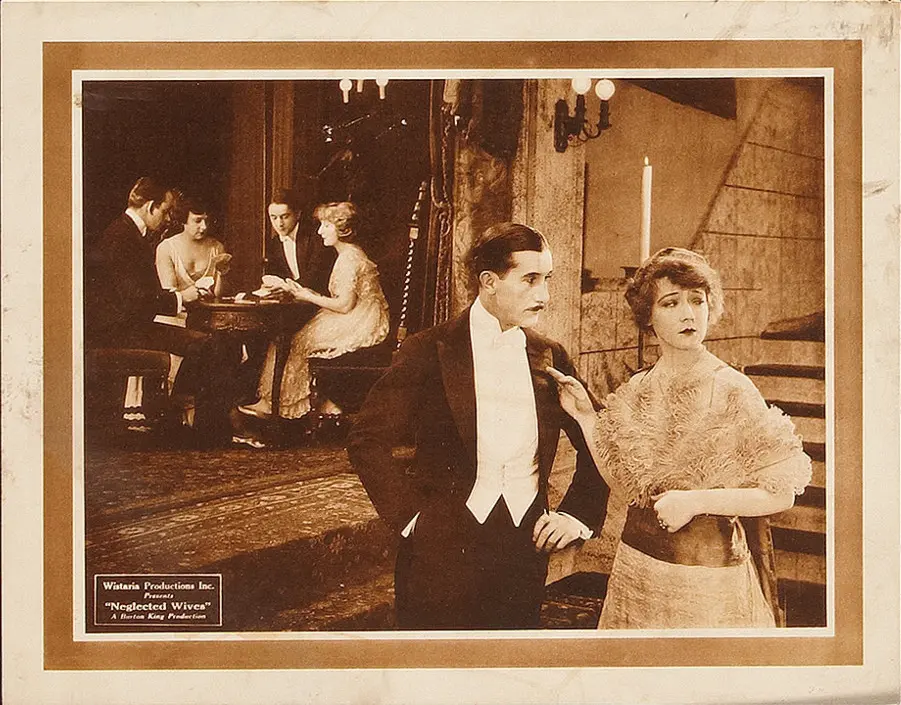
Take, for instance, the 1920 film Why Women Sin. On its surface, it presents itself as a political and moral drama about a husband’s neglect leading to a wife’s potential downfall. Yet, its true power lies in the depiction of the conspiracy itself—the 'political boss' weaving a web of corruption. It invited the viewer to peer into the mechanics of sin. This wasn't just a story; it was an invitation to witness the degradation of the domestic ideal, a theme that would later become a cornerstone of suburban gothic and psychological horror.
The Allure of the Abject: From 'Life’s Whirlpool' to the Fallen Woman
The 1917 film Life’s Whirlpool offers a devastating look at the 'broken' protagonist, a figure that would eventually evolve into the cult anti-hero. Esther Carey, trapped in a marriage to a 'cold, heartless man,' represents the early cinematic obsession with the domestic trap. These films weren't merely melodramas; they were explorations of psychological claustrophobia. The 'whirlpool' of the title isn't just a metaphor for social descent—it’s a visual and narrative representation of the loss of agency.
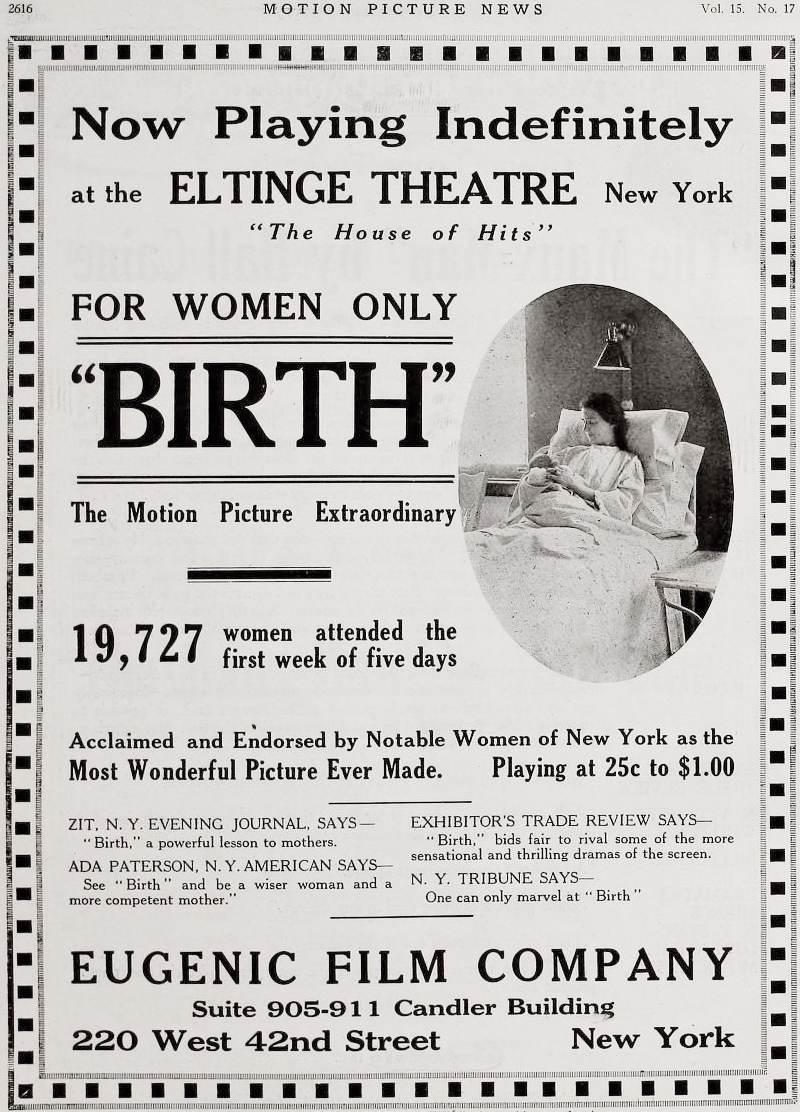
The early cinema of transgression succeeded because it understood that the audience didn't want to be saved; they wanted to be shown exactly what they were being saved from.
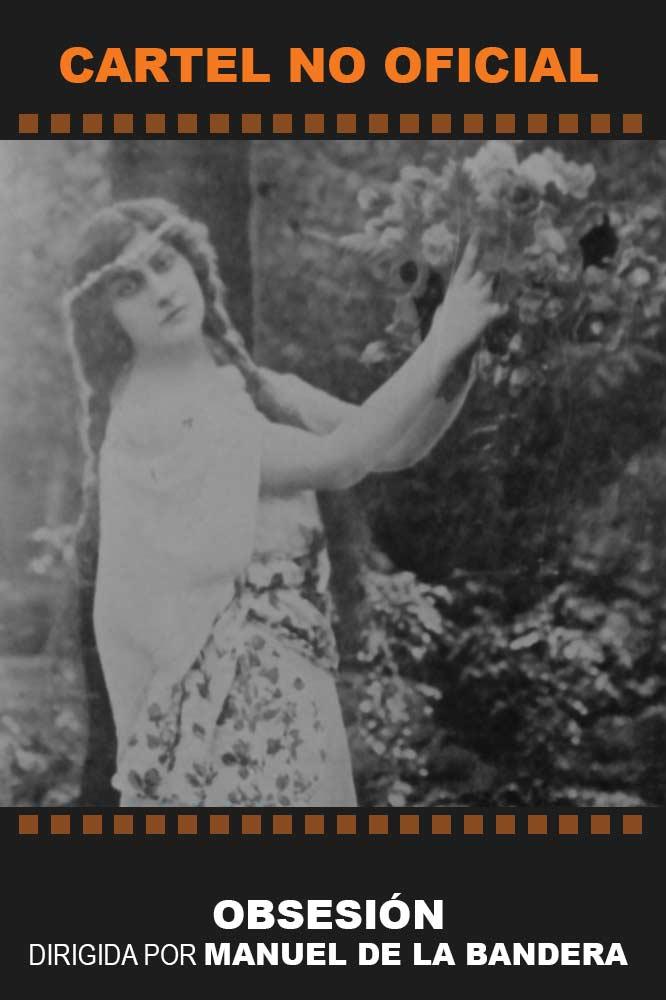
This fixation on the 'fallen' state is mirrored in La gibigianna (1919), where the protagonist Bianca abandons a life of poverty for a 'life of luxury' with another man. The moralizing ending was required by the censors, but the cinematic energy was always focused on the transition—the moment of rebellion against the foreman’s predictable, drab world. This tension between the 'correct' social path and the 'deviant' one created a bifurcated viewing experience that defined the early cult audience: one eye on the moral, and both eyes on the transgression.
Paranoia as Spectacle: 'Trapped by the Mormons' and the Outsider Threat
If the domestic dramas provided the psychological foundation for cult cinema, the 'scare' films provided the genre tropes. Trapped by the Mormons (1922) is perhaps the most striking example of the 'othering' that would later fuel everything from the 'Satanic Panic' films of the 70s to modern folk horror. By portraying a specific religious group as a predatory 'cult' that captures women, the film utilized a primitive form of the 'stranger danger' narrative.
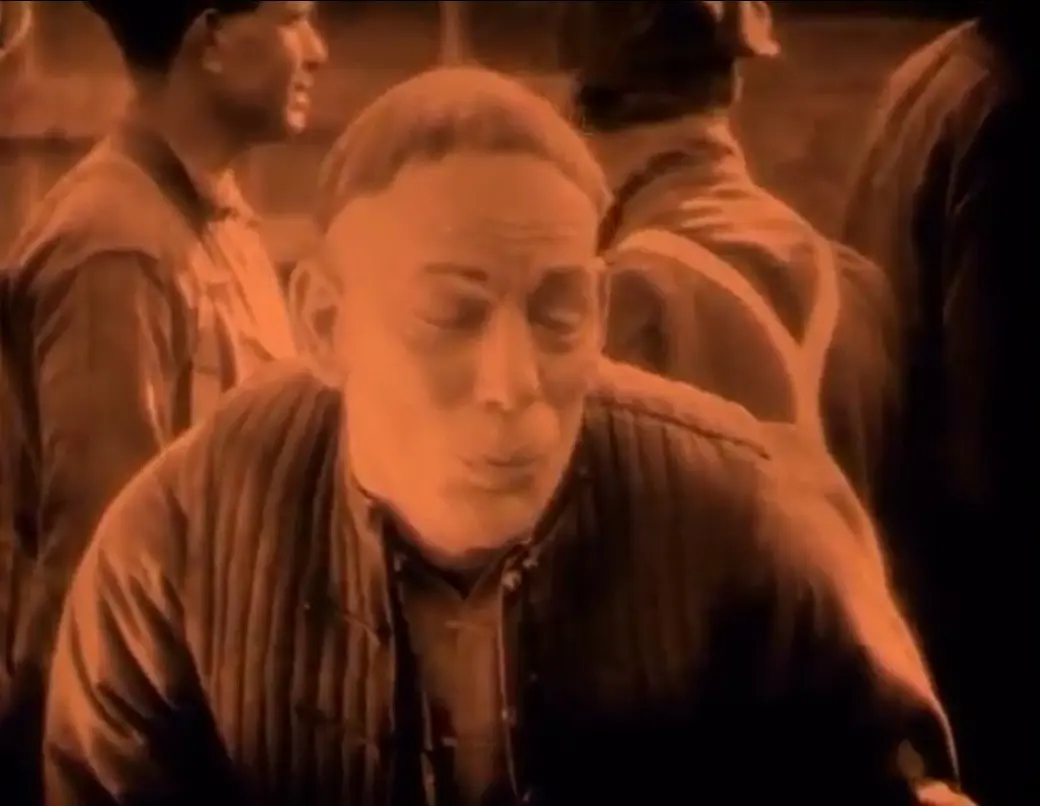
These films relied on a specific type of xenophobic paranoia that, while problematic, established the cinematic language of the 'secret society.' The idea that there is a hidden world operating just beneath the surface of polite society is a fundamental cult trope. Whether it's the Russian Secret Service in Beneath the Czar (1914) or the predatory 'Sheik' in The Dishonored Medal (1914), early cinema thrived on the fear of the clandestine. These weren't just stories; they were maps of a dangerous, unseen world that the viewer was being 'warned' about, yet desperately wanted to explore.
Technological Dread and the Sci-Fi Seed
The roots of the sci-fi cult can also be traced back to this era of moral and political anxiety. The Intrigue (1916) introduced the concept of the 'death ray' during World War I, blending espionage with a proto-techno-horror. The idea of a weapon that could annihilate from a distance tapped into a new, modern fear: the invisibility of power. This wasn't a monster you could punch; it was a technological terror that required a new kind of hero—and a new kind of spectator.
Similarly, the 'educational' mystery of The Microscope Mystery (1917) used the burgeoning field of science to frame a story of a swindling physician. Here, the 'science' is the hook, but the 'cult' appeal is the exposure of the fraudster—the man who uses the prestige of the new world to exploit the fears of the old. This skepticism of authority and the 'official' narrative is a primary trait of the cult film enthusiast, who often views the mainstream world as a series of sophisticated 'swindles.'
The Satanic Silhouette: Personifying the Impulse
Perhaps no film from this era encapsulates the 'pedagogy of the prohibited' better than The Temptations of Satan (1914). By literally personifying the impulse to sin as a human figure following 'Everygirl,' the film created a visual shorthand for the internal struggle. But the true cult energy comes from the 'Everygirl’s' ambition—her desire for a career in opera, her wish to be more than what society prescribed. Satan isn't just tempting her with 'evil'; he's tempting her with autonomy. In the eyes of the 1914 censor, they were the same thing. To the modern cult historian, this is the moment where the 'rebel' is born, framed as a victim but acting as a pioneer of self-actualization.
The Legacy of the Instructional Lie
Why does this matter today? Because the 'cult' experience is fundamentally built on the idea of the forbidden archive. When we watch a 'lost' film or a 'banned' masterpiece, we are engaging in the same ritual that the 1920s audience performed when they sat down to watch a 'social hygiene' film. We are looking for the truth in the margins. We are seeking the visceral experience that the mainstream 'polite' cinema refuses to provide.
The silent era's genre rebels—the creators of films like The Vow or the bizarre energy of The Indestructible Wife (1919)—didn't just make movies; they scripted a way of seeing. They taught us that the most interesting stories are the ones that the authorities are trying to 'warn' us about. They proved that the 'educational' label was just a key to unlock the door to the basement, where the real, messy, transgressive heart of cinema has always lived.
- The 'cautionary tale' as a delivery system for voyeurism.
- The birth of the 'secret society' and 'predatory cult' tropes.
- The transformation of social anxiety into genre spectacle.
- The role of censorship in creating the 'allure of the banned.'
Ultimately, the history of cult cinema is a history of the audience’s refusal to be 'educated' in the way the censors intended. We didn't learn to avoid the whirlpool; we learned how to swim in it. We didn't learn to fear the temptation; we learned to study the tempter. The silent era's 'social problems' were the first midnight movies, and their echoes still vibrate through every frame of transgressive cinema today. They remind us that the most powerful thing a film can be is 'dangerous'—even if that danger is wrapped in the respectable cloth of a sermon.
Community
Comments
Log in to comment.
Loading comments…