
Deep Dive
The Physiognomy of the Outcast: How the Silent Era’s ‘Ugly’ Anti-Heroes and Identity Forgers Scripted the Cult Mindset
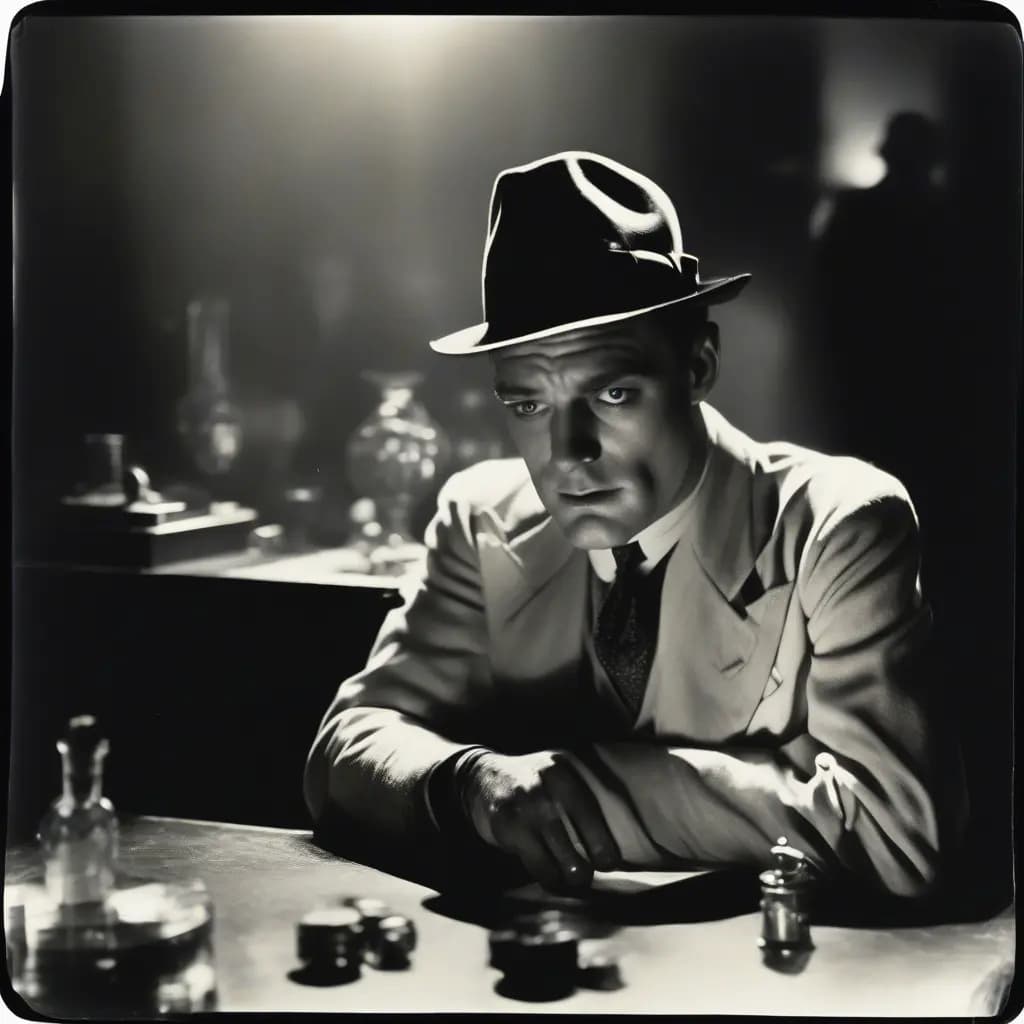
“Long before the grit of 1970s New York, the silent era used scarred faces and stolen identities to forge the first true cinematic misfits.”
We often trace the genealogy of the cinematic anti-hero back to the smoke-filled jazz clubs of 1940s noir or the rain-slicked pavement of 1970s New York. We credit Scorsese, Schrader, or Melville with the invention of the lonely, damaged protagonist who operates on the periphery of polite society. But this is a historical oversight. The true DNA of the cult protagonist—the figure whose very existence is a transgression against the status quo—was encoded in the flickering, silver-nitrate shadows of the 1910s and 20s. It was an era obsessed with the 'physiognomy of failure,' where the physical mark of the outcast was not just a plot point, but a visual manifesto for a burgeoning underground audience.
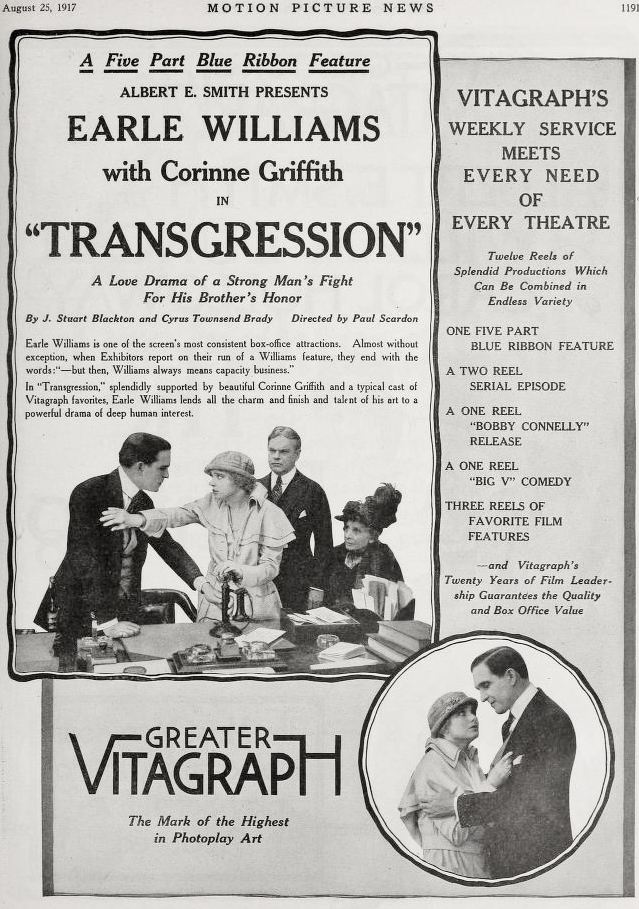
In these early experiments, directors began to realize that the most compelling stories didn't belong to the square-jawed heroes of the Victorian stage, but to the men and women whose faces and souls were fractured by circumstance. This was the birth of the 'misfit' as a devotional object. Films like Skin Deep (1922) didn't just tell a story of crime; they explored the existential horror of being trapped inside a face that the world had already judged as 'evil.' This is where the cult of the outsider begins: in the realization that the camera could empathize with the monster, the crook, and the social ghost.
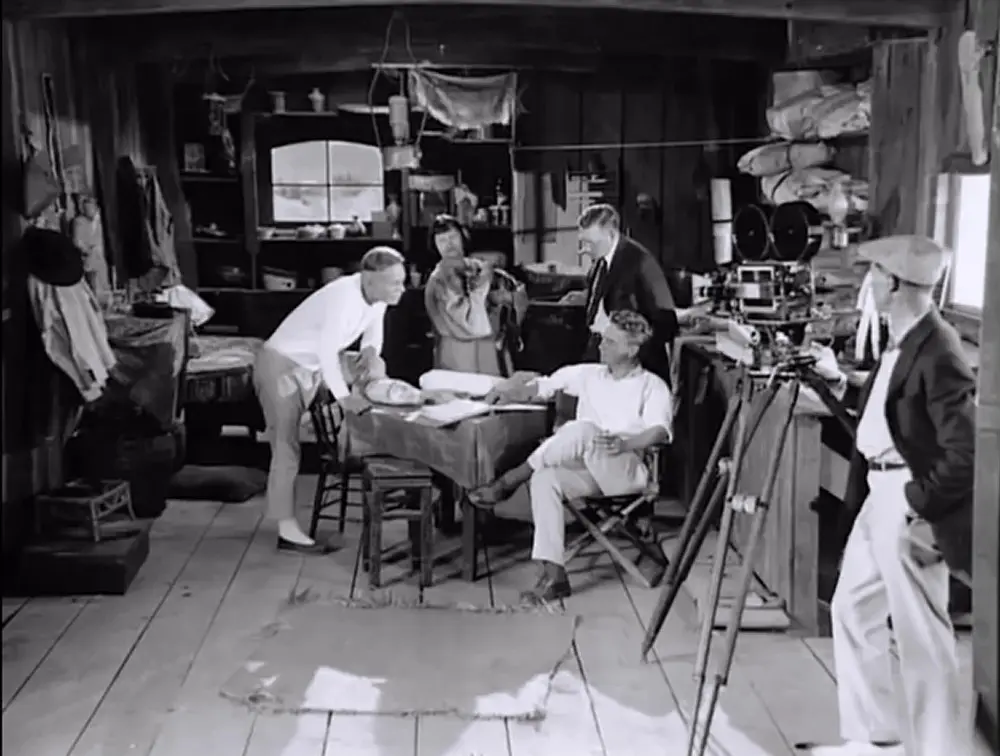
The Aesthetic of the Damaged Face: Bud Doyle and the Criminal Mask
Consider the visceral impact of Skin Deep. The protagonist, Bud Doyle, is a man who returns from the war with a face that the film describes as having 'crook-like features.' It is a fascinating, almost proto-Cronenbergian look at the intersection of identity and physical form. In a world that still clung to the pseudo-science of physiognomy—the belief that one’s character is etched into their facial structure—Doyle is a man condemned by his own reflection. His journey to 'go straight' is thwarted not by a lack of will, but by the visual prejudice of society. This is the quintessential cult narrative: the individual versus an immovable, judgmental system.
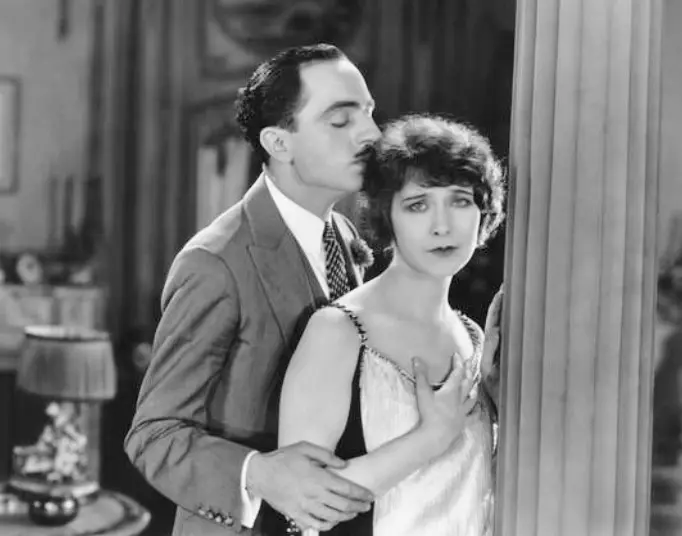
The film’s focus on Doyle’s struggle with Joe Culver and the corrupt Boss McQuarg serves as a blueprint for the urban paranoia that would later define the midnight movie circuit. By centering the story on a man who is 'framed' by his own appearance, the silent era tapped into a deep-seated anxiety about the performative nature of morality. If a man can be 'evil' simply because of the shape of his jaw or the slant of his brow, then the entire moral order of the universe is revealed as a fragile, aesthetic construction. This subversion is the primary fuel of cult devotion; it invites the viewer to side with the pariah against the 'normal' world.
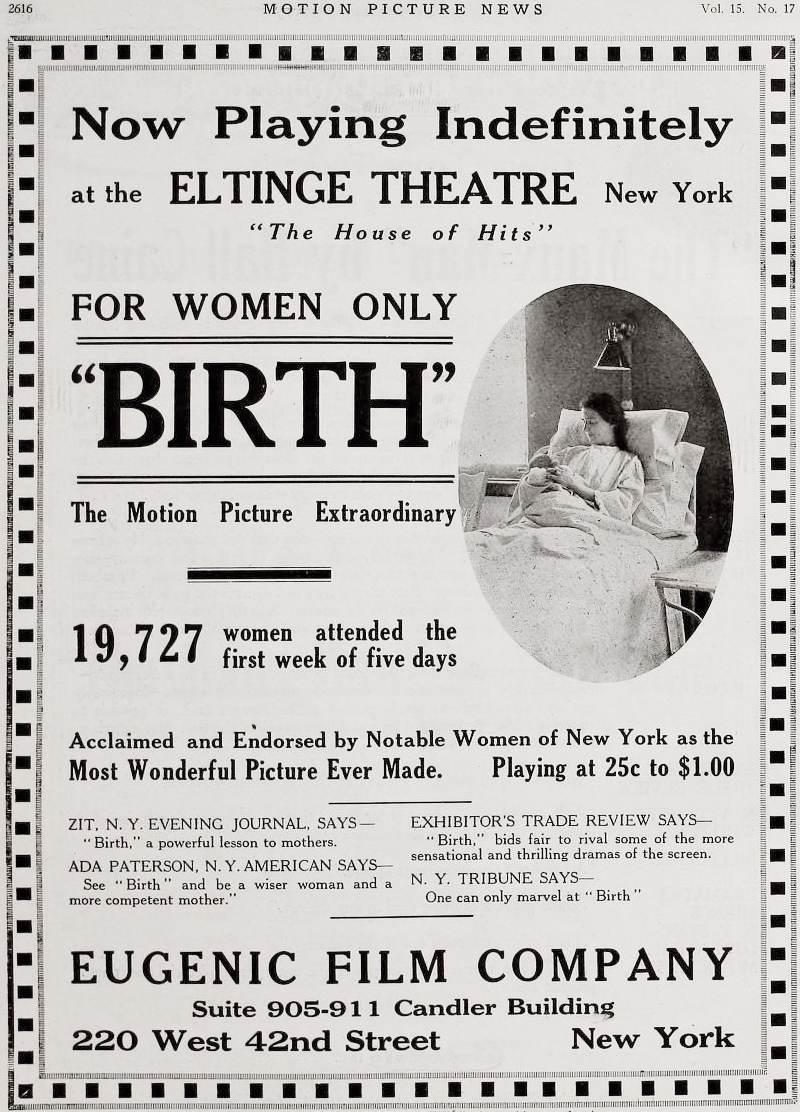
The Gilded Grift: Identity Forgery and the Social Vampire
While some were trapped by their faces, others in the silent era used them as weapons. The 'identity thriller' emerged as a way to explore the rot hidden behind the high-society mask. In A Model's Confession (1918), we are introduced to the 'heartless vampire' Rita Challoner, a character who embodies the predatory nature of the social elite. The film uses the world of high fashion and modeling—a 'painted world' of artifice—to show how easily the soul can be bartered for a gown or a social standing. This isn't just melodrama; it’s a cynical deconstruction of the American Dream that feels surprisingly modern.
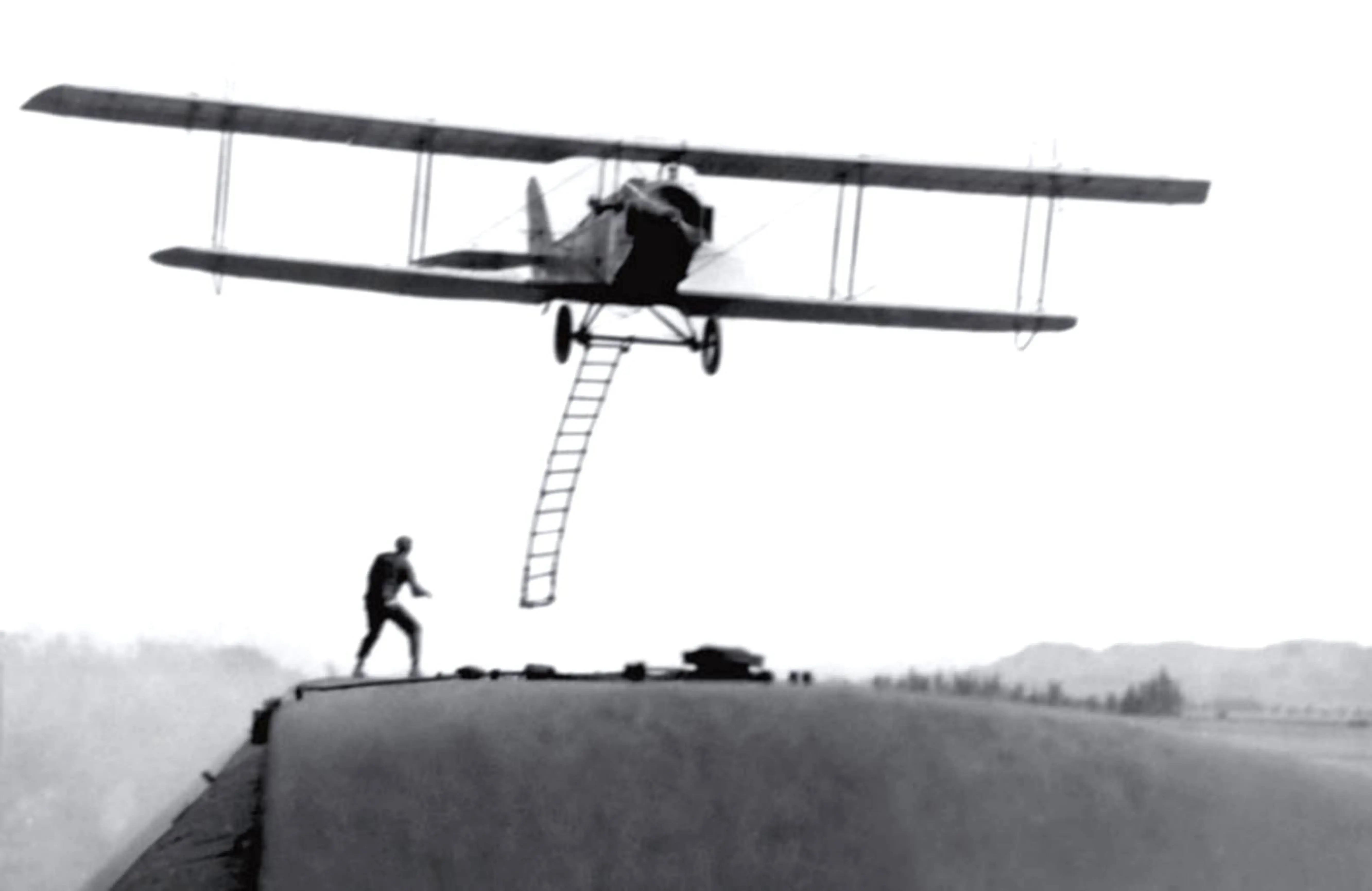
This theme of the 'social forgery' is echoed in The Painted World (1918), where the advent of a child, Yvette, forces an actress to confront the hollowness of her stage-managed life. These films suggested that everyone was playing a part, and that the 'true self' was something buried under layers of greasepaint and social expectation. For the cult spectator, this resonates deeply. The cult film is often a search for authenticity in a world of replicas. When we watch these early characters struggle to reconcile their public masks with their private traumas, we are seeing the first iterations of the 'fragmented self' that would later haunt films like Fight Club or Mulholland Drive.
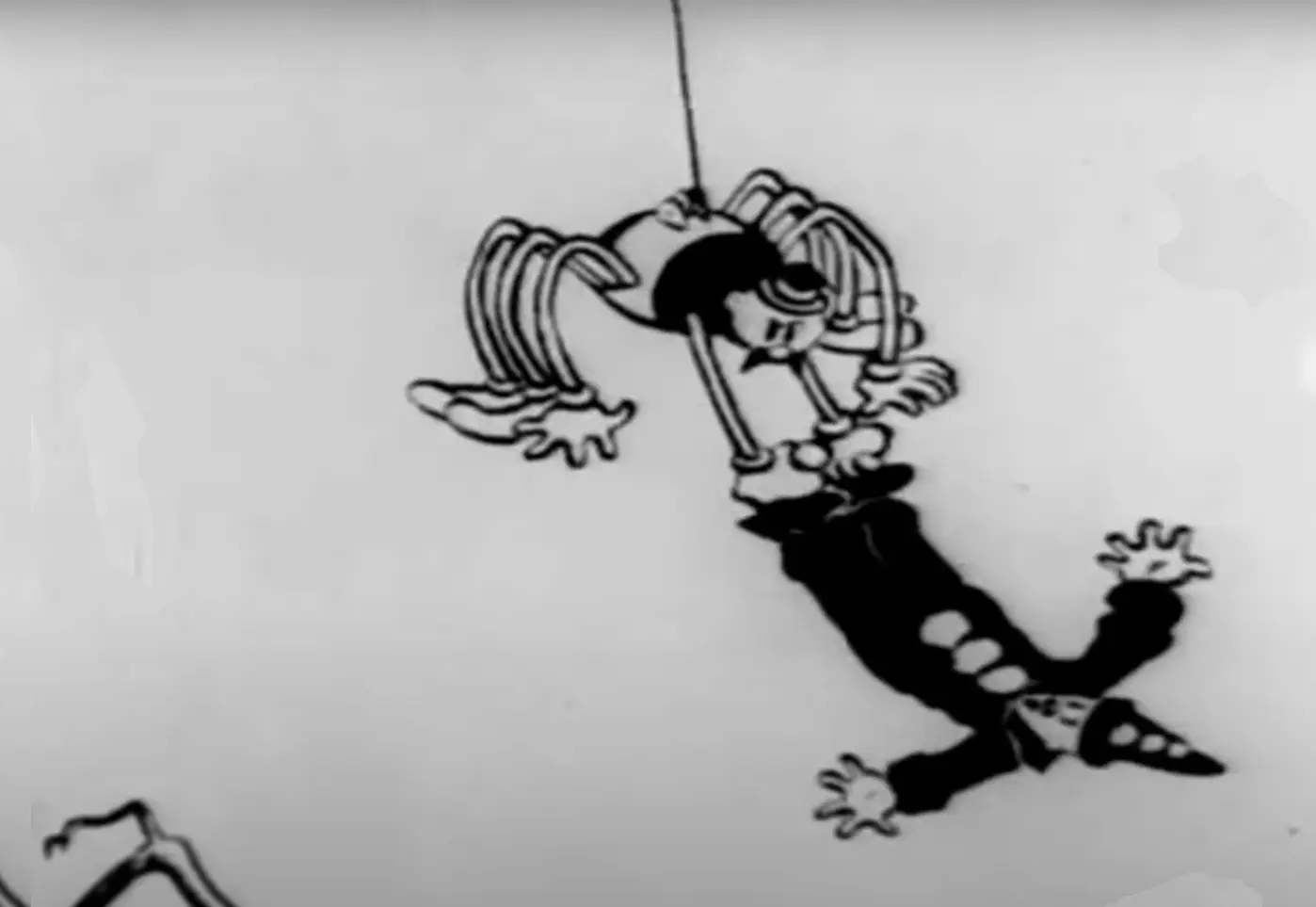
The silent camera did not just record reality; it interrogated the validity of the human face, suggesting that the most honest people were those the world called liars.
The Global Macabre: Transgressive Quests and Forbidden Jewels
The early cult mindset was also fueled by a desperate, often colonialist, thirst for the 'exotic' and the 'forbidden.' This manifested in sprawling adventure-thrillers that took the protagonist—and the audience—into liminal spaces where Western morality began to fray at the edges. The Naulahka (1918) is a prime example. Nicholas 'Nick' Tarvin’s journey to India to secure a legendary jewel is more than a simple heist; it is a descent into a world of ancient mysteries and spiritual danger. The 'Naulahka' itself becomes a fetish object, a MacGuffin that represents the unattainable and the transgressive.
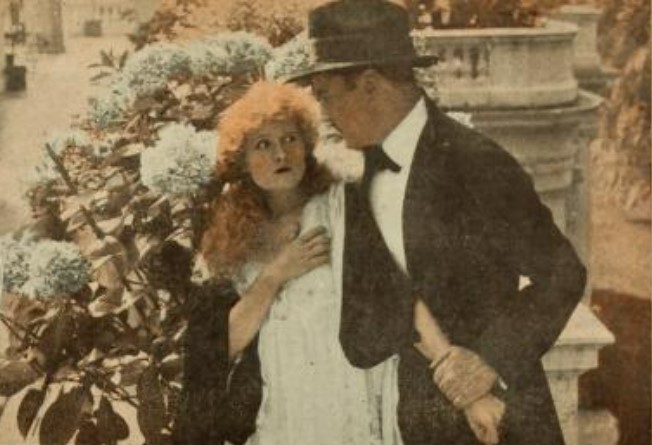
Similarly, The Haunted Manor (1916) pits an American artist against an Indian rajah in a battle for the affection of an 'American adventuress.' These films created a cinematic topography of the 'Other,' where the rules of the domestic hearth no longer applied. They provided a safe space for the audience to flirt with the idea of total cultural abandonment. The cult of the 'exotic' in early cinema served as a precursor to the psychedelic and transgressive travelogues of the 1960s underground, proving that the desire to escape the mundane is a foundational element of the niche film experience.
The Ritual of the Midnight Wedding
Nothing screams 'cult' quite like a title that promises a secret, nocturnal rite. The Midnight Wedding (1912) and Kiss of Death (1916) utilized the aesthetics of the night and the mystery of the unexplained to create an atmosphere of dread and devotion. In Kiss of Death, the narrative structure itself—three people testifying before the police about a dead doctor—anticipates the fractured, unreliable storytelling of Rashomon. It forces the audience to become detectives, to piece together a reality that is constantly shifting. This intellectual engagement, the refusal to provide a simple, linear truth, is exactly what keeps a film alive in the hearts of devotees for decades.
The Poverty of the Soul: Class War and the Ditch-Digger’s Rage
Perhaps the most enduring archetype to emerge from this era is the 'noble pariah'—the character whose social standing is so low that they become a kind of secular saint. In The Alien (1915), Pietro Massena, a poor ditch-digger, is set against the callous greed of the wealthy Phil Griswold. The film is a brutal indictment of class disparity, but it is Massena’s quiet, motherless devotion to his daughter Rosina that provides the emotional core. When the 'system' attempts to rob him of his inheritance and his dignity, his struggle takes on a mythic quality.
This is the root of the 'revenge cult' subgenre. The idea that the most marginalized members of society—the 'aliens' in their own land—possess a moral clarity that the elite lack. We see echoes of Pietro Massena in the protagonists of 1970s vigilante films and even in the modern 'elevated horror' movement, where social trauma is the primary monster. The silent era didn't shy away from the ugliness of poverty or the cruelty of the draft, as seen in On the Fighting Line, where the drudgery of a Georgia farmer becomes a backdrop for a story of sacrifice and survival. These films recognized that the most profound human experiences often happen in the shadows of the 'great' historical events.
- Visual Symbolism: The use of the 'scar' or the 'mask' as a shorthand for internal psychological states.
- Narrative Ambiguity: Moving away from the moral certainties of the 19th century toward the 'gray areas' of the 20th.
- Genre Hybridity: Mixing melodrama with crime, horror, and social commentary to create something entirely new.
- The Outcast Hero: Validating the perspective of the immigrant, the crook, and the 'ugly' man.
Why the Silent Fringe Matters Now
We live in an age of high-definition clarity, yet we are more obsessed with 'vibe' and 'aesthetic' than ever before. The silent era understood that cinema is not about the literal; it is about the evocative. When we look back at films like Notre Dame d'amour or the strange, frozen landscapes of An Eskimotion Picture, we aren't just seeing old movies. We are seeing the first attempts to capture the 'unseen'—the internal weather of the human soul. The cult film is, at its heart, an act of discovery. It is the thrill of finding a piece of art that speaks to your specific, perhaps even 'deviant,' sensibilities.
The 'ugly' anti-heroes and identity forgers of the 1910s and 20s were the first to tell us that it was okay to be a misfit. They taught us that the most interesting stories are found in the margins, and that the most beautiful faces are often the ones that have been broken and put back together. As we continue to dig through the digital archives of Dbcult.com and beyond, we find that the 'midnight mindset' wasn't birthed in a 1970s theater—it was born in the silent, flickering dark of a century ago, waiting for an audience that was finally ready to look into the shadows and see themselves.
The legacy of these early outliers is not just a collection of dusty reels; it is a living, breathing tradition of cinematic rebellion. Whether it's the western-drama hybrid of Stepping Fast or the surreal comedy of Adam a Eva, the silent era was a laboratory for the strange. It was a time when the rules were still being written, and the 'misfits' were the ones holding the pen. By reclaiming these films, we aren't just performing an act of film preservation; we are reconnecting with the primal, unruly spirit that makes cinema the most powerful cult religion in the world.
Community
Comments
Log in to comment.
Loading comments…