
Cult Cinema Deep Dive
The Primal Alchemy of the Fringe: Decoding the Early Century’s Maverick Visions and the Birth of Cult Identity
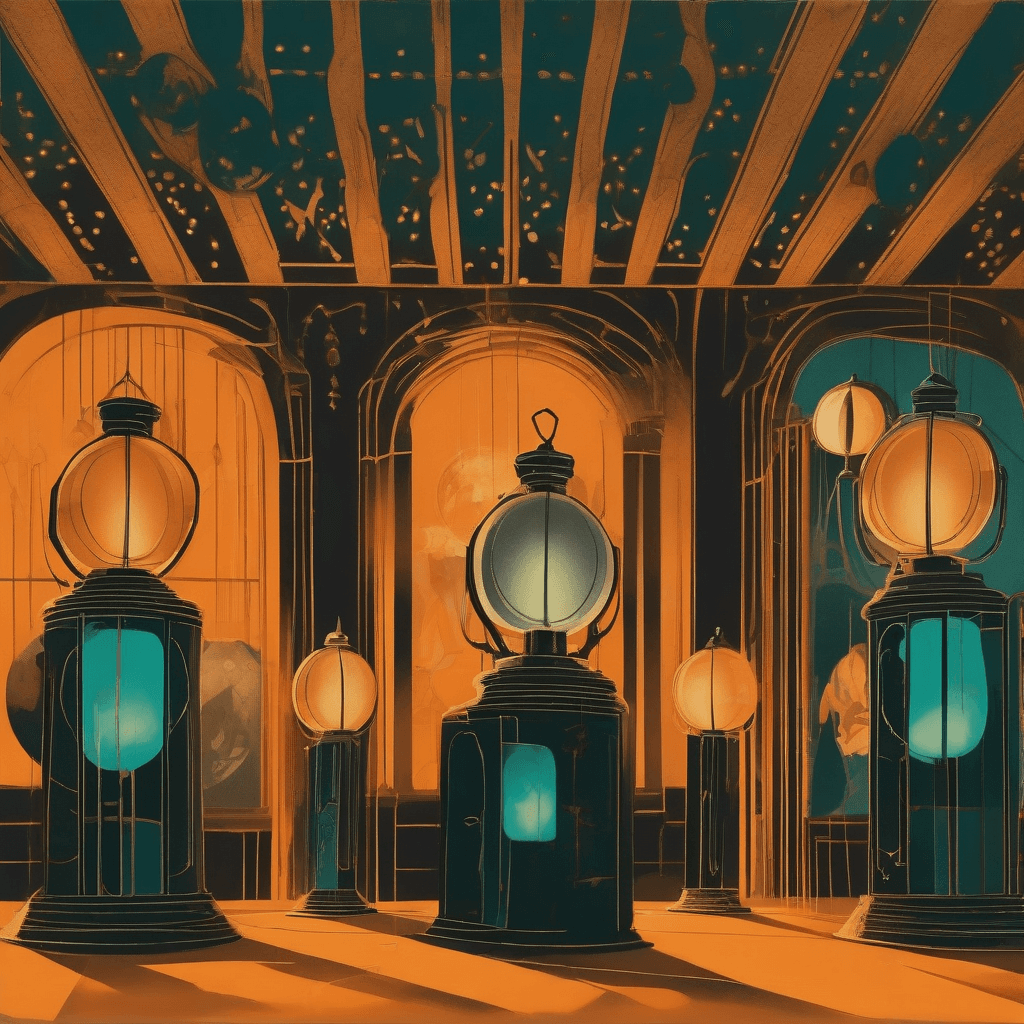
“An in-depth exploration of how the silent era's most transgressive and unusual films laid the groundwork for modern cult cinema and niche fandom.”
The history of cinema is often told through the lens of the blockbuster, the award-winner, and the commercially successful. However, a parallel history exists—a history written in the shadows of the fringe, where the strange, the transgressive, and the misunderstood reside. This is the history of cult cinema. Long before the midnight movie craze of the 1970s or the digital underground of the 21st century, the seeds of cult obsession were being sown in the early 20th century. Between 1910 and 1925, a series of cinematic anomalies emerged that challenged the burgeoning status quo of the medium, offering visions that were too dark, too weird, or too niche for the average viewer of the time.
The Genesis of the Cult Aesthetic: Early Cinematic Rebellion
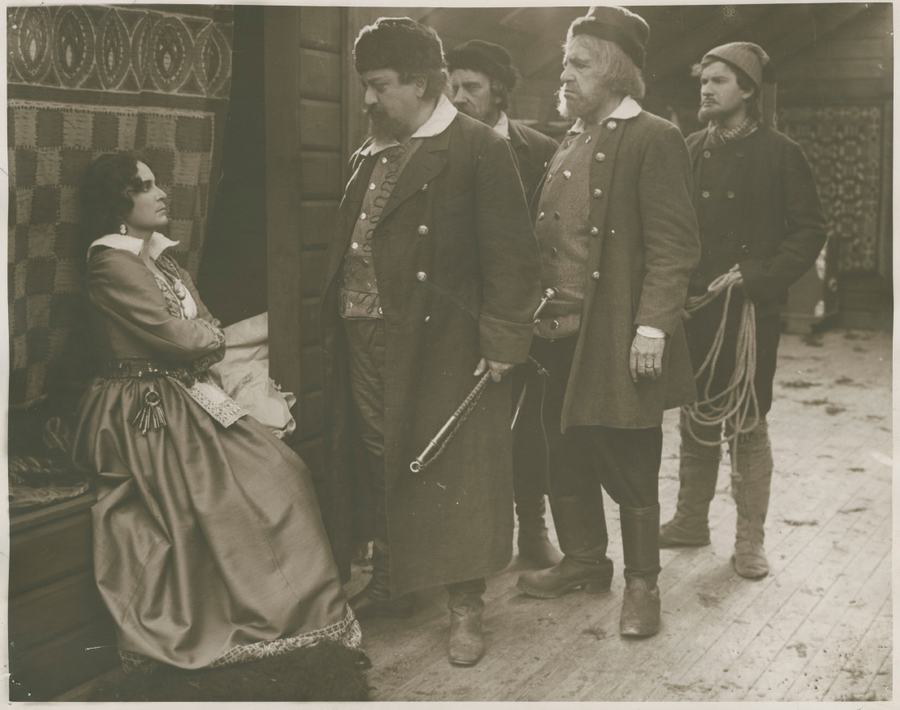
To understand the modern cult film, one must first recognize the archetypal rebellion found in the silent era. Cult cinema is defined by its devotion—a specific, intense relationship between the audience and the image. This relationship often begins with a film that feels 'outside' of the norm. Consider the 1918 masterpiece The Outlaw and His Wife. Directed by Victor Sjöström, this film presents a narrative that is fundamentally at odds with the 'civilized' world. When Ejvind, a man driven by hunger, steals a sheep from a wealthy priest and is subsequently imprisoned, his escape into the mountains represents the ultimate rejection of social structures. This 'outlaw' spirit is the DNA of cult cinema: a celebration of the fugitive, the misunderstood, and the person who chooses the wilderness over the town.
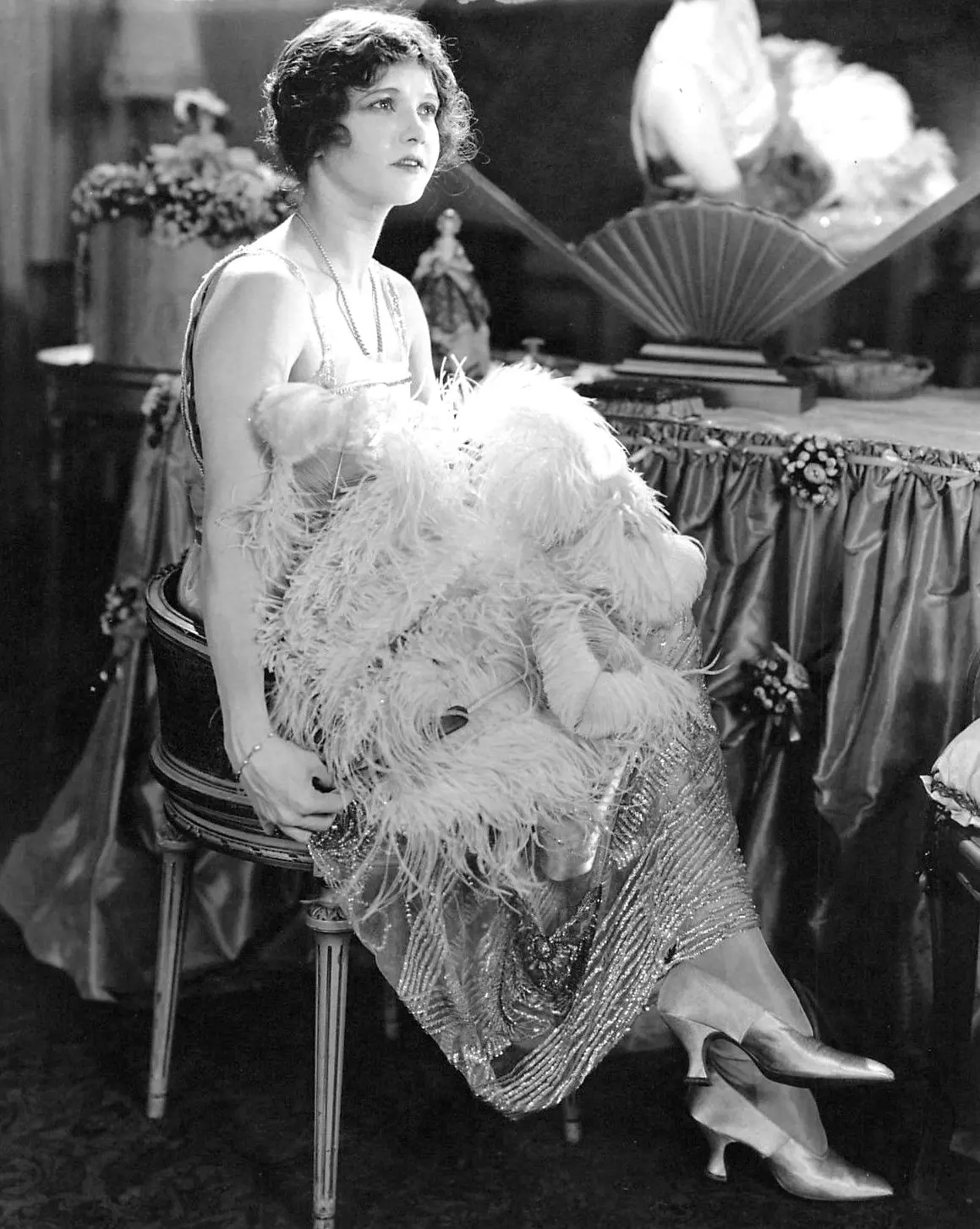
The visual language of these early films often mirrored their subversive themes. In The Outlaw and His Wife, the harsh landscape of the Icelandic highlands becomes a character in itself, dwarfing the human drama and creating a sense of existential dread that would later influence the darker corners of genre cinema. This is not just a story; it is a visual manifesto for those who feel alienated by the progress of modern society.
The Metaphysical Underground: Secret Societies and Occultism
If the outlaw film provided the social rebellion, then the early supernatural thriller provided the metaphysical weirdness that cult fans crave. The 1916 serial The Mysteries of Myra is perhaps the most significant precursor to the modern 'weird fiction' film. Centered on Myra Maynard, who is plagued by the 'Black Order'—a secret organization utilizing magic, curses, and supernatural assaults—the film introduced audiences to a world where the laws of physics were secondary to the whims of the occult. This fascination with secret societies and forbidden knowledge is a hallmark of cult obsession, from the cosmic horror of Lovecraftian adaptations to the modern obsession with cinematic conspiracies.
The Count and the Conjurer
Similarly, Der Graf von Cagliostro (1920) delved into the lurid tales of magic and secret societies during the reign of Louis XVI. By focusing on the historical figure of the Italian occultist Giuseppe Balsamo (Count Cagliostro), the film tapped into a deep-seated human desire to see the 'curtain pulled back' on the world. Cult cinema thrives on the idea that there is a secret reality hidden beneath the surface of the mundane. These early films did not just entertain; they invited the viewer into a shadow world of ritual and mystery, a tradition that continues in the works of filmmakers like David Lynch or Panos Cosmatos.

Social Transgression and the 'Yellow Passport'
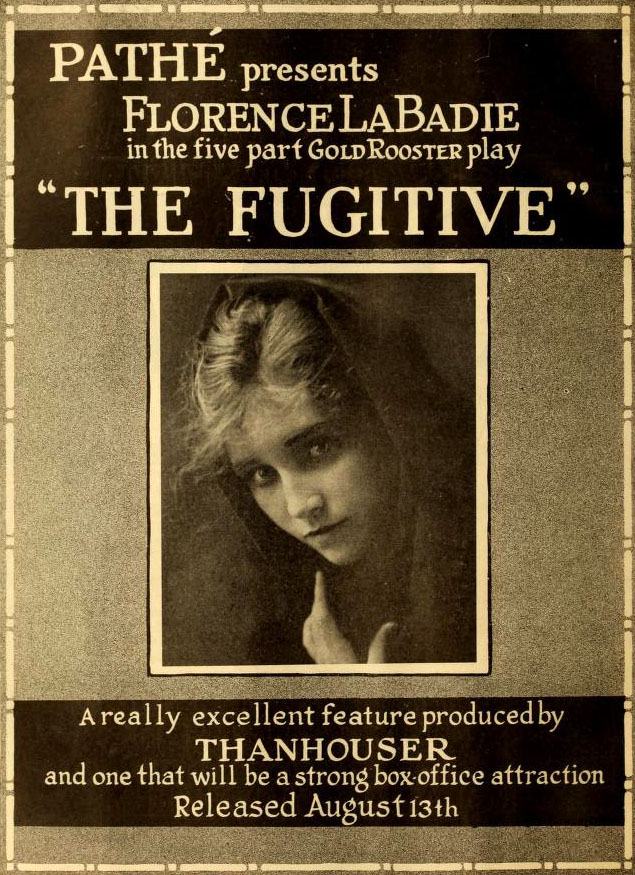
While some films sought the supernatural, others found their cult power in the gritty, uncomfortable realities of social degradation. The 1918 film The Yellow Ticket (or The Yellow Passport) is a prime example. In Czarist Russia, a young Jewish girl named Anna Mirrel is forced to obtain a 'yellow ticket'—a document identifying her as a prostitute—just to visit her sick father. This narrative of systemic oppression and personal sacrifice was shockingly direct for its time. Cult cinema often champions the marginalized, and The Yellow Ticket serves as a foundational text for films that use genre to critique the rot at the heart of empire.
The 'yellow ticket' itself became a symbol of the 'other,' a mark of Cain that forced the protagonist into a subculture of outcasts. This theme of the 'branded' individual resonates deeply with cult audiences, who often feel that they too carry a metaphorical yellow ticket in a world that demands conformity. The film's willingness to engage with themes of sexual degradation and religious persecution paved the way for the transgressive cinema of the 1960s and 70s, proving that the roots of the counter-culture were planted firmly in the silent era.
Mythology, Fantasy, and the Subconscious
Cult cinema is also a realm of pure imagination, where the logic of dreams replaces the logic of the everyday. Early adaptations of myths and fairy tales, such as Undine (1916) and Rumpelstiltskin (1915), offered a visual richness that bordered on the psychedelic. Undine, with its depiction of the realm of Queen Unda and her nymphs beneath the deep sea, utilized the camera to create a world of fluid motion and ethereal beauty. These films were not merely children's stories; they were explorations of the collective subconscious.
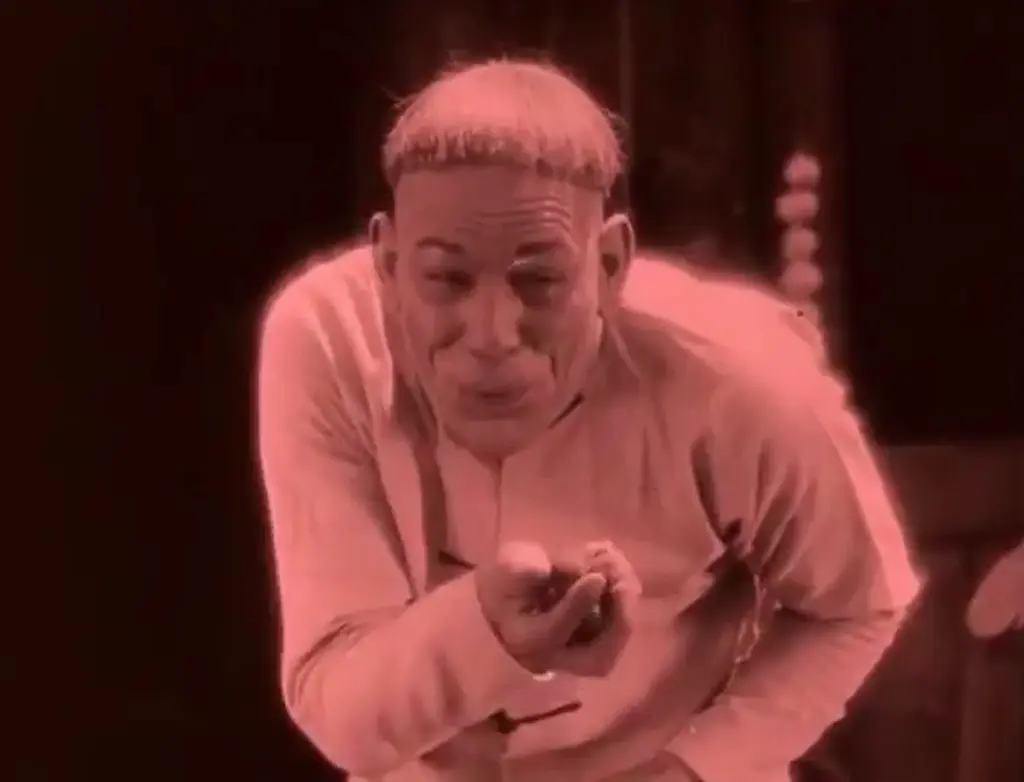
In Rumpelstiltskin, the figure of the wicked dwarf becomes a proto-horror icon. His magic power and his desire for the miller's daughter Polly create a narrative of dread and obsession. The 'cult' appeal of these films lies in their ability to tap into primal fears and desires. They are 'otherworldly' in the truest sense, providing an escape from the industrial reality of the early 20th century into a landscape of symbolic resonance. This lineage can be traced directly to the high-fantasy cult classics and the surrealist movements that would follow decades later.
The Subcultural Niche: Jazz, Cabarets, and Identity
One of the most fascinating aspects of early cult cinema is its ability to capture specific subcultures before they were absorbed into the mainstream. The 1921 short The Jazz Hounds is a vital artifact in this regard. Dealing with African American jazz culture and shot in a cabaret setting, the film provided a window into a world that was often invisible to the dominant culture. Cult cinema is frequently the first place where emerging subcultures find a voice. By documenting the music, the fashion, and the social dynamics of the jazz age, The Jazz Hounds acted as a lighthouse for a specific community, creating a sense of shared identity through the medium of film.
This 'community-building' aspect is essential to the cult experience. Whether it is the jazz clubs of the 1920s or the punk scenes of the 1980s, cinema has always been a way for marginalized groups to see themselves reflected and to celebrate their own unique rhythms. These films are not just entertainment; they are cultural touchstones that bind a niche audience together through a shared understanding of what it means to be 'different.'
The Architecture of Obsession: Why We Worship the Outcast
Why do we return to these films? Why does a story about a man stealing a sheep in 1918 or a woman haunted by a 'Black Order' in 1916 continue to fascinate? The answer lies in the architecture of the abnormal. Human beings have an innate desire to explore the boundaries of their experience. The films discussed here—the anomalies, the misfits, the genre-defiers—provide a safe space to engage with the 'other.' They allow us to walk in the shoes of the outlaw, the magician, the pariah, and the dreamer.
Films like The Woman from Nowhere (1922) explore the haunting power of memory and the choices that define a life, while Shattered (1921) offers a brutal, unblinking look at poverty and the crushing weight of social isolation. These are not easy films, but they are essential films. They represent the first century of cinematic rebellion, a time when the rules were still being written and the potential for subversion was limitless. The 'cult' is not just a group of fans; it is a congregation of those who recognize that the most profound truths are often found in the most unlikely places.
Conclusion: The Eternal Flame of the Fringe
As we look back at the first hundred years of cinema, it is clear that the 'cult' is not a modern invention. It is a primal force that has existed since the first flickering images were projected onto a screen. From the metaphysical assaults of The Mysteries of Myra to the social defiance of The Outlaw and His Wife, the early era of film provided a blueprint for everything we love about cult cinema today. It taught us to value the unique over the uniform, the strange over the safe, and the maverick over the mainstream.
The legacy of these forgotten outcasts is a testament to the enduring power of the image. They remind us that cinema is a tool for exploration, a way to map the uncharted territories of the human soul. So long as there are filmmakers willing to take risks and audiences willing to follow them into the dark, the cult cinema flame will continue to burn, fueled by the primal alchemy of the fringe.
Community
Comments
Log in to comment.
Loading comments…