
Cult Cinema
The Primal Radiance: How the Silent Era’s Outcasts and Oddities Forged the Modern Cult Soul

“A deep dive into the transgressive roots of cult cinema, tracing the DNA of midnight movies back to the silent era's most daring and unconventional masterpieces.”
To understand the modern obsession with the midnight movie, one must descend into the flickering shadows of the early 20th century. While contemporary audiences often associate cult cinema with the neon-soaked 1980s or the transgressive grittiness of the 1970s, the genetic blueprints of the genre were drafted much earlier. Between 1910 and 1921, a period of immense social upheaval and technological experimentation, cinema was not yet a rigid industry. It was a wild, untamed frontier where films like The Cabinet of Dr. Caligari and Gertie on Tour could exist as radical ruptures in the status quo. These early works were the original misfits, the cinematic outliers that refused to adhere to the burgeoning conventions of the Hollywood machine.

The Architecture of the Abnormal: Expressionism and the Birth of the Cult Aesthetic
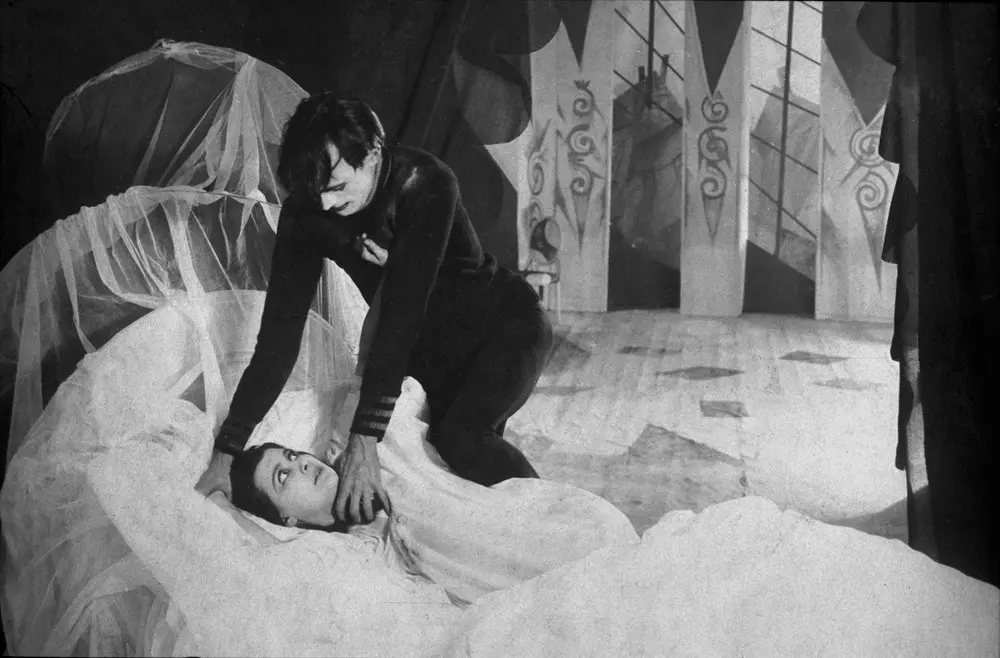
The very essence of a cult film is its refusal to reflect reality as we know it. In the 1920 masterpiece The Cabinet of Dr. Caligari, we see the birth of a visual language that would define the "weird" for a century. The jagged, distorted sets and the hypnotic performance of the somnambulist Cesare established a template for the psychological thriller. But more than that, it introduced the concept of the unreliable narrator—a staple of cult narratives that challenge the viewer’s perception of truth. This defiance of linear, comfortable storytelling is what creates the fervent, almost religious devotion seen in modern fandoms.
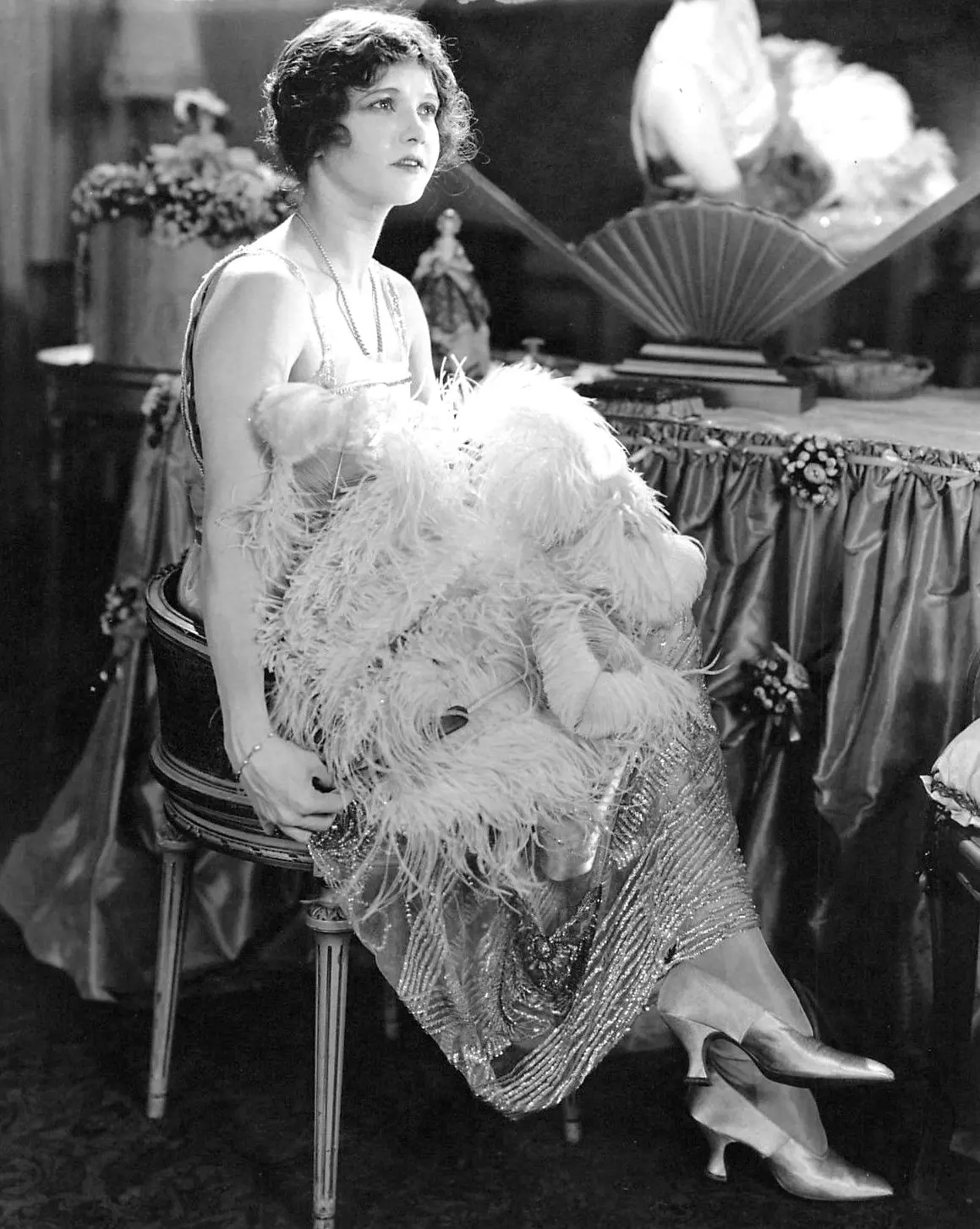
Beyond the shadows of German Expressionism, other films were exploring the darker corners of the human psyche. Die Bestie im Menschen (The Beast in Man) delved into hereditary madness and the internal struggle against one's own nature. This exploration of the "human beast" prefigures the psychological horror and character-driven cult dramas that would follow decades later. By centering narratives on characters who are fundamentally broken or morally ambiguous, these early films invited audiences to empathize with the monster, the outcast, and the deviant.

The Social Rebel: From Slums to Society
Cult cinema is often defined by its protagonists—individuals who exist on the periphery of polite society. We see this in Hoodoo Ann (1916), where a young orphan believes herself cursed by bad luck until she finds a way to navigate a world that has rejected her. This theme of the "unwanted" finding a home or a purpose is a recurring motif in cult classics. Similarly, Nobody's Kid explores the mistreatment of an orphan whose very existence is a reminder of a familial rebellion. These stories of survival against institutional neglect resonate with the "us against the world" mentality that fuels many niche film communities.
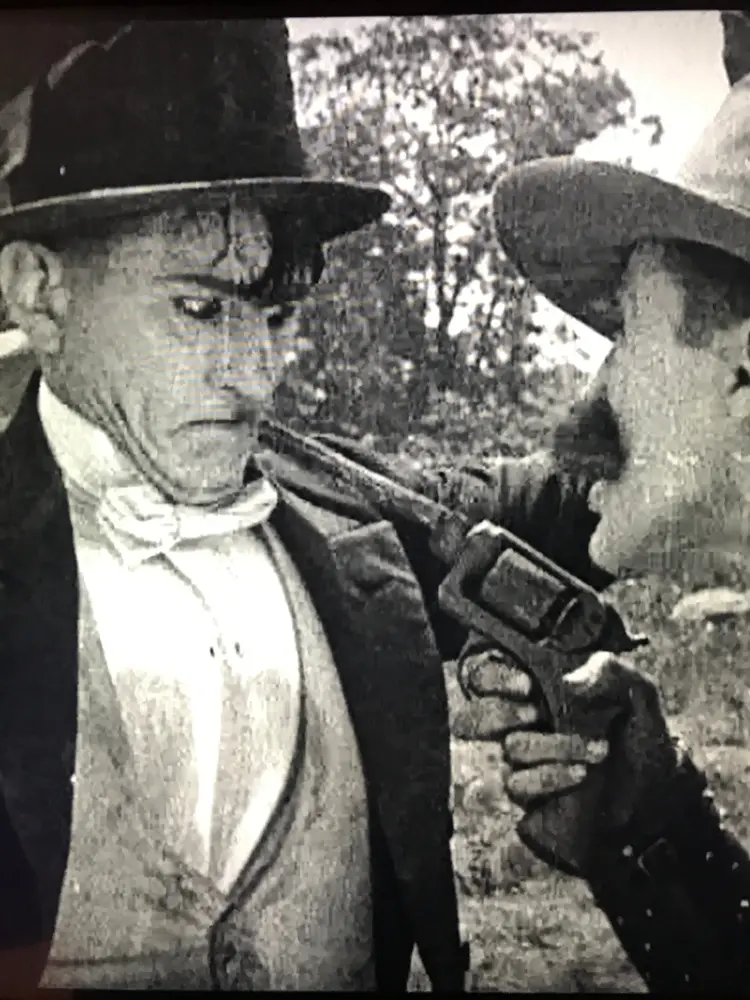
Even the comedies of the era carried a subversive edge. In Cinderella Cinders, an unemployed cook impersonates high society guests, a narrative of class-skipping that would become a beloved trope in cult cinema. The act of "performing" an identity, of being an outsider looking in, is central to the cult experience. Whether it is the schoolteacher in The Golden Fetter inheriting a worthless mine or the protagonist of Prudence on Broadway navigating the "devil's tricks" of the big city, these films celebrate the underdog’s ingenuity in a world rigged against them.

Narrative Mutants and the Allure of the Unconventional
If the mainstream is a straight line, cult cinema is a jagged zig-zag. The early 20th century was rife with "narrative mutants"—films that blended genres or took bizarre thematic detours. Take Chūshingura, the earliest surviving feature depicting the legend of the 47 Ronin. It represents the birth of the epic cult narrative, a story of loyalty and bloody revenge that has been remade and reimagined countless times. Its enduring power lies in its uncompromising commitment to a moral code that sits outside modern Western sensibilities.
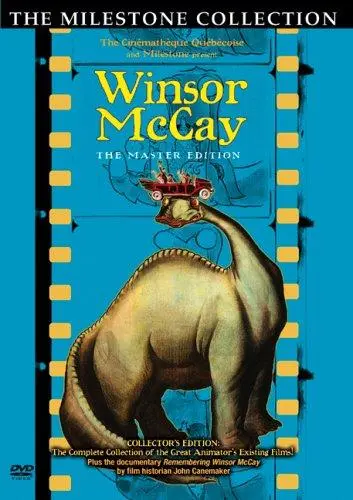
In the realm of the fantastic, Gertie on Tour (1918) offers a glimpse into the surrealist potential of animation. Seeing a dinosaur interact with a modern cable car was not just a technical marvel; it was a surrealist juxtaposition that challenged the boundaries of the possible. This kind of visual playfulness is a direct ancestor to the "weird for weird's sake" aesthetic that defines much of the midnight movie circuit. When we watch a film that refuses to explain itself, we are participating in a tradition that began with these early fragments of cinematic imagination.
The Morality of the Maverick: Forgery, Sin, and Redemption
The cult hero is rarely a saint. In Jim the Penman (1921), we are presented with a protagonist whose talent for forgery becomes his primary tool for social climbing and romantic pursuit. This moral complexity—the idea that a "villainous" skill can be used for "heroic" ends—is a cornerstone of the transgressive soul of cult film. It forces the audience to question their own moral compass, a hallmark of works that aim to subvert rather than soothe.
Similarly, One Touch of Sin and The Supreme Temptation deal with the fallout of past mistakes and the impossibility of true escape from one's history. These films don't offer the easy resolutions of modern blockbusters; instead, they wallow in the grey areas of human desire and societal expectation. In The Seed of the Fathers, the cyclical nature of corruption is explored, suggesting that our sins are a legacy we cannot easily outrun. This fatalism is a frequent flavor in the cult canon, providing a cathartic release for those who feel trapped by their own circumstances.
The Rural-Urban Divide and the Loss of Values
Many cult films gain their power from a sense of nostalgia or a critique of modern progress. Markens grøde (Growth of the Soil), based on Knut Hamsun’s Nobel-winning novel, is a stark criticism of industrialization and the loss of traditional values. It champions the farmer who makes something out of barren soil, standing in opposition to the encroaching chaos of the city. This tension between the "pure" rural life and the "corrupt" urban center is a theme that runs through films like Homer Comes Home and The Trail of the Lonesome Pine.
In Homer Comes Home, the ne'er-do-well returns to his small town after failing to find fortune in the city, only to realize that the values he left behind were the ones that truly mattered. This "return to roots" narrative often resonates with cult audiences who feel alienated by the rapid, often impersonal pace of modern life. These films serve as a reminder that the periphery—the small towns, the barren soil, the forgotten corners—is often where the most profound truths are hidden.
The Legacy of the Forgotten: Why We Still Watch
Why do we continue to excavate these silent-era relics? It is because they possess a primal magnetism that modern, polished cinema often lacks. Films like Virtuous Men or The Misleading Widow were not made for the ages; they were made for the moment, yet they captured something universal about the human condition. Whether it is the struggle of a disgraced wealthy man in a lumber camp or the gossip-fueled drama of a New England village, these stories remind us that the human experience has always been messy, unconventional, and prone to rebellion.
The "cult" status of these films often comes from their survival against the odds. Many of these reels were lost, burned, or forgotten, only to be rediscovered by film historians and enthusiasts decades later. This process of resurrection adds a layer of mystique to the viewing experience. When we watch The Life Story of David Lloyd George or the early Zionism biopic Theodor Herzl, we are not just watching history; we are participating in a communal act of preservation. We are keeping the maverick spirit alive.
Conclusion: The Eternal Flame of the Fringe
Cult cinema is more than just a category; it is a philosophy. It is the belief that the most interesting stories are found on the edges of the frame, in the characters who don't fit in, and in the narratives that dare to be different. From the expressionist nightmares of the 1920s to the social melodramas of the 1910s, the roots of this movement are deep and diverse. Films like Little Miss Hoover, Miss Jackie of the Army, and Extravagance may seem like relics of a bygone era, but their influence is felt in every midnight screening and every niche fan forum today.
As we continue to navigate a cinematic landscape dominated by franchises and formulas, the lessons of the silent era’s outcasts are more relevant than ever. They teach us that there is beauty in the broken, power in the perverse, and a lasting legacy for those who refuse to follow the rules. The primal radiance of these early works continues to shine, lighting the way for the next generation of cinematic rebels and the cults that will inevitably form around them. In the end, the history of cult cinema is the history of cinema itself—a restless, evolving, and eternally transgressive art form that belongs to the dreamers, the deviants, and the devoted.
Community
Comments
Log in to comment.
Loading comments…