
Film History
The Shadow Play of Madness: How German Expressionism’s Twisted Visions Forged the Cult Psyche
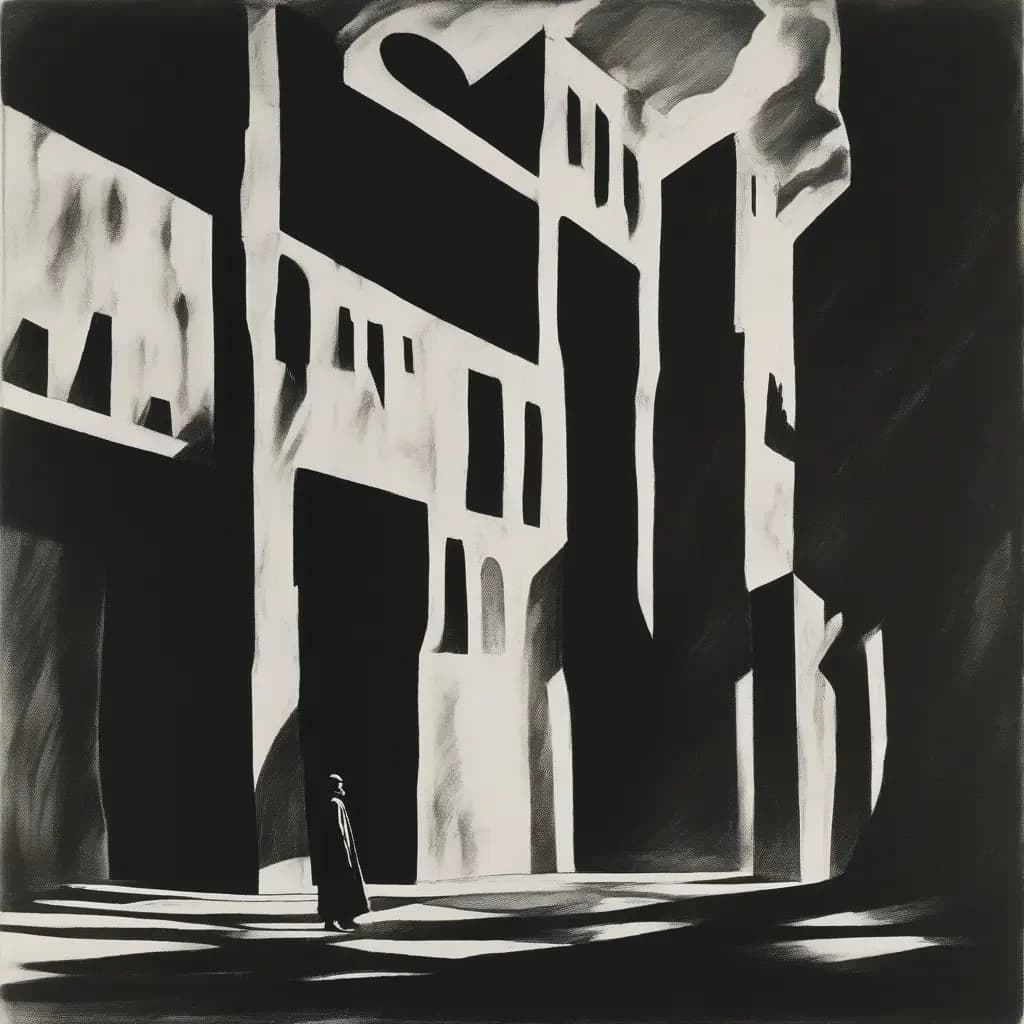
“German Expressionism wasn't just an art movement; it was a cinematic crucible where twisted visions and psychological depth laid the dark, distorted foundations for the cult film experience. Dive into the shadows that shaped our deepest cinematic obsessions.”
We often talk about cult films as artifacts of rebellion, born from midnight screenings and whispered recommendations, thriving on the fringes of mainstream acceptance. But to truly understand the gravitational pull of these cinematic anomalies, we must journey further back, beyond the lurid posters of the 70s or the digital underground of today. We must return to the nascent days of cinema, to a specific, unsettling flicker from post-WWI Germany: the era of German Expressionism. This wasn't merely a stylistic choice; it was a visceral reaction to a shattered world, a deliberate distortion of reality that, I argue, laid the psychological and aesthetic groundwork for the very concept of the devoted, outsider film audience. It wasn't cult cinema as we know it, not yet, but it was the profound, unsettling precursor, a shadow play of madness that etched itself onto the emerging cinematic psyche.
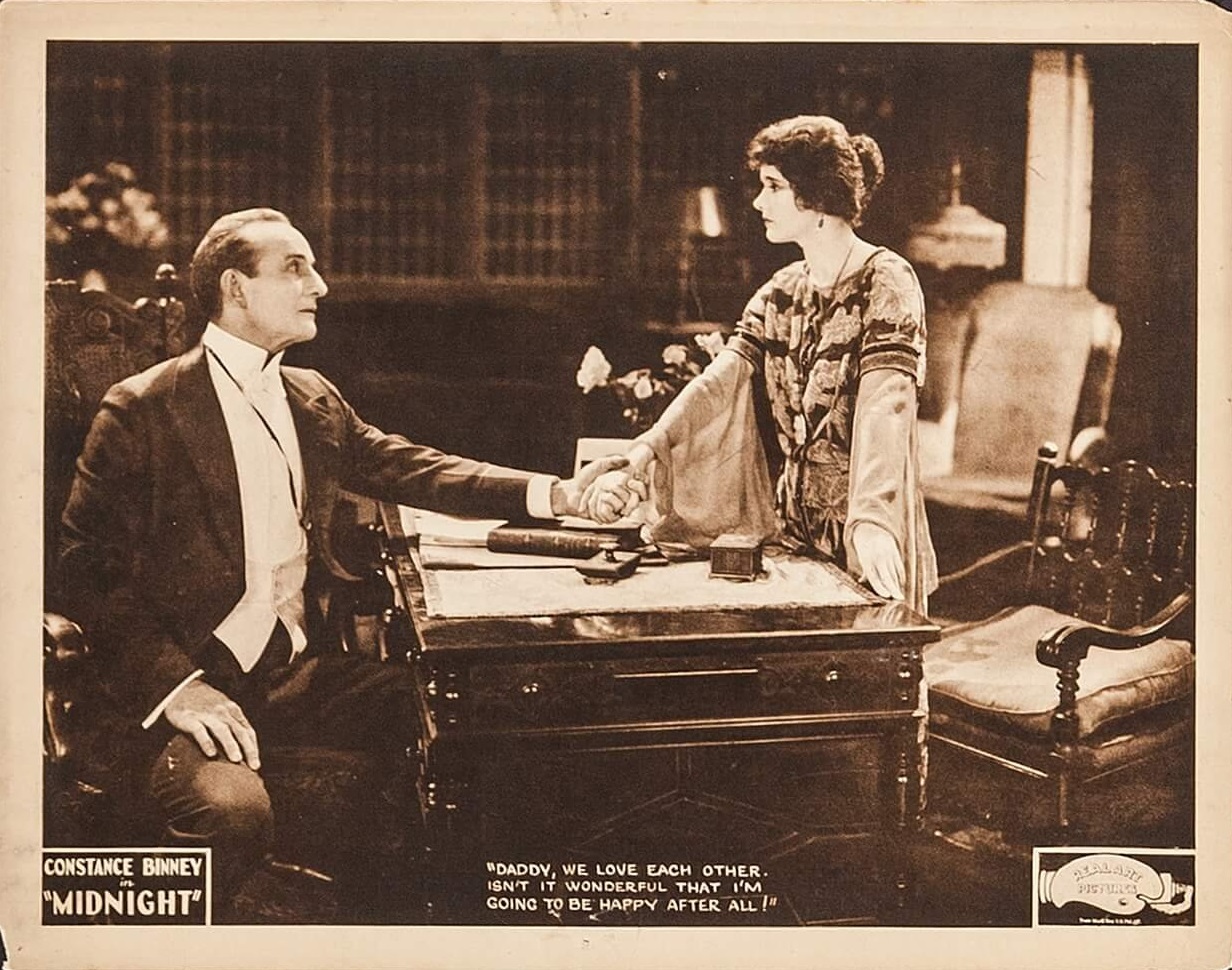
The Architecture of Anxiety: Sets as Psychic Landscapes
Imagine a world where the very walls around you twist and contort, where staircases lead nowhere, and doorways are trapezoids gaping into an abyss. This wasn't merely surrealism for surrealism's sake in German Expressionist cinema; it was a profound act of externalizing internal turmoil. Directors and production designers, often influenced by contemporary Expressionist painting and theater, eschewed naturalism entirely. Instead, they built sets that were extensions of fractured minds, visual metaphors for societal decay and individual despair. The most obvious, and perhaps most arresting, example is Robert Wiene’s The Cabinet of Dr. Caligari (1920). Its village, a jagged agglomeration of painted shadows and impossible angles, isn't just a backdrop; it's a character in itself, a physical manifestation of Francis’s unreliable narration and the madness he perceives. Every skewed window, every leaning wall, screams of a world off-kilter, a society teetering on the brink of sanity. This deliberate artifice, this rejection of conventional realism, demanded a different kind of engagement from the audience. It wasn't about suspending disbelief in a familiar world, but about immersing oneself in an utterly alien, unsettling one. This willingness to embrace the bizarre and the artificial, to find meaning in deliberate distortion, is a cornerstone of the cult film experience. It’s where narrative logic takes a backseat to visceral impact, where the environment itself tells a story deeper than dialogue. Even films like Fritz Lang's Destiny (1921), with its towering, fantastical structures and stark, symbolic backdrops for Death's various realms, invite viewers into a meticulously crafted, yet deeply unnatural, world. The very air of these films feels thick with psychological weight, a precursor to the oppressive atmospheres that would define many future genre experiments that found their devout followings.

Shadows and Souls: Chiaroscuro and the Unseen
No discussion of German Expressionism is complete without acknowledging its revolutionary use of light and shadow. Chiaroscuro, the dramatic contrast between light and dark, wasn't just a mood-setter; it was a narrative tool, a psychological weapon. Shadows in these films weren't merely absences of light; they were tangible entities, crawling across walls, engulfing characters, and hinting at unseen horrors. They represented the subconscious, the moral ambiguity, the lurking evil that permeated the human condition and the shattered post-war psyche. F.W. Murnau’s Nosferatu (1922) is a masterclass in this technique. Count Orlok's elongated, grotesque shadow ascending the stairs is more terrifying than the creature itself, a pure distillation of dread. It's the visual equivalent of a nightmare, where the unseen is far more potent than the revealed. This technique didn't just scare; it disturbed, it unsettled, it forced audiences to confront the darker aspects of humanity, both on screen and within themselves. The stark contrasts, the pools of inky blackness, the slivers of harsh light – they stripped away comfort, revealing a world of moral decay and existential threat. This visual language, so deliberate and unsettling, forged a deep, almost primal connection with audiences who were tired of conventional narratives and sought something more profound, more challenging. It’s a visual philosophy that would be echoed in film noir, gothic horror, and countless independent films that later attracted a passionate, discerning viewership, those who appreciated cinema that didn’t just entertain but provoked and haunted.
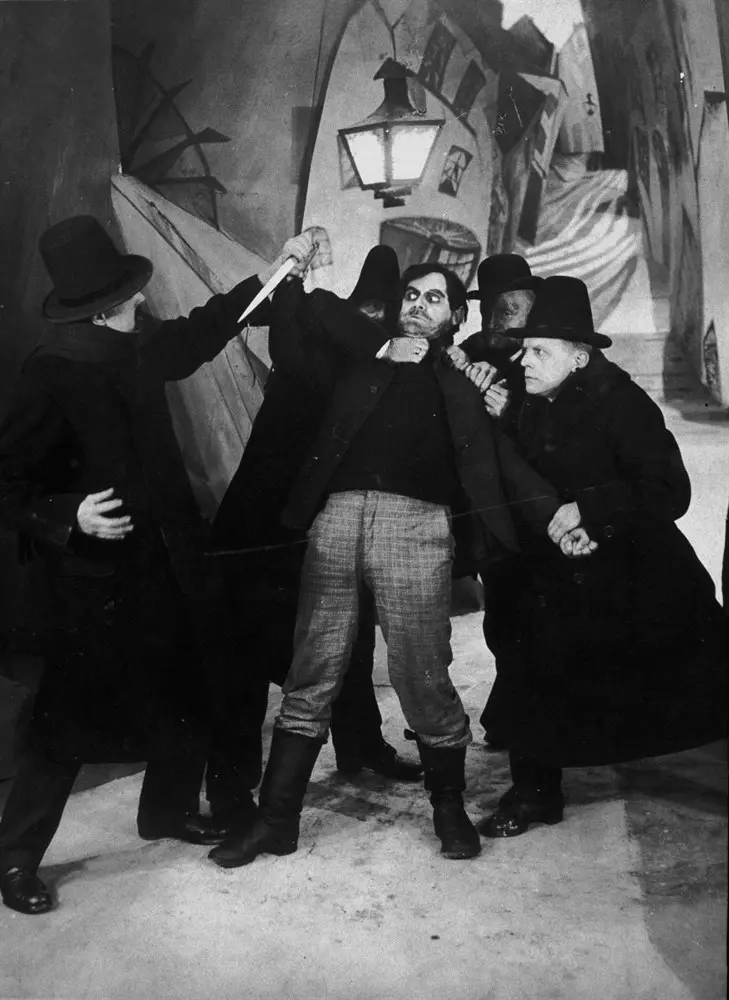
The shadows of Caligari and Nosferatu are not merely stylistic flourishes; they are the very DNA of psychological horror, a blueprint for how cinema can externalize our deepest, most irrational fears. They are the first whispers of a language spoken by films that would later be embraced by the most fervent cinephiles.
Beyond the Human: The Grotesque and the Mechanical
Another indelible mark of Expressionism was its fascination with the non-human, the monstrous, and the mechanical. This wasn't merely about creating fantastical creatures; it was an exploration of dehumanization, the perils of unchecked power, and the terrifying potential of artificial life. From Paul Wegener's The Golem: How He Came into the World (1920), where a clay figure is brought to life to protect a Jewish community but eventually turns destructive, to Fritz Lang's monumental Metropolis (1927) and its iconic Maschinenmensch, the films grappled with themes of creation, control, and rebellion. These figures, often grotesque or unnervingly perfect, spoke to the anxieties of an industrializing world, a society grappling with its own capacity for monstrous acts after the devastation of war. The exaggerated, almost balletic movements of Max Schreck as Orlok, or the angular, robotic grace of Brigitte Helm's Maria in Metropolis, transcended conventional acting. They became symbols, archetypes of fear and otherness. This embrace of the overtly theatrical, the stylized grotesque, appealed to an audience seeking more than mere representation. They sought allegory, myth, and a reflection of their own alienation. The early Hungarian horror film Dracula's Death (1921), with its unsettling visions and asylum setting, clearly draws from this wellspring of fascination with the monstrous and the psychological breakdown, blurring the lines between external threat and internal torment. This willingness to push boundaries, to present characters and scenarios that defy easy categorization, is a direct lineage to the fringe films that would later gather their own dedicated followings, films that dared to be different, disturbing, and deeply memorable.
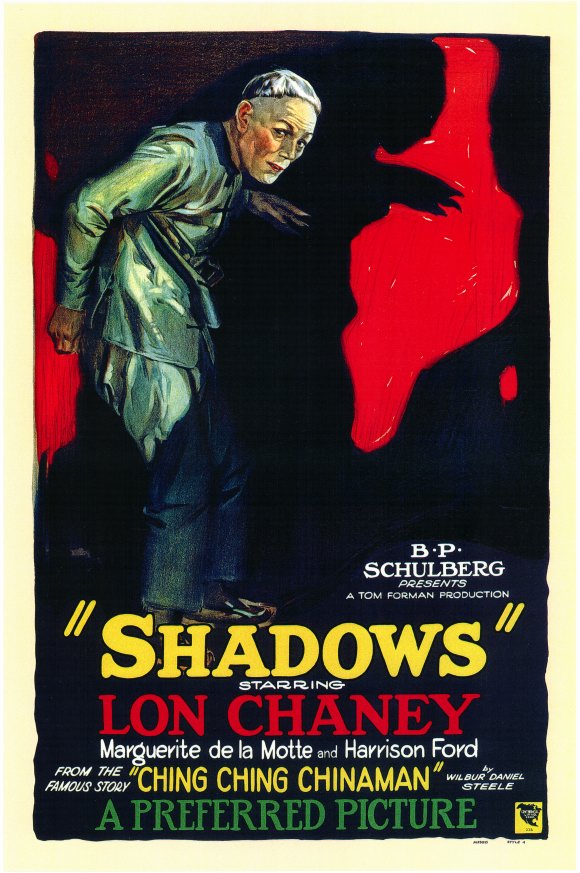
The Silent Scream: Exaggerated Performance as Emotional Conduit
The acting in Expressionist films, often criticized as over-the-top by modern standards, was entirely deliberate. Stripped of dialogue, actors like Conrad Veidt in Caligari or Werner Krauss as the titular doctor, communicated through exaggerated gestures, contorted facial expressions, and stylized physicality. This wasn't realism; it was emotional amplification, a raw, primal scream against a world gone mad. Their bodies became living sculptures of despair, fear, or malevolence, perfectly complementing the distorted sets and stark lighting. This highly theatrical approach, far from alienating audiences, created an intense, almost hypnotic connection. Viewers were invited to interpret, to feel the raw emotion rather than intellectualize it. It’s a mode of performance that resonates with the visceral, often non-traditional, acting styles found in many later films that found their home in cult circuits – performances that prioritize impact and symbolic weight over naturalistic portrayal.
A Whisper of Madness: Narrative Distortion and Subjective Realities
Perhaps the most profound contribution of German Expressionism to the cult psyche lies in its audacious narrative structures and its blurring of subjective and objective realities. These films frequently plunged into the depths of the human mind, exploring dreams, hallucinations, and psychological breakdown with an unflinching gaze. They dared to suggest that what we see might not be real, that the monster might reside within, or that the entire world could be a construct of a disturbed mind. The Cabinet of Dr. Caligari, with its infamous twist ending, is the quintessential example, forcing the audience to question everything they’ve witnessed. Was it a tale of madness unleashed, or the delusion of a madman? This ambiguity, this refusal to provide easy answers, is a powerful draw for cult audiences. They thrive on films that invite re-interpretation, that reward multiple viewings, and that challenge conventional perceptions of reality. Lang's Destiny, too, plays with the boundaries of reality, presenting allegorical tales that feel both fantastical and deeply psychological, exploring themes of love, fate, and death through a series of dreamlike vignettes. Even a film like Die Geächteten (The Outcasts), if it employed Expressionistic techniques to depict the paranoia and irrationality of a mob driven by superstition, would tap into this vein of subjective fear and societal madness. These films didn't just tell stories; they created experiences, forcing viewers to become active participants in deciphering their unsettling logic. This intellectual and emotional engagement, this embrace of the unsettling unknown, is fundamentally what draws an audience to a film, not just once, but again and again, cementing its place in their personal canon of challenging, rewarding cinema.
The Echo in the Void: Expressionism’s Enduring Influence on the Fringe
The direct lineage from German Expressionism to later cinematic movements, particularly those embraced by cult audiences, is undeniable. Its visual grammar and psychological depth seeped into the very foundations of filmmaking. American film noir, with its stark lighting, moral ambiguity, and tormented anti-heroes, owes a profound debt to Expressionist shadows and themes of urban decay. Think of the labyrinthine streets and corrupt souls in films like The Maltese Falcon or The Third Man; the visual echoes are palpable. Horror cinema, naturally, found a fertile ground in Expressionism's deliberate creepiness and psychological penetration. The gothic horror of Universal Studios in the 1930s, from Frankenstein to The Unseen Thread: Why Distortion Still Captivates
The German Expressionist movement, brief as its golden age was, carved out a cinematic language that continues to resonate with audiences who seek something beyond the ordinary. It wasn't about making films that everyone would love, but about creating art that would provoke, challenge, and ultimately, endure for those who understood its peculiar rhythm. The deliberate distortion of sets, the stark interplay of light and shadow, the theatricality of performance, and the psychological depth of its narratives all contributed to a unique viewing experience. These films didn't just depict madness; they invited you to step inside it. They didn't just tell stories of societal decay; they made you feel its suffocating presence. This profound engagement, this willingness to embrace the unsettling and the unconventional, is the very essence of what makes a film a touchstone for a devoted following. It’s the whisper in the dark, the dream that lingers, the feeling that you’ve witnessed something truly singular. That, my friends, is the proto-cult heartbeat, throbbing from the very dawn of cinematic art, a testament to the power of twisted visions to forge an unbreakable bond with those brave enough to look into the shadow.
Community
Comments
Log in to comment.
Loading comments…