
Film History
Before the Censors: Unearthing the Proto-Cult Heartbeat of Pre-Code Cinema's Wild Frontier
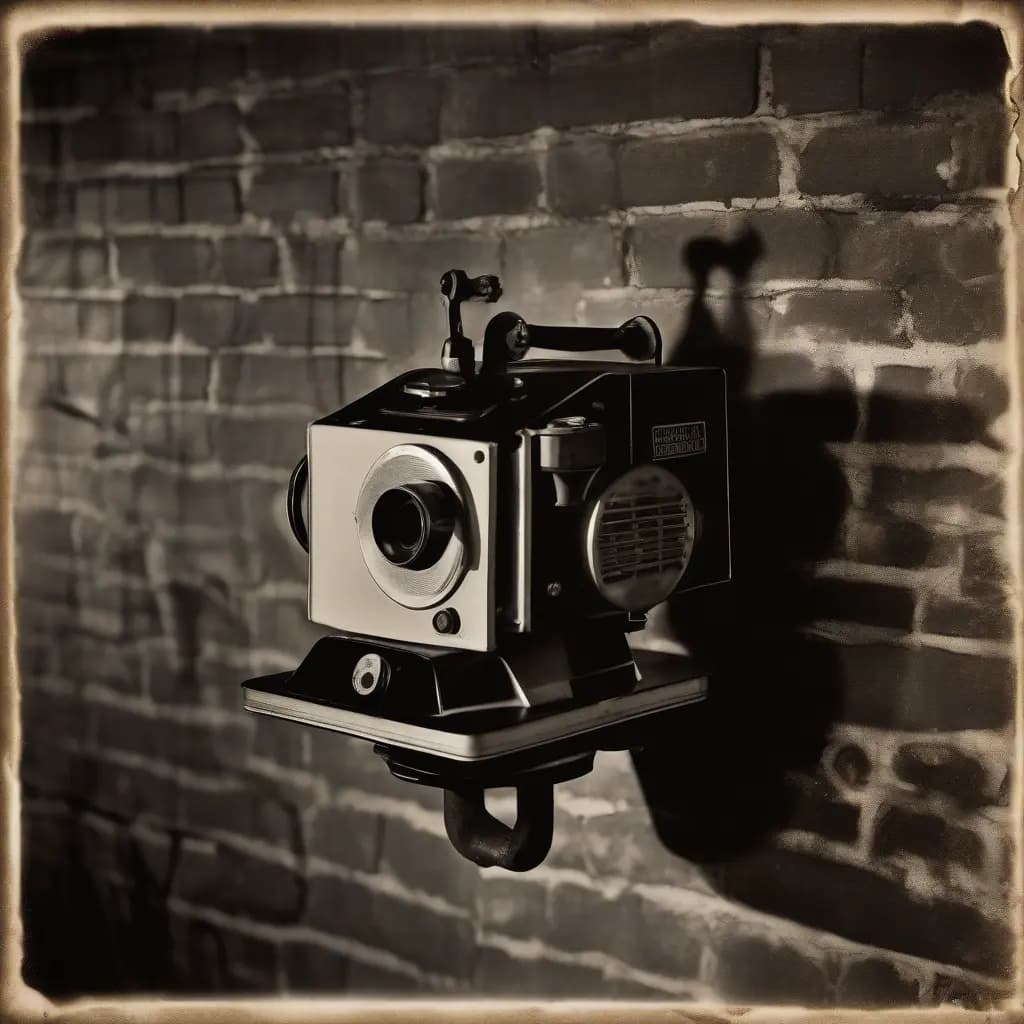
“Long before midnight movies and VHS discoveries, a brief, audacious era of American cinema—the Pre-Code years—forged the very DNA of what we now cherish as cult film. This was a time when moral guardians slept, and filmmakers, unburdened by strict censorship, dared to depict a world brimming with vi…”
To speak of cult cinema often conjures images of sticky midnight screenings, VHS artifacts, or digital dungeons where the obscure and the transgressive find fervent devotees. We think of the 70s grindhouse, the 80s video nasties, or the surrealism of Lynch and Jodorowsky. But what if the true genesis of this counter-cultural cinematic impulse lies far earlier, in a forgotten epoch when American filmmaking was a raw, untamed beast, free from the shackles of institutionalized morality? I'm talking, of course, about the Pre-Code era, that astonishingly brief yet profoundly influential period roughly spanning 1929 to 1934, when the Hays Code existed on paper but was largely unenforced. This was a cinematic Wild West, a fertile proving ground where the seeds of what we now recognize as cult devotion were sown, long before anyone even uttered the term 'cult film'. It was a time of genuine artistic and moral anarchy, where the screen reflected society's underbelly with a shocking candor that would be violently suppressed for decades. Here, in the flickering shadows of early sound, we find the proto-cult heartbeat, a rebellious pulse that still echoes in the most cherished corners of our collective cinematic obsession.
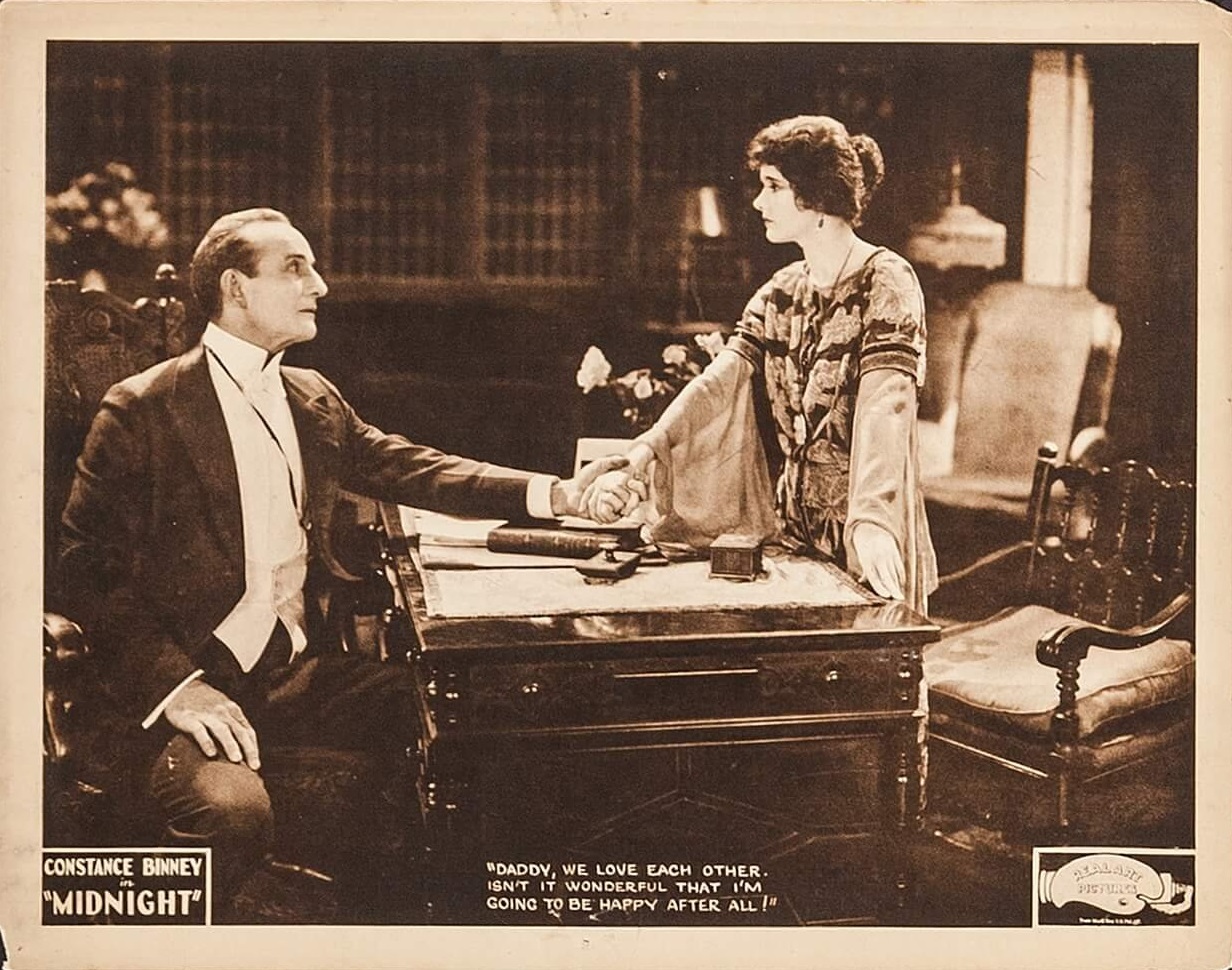
The Unruly Genesis: Cinema Before the Code's Iron Fist
Before the iron fist of the Production Code Administration (PCA) clamped down in 1934, Hollywood operated with a startling lack of self-censorship. The Motion Picture Production Code, drafted in 1930 by Will H. Hays, was initially a toothless tiger, a set of guidelines largely ignored by studios eager to lure audiences with sensationalism during the Great Depression. This vacuum of moral authority birthed a cinema unlike anything seen before or, arguably, since in mainstream American production. Films tackled themes with an adult frankness that would send shockwaves through later, more puritanical eras. Sexuality was overt, violence often brutal, and moral ambiguity reigned supreme. The good rarely won, and the bad often thrived, or at least provided a more entertaining spectacle. This wasn't merely titillation; it was an unfiltered reflection of a society grappling with economic collapse, Prohibition-era decadence, and rapidly shifting social norms.
The earliest forms of this cinematic daring can be traced even further back, into the silent era, where the very act of moving pictures was a marvel, and narrative conventions were still being written. Films like 1916's Snow White might seem innocuous on the surface, a fairy tale for the masses, but even in these foundational narratives, elements of psychological darkness and moral complexity were present. Consider the nascent social commentaries embedded in films like The World and the Woman (1916), which hinted at societal critiques that would explode in the Pre-Code years. These early works, often forgotten or rediscovered by diligent archivists, laid the groundwork for a medium unafraid to explore the darker corners of the human condition. They were, in essence, the first cinematic whispers of rebellion, challenging audiences to confront uncomfortable truths, even if cloaked in melodrama or fantasy. The very novelty of cinema meant there were no established rules, no inherited moral framework to constrain its burgeoning power. This was a true frontier, where every frame was an experiment, and every narrative choice a potential transgression.
Taboo Temples: The Unsanctioned Spectacle of Early American Screens
The content of Pre-Code films was nothing short of astonishing. Characters engaged in promiscuity, adultery, and prostitution without overt moral condemnation. Gangsters were often portrayed as charismatic anti-heroes, and women were depicted as strong, independent, and sexually assertive, often using their wiles to navigate a harsh world. Drug use, a theme that would become heavily censored, found its way onto the screen with a surprising directness. Take, for instance, Cocaine Traffic; or, the Drug Terror (1914), a silent-era film that, despite its cautionary title, speaks to an early fascination with illicit substances and their societal impact. While often framed as moralistic tales, the very depiction of such 'terrors' on screen was inherently sensational, drawing in audiences seeking a glimpse into forbidden worlds.
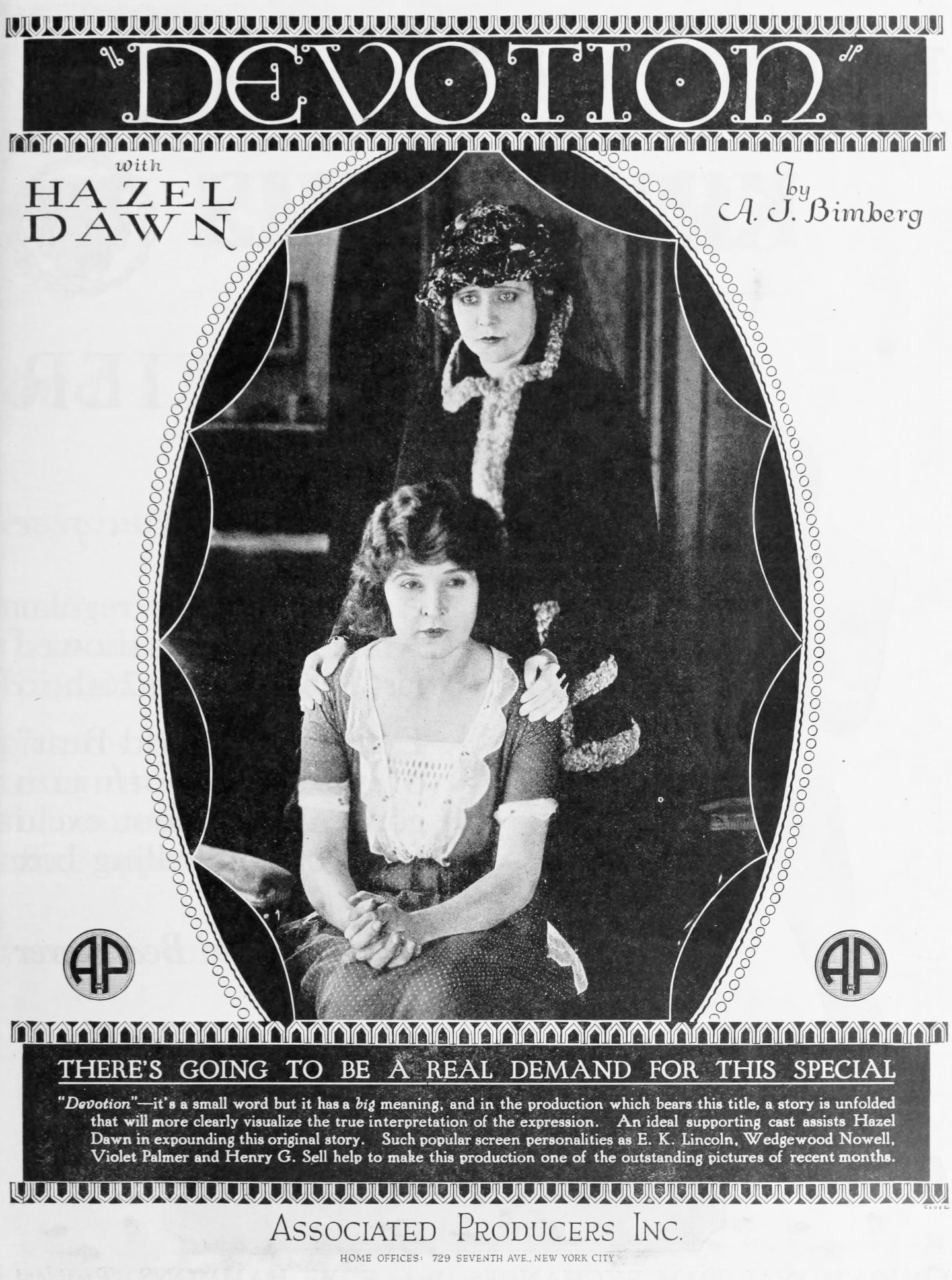
The portrayal of women, in particular, was revolutionary. Actresses like Mae West, Jean Harlow, and Barbara Stanwyck embodied a brazen femininity that challenged patriarchal norms. These were not damsels in distress but women who owned their desires, careers, and sometimes, their criminal enterprises. They dressed provocatively, spoke with suggestive wit, and defied societal expectations with a smirk. Even adaptations of literary works, such as the various early versions of Henrik Ibsen's A Doll's House, found new resonance in this era, as Nora's defiance of her husband's authority mirrored a broader cultural shift towards female autonomy, however nascent.
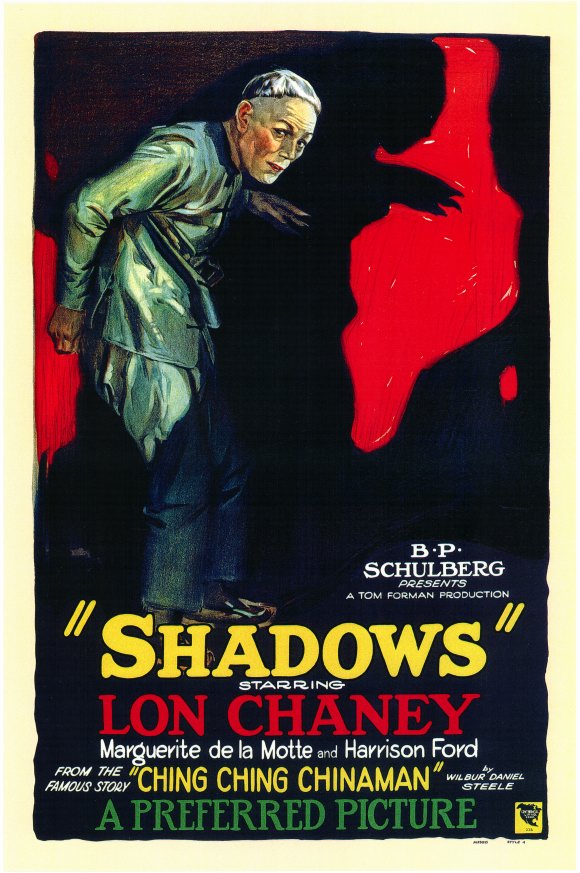
The Pre-Code screen was a mirror, albeit a distorted one, reflecting the anxieties and desires of a nation in flux. It offered a thrilling, often uncomfortable, glimpse into the societal id, unburdened by the superego of censorship. This raw honesty, this willingness to engage with the 'dirty' realities of life, is precisely what makes these films resonate with the cult sensibility: a yearning for the authentic, the unvarnished, the truly provocative.
Violence, too, was often more visceral and less stylized than in later periods. Characters were shot, beaten, and threatened with a stark realism that could be genuinely unsettling. Social issues like poverty, exploitation, and class struggle were depicted with a grittiness that cut through the glamour. Films like The Red Viper (1914), with its focus on a newsboy in New York's East Side and themes of eviction and social injustice, represent an early, unromanticized look at urban struggle. These narratives, often deeply melodramatic, nevertheless presented a world where consequences were harsh and justice was far from guaranteed. The moral universe of Pre-Code cinema was often grey, a landscape where heroes were flawed and villains sometimes sympathetic, a complexity that would be largely eradicated by the Hays Code's black-and-white morality.
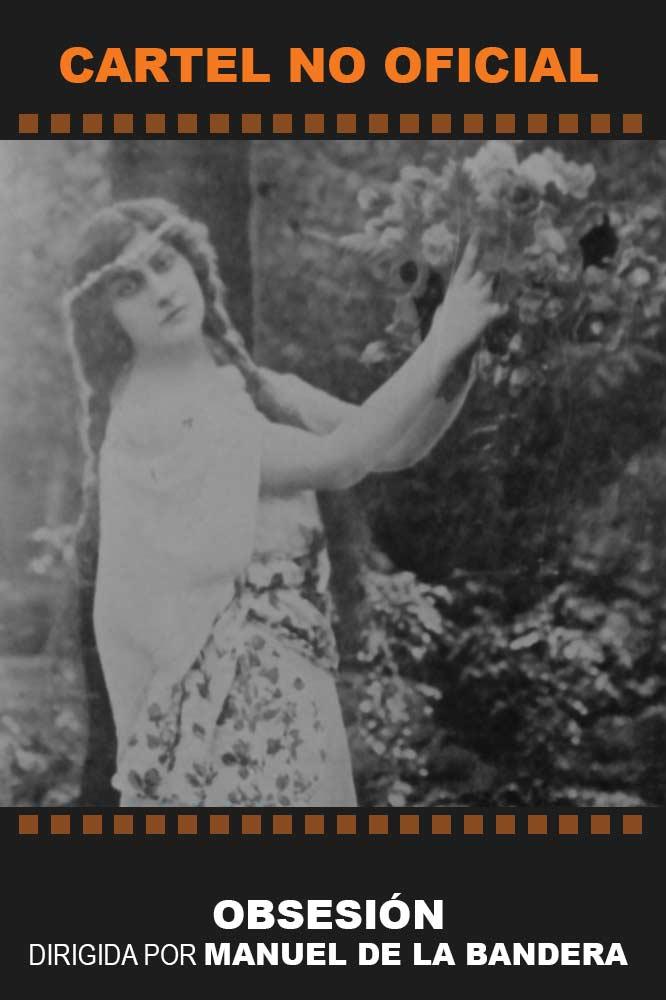
Mavericks and Misfits: Directors Who Dared to Defy
The freedom of the Pre-Code era allowed certain filmmakers and studios to truly push the envelope, fostering a spirit of artistic rebellion that is a hallmark of cult creation. Directors like Tod Browning, with his macabre sensibilities (though his most famous work, 'Freaks', would be released just before the Code's strict enforcement), or the often forgotten but remarkably subversive work of women directors like Lois Weber, who tackled abortion and birth control in her films, exemplify this daring. These were the cinematic outlaws, operating in a largely unregulated territory, crafting narratives that challenged prevailing sensibilities. Weber's The World and the Woman, for instance, delves into spiritualism and societal hypocrisy, reflecting a desire to explore complex, often controversial, philosophical and social terrains.
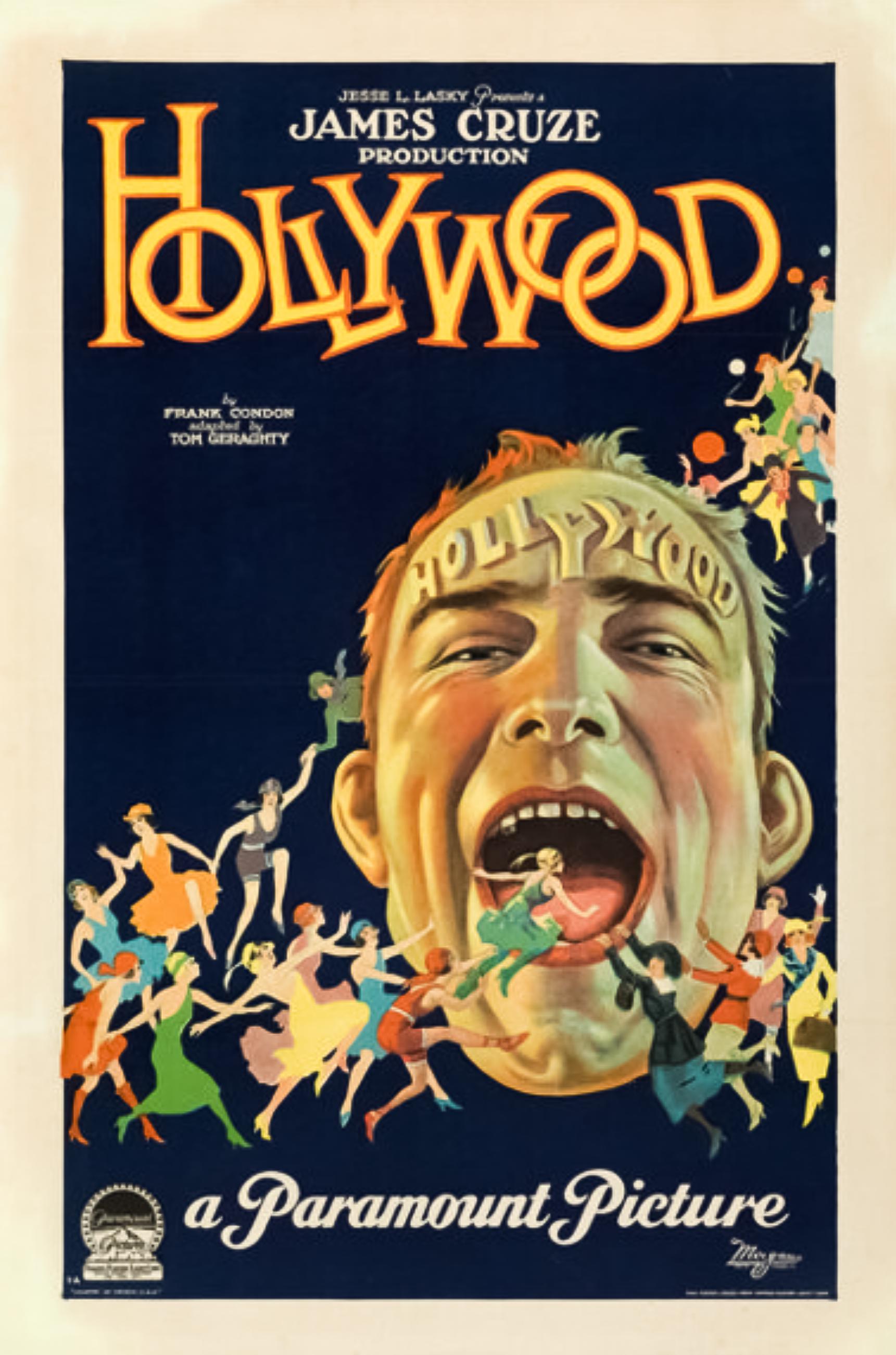
Even within more conventional genres, a maverick spirit prevailed. The early adaptations of classic adventure stories like The Three Musketeers (1921), starring Douglas Fairbanks, showcased a swashbuckling energy and a disregard for stuffy decorum that resonated with audiences seeking escapism and excitement. This wasn't just about heroes; it was about a vibrant, unbridled energy that permeated the entire cinematic landscape. The very act of filmmaking was an adventure, a journey into uncharted territory where the rules were still being written, and innovation was rewarded. This sense of experimentation, of pushing boundaries for the sheer thrill of it, is a foundational element of what would later define cult cinema.
The Foreign Influence and Exploitation's Early Stirrings
Beyond Hollywood, the international film scene also fed into this proto-cult atmosphere. Films like the Danish Enken (The Widow, 1917) or German productions such as Der neueste Stern vom Variété (The Newest Star of the Variety Show, 1917) and Der Weg des Todes (The Way of Death, 1917) explored psychological depths and societal decay with a starkness that often outstripped their American counterparts. These European imports, often played in arthouse circuits or independent theaters, offered alternative visions, further broadening the palette of transgressive cinema available to discerning audiences.
Simultaneously, the nascent exploitation film circuit began to take shape. While not strictly 'Pre-Code Hollywood,' these independent productions often went even further, tackling sensational subjects like venereal disease, drug addiction, and sexual deviance with a pseudo-documentary style designed to shock and 'educate.' Films like Shipwrecked Among Cannibals (1920), though ostensibly a travelogue, often leaned into sensationalized, ethnographic voyeurism, blurring the lines between documentary and manufactured shock. This independent fringe, operating outside the studio system, became another incubator for the kinds of taboo-breaking narratives that would later form the backbone of exploitation and cult genres.
Echoes in the Grindhouse: The Enduring Spirit of Pre-Code Transgression
The abrupt enforcement of the Hays Code in 1934 sent Hollywood scrambling. Scripts were rewritten, scenes were cut, and entire films were shelved or recut beyond recognition. The era of overt sexuality, casual violence, and moral ambiguity was over, replaced by a sanitized, morally unambiguous landscape where crime didn't pay, and marriage was sacrosanct. Yet, the spirit of Pre-Code cinema didn't simply vanish. It went underground. It seeped into the collective consciousness of filmmakers and audiences alike, shaping a desire for the forbidden, the unsanctioned, the 'real.'
This suppressed energy resurfaced decades later in various forms of counter-cinema. The grindhouse films of the 60s and 70s, the exploitation flicks, the midnight movies—all inherited the Pre-Code's willingness to shock, provoke, and ignore conventional morality. Filmmakers like John Waters, Russ Meyer, and even early David Lynch, whether consciously or not, tapped into that original rebellious current. They understood the allure of transgression, the power of showing what society deemed unshowable. The casual cruelty, the explicit sexuality, the anti-establishment sentiment that defined so many Pre-Code films found new, often more extreme, expressions in these later works.
Even the visual aesthetics, the bold lighting, the dramatic compositions, the claustrophobic sets of some Pre-Code dramas, echo in the stylization of later cult classics. Think of the shadowy depths of Der Weg des Todes or the stark realism of All for Money (1918), a German film starring Emil Jannings as a crude butcher made rich by WWI. Its unflinching look at class and the corrupting nature of wealth carries a visual and thematic weight that would find its way into the gritty realism of film noir and the cynical portrayals of power in later exploitation fare.
The Allure of the Forbidden: Why These Proto-Cults Still Resonate
Today, rediscovering Pre-Code cinema feels like unearthing a secret history. These films, once dismissed as mere curiosities or censored into oblivion, now stand as powerful artifacts of a bygone era, offering a startlingly modern perspective on human nature. They resonate with cult audiences because they embody the very essence of what draws us to the fringe: authenticity, rebellion, and a refusal to conform.
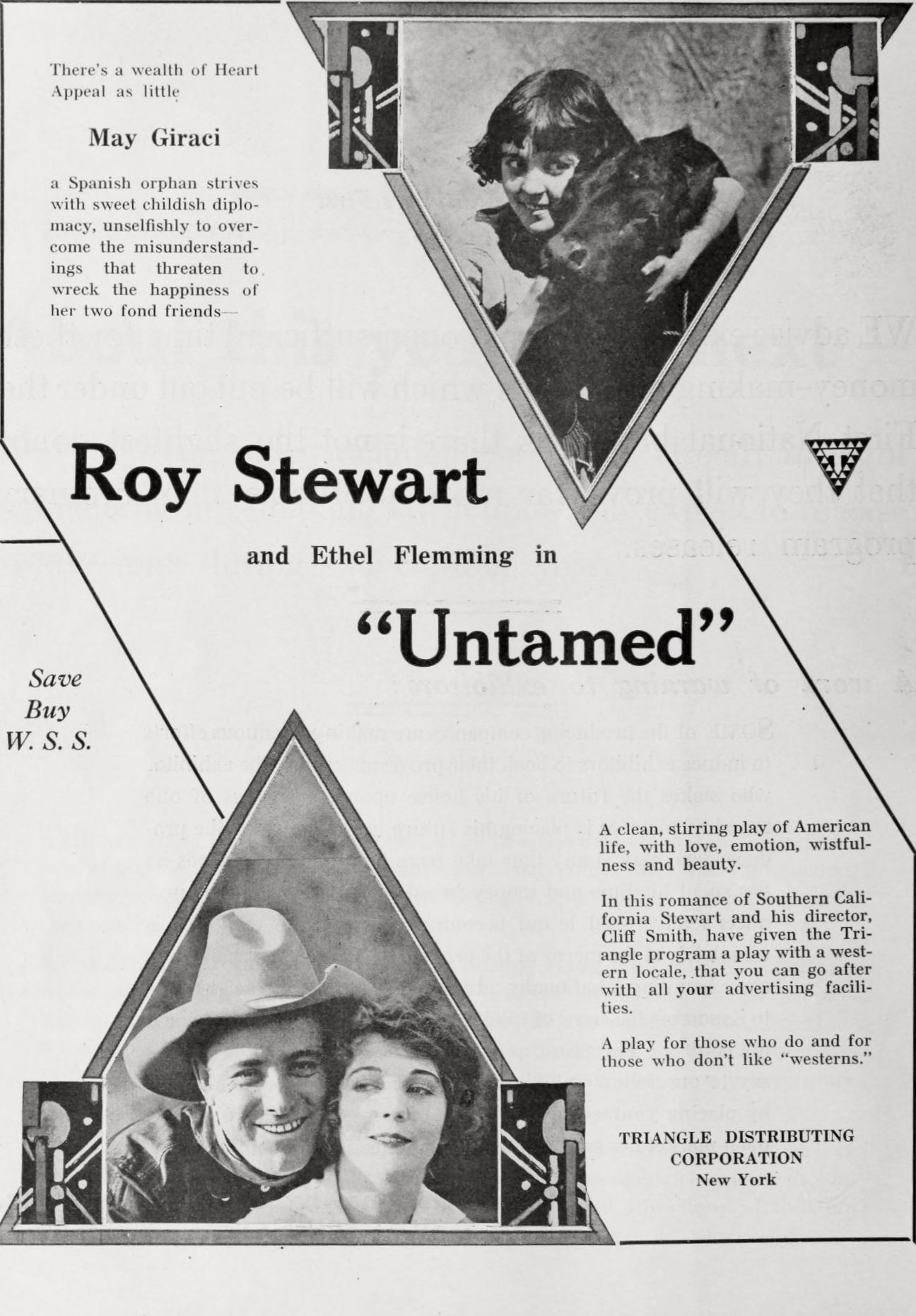
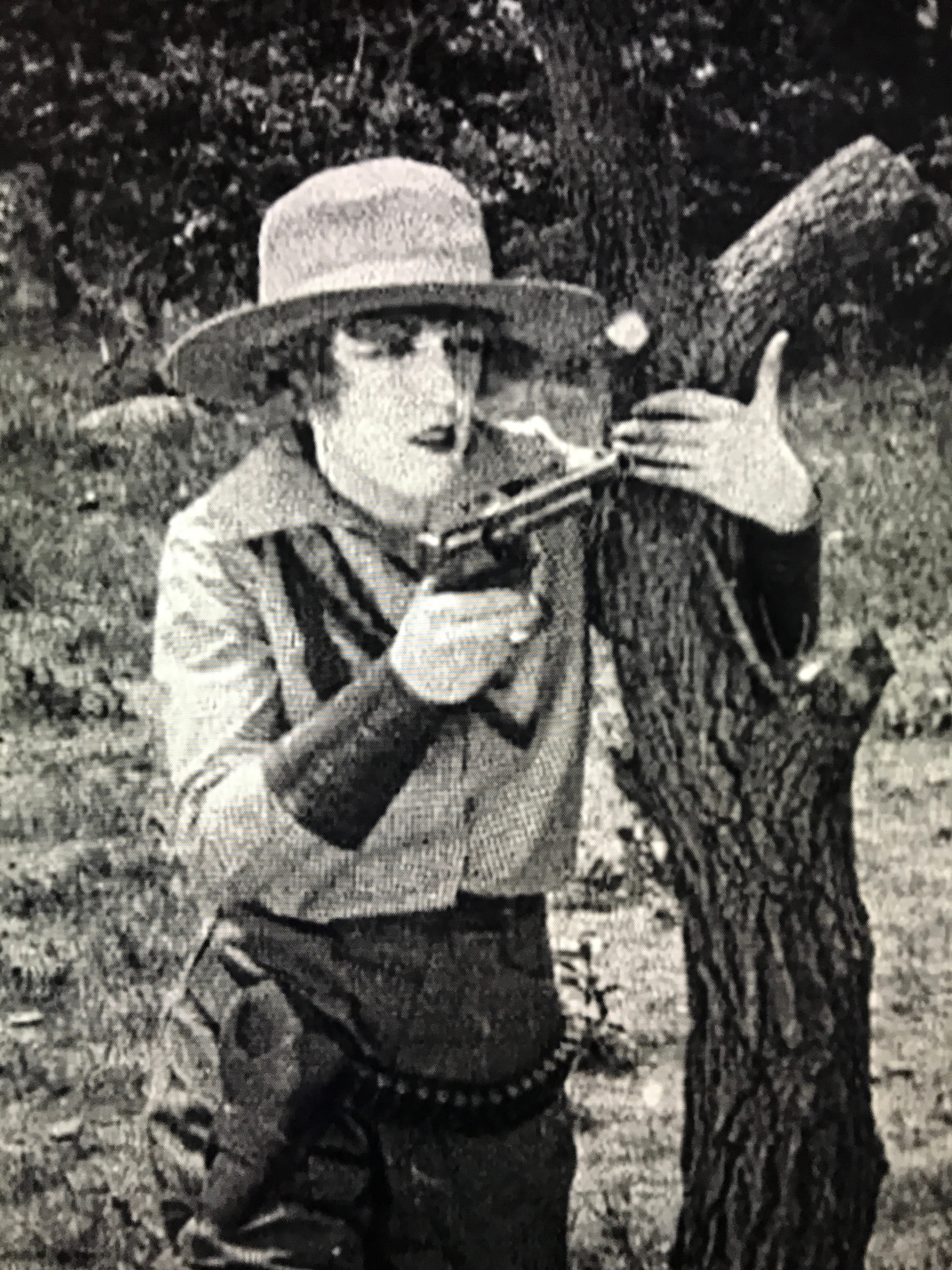
The themes explored—gender fluidity, as hinted at in films like Muggsy (1919) where a girl adopts a boy's persona, or the psychological torment in A Guilty Conscience (1921)—feel remarkably contemporary. They speak to universal struggles and societal pressures that transcend their historical context. The joy of encountering a Pre-Code film is the realization that cinematic transgression isn't a recent phenomenon; it's woven into the very fabric of the medium's origins.
For the true cult aficionado, Pre-Code cinema offers a rich vein of discovery. It's a chance to see the raw, unpolished beginnings of cinematic rebellion, to witness the birth of narratives that dared to challenge, provoke, and entertain on their own terms. It's a reminder that the desire for films that exist outside the mainstream, that speak to a deeper, often darker truth, is not a modern fad but a fundamental human craving. These films are not just historical documents; they are living, breathing testaments to cinema's enduring power to push boundaries and capture the wild, untamed spirit of an era. They are the original outsiders, the first cinematic misfits, and their heartbeat still pulses strong beneath the surface of every truly subversive film that follows.
So, next time you dive into a midnight movie marathon, spare a thought for the forgotten pioneers of the Pre-Code era. Their audacious visions, their willingness to confront taboos, and their sheer, unadulterated cinematic nerve laid the foundation for the very culture of appreciation we now call cult cinema. They were the first to understand that sometimes, the most profound cinematic experiences are found not in the polished mainstream, but in the glorious, untamed frontier beyond the censors' reach.
Community
Comments
Log in to comment.
Loading comments…