
Cult Cinema
The Spectral Congregation: Unearthing the Enduring Power of Cult Cinema's Maverick Visions
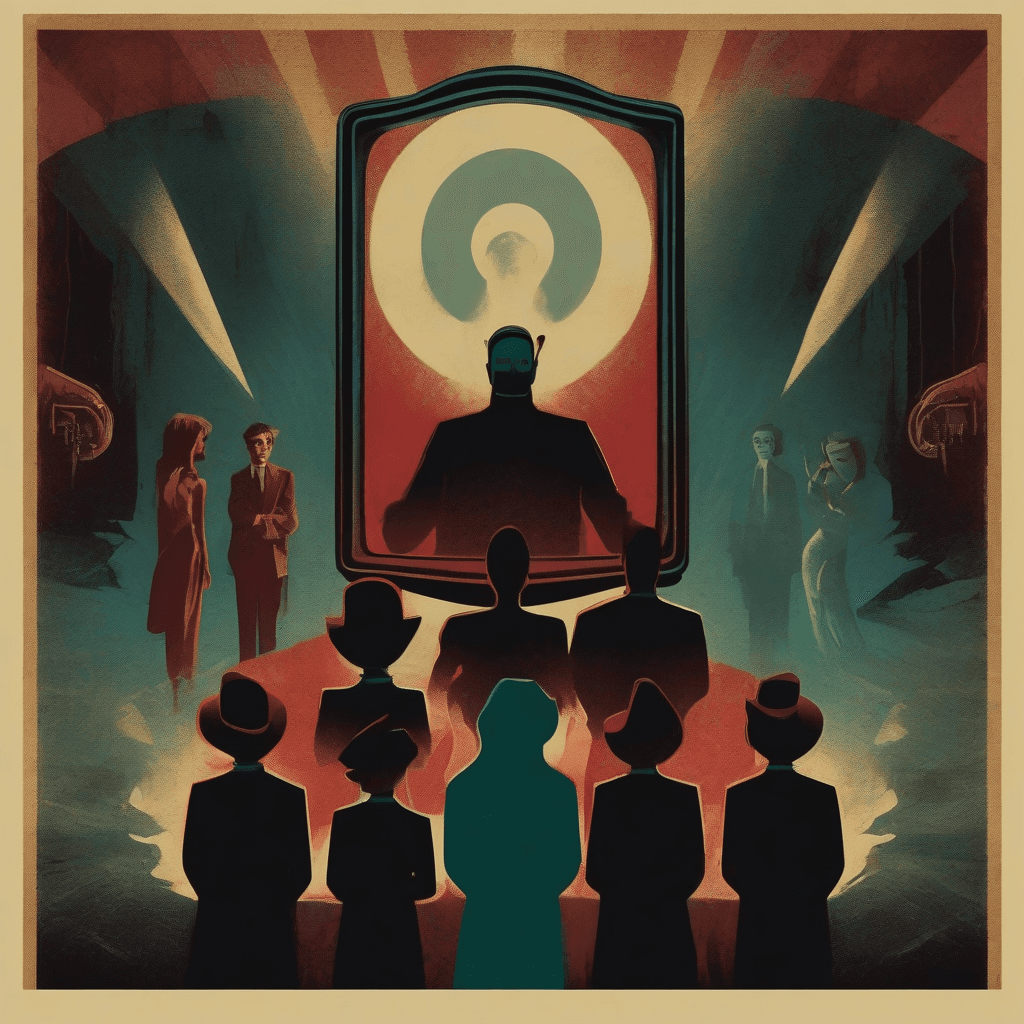
“Cult cinema thrives in the shadows, a vibrant counter-culture where unconventional narratives and maverick visions forge deep, enduring connections with devoted audiences. This article delves into the enigmatic allure and historical roots of these cinematic outcasts, exploring how they transform fro…”
In the vast, glittering expanse of cinematic history, certain films defy easy categorization. They are not always critical darlings or box-office behemoths, yet they command a fervent, almost religious devotion from their audiences. These are the cult films, the cinematic outcasts and maverick visions that form a spectral congregation, drawing together disparate souls under the banner of shared, unconventional obsession. Far from being mere niche curiosities, cult cinema represents a profound cultural phenomenon, a testament to the power of stories that challenge, provoke, and resonate on a deeply personal level, often finding their true voice years, even decades, after their initial release.

The term 'cult film' itself evokes an image of midnight screenings, whispered lines, and elaborate rituals of fandom. It's a space where the rejected become revered, where technical imperfections are embraced as artistic quirks, and where narratives that once baffled critics now serve as foundational texts for a loyal following. But what is it about these films – from the silent era's strange dramas to modern genre-benders – that grants them such an enduring, magnetic pull? It is a complex alchemy of artistic rebellion, audience participation, and a timeless quest for meaning beyond the mainstream.

The Genesis of the Unconventional: Proto-Cult Echoes in Early Cinema
To truly understand the enduring power of cult cinema, we must journey back to its embryonic stages, long before the term was even coined. The early decades of film, particularly the silent era, were a wild west of narrative experimentation and visual innovation. Directors and studios were still defining the language of cinema, often resulting in films that, by today’s standards, feel wonderfully strange, morally ambiguous, or stylistically audacious. These early cinematic efforts, though not explicitly 'cult films' at the time, laid crucial groundwork, containing the genetic code for future obsessions.
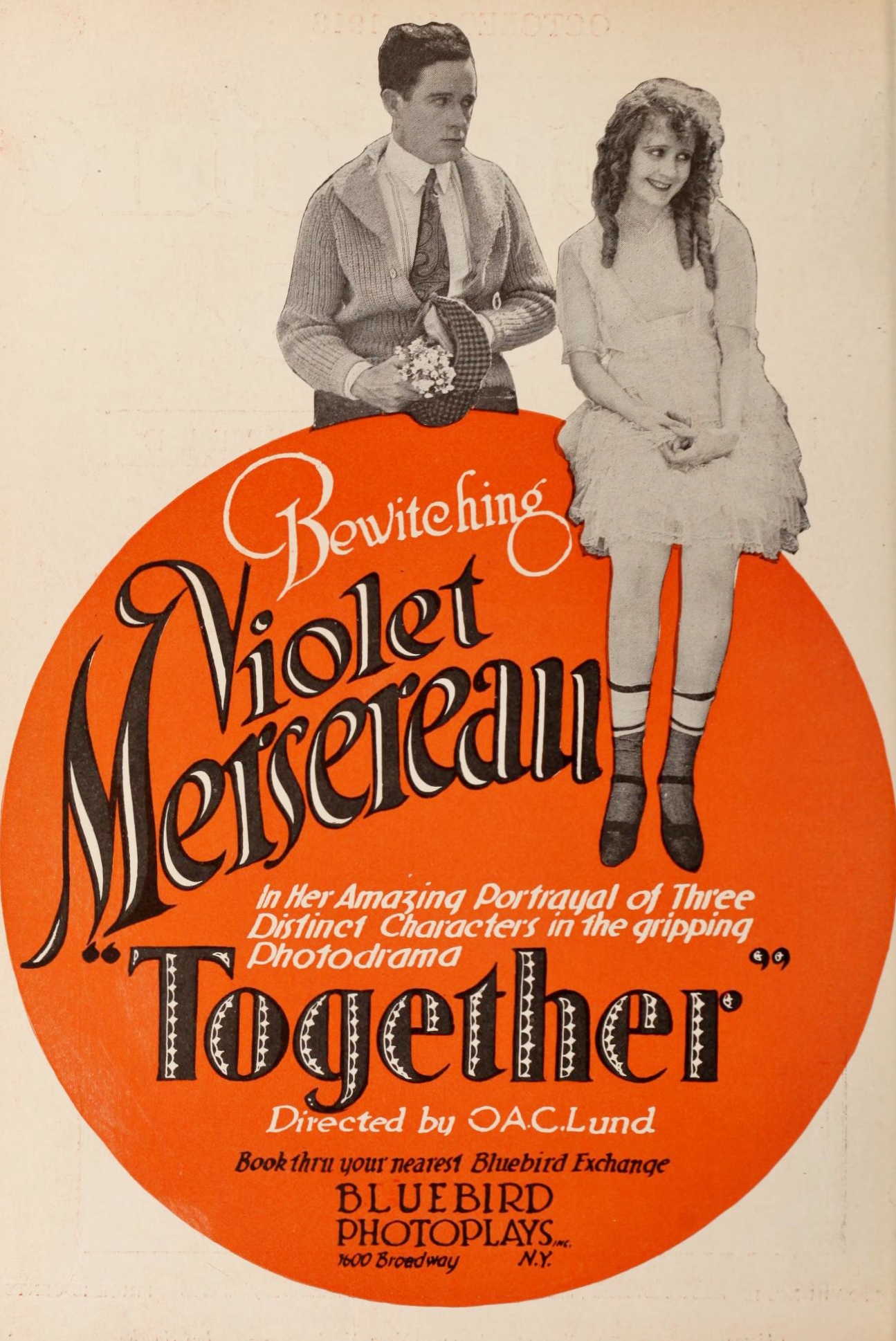
Consider the melodramas and psychological dramas of the 1910s and 20s. Films like Umirayushchiy lebed (The Dying Swan) from 1917, with its intense focus on a grief-stricken ballerina and an unhinged artist, delves into themes of obsession, madness, and artistic suffering. While perhaps not a 'midnight movie' in its day, its exploration of extreme psychological states and dark romanticism prefigures the kind of intense character studies and emotional extremism often found in later cult favorites. Similarly, The Hunchback and the Dancer (1920) presents a narrative centered on an outcast seeking love and acceptance, a theme that resonates deeply with audiences who often feel marginalized. These portrayals of societal outsiders and complex emotional landscapes provided an early blueprint for the empathetic connection many cult films foster with their audiences.

Even seemingly straightforward genre pieces of the era harbored subversive elements. Westerns like The Jack Rider (1917) and Sure Fire (1921) might have adhered to genre conventions, but their dramatic conflicts, themes of justice, and portrayals of rugged individualism contributed to a rich tapestry of storytelling that, when pushed to extremes, could easily morph into the heightened reality and iconic imagery prized by cult followings. The struggle of an outsider proving his worth or reclaiming his legacy, as seen in these films, taps into universal desires for validation and rebellion.
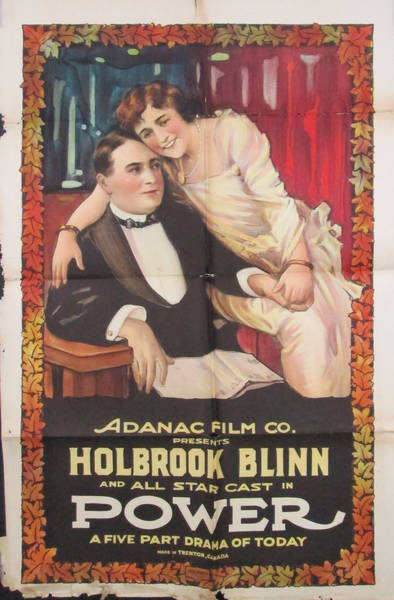
The Allure of the Anomalous: When Films Defy Easy Labels
A core characteristic of cult cinema is its refusal to fit neatly into established boxes. These are films that often blend genres, experiment with narrative structure, or simply possess a unique, unmistakable voice. From the earliest days, films that deviated from the norm, whether intentionally or not, began to carve out their own space.

Horror and mystery genres, even in their nascent forms, proved fertile ground for such anomalies. The Hound of the Baskervilles (1921), for instance, with its gothic atmosphere, supernatural menace, and detective intrigue, combines elements that would later become staples of cult horror and mystery. The suspense, the unsettling visuals, and the exploration of ancient curses create an immersive experience that begs for repeat viewing and deep analysis. Fast forward to the 1940s with The Wolf Man, a classic horror film that, while successful, also developed a devoted following for its tragic monster, atmospheric dread, and themes of inner struggle, proving that even mainstream genre films can harbor a cult sensibility.

Beyond genre, films that tackle complex moral dilemmas or explore the darker facets of human nature often find their way into the cult canon. Early dramas like Hypocrisy (1917) or The Woman Beneath (1917), which might have explored societal pressures, moral compromises, or hidden truths, offered audiences a glimpse into narratives that challenged conventional morality. This transgressive spirit, the willingness to delve into uncomfortable or taboo subjects, is a hallmark of many films that later achieve cult status. It’s about pushing boundaries, questioning norms, and presenting a vision of the world that is often unsettlingly honest or wonderfully absurd.

The Power of the Overlooked: From Flop to Fandom
Many legendary cult films began their lives as commercial failures or were simply ignored by mainstream critics. Their journey from obscurity to adoration is often a slow burn, fueled by word-of-mouth and the passionate advocacy of a dedicated few. This inverse relationship with initial success is a defining characteristic of the cult phenomenon. It suggests that these films don't cater to the lowest common denominator; instead, they seek out a specific, often discerning, audience.

Think of films that, despite their ambition or unique vision, struggled to find an audience upon release. While the early silent films like A Woman's Fight (1917) or Charity (1916) may not be celebrated cult films today, their very existence speaks to a period of prolific, often uneven, cinematic output where countless stories vied for attention. Within this vast ocean, it’s easy to imagine certain films, perhaps due to their eccentricities or challenging themes, failing to connect broadly but captivating a smaller, more dedicated segment of viewers. This historical precedent for films existing on the fringe is crucial.
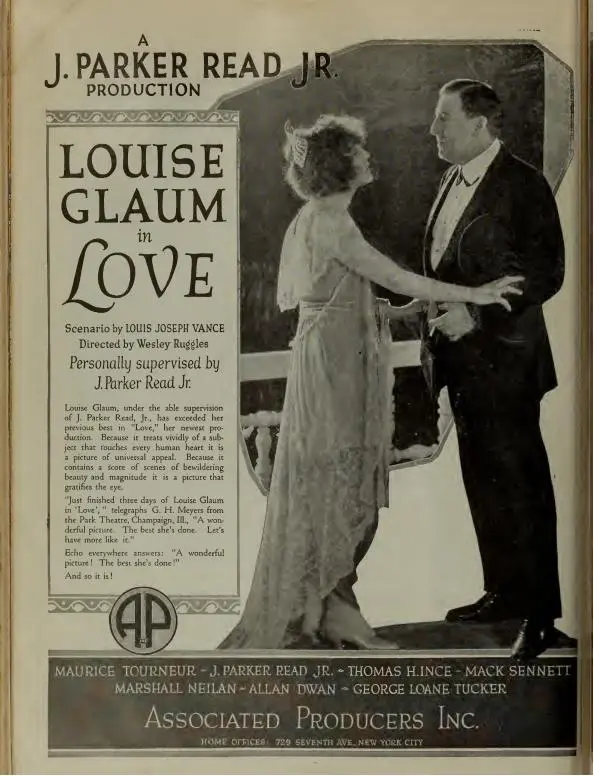
The 'midnight movie' circuit, which truly blossomed in the 1970s, provided a crucial incubator for these cinematic outcasts. It was in these late-night, often dilapidated theaters that films like El Topo, Eraserhead, and The Rocky Horror Picture Show found their true homes. Here, audiences were not merely spectators but participants, transforming the viewing experience into a communal ritual. This ritualistic aspect, the shared experience of decoding arcane narratives or celebrating outrageous performances, is what cements a film's cult status. It’s a testament to the fact that some films aren't meant for broad daylight, but for the intimate, often subversive, embrace of the dark.
The Audience as Acolytes: Forging Fandom and Community
Perhaps the most vital ingredient in the cult cinema recipe is the audience itself. Unlike mainstream blockbusters, which aim for universal appeal, cult films thrive on a deeply personal, often idiosyncratic connection with their viewers. This connection often blossoms into a vibrant, communal fandom. Fans don't just watch cult films; they inhabit them, absorb them, and integrate them into their identities.
This phenomenon of deep engagement can be seen even in the earliest days of cinema, albeit without the modern infrastructure for fandom. Imagine the impact of a visually striking or emotionally intense film like The Arrival from the Darkness (1921), a fantasy horror piece, on an early 20th-century audience. Its exploration of ancient secrets and a mysterious book could have sparked fervent discussion and repeat viewings among those intrigued by its unique blend of the fantastical and the terrifying. The absence of widespread critical discourse might have even allowed these films to be appreciated purely on their own terms by those who 'got' them.
Modern cult fandom manifests in countless ways: elaborate cosplay, quoting dialogue verbatim, creating fan art, writing fan fiction, and organizing conventions. It's a testament to the power of these unconventional narratives to inspire creativity and foster belonging. When a film resonates so deeply that it transcends its original purpose as entertainment, becoming a shared language or a cultural touchstone for a specific group, it has achieved true cult status. This is the cinematic hypnosis that casts an unbreakable spell, transforming viewers into devoted disciples.
Maverick Auteurs and Their Undying Visions
Behind many cult films stands a maverick filmmaker, an auteur whose singular vision is often too idiosyncratic, too provocative, or too ahead of its time for mainstream acceptance. These directors, unafraid to defy convention, craft cinematic experiences that are intensely personal yet resonate universally with those on the fringe.
The history of cinema is replete with such figures, from early innovators to modern provocateurs. Even in the relatively constrained environment of early filmmaking, some directors pushed boundaries. The ambition evident in films like Anniversary of the Revolution (1918), a documentary chronicling a pivotal historical event, or Under Four Flags (1918), a documentary of Allied efforts in WWI, suggests a desire to capture and interpret reality in a compelling, perhaps even propagandistic, way. While not cult films themselves, they exemplify the desire of filmmakers to use the medium for more than just simple entertainment, to convey powerful messages or unique perspectives.
Later, directors like David Lynch, John Waters, Alejandro Jodorowsky, and George A. Romero would become synonymous with cult cinema, their works challenging narrative conventions, societal norms, and aesthetic expectations. They create worlds that are often disturbing, surreal, or darkly humorous, but always undeniably their own. Their uncompromising artistic integrity, even in the face of commercial failure, is what endears them to cult audiences. They offer an alternative to the homogenized, focus-grouped products of Hollywood, providing a much-needed outlet for transgressive storytelling and unfiltered artistic expression.
The Enduring Legacy: Why Cult Cinema Continues to Thrive
The appeal of cult cinema is not a fleeting trend; it’s an enduring aspect of film culture that continues to evolve and expand. In an increasingly fragmented media landscape, the search for authentic, resonant experiences becomes even more pronounced. Cult films offer precisely that: a genuine, often raw, connection to art that dares to be different.
The themes explored in cult films are often timeless – alienation, rebellion, identity, the search for meaning, the grotesque, the beautiful, and the bizarre. Whether it's the exploration of moral hypocrisy in early dramas, the tragic struggle of a monster, or the surreal journey into an unknown realm, these narratives tap into primal human experiences and anxieties. Films like Madame Jealousy (1918) or Dämon und Mensch (1915), with their explorations of human flaws and societal struggles, highlight that the core elements of dramatic conflict and psychological depth have been present in cinema from its very inception, providing a rich vein for future cult explorations.
In conclusion, cult cinema is far more than a collection of quirky movies; it is a vital counter-narrative to mainstream filmmaking, a celebration of the unconventional, and a testament to the power of a film to transcend its original context and forge an enduring legacy. From the silent era's nascent experiments with drama and genre to today's boundary-pushing independent features, the spirit of the cult film has always been about finding your tribe, embracing the strange, and celebrating the power of a story that refuses to be ignored. The spectral congregation of cult film enthusiasts will continue to gather, seeking out those cinematic outcasts that speak directly to their souls, ensuring that the maverick visions of cinema will forever find their devoted disciples.
Community
Comments
Log in to comment.
Loading comments…