
Cult Cinema
The Spectral Syllabus: Decoding the Genetic Rebellion and Maverick Rhythms of Early Cinema’s Most Daring Outliers
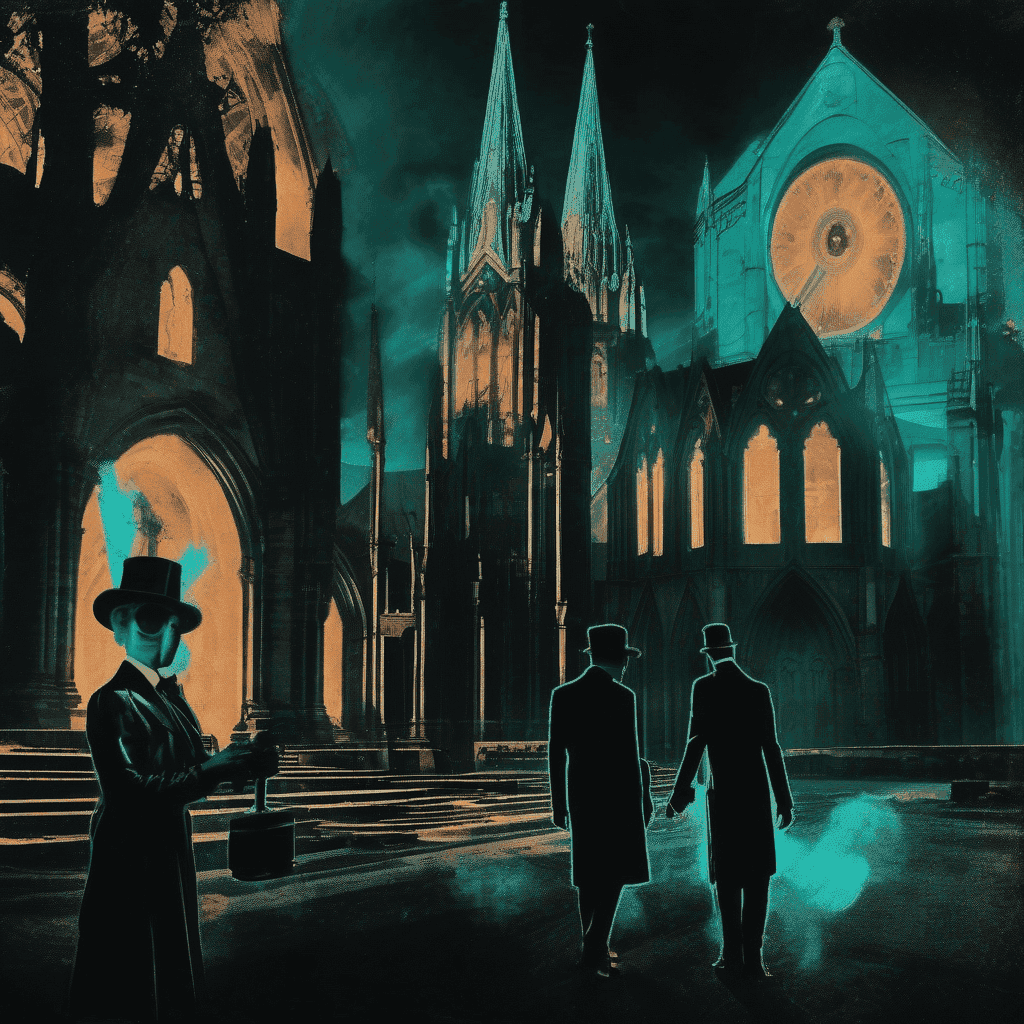
“An in-depth exploration of how early silent era transgressions and genre mutations established the fundamental DNA of modern cult cinema fandom.”
Cult cinema is rarely a product of a single moment; rather, it is a slow-burning ritual, an accumulation of shadows and subversions that defy the antiseptic polish of the mainstream. To understand the modern midnight movie, one must look back to the era of flickering nitrate and hand-cranked cameras, where the first seeds of narrative anarchy were sown. These early films, often dismissed as mere curiosities or lost relics, actually contain the genetic blueprints for everything we now worship in the fringe. From the gothic dread of early German expressionism to the frantic, almost nihilistic energy of early American slapstick, the foundations of the cult aesthetic were built on the backs of misfits, outlaws, and visual poets who refused to play by the rules of polite society.
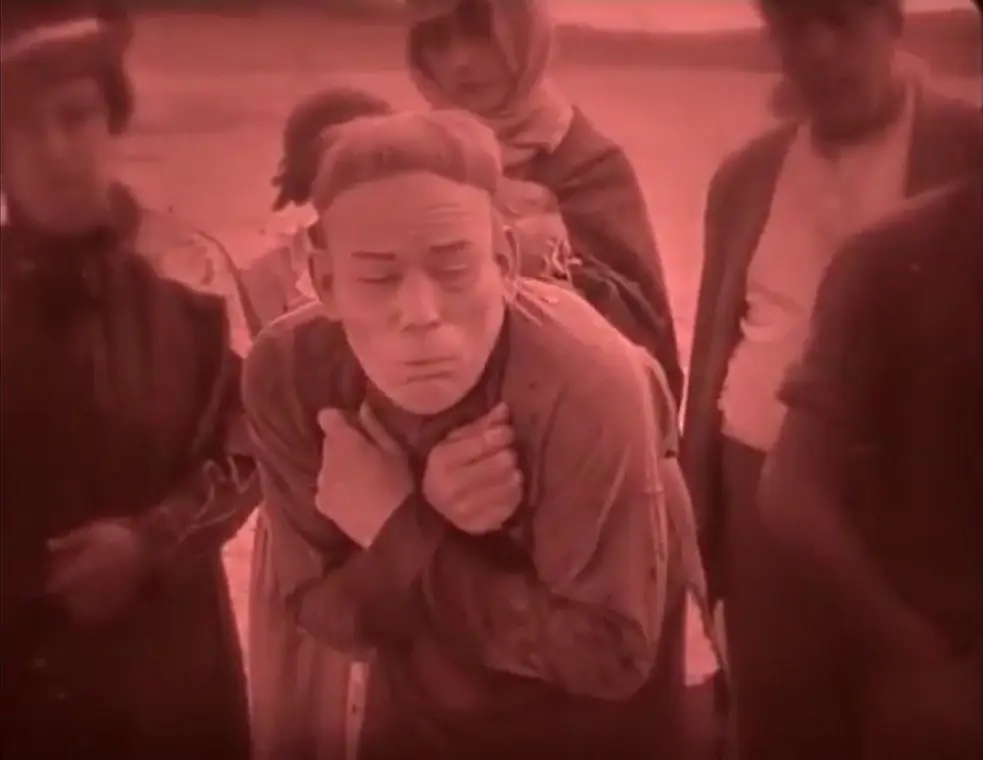
The Occult and the Uncanny: Forging the Gothic Soul
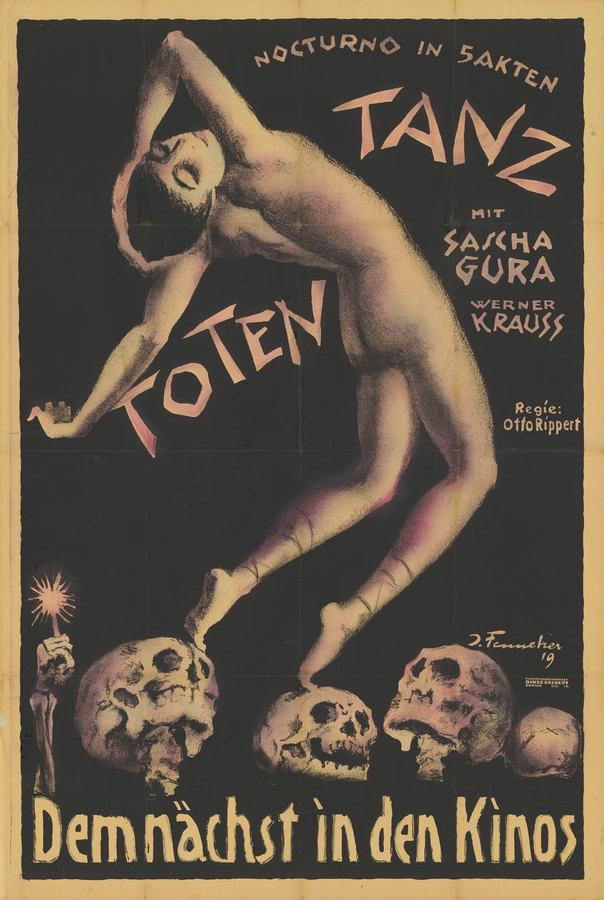
One of the most potent ingredients in the cult cauldron is the embrace of the supernatural and the macabre. Long before the slasher boom of the 1970s, films like Eerie Tales (1919) were already experimenting with the anthology format, blending gothic short stories with a sense of existential dread. In this landmark piece of early horror, a demon, a reaper, and the ghost of a prostitute act out tales of the macabre, effectively creating a prototype for the transgressive storytelling that would later define the works of directors like Mario Bava or Alejandro Jodorowsky. This fascination with the 'other side' is further echoed in the lost mystique of The Dance of Death (1919), where sexual allure and mortality are intertwined in a way that feels shockingly modern.
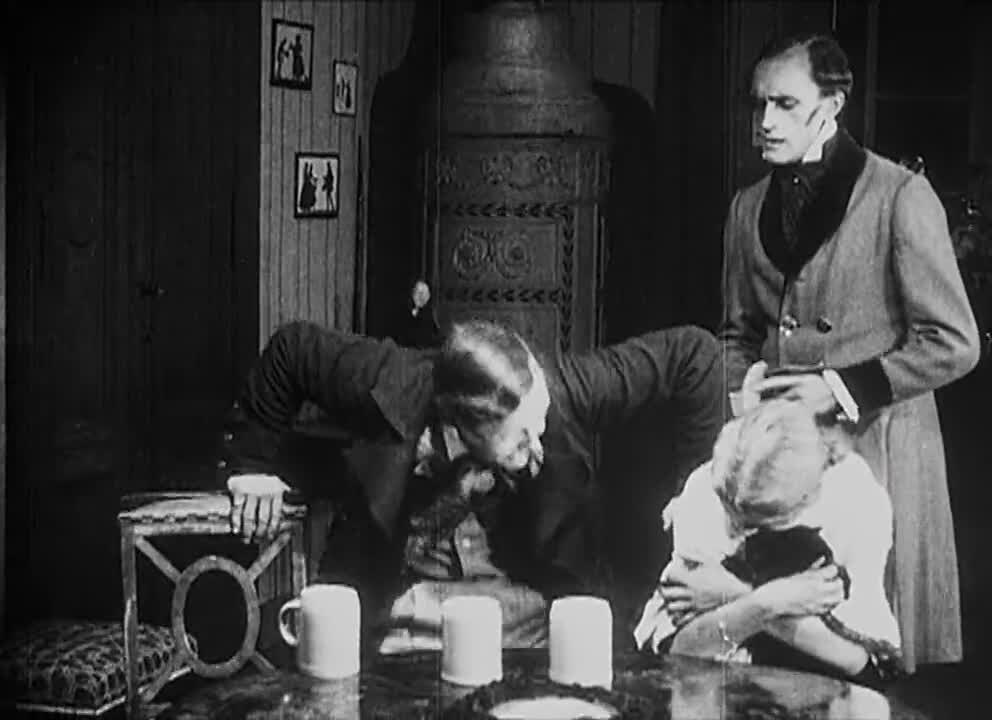
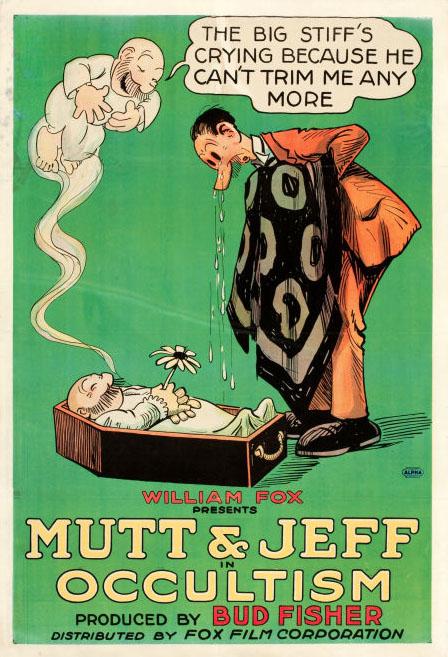
The cult of the occult was not merely about scares; it was about exploring the forbidden. The film Occultism and the treasure-hunting paranoia of The Ghost Breaker tapped into a primal human desire to peek behind the veil. These films provided a sanctuary for the weird, a place where the logic of the waking world was replaced by the dream-logic of the subconscious. When we look at the Aragon family treasure in The Ghost Breaker, we see the precursor to the MacGuffins of later noir and psychological thrillers—objects of desire that lead characters into a labyrinth of their own making.
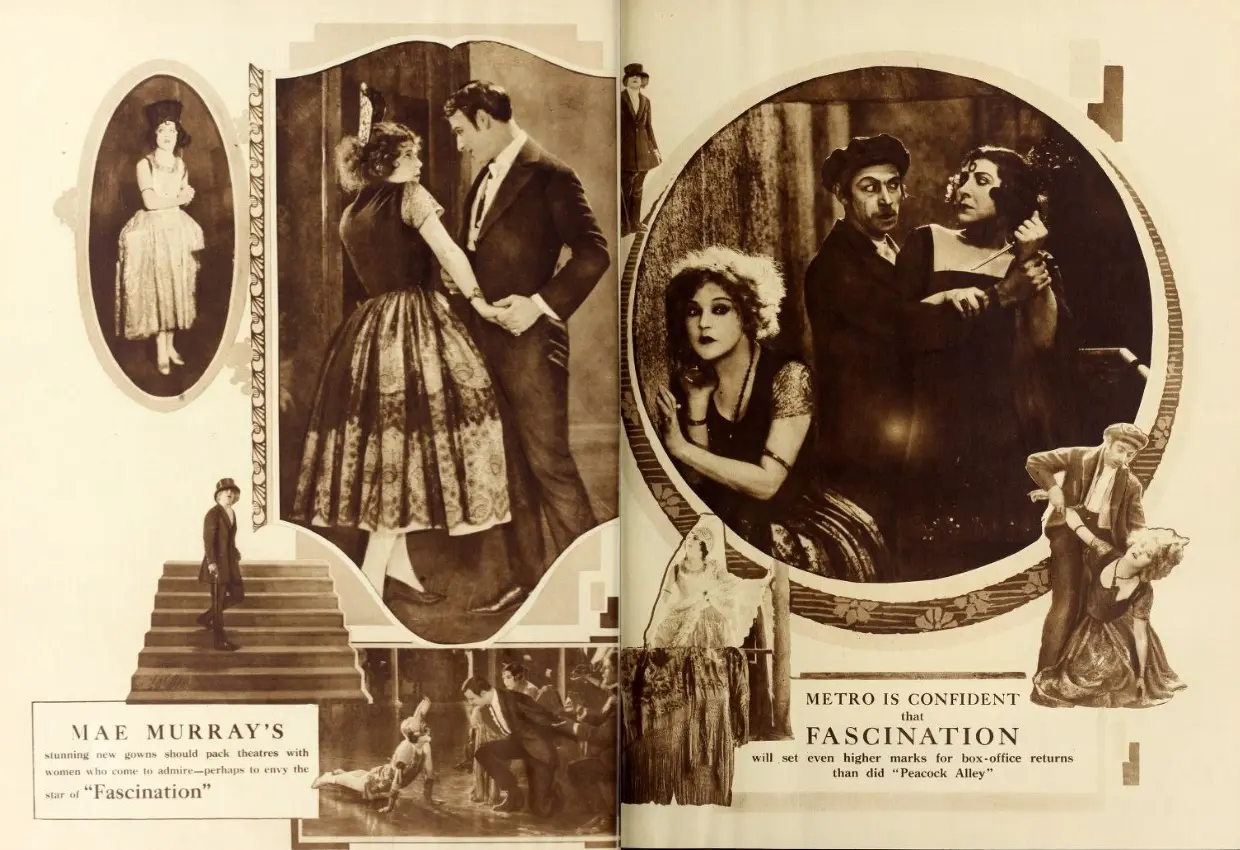
Societal Defiance and the Gendered Rebellion
Cult cinema has always been a refuge for those who feel out of step with the status quo. In the early 20th century, this often manifested as a playful yet pointed subversion of gender roles and societal expectations. Consider A World Without Men (1914), a film where three sisters vow eternal celibacy and one even seeks a position as a 'waiter' to prove her independence. This kind of gender-bending and anti-patriarchal sentiment is a direct ancestor to the queer cinema and feminist subversions that would become staples of the midnight movie circuit decades later. These films weren't just comedies; they were manifestos of independence wrapped in the guise of entertainment.
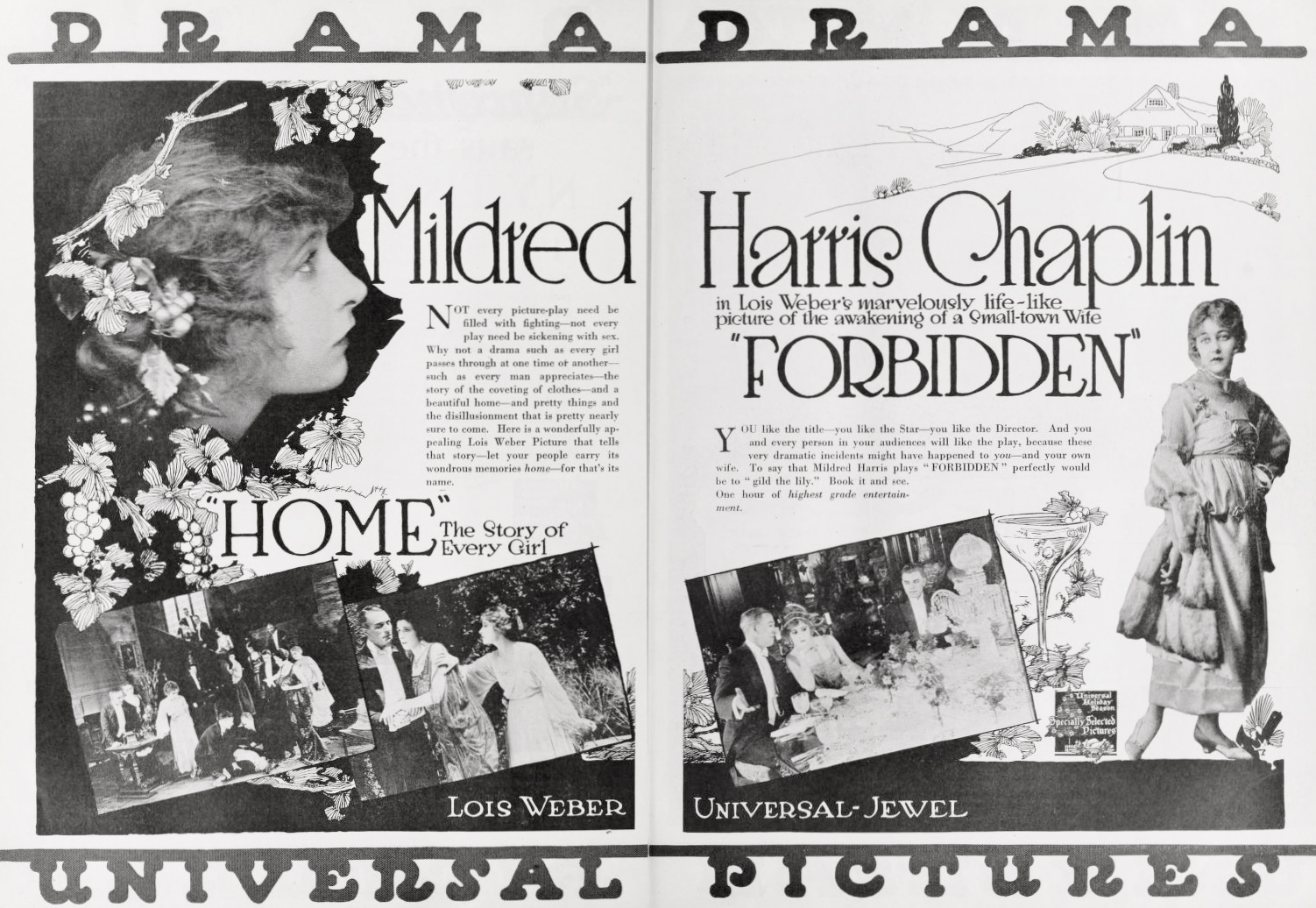
Similarly, The Girl with the Jazz Heart (1920) presents a protagonist fleeing a pious, forced marriage to seek life in the urban sprawl of New York. This narrative of escape—of leaving behind the suffocating morality of the small town for the neon-lit chaos of the city—is a recurring theme in cult iconography. Whether it is the 'jazz heart' of Miriam Smith or the rebellious streak of Dolores Jardine in A Daughter of the Old South, these characters represent a break from tradition that resonates with any audience member who has ever felt like an outsider in their own home. The struggle for autonomy in Alma de sacrificio and The Slave highlights the darker side of this rebellion, showing the high cost of defying the 'wealthy men' who seek to control the destinies of these early cinematic icons.
The Anti-Hero and the Criminal Underground
If the mainstream hero is a beacon of virtue, the cult hero is often a creature of the shadows. The early silent era was obsessed with the figure of the sophisticated criminal, the 'phantom' who moves through high society with a hidden agenda. The Phantom (featuring 'Phantom' Farrell) and As a Man Sows (featuring the desperate Hugo Gaspard) introduced audiences to the concept of the charismatic outlaw. These aren't just villains; they are protagonists whose moral ambiguity makes them infinitely more interesting than the cardboard cutouts of traditional melodrama. They represent the subversive magnetism of the fringe—the idea that the person breaking the law might be the only one truly awake in a sleeping society.
This fascination with the underworld extends to the rough-and-tumble landscapes of the frontier. The Flame of the Yukon showcases 'The Flame,' a dance hall girl who rules the Midas Café with an iron will. She is the archetype of the 'femme fatale' and the 'tough-as-nails' heroine combined, a figure who commands respect in a world of raw nerve and greed. This gritty realism, also seen in the documentary-style observations of Kino-pravda no. 6, provided a counterpoint to the escapist fantasies of the time. The raw, unvarnished look at Russian life in Vertov’s newsreels or the desperate survivalism of the Yukon established a visual language of authenticity that cult fans still crave today.
The Absurd, the Slapstick, and the Anarchic
While cult cinema is often associated with darkness, there is a parallel tradition of pure, unadulterated anarchy. The early shorts of the 1910s and 20s were laboratories for visual gags that defied the laws of physics and logic. The Birthday, featuring Max Fleischer’s Inkwell Clown, Koko, is a masterclass in the surreal. The way characters interact with their own medium—blurring the line between the animator and the animated—prefigures the meta-narratives and fourth-wall-breaking antics of modern cult classics. This is cinema that is aware of its own absurdity, inviting the audience to laugh at the very structure of the film itself.
Films like Walter Finds a Father and The Lucky Number (with Lonesome Luke) pushed slapstick into the realm of the grotesque and the explosive. When a mansion blows up just as a character wins it in a lottery, it’s not just a gag; it’s a nihilistic punchline that suggests the universe is fundamentally chaotic. This anarchic spirit is what draws fans to the fringe—the sense that anything can happen, and the rules of 'civilized' storytelling are secondary to the raw energy of the moment. Even the domestic chaos of Be My Wife or the frantic pace of Stop That Wedding suggests a world on the brink of collapse, where the only response to social pressure is a manic, desperate kind of movement.
The Architecture of Obsession
Why do we return to these films? Why does a movie like The Kid (1921), while more mainstream in its success, still retain a cult-like devotion for its emotional purity? It is because these films were the first to understand that the relationship between the viewer and the screen is not passive—it is a covenant. Whether it is the 'strange dynamism' of a construction site in Walter Finds a Father or the tragic sacrifice in Saints and Sinners, these stories demand an emotional or intellectual investment that goes beyond the surface level. They invite us to find meaning in the margins, to celebrate the 'notorious' figures like The Notorious Mrs. Sands or the 'shams' of Shams of Society.
The enduring power of cult cinema lies in its ability to transform the 'disposable' into the 'divine.' A short like His Country Cousin or Roaming Romeo might have been intended as fleeting entertainment, but in the hands of a devoted audience, they become sacred texts. They represent a time when the medium was still defining itself, a period of radical experimentation where the line between high art and low-brow spectacle was nonexistent. This is the 'Spectral Syllabus'—a curriculum of rebellion that every cult fan eventually studies, whether they know it or not.
Conclusion: The Eternal Flicker
As we move further into the digital age, the tactile, dangerous energy of early cinema becomes even more precious. The 'fringe' is no longer just a physical space in a midnight theater; it is a state of mind. By revisiting the transgressive rhythms of Veritas vincit or the silent-era mutations found in The Soul of Youth, we reconnect with the primal source of our cinematic obsession. These films remind us that the most powerful visions are often the ones that were never meant to be 'perfect'—they were meant to be felt. The midnight movie was not born in the 1970s; it was born the moment the first director decided that the shadows were more interesting than the light, and the first audience decided that the misfits were more relatable than the heroes. The flicker of the nitrate reel may be dimming, but the fire it ignited in the hearts of the devoted will never truly go out.
Community
Comments
Log in to comment.
Loading comments…