
Film History
The Split-Screen Soul: How 1920s Obsessions with the Dual Self Scripted the DNA of Modern Psychological Cult Cinema
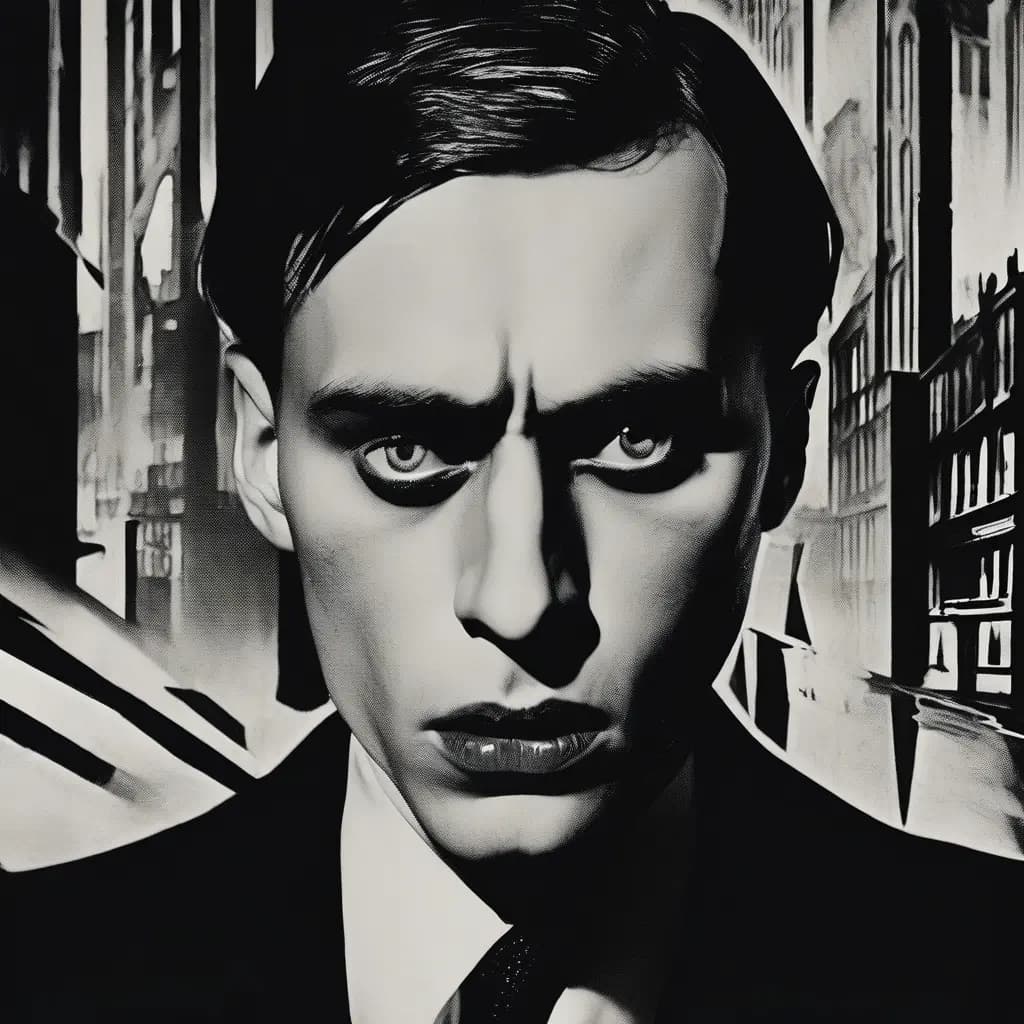
“Long before Lynch or Cronenberg, the silent era was already dissecting the human psyche, using nitrate shadows to map the terrifying fracture between our public masks and our private monsters.”
We often treat the birth of the 'psychological cult film' as a post-war phenomenon—a product of the 1960s counter-culture or the gritty, neon-soaked cynicism of the 1970s. We point to the fractured identities of Persona or the visceral internal collapses of Taxi Driver as the starting points for our obsession with the broken human mind. But if you scrape away the digital polish and the synth scores, you’ll find that the true architects of the cinematic psyche were operating in the 1920s. This was an era where the camera stopped being a mere witness to action and became a surgical tool for the human soul. The silent screen didn't just tell stories; it projected the internal schisms of a generation reeling from the industrial slaughter of World War I and the dizzying rise of Freudian analysis.
The 1920s obsession with the 'dual self'—the idea that we are not one person, but a collection of competing, often monstrous identities—is the subterranean river that feeds every modern cult masterpiece. From the literal transformation of the body to the metaphorical haunting of the social outcast, these early experiments in identity established the visual language of the 'unreliable protagonist' long before the term was even coined. To understand why we are still captivated by the fractured anti-hero, we have to look back at the nitrate-soaked shadows where the mask first began to slip.
The Laboratory of the Ego: Dr. Jekyll and Mr. Hyde as the Primal Scream of Cult Identity
While there were several adaptations of Robert Louis Stevenson’s novella, the 1920 version of Dr. Jekyll and Mr. Hyde, starring John Barrymore, remains a foundational text for the psychological cult mindset. Barrymore’s performance is not just a feat of makeup; it is a masterclass in the physical manifestation of psychological rot. In this film, the transformation isn't just a plot device—it is an indictment of Victorian morality and a precursor to the body-horror tropes that would later define the works of David Cronenberg or Clive Barker.
What makes this 1920 iteration so essential to the cult canon is its refusal to make Hyde a simple monster. Hyde is the suppressed appetite of the 'civilized' man, the raw, atavistic drive that society demands we bury. When Jekyll looks in the mirror and sees Hyde, he isn't just seeing a stranger; he is seeing the truth of his own desires. This 'mirror-stage' of cinema—where the protagonist is forced to confront their own shadow—is the DNA of the modern psychological thriller. It paved the way for characters who are their own worst enemies, trapped in a feedback loop of self-destruction and revelation.
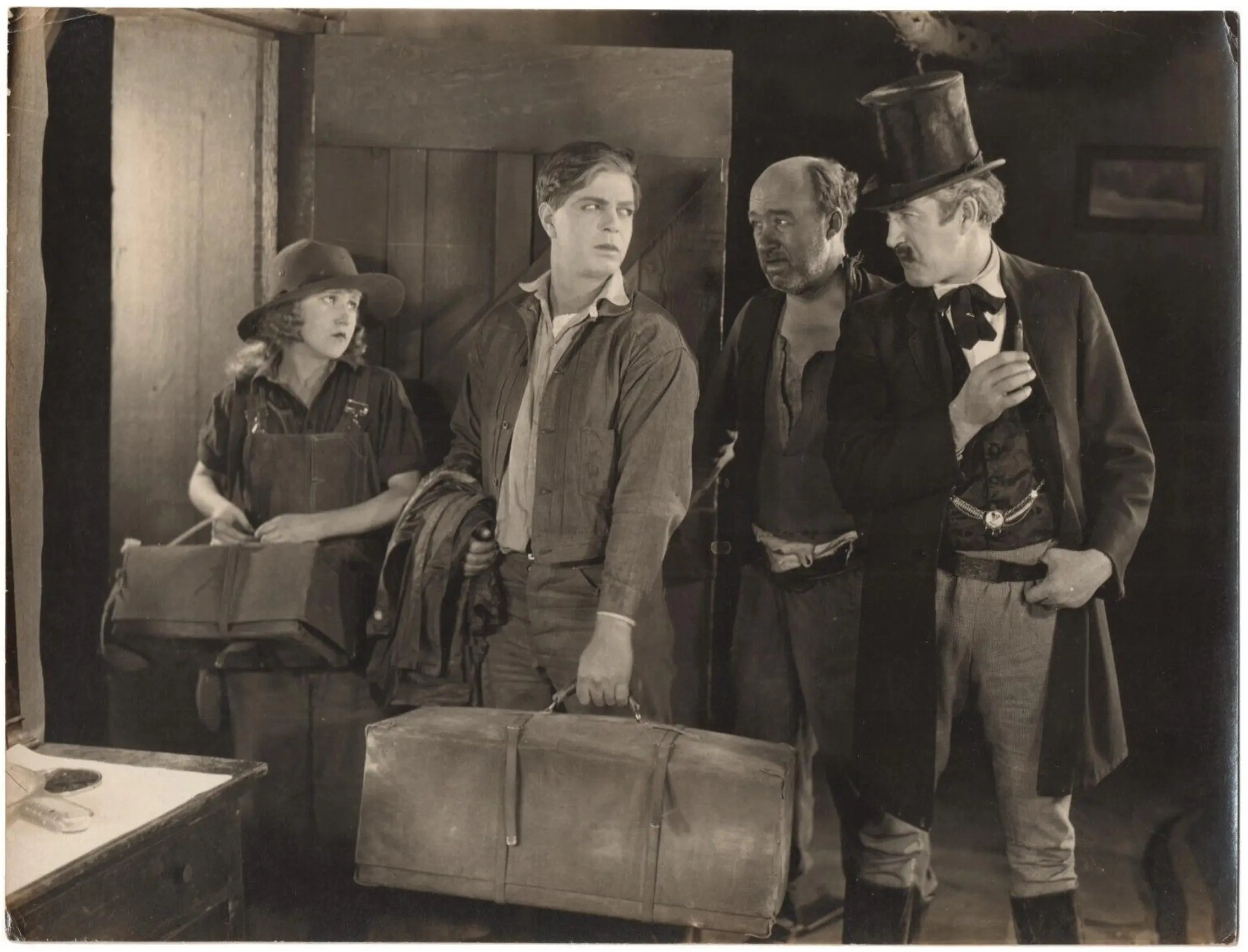
The 1920s didn't just invent the movie monster; it invented the idea that the monster is us—a realization that remains the beating heart of every transgressive cult film ever made.
The 'Hunch' and the Internalized Other: Predicting the Psychological Companion
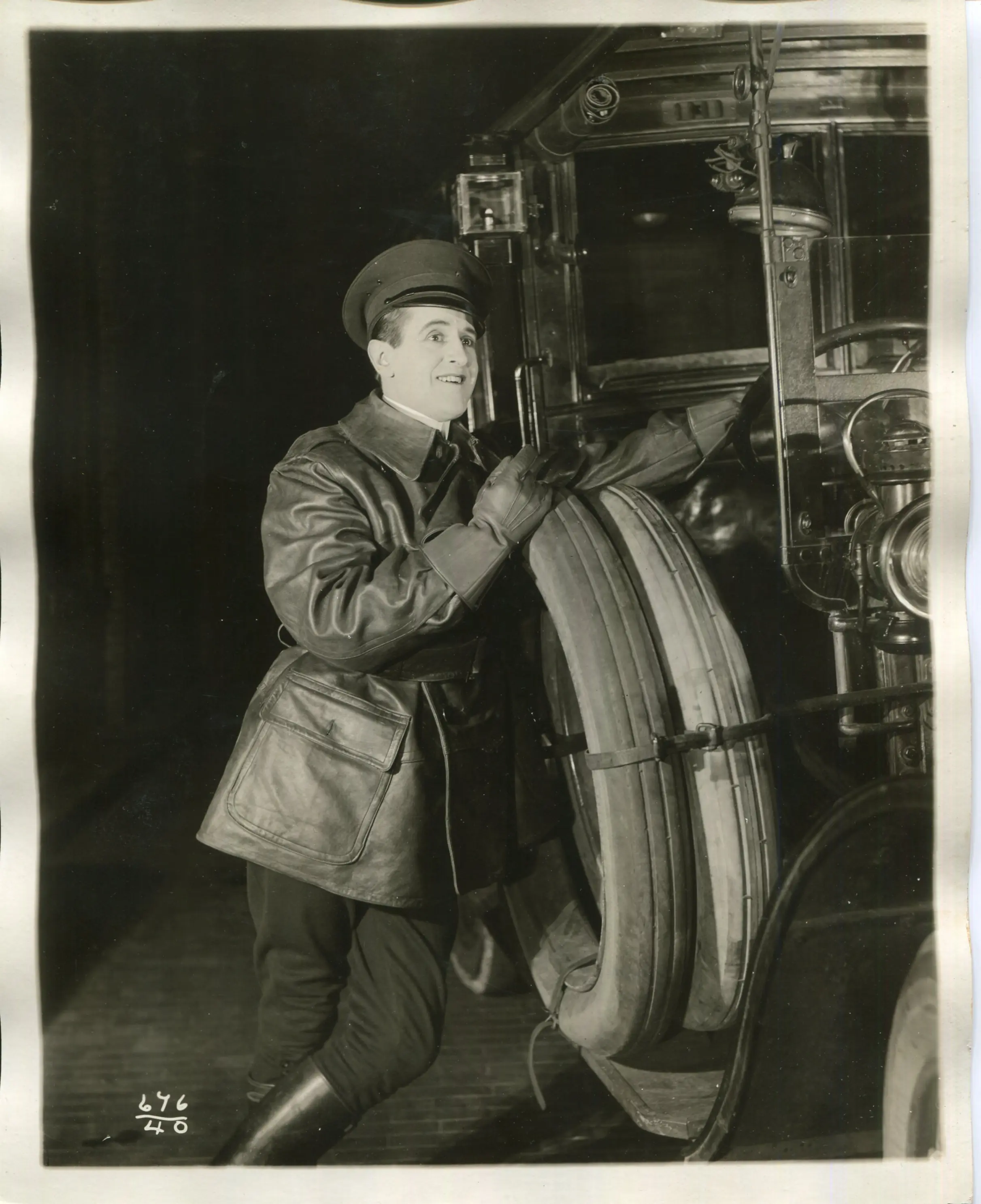
While Jekyll represented the literal split of the soul, other films of the era explored the duality of the self through more experimental, almost surrealist lenses. A fascinating, often overlooked example is the 1918 film Say! Young Fellow. While ostensibly a lighthearted vehicle for Douglas Fairbanks, it introduces a concept that is strikingly modern: 'The Hunch.' This is a miniature version of the protagonist that perches on his shoulder, offering advice and encouragement.
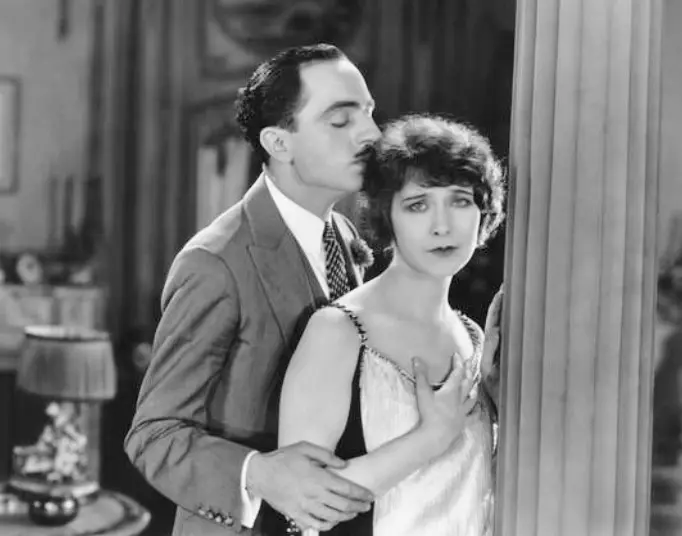
On the surface, it’s a comedic gag, but from a historian’s perspective, it’s a proto-psychological visualization of the superego. It represents the internal dialogue that defines the modern neurotic protagonist. This visual shorthand for the 'internal voice' would eventually evolve into the hallucinated companions of films like Fight Club or the paranoid internal monologues of noir. By externalizing the internal thought process, the silent era was training audiences to accept a cinematic reality that was subjective rather than objective—a key requirement for the cult film experience.
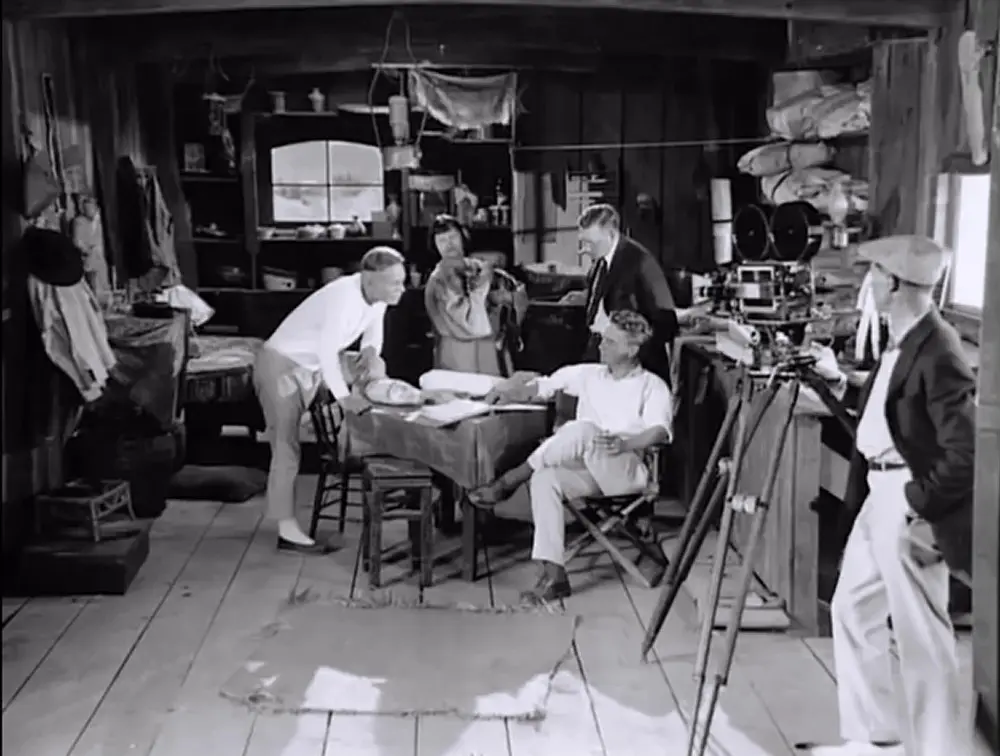
The Fallen Clergy and the Social Outcast: The Cult of Redemption in Gösta Berling
Identity in the 1920s wasn't just about the 'good vs. evil' dichotomy of Jekyll and Hyde; it was also about the social pariah—the person whose identity has been stripped away by their own failures. Mauritz Stiller’s 1924 masterpiece The Saga of Gösta Berling is a sprawling, epic examination of this theme. The protagonist, a defrocked priest driven to alcoholism and despair, is the quintessential cult anti-hero. He is a man caught between his spiritual calling and his earthly vices, a figure of profound internal conflict.
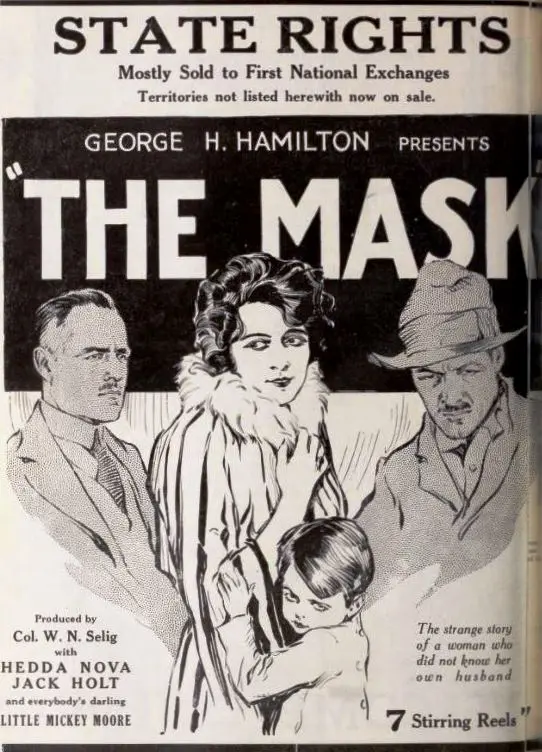
Berling’s journey is one of atonement, but it is also one of identity reconstruction. In the landscape of the 1920s, where traditional structures of faith and government were crumbling, Berling’s struggle resonated with a world that felt it had lost its moral compass. This theme of the 'outcast seeking a new self' is a pillar of cult cinema. We see its echoes in the nomadic rebels of 1970s road movies and the disenfranchised hackers of 1990s cyberpunk. The silent era taught us that the most compelling stories aren't about the heroes who save the world, but about the broken men and women trying to save themselves from their own history.
The Feminine Mask: Extramarital Despair and the Fracture of Domesticity
The 1920s also began to dismantle the monolithic 'ideal' of womanhood, replacing it with characters who harbored secret lives and forbidden desires. The 1914 version of Anna Karenina and the later, more cynical The Love Auction (1919) showcase women who are trapped within the performance of social roles. In The Love Auction, Lea Montrose’s marriage to a drunkard forces her to abandon the 'mask' of the dutiful wife, leading to a life of abandonment and social exile.
These films were the precursors to the 'woman in trouble' subgenre of cult cinema, where the horror is not a monster in the closet, but the claustrophobia of a life lived for others. The psychological toll of this domestic performance—the split between the public wife and the private, suffering woman—is a theme that directors like Todd Haynes and Sofia Coppola would later refine. The silent era’s focus on the expressive power of the face—the subtle twitch of a lip or the vacancy of a gaze—allowed for a level of psychological depth that didn't need dialogue to convey the agony of a fractured life.
The Silent Roots of the Unreliable Narrator
When we talk about the 'unreliable narrator' in modern cinema, we are talking about a technique that relies on the audience’s awareness of the protagonist’s mental state. The 1920s pioneered the use of visual distortion to achieve this. Consider how German Expressionism used jagged sets and unnatural lighting to reflect the madness of its characters. This wasn't just an aesthetic choice; it was a psychological one. It forced the viewer to see the world through the distorted lens of a fractured mind.
- The use of shadows to represent the 'Id' or the repressed self.
- The double-exposure technique to show internal conflict (as seen in the 'Hunch' of Say! Young Fellow).
- The focus on the 'uncanny'—the familiar made strange, which Freud theorized as a key to the human psyche.
Why the 'Fractured Self' Remains the Ultimate Cult Magnet
So, why does this specific silent-era obsession still resonate so deeply today? Because the cult film is, at its heart, a medium for the marginalized. It is for those who feel that their own identity doesn't fit the 'mainstream' narrative. By centering stories on characters who are literally or metaphorically split, the 1920s gave a voice to the internal chaos of the modern condition.
Films like When a Man Sees Red (1917) or Gold Madness (1923) take the primal emotions of revenge and greed and elevate them into psychological studies of men pushed to the brink. They aren't just action movies; they are maps of the breaking point. This 'breaking point' is the territory where cult cinema thrives. It is the moment when the social mask shatters and the raw, unvarnished human truth—however ugly or terrifying—is revealed.
The legacy of the 1920s dual-self obsession is visible in every corner of contemporary cinema. It’s in the 'glitch' of a character’s reality, the 'doppelganger' lurking in the hallway, and the 'voice' inside a protagonist’s head. We are still living in the shadow of the silent era’s psychological breakthroughs. We are still Jekylls looking for our Hydes, trying to make sense of the fragmented souls we project onto the silver screen. The 1920s didn't just give us the language of film; it gave us the mirror in which we are still trying to recognize ourselves.
Community
Comments
Log in to comment.
Loading comments…