
Cult Cinema
The Celluloid Underground: Unearthing the Enduring Power of Cinema's Unconventional Masterpieces
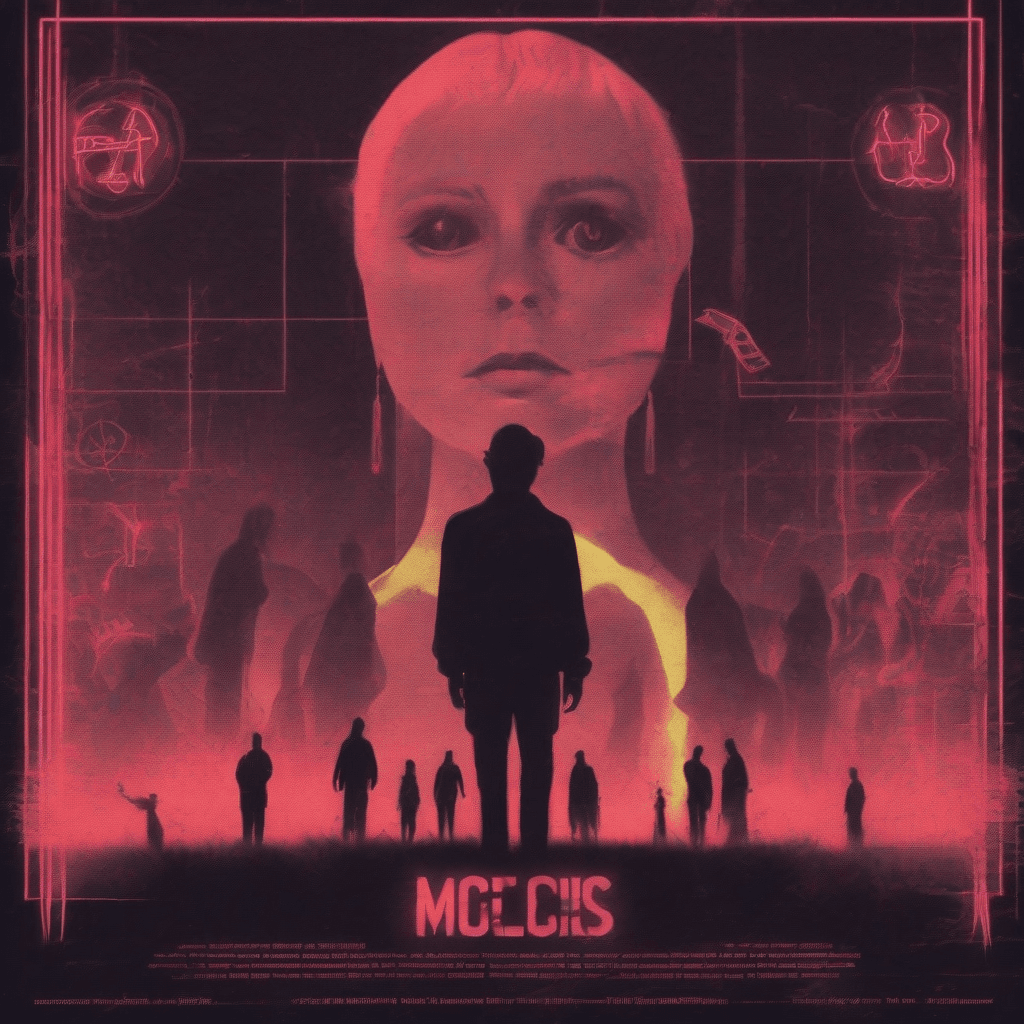
“Delve into the shadowy depths of cult cinema, exploring how unconventional films defy mainstream appeal to forge passionate, enduring fandoms. This article unearths the unique alchemy that transforms overlooked narratives into beloved, transformative experiences for generations of cinephiles.”
In the vast, ever-expanding universe of cinema, there exists a peculiar constellation of films that defy conventional categorization, resist easy commercial success, and yet burn brighter than many blockbusters in the hearts of their devoted followers. This is the realm of cult cinema, a fascinating cultural phenomenon where artistic defiance meets fervent fandom, creating a unique space for narratives that challenge, provoke, and ultimately, endure. These aren't just movies; they are experiences, rituals, and touchstones for communities built on shared appreciation for the strange, the subversive, and the utterly unforgettable.
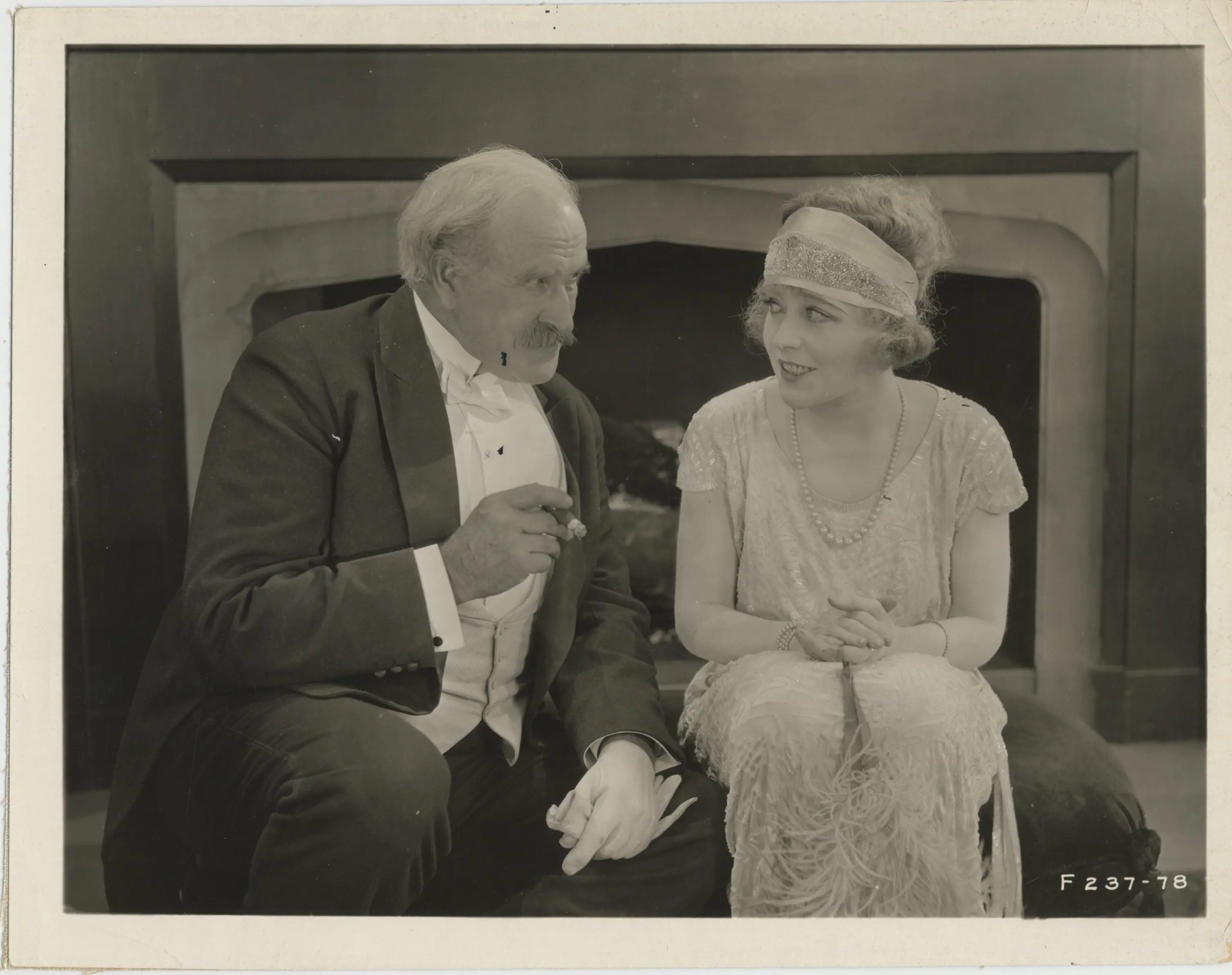
The term 'cult film' itself evokes an image of clandestine screenings and whispered recommendations, a far cry from the glossy multiplex experience. It speaks to a certain exclusivity, a shared secret among those who appreciate cinema's more daring and unconventional offerings. But what truly defines a cult classic, and how do these cinematic outliers manage to carve out such an indelible mark on film history and the collective psyche?
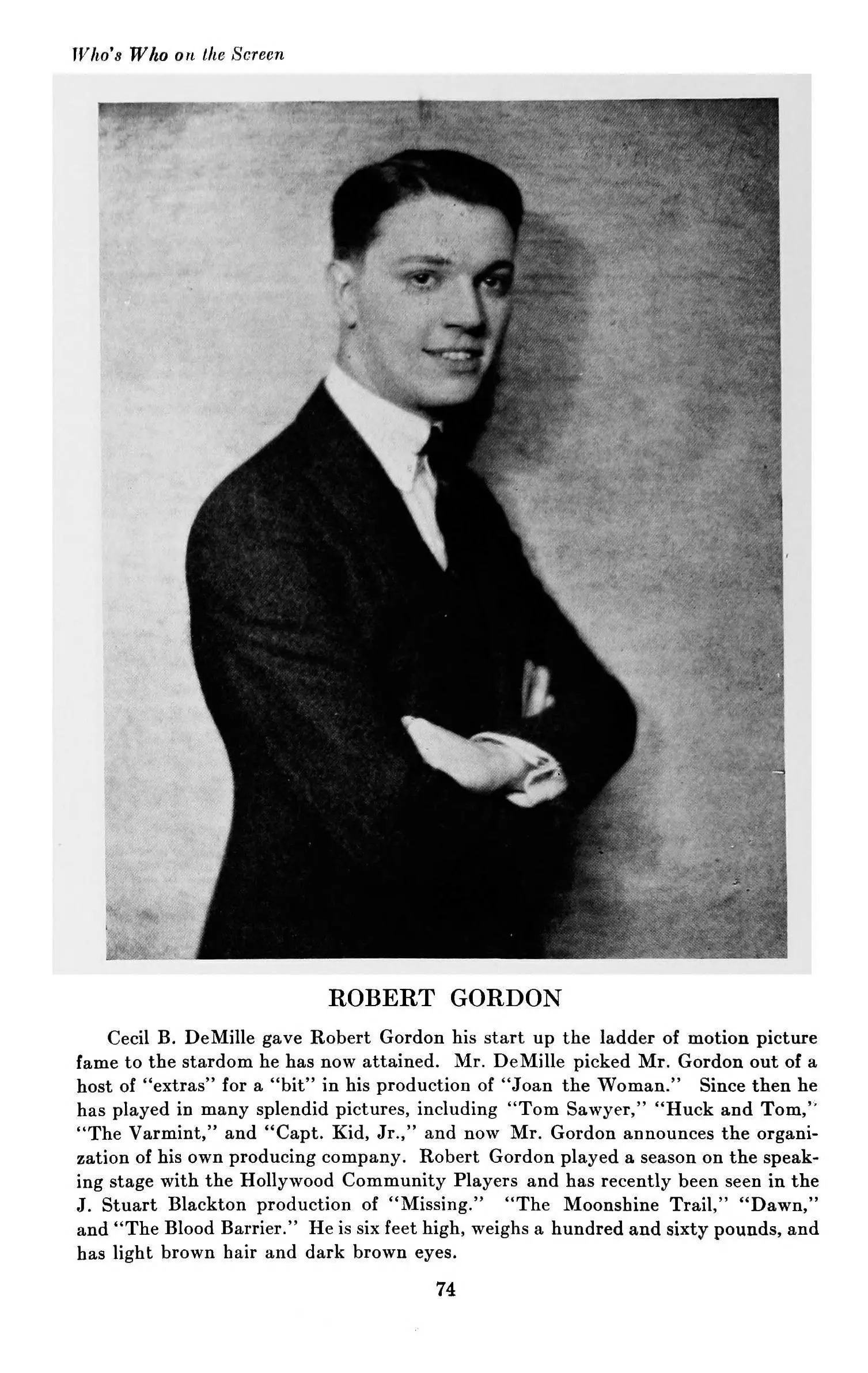
The Genesis of the Unconventional: Seeds of Subversion
The roots of cult cinema stretch back to the very dawn of the medium, long before the 'midnight movie' circuit became a cultural touchstone. Even in the nascent years of filmmaking, there were narratives and aesthetics that pushed boundaries, dared to be different, or simply resonated with a niche audience in ways the mainstream couldn't grasp. Consider the early forays into psychological horror and dark fantasy, films that explored the darker facets of human nature or ventured into the realm of the grotesque. Works like Dr. Jekyll and Mr. Hyde (1920) or Das Phantom der Oper, even in their silent forms, offered audiences a glimpse into the transgressive, the terrifying, and the morally complex. These weren't always designed for mass appeal; their power lay in their ability to disturb, to intrigue, and to linger long after the projector ceased its whirring.

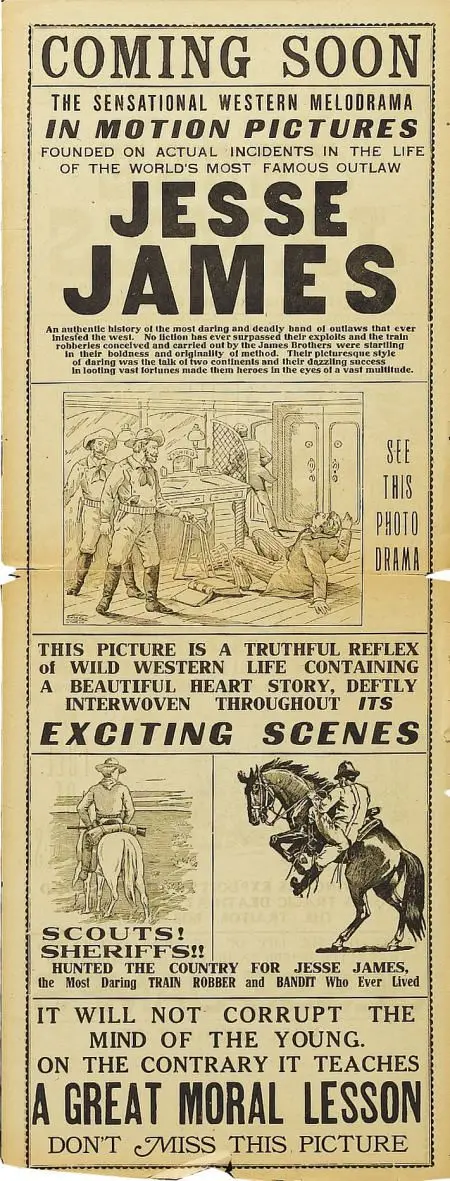
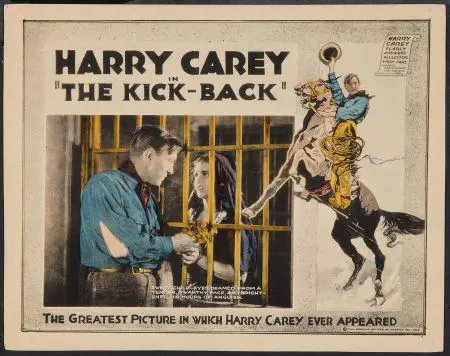
Similarly, early dramas and westerns, while often adhering to genre conventions, occasionally presented characters or themes that hinted at a deeper, more subversive undercurrent. Stories of outlaws like Jesse James as the Outlaw or the gritty realism of The Kickback, while perhaps not 'cult' in the modern sense, portrayed figures who defied authority and lived outside societal norms. This anti-establishment spirit, a core component of many cult films, was present from cinema's earliest days, offering a primal magnetism to viewers seeking narratives that reflected their own unease or fascination with the fringe.

The experimental films of the era, such as Kino-pravda no. 2, further illustrate this early drive for cinematic rebellion. These were not escapist fantasies but attempts to redefine the very language of film, challenging narrative structures and visual conventions. Such works, often seen by limited audiences, fostered an appreciation for artistic innovation and a willingness to engage with cinema not just as entertainment, but as a potent form of expression and social commentary. This early cultivation of an audience receptive to the 'other' laid crucial groundwork for the cult phenomena to come.
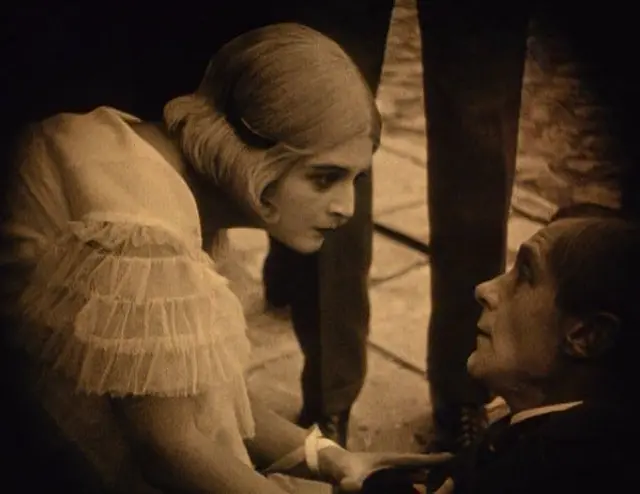
Beyond the Marquee: The Midnight Movie Phenomenon
The concept of the 'midnight movie' truly solidified the idea of cult cinema in the public consciousness. Originating in the late 1960s and flourishing through the 1970s, these late-night screenings became sacred spaces for films that were too bizarre, too controversial, or too unconventional for mainstream daytime showings. Films like Alejandro Jodorowsky's El Topo or David Lynch's Eraserhead captivated audiences with their surreal imagery, challenging narratives, and often disturbing themes. These weren't just films to watch; they were events to participate in, fostering a communal experience that transcended passive viewing.
This era saw the rise of films that, while initially perplexing or even reviled by critics, found their true home with an audience eager for something different. The ritualistic nature of midnight screenings, often accompanied by audience participation, costumes, and in-jokes, transformed cinematic consumption into a form of active engagement. The films themselves became catalysts for community, uniting diverse groups under the banner of shared, unconventional taste. This communal catharsis, a form of worship for the cinematic outcast, cemented the cult film's place in cultural history.

The Maverick Auteurs: Crafting Singular Visions
Many cult films are inextricably linked to the singular visions of their creators. Maverick auteurs, unafraid to defy industry norms or audience expectations, often produce the kind of uncompromising work that eventually achieves cult status. Fritz Lang's epic Dr. Mabuse, the Gambler, for instance, a sprawling crime thriller with a hypnotic villain, showcased a master filmmaker at the height of his powers, crafting a complex narrative that delves into psychological manipulation and societal decay. Such ambitious and often dark narratives, while perhaps not immediate blockbusters, possess a depth and artistic integrity that speaks to discerning viewers.
These filmmakers often operate on the fringes, their projects funded by sheer will or a handful of dedicated patrons, resulting in films that are raw, unfiltered, and deeply personal. They prioritize artistic expression over commercial viability, creating works that might initially alienate, but ultimately resonate with those seeking authenticity and a challenge to their perceptions. The enduring power of these films lies in their unwavering commitment to their unique aesthetic and thematic concerns, regardless of how niche they might appear at first glance.
Subversion as a Sacred Text: Challenging the Status Quo
At the heart of many cult films lies a profound sense of subversion. They frequently challenge societal norms, moral orthodoxies, and even the established conventions of their own genres. Whether it's the exploration of forbidden desires, the questioning of authority, or the deconstruction of traditional narratives, cult films often serve as a mirror to anxieties and desires that the mainstream prefers to keep hidden. Films that delve into complex human relationships, moral ambiguities, or transgressive themes – like the dramatic entanglements hinted at in The Call of the Blood or the societal pressures explored in Arms and the Woman – might have been considered provocative in their time, appealing to those seeking more nuanced or daring storytelling.

This transgressive quality is not merely for shock value; it often serves to open up new avenues of thought, to explore uncomfortable truths, or to provide a voice to the marginalized. Cult films become a kind of sacred text for counter-culture movements, offering narratives that validate alternative lifestyles, beliefs, or perspectives. They are a cinematic safe haven for those who feel alienated by mainstream culture, providing a sense of belonging and understanding through shared appreciation for unconventional art.
The Alchemy of Rejection and Rediscovery
A fascinating aspect of cult cinema is its often circuitous route to recognition. Many films now revered as cult classics were initially ignored, misunderstood, or even critically lambasted upon their release. Their commercial failure often consigned them to obscurity, only for them to be resurrected years later by a new generation of cinephiles or through belated critical re-evaluation. This 'alchemy of rejection' transforms initial failure into eventual triumph, proving that artistic merit is not always immediately recognized or universally appreciated.
Consider the vast archive of early cinema, much of which was produced without the massive marketing machinery of today. Films like Hilde Warren und der Tod, a German silent film exploring themes of death and morality, or the various short comedies and dramas from the 1910s and 20s (e.g., The Dentist, The Soup and the Fish Ball, Good Gracious, Annabelle!, Love, Honor and Behave!, Scrambled Wives) might have had limited initial runs but could have found small, dedicated audiences or been rediscovered by film historians and enthusiasts much later. Their unconventional narratives, unique stylistic choices, or sheer oddness might have made them unsuitable for wide distribution at the time, yet these very qualities contribute to their enduring appeal for those seeking something off the beaten path.
The slow burn of rediscovery is a testament to the idea that true art often finds its audience, even if it takes decades. The internet age has only accelerated this process, allowing obscure films to find global communities of fans, transcending geographical and temporal barriers. Platforms dedicated to niche genres and forgotten classics have become vital conduits for this cinematic archaeology, unearthing hidden gems and giving them a new lease on life.
Building the Cult Community: More Than Just Viewers
Perhaps the most defining characteristic of cult cinema is the passionate community it fosters. Unlike mainstream blockbusters, which are often consumed and quickly forgotten, cult films inspire deep, lasting devotion. Fans don't just watch these movies; they inhabit them. They quote lines, dress as characters, host themed parties, create fan art, and engage in endless discussions about their hidden meanings and interpretations. This active participation transforms passive viewing into a vibrant, interactive cultural phenomenon.
The shared experience of appreciating a cult film creates a powerful bond among fans. It's a sense of belonging, a recognition that others 'get it,' understand the unique appeal of a film that might puzzle or repel the uninitiated. This collective understanding forms a kind of secret society, a cinematic underground where shared obsessions are celebrated and nurtured. From the intricate plots of early thrillers like The Third Woman or In Treason's Grasp to the more fantastical narratives of films like The Breath of the Gods, these films provide rich ground for discussion and communal interpretation.
This communal aspect is not just about appreciation; it's about identity. For many, their favorite cult films become an extension of who they are, a declaration of their aesthetic sensibilities and their willingness to embrace the unconventional. The enduring nature of these fandoms ensures that cult films don't fade into obscurity; they evolve, adapting to new generations while retaining their core allure.
The Enduring Legacy of the Fringe: Shaping Cinematic Landscapes
The influence of cult cinema extends far beyond its dedicated fan base. Its transgressive narratives, experimental techniques, and fearless embrace of the bizarre have subtly, and sometimes overtly, seeped into the mainstream. What was once considered too niche or too strange for a wide audience often becomes a source of inspiration for future filmmakers, artists, and storytellers. The aesthetics, themes, and narrative structures pioneered in cult films frequently find their way into more commercially viable projects, pushing the boundaries of what is considered acceptable or popular.
From the early visual storytelling of films like The Artist's Model or the dramatic flair of Honor Thy Name to the more complex character studies in films like The Garden of Allah or The Christian, every film, regardless of its initial reach, contributes to the vast tapestry of cinematic language. The films that become cult classics are often those that, in their initial defiance, offer a glimpse into the future of filmmaking, predicting trends or establishing new forms of artistic expression. They are the avant-garde, the trailblazers, even if their paths are initially solitary.
In conclusion, cult cinema is far more than just a collection of oddball movies. It is a testament to the power of artistic integrity, the resilience of unconventional narratives, and the profound human need for connection through shared passion. It is a vibrant, ever-evolving underground that continues to redefine the boundaries of what cinema can be, offering a sanctuary for the strange and a platform for profound, transformative experiences. As long as there are filmmakers willing to challenge the status quo and audiences eager to embrace the extraordinary, the celluloid underground will continue to thrive, illuminating the hidden corners of our collective imagination.
Community
Comments
Log in to comment.
Loading comments…