
Cult Cinema, Deep Dive, Film History
The Deviant Canvas: Painting the Enduring Allure of Cult Cinema's Unorthodox Art

“Cult cinema thrives on the unconventional, drawing dedicated audiences to films that defy mainstream expectations and challenge the status quo. This editorial explores the magnetic pull of these cinematic outliers, tracing their historical roots and examining the unique alchemy that transforms overl…”
In the vast, ever-expanding tapestry of cinematic history, certain films refuse to conform. They eschew the comforting embrace of mainstream success, often baffling critics and audiences upon their initial release, only to find a fervent, almost religious, following years, or even decades, later. These are the cult films, the unorthodox art that carves its own niche, defying easy categorization and building enduring legacies through a unique blend of transgressive themes, distinctive aesthetics, and the passionate devotion of their dedicated fandoms. Their journey from obscurity to iconography is a testament to the power of unconventional storytelling and the human desire for cinematic experiences that resonate on a deeper, often subversive, level.
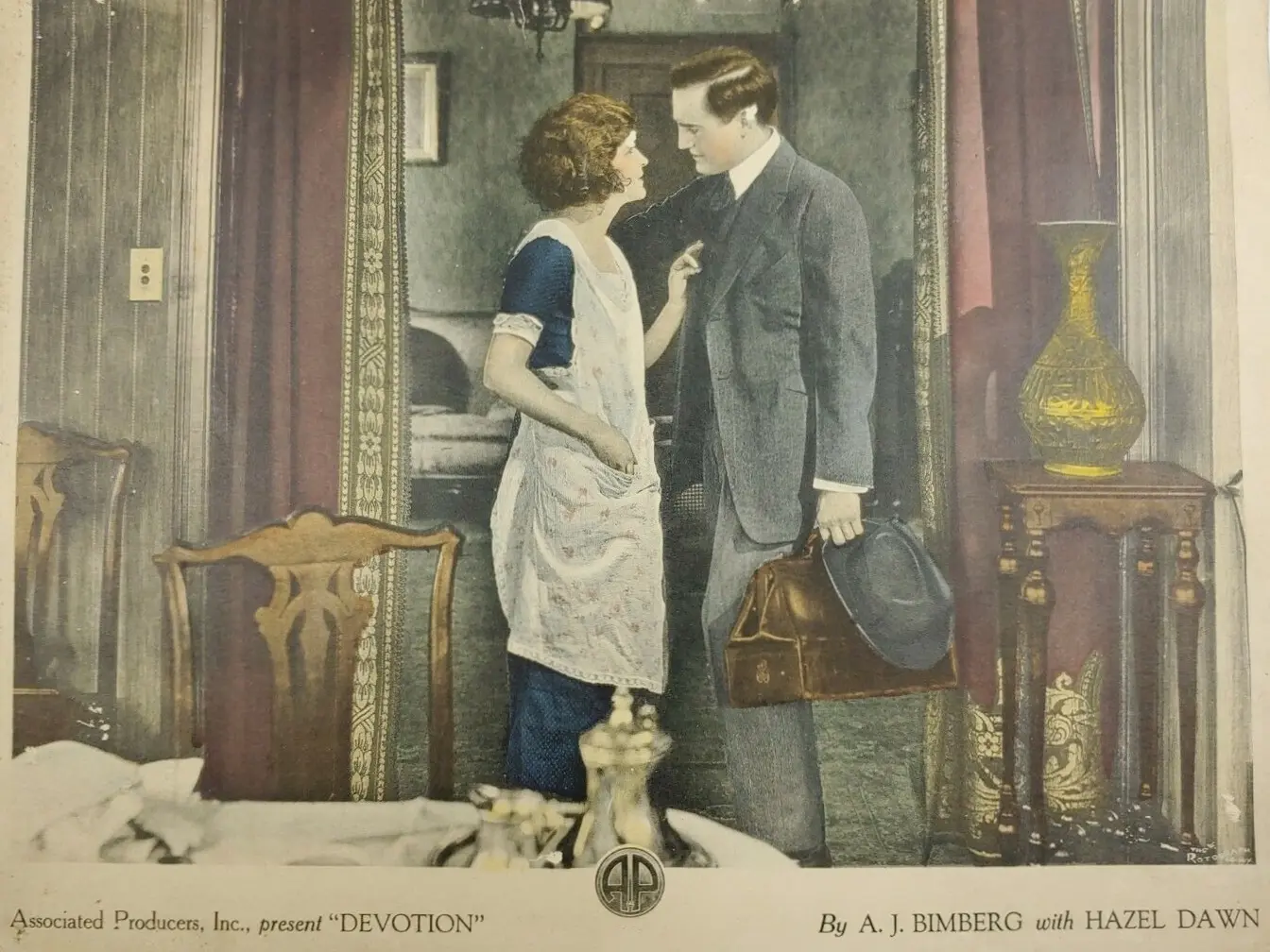
The Anatomy of a Cult Phenomenon: Beyond the Mainstream
What precisely defines a cult film? It's more than just a box office flop or a niche genre piece. A cult film possesses an intrinsic quality that sparks intense, often obsessive, audience engagement. These are films that demand repeat viewings, inspire fan theories, spawn rituals, and foster communities. They often challenge traditional narrative structures, explore taboo subjects, or present a vision so singular that it polarizes audiences, creating both vehement detractors and ardent champions.
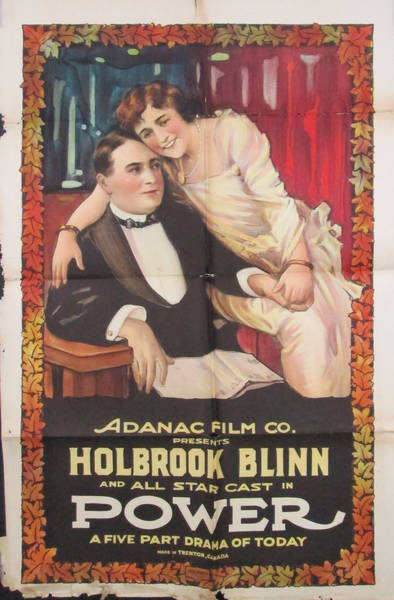
Consider the myriad elements that contribute to a film's cult status. There's the genre-bending narrative, where established conventions are twisted or outright ignored, leading to a unique, often disorienting, viewing experience. Think of films that blend horror with comedy, drama with surrealism, or action with philosophical introspection. Then there are the iconic characters, often anti-heroes or misfits, who resonate with viewers who feel similarly alienated or misunderstood. The dialogue, too, plays a crucial role, with memorable lines becoming catchphrases, quoted endlessly by devotees. Finally, the visual style – whether it's hyper-stylized, gritty realism, or experimental – often sets these films apart, creating a distinct world that beckons viewers back again and again.
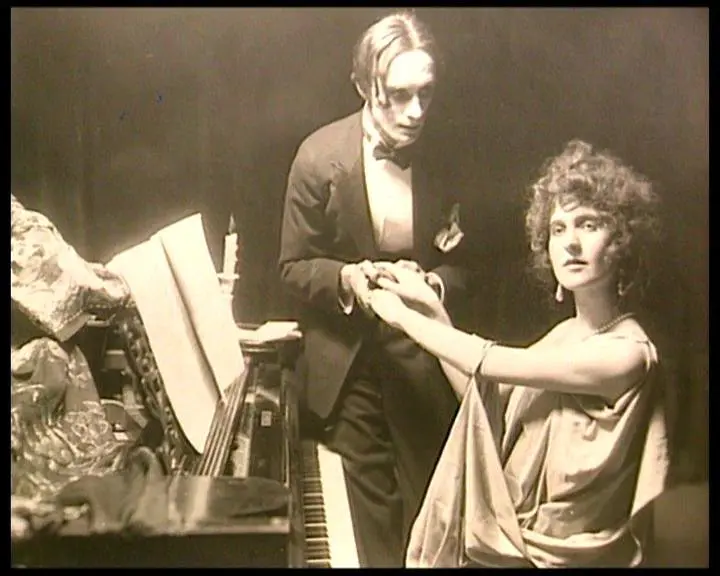
The journey to cult status is rarely linear. Many films now revered as cult classics were initially misunderstood or dismissed by critics and mainstream audiences. Their delayed recognition speaks volumes about their ahead-of-their-time vision or their ability to tap into nascent cultural anxieties and desires. This delayed appreciation often fuels the cult following, as fans feel a sense of ownership and discovery, a shared secret with a select few who truly 'get it'.
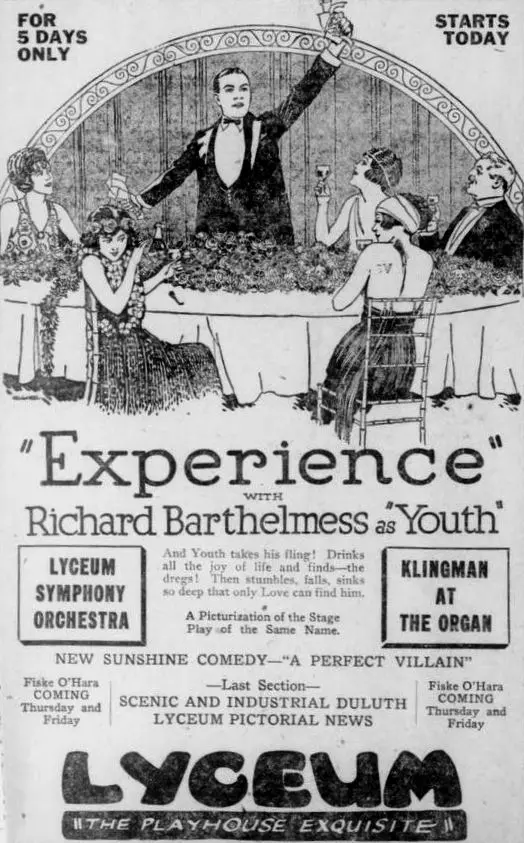
Audience as Architect: Forging Fandom from the Fringe
The most vital ingredient in the cult cinema recipe is undoubtedly the audience itself. Unlike mainstream blockbusters, which are designed for broad appeal and immediate consumption, cult films thrive on niche fandoms. These are communities built around shared appreciation, where viewing a film becomes less about passive reception and more about active participation. The legendary midnight movie screenings of yesteryear, where audiences dressed up, shouted lines, and engaged in communal rituals, perfectly encapsulate this symbiotic relationship between film and fan.
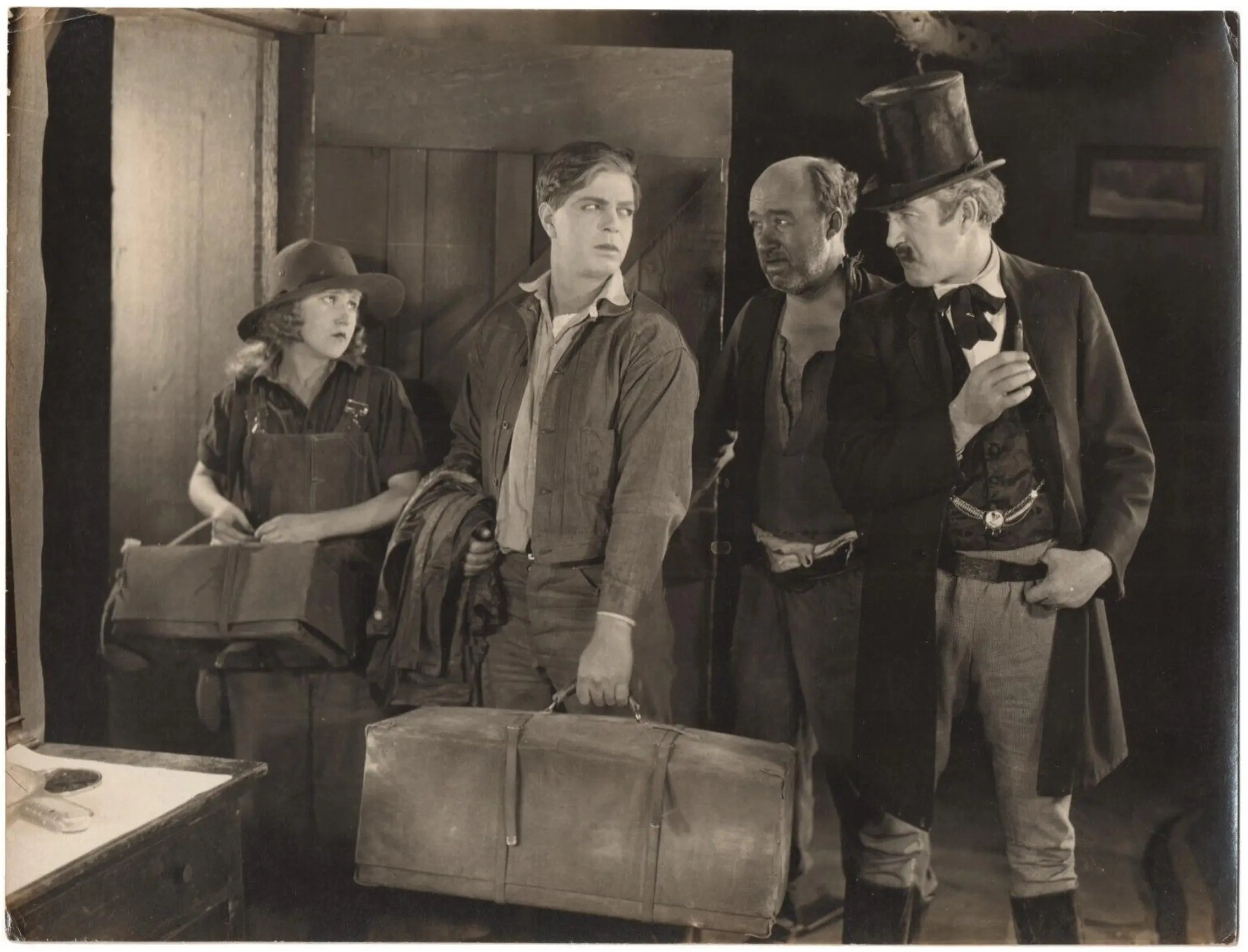
This active engagement transforms the film from a mere product into a cultural artifact, imbued with layers of meaning by its viewers. Discussions, fan art, cosplay, and academic analyses all contribute to the ongoing life of a cult film. It’s a collective act of interpretation and celebration, where the audience becomes an integral part of the film's narrative, shaping its legacy and ensuring its longevity. The enduring power of these films lies not just in their content, but in the communities they inspire, offering a sense of belonging to those who often feel outside the cultural norm.
Echoes from the Past: Proto-Cult Sensibilities in Early Cinema
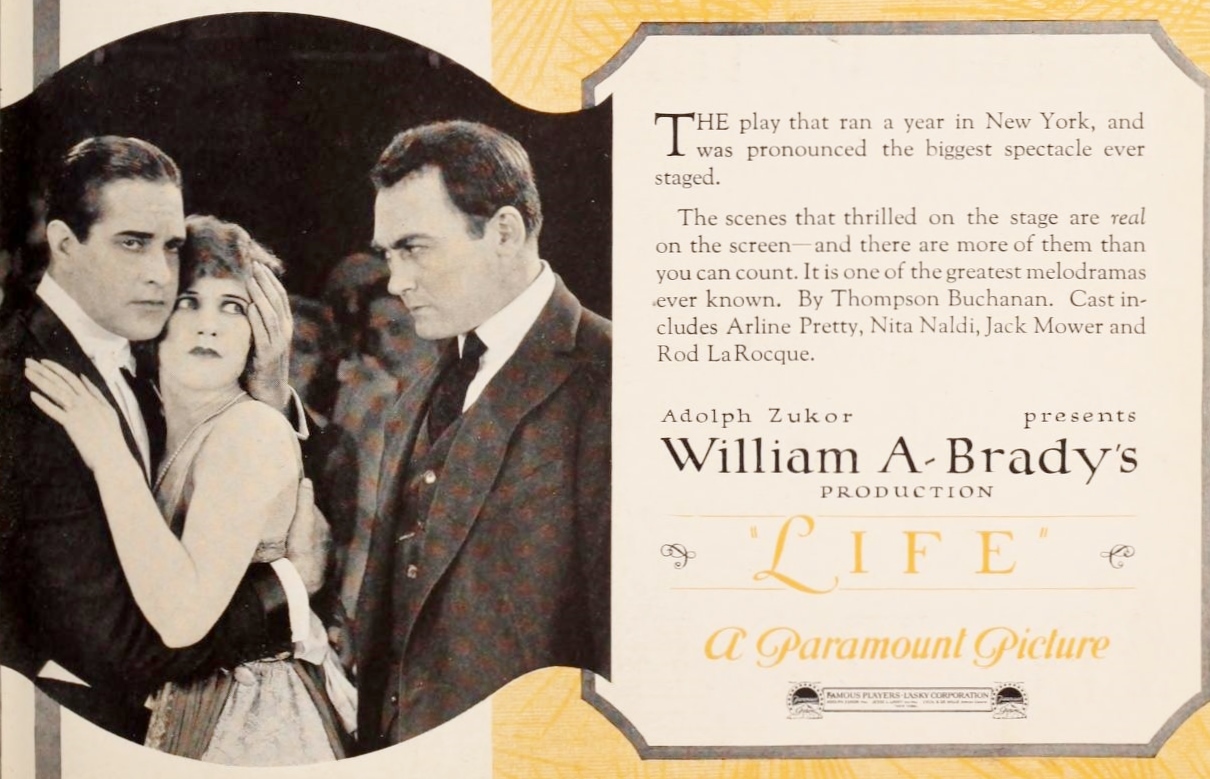
While the term 'cult cinema' largely emerged in the mid-20th century with phenomena like midnight movies, the rebel heart and subversive spirit that define it have roots stretching back to cinema's earliest days. The nascent art form of film itself was a deviant canvas, a new medium unburdened by established rules, ripe for experimentation and the exploration of uncharted narrative territories. Many early films, though not 'cult' in the modern sense of organized fandoms, exhibited qualities that would later become hallmarks of the genre: unconventional visions, willingness to tackle taboo subjects, and a distinct aesthetic that defied the ordinary.

Consider films from the silent era, a period of immense creative freedom and genre fluidity. Works like The Spirit of the Poppy, a psychological study of drug addiction, or Under the Lash, exploring themes of religious fanaticism and forbidden love, dared to delve into the darker, more complex facets of human experience. These weren't simplistic morality tales; they grappled with social issues and psychological turmoil in ways that could be unsettling or provocative for audiences of the time. Such thematic boldness laid foundational groundwork for later transgressive cinema.
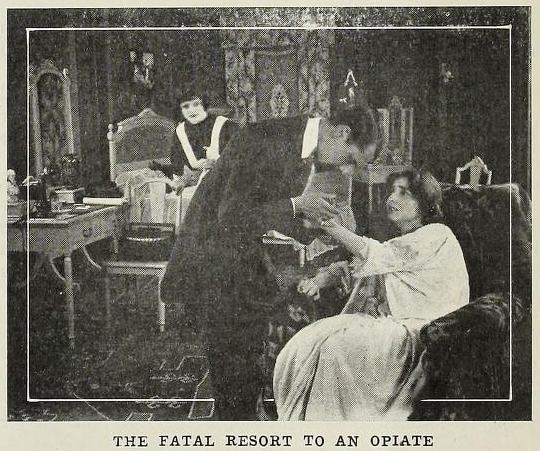
Even within the burgeoning genres, there were films that pushed boundaries. Lulu, a German drama from 1917, explored themes of female liberation and tragedy with an intensity that would resonate with future generations appreciating strong, complex female characters. Similarly, Carmen (1918), a European take on the classic opera, showcased an expressive visual style that broke from traditional staging, foreshadowing the distinctive aesthetics so crucial to cult appeal. These films, emerging post-WWI, often reflected a shift towards more serious, psychologically charged narratives, moving beyond simple comedies to explore deeper human conditions.
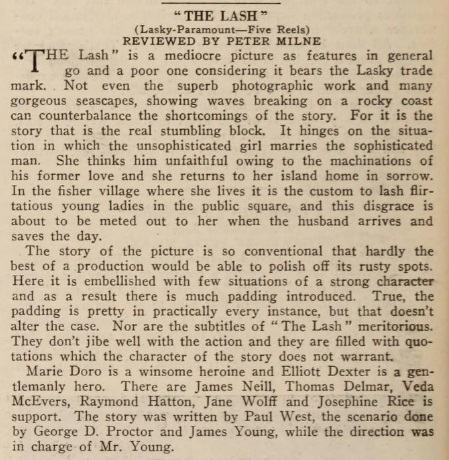
The very act of creating cinema in its infancy was an act of artistic rebellion. Filmmakers experimented with special effects, narrative pacing, and character archetypes. Comedies like All Wrong Ambrose or Ima Vamp, while perhaps lighthearted, might have employed idiosyncratic humor or visual gags that set them apart from more conventional fare, appealing to specific comedic sensibilities. These early deviations from the norm, however subtle, represent the primordial soup from which the cult aesthetic would eventually coalesce.
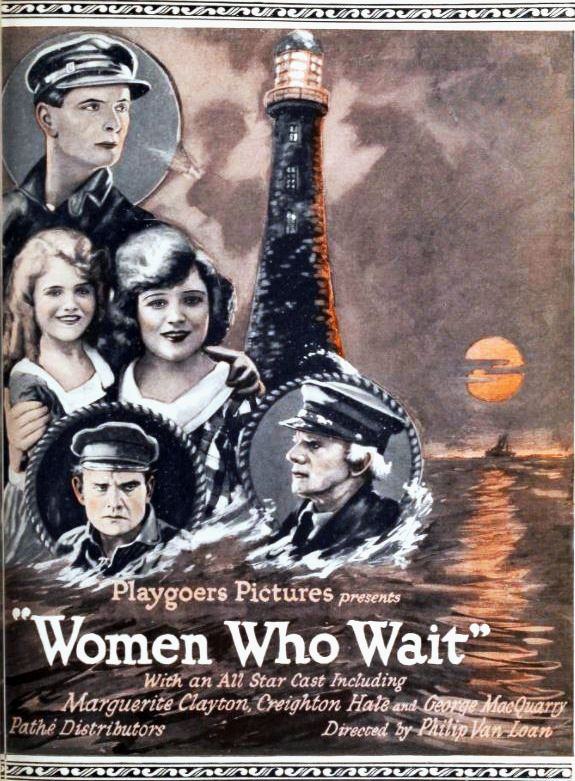
Furthermore, the early cinema landscape was populated by films that explored exotic locales and daring adventures, often with a raw, unfiltered energy. Ruth of the Rockies, a Western drama, or Alf's Button, an adventure fantasy, provided escapism and fantastical elements that could captivate audiences looking for something beyond the mundane. These films, in their own ways, offered unique experiences that, had the infrastructure for organized fandom existed, might have garnered passionate followings.
The exploration of social issues, even in melodramatic forms, also laid groundwork. The Price She Paid or A Woman of No Importance, while not 'cult' in the modern sense, presented narratives of societal judgment and personal struggle that resonated deeply with viewers, sparking conversations and emotional responses that bordered on intense admiration or condemnation. The moral ambiguities presented in films like The Grip of Jealousy (a tale set in pre-Civil War days involving perceived illegitimacy and slavery) or The Woman in the Suitcase (a daughter seeking her father's secret past) hint at a willingness to confront complex, often uncomfortable, human stories.
Even films that might seem purely historical or documentary-like today, such as The Argonauts of California - 1849 or Gira política de Madero y Pino Suárez, offered unique glimpses into specific cultural moments, appealing to niche interests and providing a form of historical immersion that could foster a deep connection with certain viewers. The sheer novelty of seeing such events unfold on screen, however crudely captured, was a form of cinematic magic that transcended simple entertainment.
The spirit of rebellion against convention was inherent in the very act of early filmmaking. Films like The Battle Cry of Peace, a controversial anti-pacifist propaganda film from 1915, demonstrate how cinema was quickly recognized as a powerful tool for social and political commentary, often sparking intense debate and strong reactions, a precursor to the provocative nature of many future cult films. The willingness to take a stance, however controversial, is a hallmark of cinema that resonates deeply with passionate audiences.
From the urban dramas like The Top of New York and Upstairs, which offered glimpses into different social strata and aspirations, to the more overtly thrilling narratives of Secret Service or In Pursuit of Polly, early cinema explored a vast array of human experiences. These films, in their raw form, laid the groundwork for complex storytelling and character development that would later become crucial for films to develop a magnetic pull on audiences seeking something more than surface-level entertainment.
The sheer variety of these early cinematic offerings – from the fantastical elements in The Little White Savage and Call for Mr. Caveman to the crime and intrigue of Cheating Cheaters and While New York Sleeps – demonstrates a period of unbridled creativity. This era was a crucible of experimentation, where filmmakers were constantly inventing and reinventing the medium, often stumbling upon narrative or aesthetic choices that would later be celebrated as visionary.
Even films with straightforward plots, like the baseball short Play Ball with Babe Ruth, or the family drama My Boy, contributed to this rich tapestry. They captured moments, personalities, and emotions, providing diverse experiences that, for some, would have sparked an intense, personal connection – the very genesis of cinematic devotion.
The Enduring Allure of the Unorthodox
Today, the deviant canvas of cult cinema continues to expand, welcoming new generations of filmmakers who dare to be different and audiences who seek out the extraordinary. From grand epics like The Cloister and the Hearth (1913), which, for its time, was a sweeping historical drama, to more intimate character studies like The Circus of Life or The Port of Missing Men, these early films, in their varied approaches to storytelling, hinted at the vast potential of cinema to capture and reflect the complexities of the human condition, often in ways that challenged or provoked.
The allure of cult films lies in their ability to speak to the outsider, to validate unconventional perspectives, and to create a sense of shared understanding among those who appreciate their unique sensibilities. They are not merely films; they are experiences, rituals, and communities. They remind us that true artistic value often transcends immediate commercial success, finding its true home in the hearts and minds of those who are willing to look beyond the marquee, embrace the weird, and celebrate the unseen gems. The journey of these films, from their often humble or misunderstood beginnings to their revered status, is a powerful testament to cinema's capacity for enduring cultural impact and the unwavering loyalty of its most passionate devotees.
As long as there are filmmakers willing to challenge norms and audiences eager for something different, the cult phenomenon will persist, illuminating the unorthodox art that continues to define and enrich our cinematic landscape. It is in this cinematic underground that the true spirit of rebellion and creative freedom continues to flourish, inviting us all to join the congregation of the unconventional.
Community
Comments
Log in to comment.
Loading comments…