
Cult Cinema
The Enduring Enigma: Unpacking the Magnetic Allure of Cult Cinema's Maverick Masterpieces
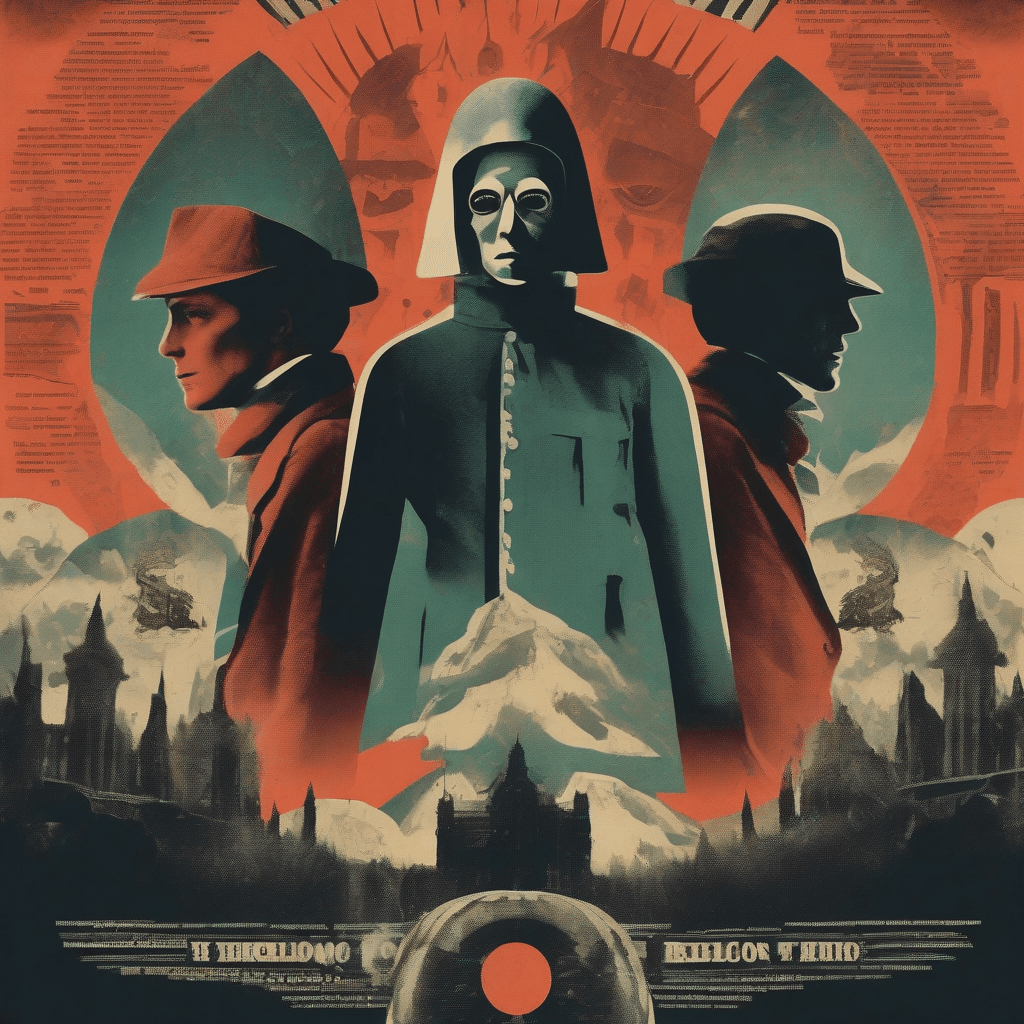
“Cult cinema operates outside the mainstream, fostering fervent communities around films that defy convention, challenge perception, and often achieve iconic status long after their initial release. This deep dive explores the magnetic pull of these cinematic outliers, from their subversive roots to …”
The Unseen Current: Defining the Cult Phenomenon
In the vast ocean of cinematic output, there exists a unique current, often flowing against the tide of popular opinion and critical consensus. This is the realm of cult cinema, a fascinating and often perplexing category that transcends simple genre classifications. What makes a film a 'cult classic'? It's rarely about box office success or widespread critical acclaim upon release. Instead, it's about an enduring, often fervent, dedication from a niche audience, a passionate fandom that elevates a film from obscurity or initial dismissal into an object of profound, almost religious, devotion.

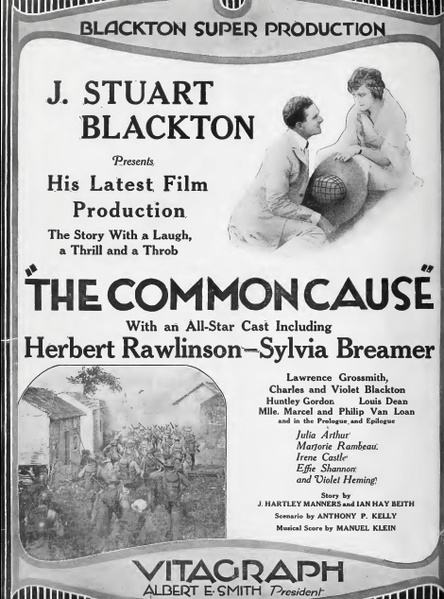
These films, whether they are midnight movies shown in darkened theaters for decades, obscure foreign imports, or genre exercises that pushed boundaries too far for their time, share a common thread: they speak to a particular sensibility, offering narratives or aesthetics that resonate deeply with a specific segment of viewers. From the silent era's diverse offerings, like the grand adventure of The Three Musketeers (1921) or the poignant drama of The Common Cause, to later, more overtly transgressive works, the seeds of cult appreciation lie in unconventional storytelling and a willingness to defy expectations.

From Fringe to Fandom: The Genesis of Cinematic Outcasts
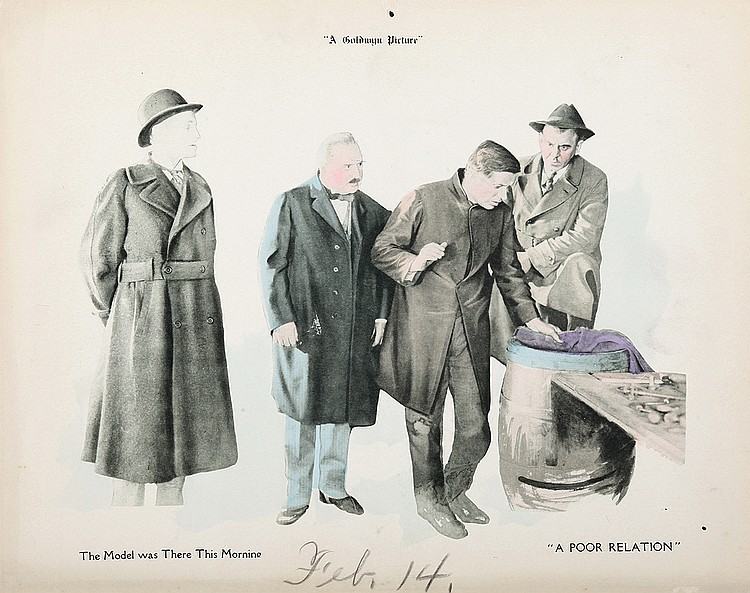
The origins of cult cinema are as varied and complex as the films themselves. Many early films, such as melodramas like The Man from Lost River or social commentaries like The End of the Road (1919), were products of their time, designed for mass consumption but often containing elements that, in retrospect, possessed an unconventional edge. Even seemingly straightforward comedies like A Poor Relation or shorts like Snooky's Fresh Heir could, through their unique humor or idiosyncratic characters, lay the groundwork for a future appreciation of the peculiar.
The idea of a 'cult' film truly began to crystallize with the emergence of the midnight movie circuit in the 1950s and 60s, where films deemed too strange, controversial, or experimental for daytime screenings found a nocturnal audience. These were often films that challenged societal norms, explored taboo subjects, or simply operated on a frequency distinct from Hollywood's commercial rhythms. The transgressive spirit, a hallmark of many cult films, often finds its roots in films that dared to explore the darker, more complex facets of the human condition, even in eras when such explorations were subtle.

Consider the broad spectrum of early cinema, from action-adventure serials to stark dramas. Films like The Brass Bullet or The Invisible Hand, likely thrilling audiences with their suspense, might have contained narrative quirks or stylistic choices that resonated uniquely with certain viewers, fostering an early, albeit unarticulated, form of niche worship. The sheer volume and diversity of films produced in the silent era meant that many would eventually be re-discovered and re-contextualized by later generations, their original intentions perhaps lost, but new meanings forged in the crucible of collective viewing.

The Aesthetics of the Outlier: Visionary and Unapologetic
What often distinguishes a cult film is its distinctive aesthetic or narrative approach. These films often possess a singular vision, an auteur's uncompromising voice that might initially alienate mainstream audiences but ultimately captivates a devoted following. Whether it's the stark visual poetry of early European cinema (even if not explicitly listed, the presence of Thais or Tosca hints at an international, art-house sensibility) or the raw energy of an independent production, cult films often look, sound, and feel different.
They might embrace genre defiance, blending elements in unexpected ways, or push the boundaries of taste and decency. A film like The Black Panther's Cub, with its tale of impersonation and a gambling house, suggests a narrative ripe for exploring moral ambiguity, a common ingredient in many cult favorites. Similarly, Westerns like The Last Trail or action films like His Majesty, the American, while conventional in their genre, could have introduced characters or plot twists that resonated beyond their initial context, achieving a deeper, more personal connection with viewers.

The visual language of these films is often memorable, sometimes unsettling, sometimes gloriously bizarre. They might feature iconic costumes, unforgettable lines of dialogue, or experimental cinematic techniques that stick with viewers long after the credits roll. The maverick visions behind these films are often their greatest strength, providing an alternative to the polished, predictable fare of mainstream cinema.

The Unseen Ritual: Community and Collective Obsession
Perhaps the most defining characteristic of cult cinema is the way it fosters communal experience. These are films that demand to be discussed, dissected, and re-watched, often in group settings. The midnight screenings of films like The Rocky Horror Picture Show (a quintessential cult film, not on the list but a prime example of the phenomenon) are legendary, with audiences dressing up, reciting lines, and interacting with the screen. This active participation transforms passive viewing into an unseen ritual, a shared journey into the film's unique universe.

Even for films that don't inspire such overt participation, the sense of belonging to a tribe that 'gets it' is powerful. Fans pore over details, develop intricate theories, and introduce newcomers to their beloved cinematic underground. This shared passion creates a bond, making the film a touchstone for identity and connection. The very act of discovering an obscure film, like the early The Mysterious Mr. Wu Chung Foo or the intriguing The Whisper Market, and sharing it with like-minded individuals, becomes a significant part of the cult experience.
The internet has only amplified this phenomenon, allowing geographically dispersed fans to connect and celebrate their shared obsession. Forums, fan sites, and social media groups serve as virtual midnight movie houses, keeping the conversation alive and ensuring that forgotten gems continue to shine for new generations. The longevity of cult films is a testament to this community, demonstrating that true cinematic value isn't always immediately apparent but can be cultivated and sustained by devoted audiences.
Narrative Mutants and Moral Misfits: The Content That Connects
Many cult films feature narrative mutants – stories that defy conventional structure, logic, or moral frameworks. They might present anti-heroes, ambiguous endings, or themes that challenge the status quo. Films dealing with complex social issues, even from early cinema like The Blindness of Divorce or A Man's Prerogative, could have been seen as radical or unsettling in their time, inviting a deeper, more divisive reaction that eventually led to a dedicated following.
The exploration of moral misfits and characters on the fringes of society is another common thread. These characters, often misunderstood or ostracized, resonate with audiences who feel similarly alienated or simply appreciate a nuanced portrayal of human complexity. Whether it's the wanderer in Victory or the hobo in The Landloper, these figures often become symbols for those who live outside conventional boundaries, reflecting a universal desire for authenticity and rebellion.
Even films with seemingly benign premises, such as the romance in The Love Net or the inventor's struggle in The Amazing Adventure, can develop cult followings if they possess an underlying strangeness, an emotional rawness, or a peculiar charm that sets them apart. It's the unexpected twist, the memorable performance, or the subtle subversion that transforms a regular film into a cinematic outlier.
The Enduring Legacy: Cult Cinema as a Cultural Touchstone
Cult films, far from being mere curiosities, play a crucial role in the broader landscape of cinematic history. They challenge the definitions of 'good' and 'bad' cinema, proving that artistic merit can be found in the most unexpected places. They influence subsequent generations of filmmakers, inspiring new approaches to storytelling and visual style. The bold choices made in a film like The Eagle's Wings, perhaps in its depiction of foreign spies and war preparedness, or the dramatic intensity of The Christian (1915), contribute to a lexicon of cinematic expression that artists can draw upon.
These films serve as cultural touchstones, reflecting the anxieties, desires, and counter-cultural movements of their respective eras. From the silent era's diverse offerings, which included documentaries like A Day and Night at Coney Island and historical pageants like National Red Cross Pageant, to later, more explicitly subversive works, the spectrum of what cinema can be was constantly being explored. The very act of a film being re-evaluated and celebrated years or decades after its initial release speaks to its timelessness and ability to connect with new contexts.
The enduring allure of cult cinema lies in its refusal to conform, its embrace of the eccentric, and its ability to forge deep, personal connections with its audience. It’s a testament to the power of film to transcend commercial imperatives and become something more – a shared secret, a defiant statement, a profound experience. The journey of these films from initial obscurity to beloved icon status is a continuous narrative of rebel hearts finding their resonance across time and generations.
Conclusion: The Unfolding Tapestry of Unconventional Devotion
Ultimately, cult cinema is a vibrant, ever-evolving tapestry woven from threads of subversive storytelling, aesthetic daring, and profound audience engagement. It reminds us that the true measure of a film's impact isn't always found in its immediate reception, but in its capacity to inspire lasting devotion and create meaningful communities. Whether it's a forgotten silent-era drama like Under Southern Skies, a quirky comedy like Home Brew, or a thrilling mystery like The Master Hand, any film, given the right circumstances and a passionate audience, can become a cherished part of the cult canon.
The films that constitute this unique category are more than just entertainment; they are statements, provocations, and sometimes, accidental masterpieces. They are the cinematic voices that whisper to us from the margins, inviting us into their strange, wonderful worlds and forging connections that defy time and trend. The enduring enigma of cult cinema is precisely this: its ability to transform the overlooked into the revered, the peculiar into the profound, and the individual viewing experience into a collective act of unconventional devotion. Long live the cinematic outcasts, for they are the true architects of enduring fandom.
Community
Comments
Log in to comment.
Loading comments…