
Cult Cinema
The Esoteric Screen: Unlocking the Enduring Power of Cinema's Hidden Gems

“Cult cinema transcends mere entertainment, offering a unique pilgrimage into the heart of cinematic rebellion and communal obsession. This deep dive explores how forgotten masterpieces and transgressive visions forge an enduring legacy, captivating niche audiences for generations.”
In the vast, shimmering tapestry of cinematic history, certain films refuse to be confined to the mainstream. They linger in the shadows, whispered about in hushed tones, championed by dedicated cinephiles, and resurrected years, even decades, after their initial release. This is the enigmatic realm of cult cinema – a vibrant, often unsettling, and undeniably magnetic corner of the film world where the peculiar becomes profound, the obscure becomes iconic, and the initially rejected finds fervent adoration. It’s a space where films like the surrealist masterpiece Eraserhead or the transgressive musical The Rocky Horror Picture Show don’t just exist; they thrive, fostering communities and rituals that defy conventional viewership.

But what precisely imbues a film with this coveted cult status? Is it a deliberate artistic choice, a happy accident of timing, or the collective will of a discerning audience? The answer, much like the films themselves, is complex and multifaceted. Cult films are often characterized by their unconventional narratives, genre-bending audacity, controversial themes, or simply a unique aesthetic that sets them apart. They challenge expectations, provoke thought, and often, actively invite repeat viewings and passionate interpretation. This article delves into the enduring allure of cult cinema, tracing its lineage from the nascent days of filmmaking to its modern manifestations, revealing why these cinematic outcasts continue to resonate so deeply with audiences.

The Genesis of the Unconventional: Early Cinema’s Maverick Seeds
To understand the enduring power of cult cinema, we must first look back to the early 20th century, a period often considered the primordial soup of film. While many early films aimed for broad appeal, the seeds of what would become cult phenomena were undoubtedly sown in narratives that pushed boundaries, explored taboo subjects, or simply possessed an undeniable, if then unquantifiable, maverick spirit. Films of this era, though often simplistic by today's standards, occasionally hinted at deeper, more unsettling currents beneath their surface narratives.
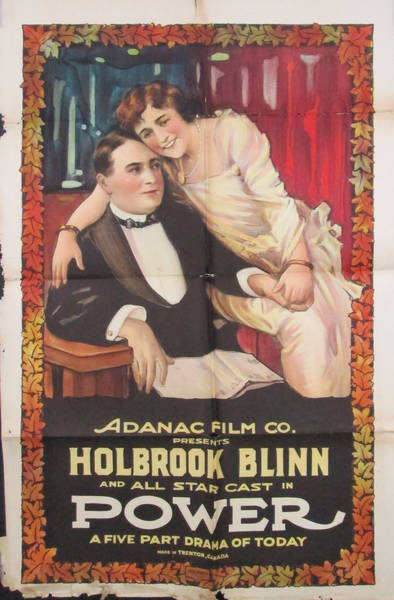
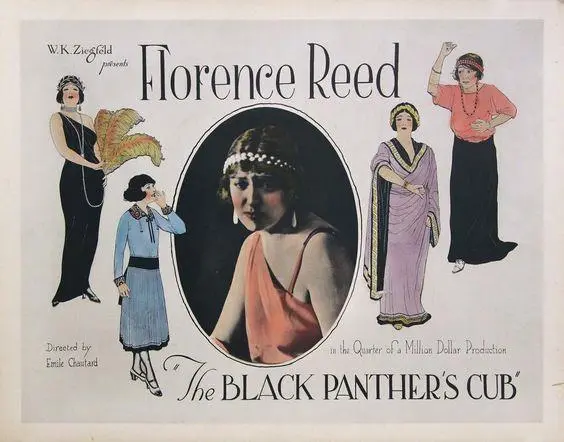
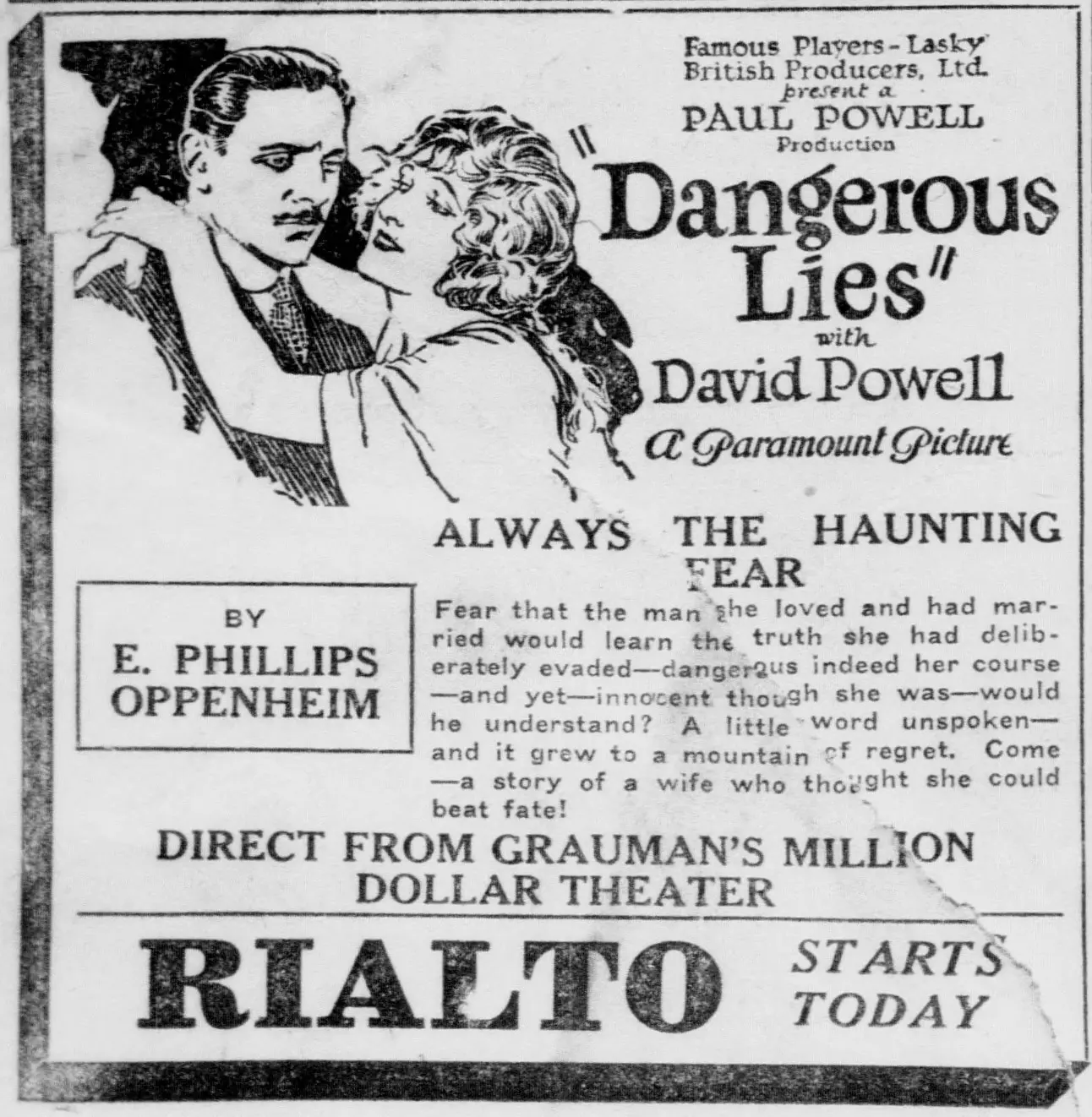
Consider the early dramas and melodramas. A film like The Black Panther's Cub, with its tale of impersonation and a gambling house, or Mary Moreland, exploring themes of divorce and societal expectations, might seem conventional on the surface. Yet, in their time, they touched upon societal anxieties and moral ambiguities. Similarly, Dangerous Lies, featuring a widow whose first husband returns after her second marriage, then dies assaulting her, presented a dramatic complexity that could be seen as pushing societal norms, hinting at the transgressive narratives that would later define cult classics. These films, while not 'cult' in the modern sense, laid groundwork for exploring human flaws and societal cracks.
Even in the realm of early comedy, a certain unpredictability could be found. Imagine the lost Marx Brothers film, Humor Risk, a short comedy horror. The very idea of a 'lost' film, especially one by such iconic figures, instantly grants it a legendary, cult-like status. Or the slapstick antics of Buster Keaton in Back Stage, showcasing a physical comedy that defied logic and embraced chaos. These early experiments in humor, often improvisational and raw, cultivated an appreciation for the absurd and the unconventional that is a hallmark of many beloved cult films.

Whispers of the Forbidden: Tackling Taboos on the Silent Screen
Perhaps the most direct precursors to cult cinema in the early era were films that dared to tackle forbidden subjects. The pre-Code era, in particular, was rife with films that explored themes considered scandalous. While the provided list primarily falls slightly before or during the strictures of the Hays Code, films like The Solitary Sin, which depicted varying experiences with sex education, or Within Our Gates (1920), a powerful and unflinching look at racial injustice and the struggles of an educated black woman in a deeply prejudiced society, stand out. Within Our Gates, in particular, is a foundational text, a film that was controversial in its time and has been rediscovered and celebrated for its historical significance and daring social commentary – the very essence of a cult film that challenges and educates.
The psychological depth found in films like The Case of Becky, dealing with split personalities under hypnotism, or the mystery of A Woman in Grey, revolving around murder and a hidden code, showcased early attempts to delve into the human psyche’s darker corners. These narratives, often unsettling and morally ambiguous, provided a fertile ground for the kind of transgressive storytelling that later generations of cult filmmakers would embrace with open arms.

The Maverick’s Manifesto: Defying Definition and Expectation
The essence of cult cinema lies in its refusal to conform. These are films that often failed to find a mainstream audience upon their initial release, either because they were too strange, too shocking, too ahead of their time, or simply too poorly marketed. Yet, they possess an inherent quality that compels a smaller, dedicated audience to champion them, transforming box office flops into revered artifacts.

Consider the impact of unique visual styles and narrative structures. Even an early adaptation like Alice in Wonderland, with its fantastical premise, holds a certain proto-cult appeal in its departure from realism. The sheer ambition of bringing such a surreal world to the screen, even in its nascent form, speaks to a willingness to experiment that resonates with cult sensibilities. Similarly, the dramatic tales of individuals striving against the odds, like the orphan in Daddy-Long-Legs or the resilient protagonist of Salvation Nell (1921), explore themes of perseverance and non-conformity that are often celebrated in cult narratives.
The Unseen Currents: How Films Find Their Tribe
Many films on our list, like The World's Great Snare or The Green Cloak, are largely forgotten by mainstream history, yet they represent countless stories that, in their own day, offered something slightly off-kilter or uniquely compelling to a segment of the audience. The idea of a 'cult' film really takes hold when a film, for whatever reason, fails to achieve widespread commercial or critical success but builds a passionate following through word-of-mouth, midnight screenings, or niche communities.
This phenomenon is not merely about appreciating an obscure film; it’s about a shared experience, a collective recognition of something special that the wider world missed. It’s the thrill of discovery, the camaraderie of shared taste, and the deep satisfaction of belonging to a community that understands the film’s unique brilliance. This communal aspect is crucial. Cult films are often films that are watched and re-watched, dissected, quoted, and celebrated in ways that mainstream blockbusters rarely are, beyond their initial cultural splash.
Fandom as Fuel: The Enduring Rituals of Cult Devotion
The very definition of a cult film is inextricably linked to its audience. It's the fans who elevate a film from obscurity to iconic status. This devotion often manifests in rituals: dressing up for screenings, reciting dialogue, creating fan art, or participating in online discussions that delve into every frame and philosophical implication. This audience participation transforms passive viewing into an active, almost spiritual, experience.
Consider the diverse narratives of the early 20th century, from the Western adventures of Sandy Burke of the U-Bar-U to the period drama of Little Women. While these might not typically be labeled 'cult' today, they represent the foundational storytelling that, when twisted or presented with a unique vision, could spark intense devotion. The film On Dangerous Ground, a drama about an American surgeon in Germany, might have had elements of political intrigue or moral dilemmas that captivated specific audiences, leading to repeated viewings and discussions, much like a modern cult film.
Beyond the Frame: The Transformative Power of Shared Obsession
The power of cult cinema lies not just in the films themselves, but in their capacity to foster a sense of belonging. For many, these films act as a cinematic sanctuary, a place where unconventional tastes are not just tolerated but celebrated. The characters in these films are often outsiders, rebels, or misfits themselves, mirroring the feelings of alienation that many cult film enthusiasts might experience in mainstream culture. This creates a powerful empathetic connection that transcends the screen.
Even seemingly simple comedies or shorts from the early era, like The Skipper's Narrow Escape or Just a Minute!, could have generated a specific kind of 'inside joke' or shared amusement that built a nascent community. The act of watching a film that is outside the popular current, and finding others who share that appreciation, is a potent force. This is why films like The Midnight Burglar, a social drama about tenement conditions, or The Impostor (1921), a Western about a vagabond crook, could, in their own way, have resonated deeply with specific segments of the population, offering reflections or escapes from their own realities.
The Enduring Legacy: From Obscurity to Oracle
What ties these disparate films across decades and genres together is their enduring resonance. Cult films don't just entertain; they provoke, challenge, and inspire. They become cultural touchstones, influencing subsequent generations of filmmakers and artists. They are often re-evaluated by critics, their initial dismissal giving way to a recognition of their artistic merit or societal prescience.
The stories of lost love and redemption, like Camille (1921) or Eternal Love, while classic melodramas, offer intense emotional experiences that, when viewed through a certain lens, can acquire a cult following for their sheer dramatic power and tragic beauty. Similarly, films about transformation or mistaken identity, such as The Impostor (1921) or Fuss and Feathers, present archetypal narratives that can be reinterpreted and appreciated for their underlying themes of authenticity and societal roles.
The very act of preserving and rediscovering films from the early 20th century, such as those on our list, is a form of cult devotion in itself. Many of these films, like The Wanderer and the Whoozitt or She's Everywhere, are obscure today, yet their existence, their narratives, and their unique place in film history continue to fascinate. They are the ancestral voices of cinematic rebellion, laying the groundwork for the more overt cult movements of later decades.
In conclusion, cult cinema is far more than just a niche market; it is a vital, dynamic force in film culture. It celebrates the weird, the wonderful, and the profoundly human elements that mainstream cinema often overlooks. From the subtle societal critiques embedded in early dramas to the outright surrealism of modern midnight movies, the cult film canon is a testament to the power of art to transcend its immediate context and find its true audience. It’s a continuous conversation between film and viewer, an invitation to look deeper, to question, and to find beauty in the unconventional. These films are not just watched; they are experienced, revered, and kept alive by the passionate communities who recognize their unique, undeniable magic. The esoteric screen continues to glow, beckoning us into its captivating, often challenging, embrace, reminding us that the greatest treasures are often found off the beaten path.
Community
Comments
Log in to comment.
Loading comments…