
Cult Cinema
The Maverick's Mandala: Decoding Cult Cinema's Enduring Cycles of Rebellion and Reverence

“Cult cinema is more than just niche films; it's a vibrant tapestry woven from rebellion, re-evaluation, and profound communal devotion. This article explores the enduring allure of cinematic outcasts, tracing their journey from obscurity to iconic status.”
In the vast, ever-expanding universe of film, where blockbusters dominate headlines and critical darlings bask in awards season glory, there exists a shadowy, yet fiercely vibrant, parallel dimension: cult cinema. These are not merely films that failed to find mainstream success; they are cinematic anomalies, often transgressive, frequently misunderstood, and ultimately elevated to legendary status by devoted, passionate audiences. The journey of a film from obscurity or derision to cult classic is a fascinating sociological and artistic phenomenon, a testament to the enduring power of unique visions and the human desire for belonging.
The Genesis of the Unconventional: Early Sparks of Rebellion
Long before the term 'cult film' entered the popular lexicon, cinema was already birthing productions that defied easy categorization and challenged societal norms. Even in the nascent years of the medium, a thread of unconventional storytelling began to weave itself through the fabric of film history. Consider the early 20th century, an era often perceived as cinematically innocent, yet pregnant with artistic experimentation and social commentary. Films like Ingeborg Holm (1913), with its stark portrayal of a single mother's financial struggles and separation from her children, offered a raw, unflinching look at social issues that would have resonated deeply, perhaps uncomfortably, with contemporary audiences. Similarly, the dramatic narratives of films such as Opium (1919), hinting at themes of revenge and corruption, or the sensationalism implied by titles like The Second Mrs. Tanqueray (1916), exploring complex marital and family dynamics, suggest an early appetite for stories that pushed boundaries, even if subtly.

These early cinematic efforts, though perhaps not 'cult classics' in the modern sense, laid the groundwork for the acceptance of films that dared to be different. They demonstrated that cinema could be more than mere entertainment; it could be a mirror reflecting uncomfortable truths, a canvas for challenging perspectives, or a window into the bizarre. The very existence of dramas like Roads of Destiny (1914) or To the Death (1914), with their intricate plots of betrayal and passion, indicates a willingness to engage with darker, more complex human experiences. This foundational period, marked by a burgeoning artistic freedom and a still-developing industry, inadvertently fostered an environment where the seeds of cinematic rebellion could take root.
Beyond the Mainstream: The Allure of the Unseen
What truly defines a cult film is often its initial rejection or indifference from mainstream audiences and critics. These cinematic outliers rarely conform to conventional narrative structures, genre expectations, or commercial sensibilities. They might be too strange, too violent, too sexually explicit, too philosophical, or simply too far ahead of their time. Films that become cult classics often possess a unique aesthetic or a singular vision that, while initially alienating, eventually finds its dedicated adherents.
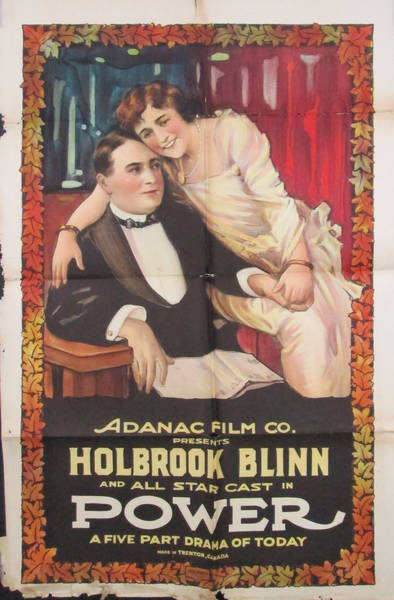
Transgression and Taboo: Challenging the Status Quo
Many cult films gain their notoriety by boldly venturing into territories deemed taboo by mainstream society. They confront uncomfortable truths, explore forbidden desires, or depict violence and depravity with an unflinching gaze. While the provided list of early films largely predates the explicit content often associated with later cult cinema, the thematic underpinnings are present. Imagine the impact of films like The Wolf (1919), which might have explored intercultural relationships or moral ambiguities, or A Law Unto Himself (1916), hinting at themes of justice and identity that could challenge established norms. Even comedies like Should Brides Marry? (1914) could have subtly questioned gender roles or marital expectations of the era.
This willingness to transgress, whether through subject matter, visual style, or narrative structure, is a hallmark of cult cinema. It appeals to viewers who feel alienated by sanitized mainstream offerings, seeking films that reflect a more complex, often darker, reality or fantasy. The shock value, initially a barrier to widespread acceptance, becomes a badge of honor for the initiated, a secret handshake among those who appreciate the film's audacity.
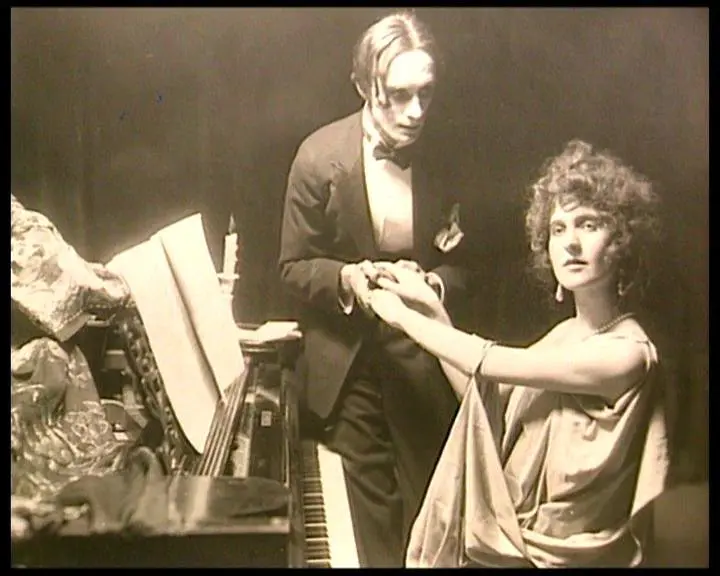
Aesthetic Anomalies and Singular Visions
Beyond content, the sheer stylistic audacity of a film can cement its cult status. Directors who possess a truly unique visual language or narrative approach, often operating outside the studio system, produce works that stand apart. These films might be visually stunning in an unconventional way, employ experimental editing, or feature performances that are wildly over-the-top or subtly unsettling. Think of the distinct visual identity implied by foreign titles like Perlen bedeuten Tränen (1917) or Denn die Elemente hassen (1917), suggesting cinematic traditions distinct from Hollywood's nascent conventions. Even early comedies like Charlie in Turkey (1919) or The Gum Riot (1917), with their potential for slapstick and quirky scenarios, could have developed a niche following for their particular brand of humor and visual gags.
This distinctiveness is crucial. Cult films are not merely 'bad' films; they are often deeply idiosyncratic works, where perceived flaws become part of their charm. A clumsy special effect, an awkward line reading, or an illogical plot twist can be re-interpreted by devoted fans as intentional artistic choices, adding layers to the film's mystique. This re-evaluation process is central to the cult phenomenon, transforming perceived weaknesses into strengths and accidental brilliance into deliberate genius.
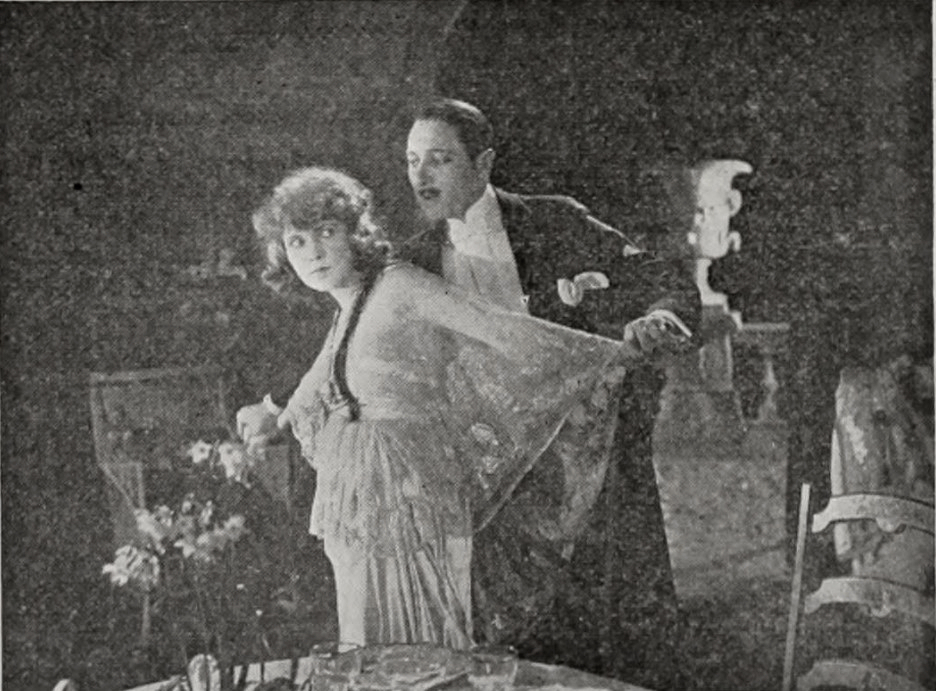
The Birth of a Community: From Isolation to Idolatry
Perhaps the most defining characteristic of cult cinema is the community it fosters. Films don't become cult classics in a vacuum; they are elevated by audiences who discover them, obsess over them, and share their passion with others. This transformation from obscure curiosity to revered object of fandom is a deeply communal process.
Finding Your Tribe: The Outsider's Embrace
Cult films often speak to a specific demographic, an 'outsider' sensibility, or a particular subculture. They offer a sense of validation and belonging to those who feel marginalized by mainstream culture. The themes of alienation, rebellion, or unconventional romance found in many cult films resonate deeply with viewers who see their own experiences or desires reflected on screen. Even historical dramas or westerns from the early era, such as The Battle of Shiloh (1913) or The Wolverine (1916), could have found dedicated audiences who appreciated their specific historical perspective or genre conventions, forming early, albeit nascent, fan communities.

The shared experience of appreciating a film that others don't 'get' creates a powerful bond. It's a secret handshake, a badge of honor. This sense of exclusivity and shared understanding reinforces the film's special status, making it more than just a movie; it becomes a cultural touchstone for a specific group. This is where the 'cult' in cult cinema truly manifests – a dedicated following that practices rituals of viewing, discussion, and celebration.
Midnight Screenings and Interactive Viewership
The legendary midnight movie circuit of the 1970s and 80s played a pivotal role in solidifying the concept of cult cinema. Films like Eraserhead, Pink Flamingos, and The Rocky Horror Picture Show found their true home in these late-night screenings, where audiences didn't just watch the film – they interacted with it. They dressed up, shouted lines, threw props, and turned a passive viewing experience into an active, participatory event. This communal ritual transformed films from mere entertainment into cultural phenomena.

While the early films in our context list wouldn't have had midnight screenings in the modern sense, the idea of repeated, dedicated viewership and discussion was likely present. Imagine audiences eagerly awaiting the next installment of a serial or revisiting a favorite short comedy like Back from the Front (1917) or Auf dem Oktoberfest (1917). The fervent discussions around the tragic narrative of The Flash of an Emerald (1915) or the moral dilemmas of Paying His Debt (1918) could have formed early, informal fan communities, laying the psychological groundwork for later, more organized cult followings.
The Enduring Legacy: Re-evaluation and Reclamation
One of the most compelling aspects of cult cinema is its ability to defy initial critical and commercial failures, finding a second life and eventual critical re-evaluation. Films once dismissed as bizarre or incompetent are often reclaimed by subsequent generations, recognized for their artistic merit, cultural significance, or sheer entertainment value.

Ahead of Their Time: Visionary Artistry
Many cult films were simply too avant-garde or innovative for their contemporary audiences. Directors like David Lynch, John Waters, and Alejandro Jodorowsky often produced works that challenged cinematic conventions, pushing the boundaries of storytelling and visual artistry. Their films, initially baffling or alienating, are now celebrated for their visionary qualities. The early experiments in storytelling, even in simpler forms like The Chechako (1914) or A Common Level (1915), could be seen as nascent attempts to break new ground in narrative or character development, foreshadowing later, more overt cinematic rebellions.
This re-evaluation often comes with the passage of time, as cultural tastes evolve, and new critical perspectives emerge. What was once considered a flaw can become a unique stylistic choice, and a confusing narrative can be reinterpreted as profound ambiguity. The historical distance allows for a clearer appreciation of the film's original intent or its accidental genius.

The Power of Word-of-Mouth and Digital Communities
In the pre-internet era, cult films spread through word-of-mouth, fanzines, and dedicated repertory cinemas. Today, digital platforms, streaming services, and social media have accelerated this process, allowing niche films to find their audiences globally with unprecedented speed. Online forums, fan wikis, and YouTube essays dissect every frame, every line, and every hidden meaning, deepening the engagement and expanding the community.
Even for the silent films on our list, like Poor Relations (1919) or Rent Free (1919), the modern digital age allows for their rediscovery. Archival access and restoration efforts mean that these historical artifacts, once confined to dusty vaults, can now be streamed and discussed by new generations of cinephiles. This digital accessibility breathes new life into forgotten gems, potentially forging new cult followings for works that were never intended for such widespread, retrospective appreciation.

The Mandala of Maverick Cinema: A Continuous Cycle
The journey of a cult film is a cyclical one, much like a mandala – a symbolic representation of the universe. It begins with a creative spark, a unique vision often born outside commercial constraints. This vision then enters the world, often facing initial resistance or indifference. It finds its initial adherents, a small but dedicated group who recognize its unique value. Through repeated viewings, shared experiences, and passionate discourse, a community forms, cementing the film's status as a cult object.
Over time, this communal devotion leads to re-evaluation, as critics and academics catch up to what fans have known all along. The film is reclaimed, its artistic merits acknowledged, and its place in cinematic history secured. Yet, even as it gains wider acceptance, it retains its 'cult' edge, its association with the unconventional and the rebellious. This cycle then inspires new filmmakers to push boundaries, creating the next generation of maverick cinema.

From the early, unvarnished dramas like The Truant Husband (1911) or Paying His Debt (1918), which explored complex human frailties, to the more overtly transgressive works of later decades, the spirit of cult cinema has always been present. It's in the experimental narratives suggested by More Trouble (1912) or the intricate character studies implied by Bill Henry (1919). It lives in the genre-bending potential of films like Dew Drop Inn (1919), where chaos and unexpected turns might have delighted niche audiences. Even the dramatic biographies like Sam Davis, the Hero of Tennessee (1913) could have resonated with a specific patriotic or historical niche, fostering deep appreciation.
The beauty of cult cinema lies in its resistance to easy classification. It thrives in the margins, challenging perceptions and inviting viewers to look deeper, to question, and to connect on a profound level. It celebrates the weird, the wonderful, and the truly unique, ensuring that the maverick's vision, no matter how initially obscure, will always find its fervent admirers and its rightful place in the grand tapestry of cinematic art.
The films on our inspiration list, while largely forgotten by mainstream history, represent the earliest echoes of this enduring phenomenon. They are silent witnesses to cinema's ongoing fascination with the unconventional, the dramatic, and the outright strange. They remind us that the seeds of cult fandom were sown in the very first reels, demonstrating a continuous, unbroken line of cinematic rebellion that continues to captivate and inspire audiences today. The cult of the unorthodox is not a modern invention; it is an inherent part of cinema's soul, a perpetual cycle of discovery, devotion, and defiance.
Community
Comments
Log in to comment.
Loading comments…