
Cult Cinema
The Midnight Sacrament: Unlocking the Enduring Rituals and Transformative Power of Cult Cinema

“Dive deep into the enigmatic world of cult cinema, exploring its historical roots, its maverick spirit, and the profound, transformative power it holds over its dedicated devotees. This article uncovers the allure of films that defy convention, fostering unique communities and enduring legacies.”
In the vast, ever-shifting landscape of cinematic expression, certain films refuse to conform. They eschew mainstream appeal, often languishing in obscurity upon initial release, only to be resurrected by a passionate, dedicated fandom. These are the titans of cult cinema, a phenomenon far more profound than mere box-office success or critical acclaim. Cult films are not just movies; they are experiences, rituals, and sacraments for those who find solace, challenge, and identity within their unconventional frames. From the transgressive narratives of early 20th-century melodramas to the genre-bending oddities that continue to confound and captivate, cult cinema represents a rebellion against the mundane, a sanctuary for the cinematic soul.

The Genesis of Devotion: Early Sparks of the Cult Phenomenon
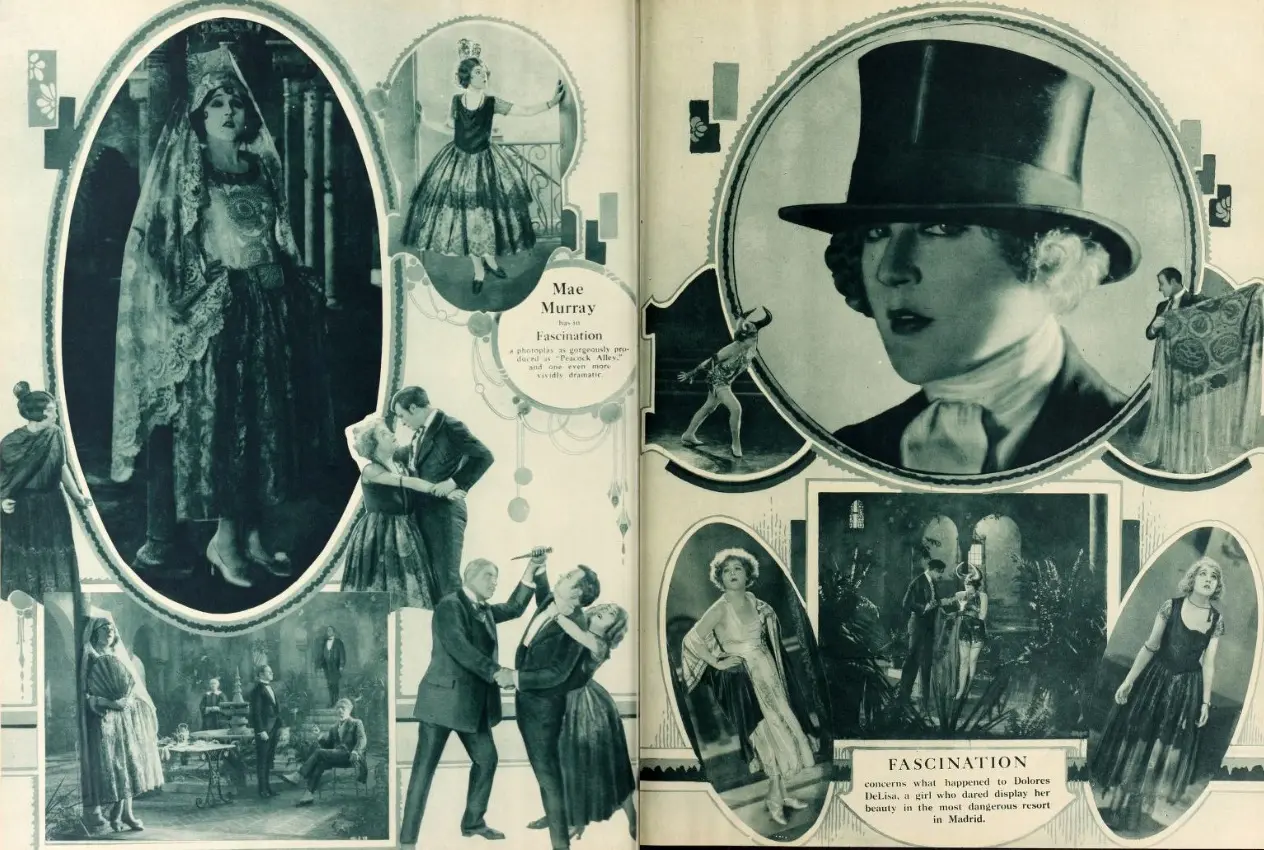
While the term 'cult film' might evoke images of midnight screenings in the 1970s, the seeds of this unconventional devotion were sown far earlier, in the nascent days of cinema itself. Even within the silent and early sound eras, films emerged that pushed boundaries, explored taboo subjects, or simply possessed a peculiar magnetism that set them apart. These early cinematic experiments, often overlooked by mainstream audiences of their time, held elements that would later define the cult canon: a willingness to experiment with narrative anarchy, a fascination with the grotesque or the morally ambiguous, and characters who dared to defy societal norms.

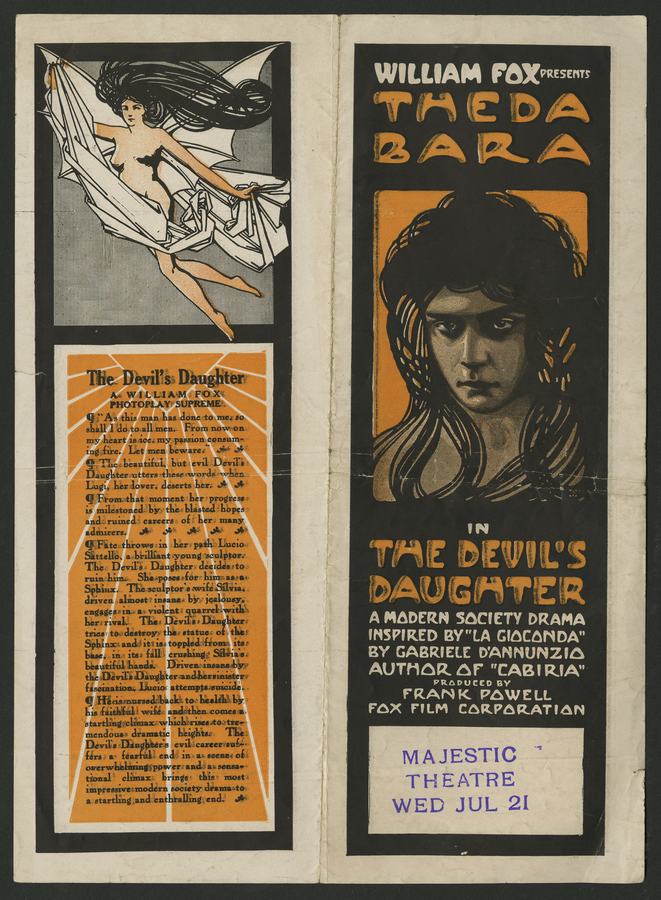
Consider the melodramatic intensity of films like ‘The Galley Slave’, where a woman’s revenge against her husband’s misanthropic uncle drives a narrative of emotional extremism, or ‘The Devil's Daughter’, depicting a woman's vengeful quest to ruin men after being deserted. These narratives, while perhaps fitting within the dramatic conventions of their era, hint at a deeper, more primal engagement with themes of transgression and consequence. They weren't just stories; they were heightened realities, exploring the darker facets of human nature with a dramatic flair that could resonate deeply with a select few. The sheer audacity of these early storytellers, tackling themes of infidelity, revenge, and moral decay, laid an unseen foundation for future cinematic rebellion.
Maverick Visions and Taboo Explorations
The early 20th century was a period of rapid social change, and cinema, despite its infancy, was quick to reflect and sometimes provoke. Films like ‘Es werde Licht! 2. Teil’, which bravely tackled the moral implications of syphilis, or ‘Anita’, delving into the unsettling world of hypnotism and psychological horror, were arguably proto-cult films. They addressed subjects deemed uncomfortable or even forbidden, inviting a different kind of audience engagement—one born out of curiosity, shock, or a shared sense of defiance against conventional morality. These films, far from aiming for universal appeal, carved out niche audiences by virtue of their daring subject matter and often stark, unvarnished portrayals.

Even within seemingly innocuous genres like comedy or westerns, a maverick spirit could emerge. The slapstick antics of shorts like ‘The Jail Bird’ or ‘Scrappily Married’, while designed for laughs, often pushed the boundaries of absurdism and social commentary, satirizing societal norms in ways that could create a lasting, albeit niche, appreciation. Westerns like ‘A Man in the Open’ or ‘The Last Trail’, featuring anti-heroes, mistaken identities, and struggles against corrupt systems, offered a more complex, less idealized vision of the frontier, appealing to those who sought subversive narratives beyond simple good-versus-evil tropes. This early inclination towards the unusual, the provocative, and the morally complex laid the groundwork for the diverse landscape of modern cult cinema.

The Architecture of the Abnormal: What Defines a Cult Film?
What elevates a film from mere obscurity to a cherished cult classic? It's a complex alchemy, often involving a combination of transgressive themes, unique aesthetics, a passionate audience, and a narrative that defies easy categorization. Cult films are often misunderstood, critically panned, or simply ignored upon their initial release. Their power lies not in their immediate reception, but in their ability to resonate deeply with a specific segment of the audience, often years or even decades later.

Defiance of Convention and Genre Blending
A hallmark of cult cinema is its audacious defiance of conventional filmmaking. This can manifest as genre-bending experimentation, where films refuse to be neatly pigeonholed. Consider films like ‘The Girl of My Heart’, a blend of adventure, drama, western, and romance, or ‘The Millionaire Pirate’, which mixes modern settings with pirate lore. Such genre fluidity creates a unique viewing experience, challenging audience expectations and often resulting in a film that feels singular and inimitable. This refusal to adhere to established formulas is precisely what draws cult audiences, who crave originality and a break from predictable storytelling.
Beyond genre, cult films often challenge societal norms and moral boundaries. They might explore forbidden desires, depict graphic violence, or delve into themes that mainstream society finds uncomfortable. The psychological complexities in ‘Jealousy’ or the intense familial drama of ‘The House of Temperley’, while perhaps not overtly transgressive by modern standards, represent early forays into the dark underbelly of human emotion. These films, in their own time, pushed the envelope of what was acceptable on screen, paving the way for the more explicit subversive narratives that would define later cult classics. They provide a space for audiences to confront uncomfortable truths, explore alternative perspectives, and engage with narratives that reflect the messy, often contradictory nature of existence.
The Allure of the Outcast and the Unseen
Many cult films feature protagonists who are outsiders, rebels, or misunderstood figures. These characters, often marginalized by society, become powerful conduits for audience identification. Whether it's the female street urchin disguised as a boy in ‘The Microbe’, fighting for survival, or the vengeful figures in dramas like ‘They Shall Pay’ and ‘Riddle Gawne’, cult cinema often champions the underdog and critiques oppressive systems. This focus on the maverick individual resonates deeply with audiences who feel alienated or disenfranchised, offering a mirror to their own experiences and a sense of shared understanding.
Furthermore, the aesthetic peculiarities and narrative oddities contribute significantly to a film's cult status. Films that possess a unique visual style, unconventional pacing, or an inexplicable charm often find a dedicated following. The surreal elements hinted at in a title like ‘In Slumberland’, or the intriguing premise of ‘De lefvande dödas klubb’ (The Living Dead Club), suggest a departure from realism that can be profoundly appealing to those seeking something beyond the ordinary. These films often create their own internal logic, inviting viewers to immerse themselves in a world that operates by different rules, fostering a sense of discovery and intellectual engagement that mainstream cinema rarely offers.
The Midnight Ritual: Fandom, Community, and Enduring Legacy
The true power of cult cinema lies in its ability to forge communities. A cult film isn't just watched; it's experienced, discussed, analyzed, and often performed. The midnight movie phenomenon, born from the desire to experience these films collectively, transformed solitary viewing into a communal ritual. Audiences dress up, recite lines, and interact with the screen, turning a passive experience into an active celebration. This shared devotion creates a sense of belonging, a sanctuary for the unconventional.
From Obscurity to Oracle: The Audience as Architect
Many cult films gain their status not through critical praise, but through the unwavering dedication of their fans. Films like ‘Beatrice Fairfax’, an early serial about a female crime-fighting reporter, or the dramatic adventures in ‘The Secret Formula’, might have initially captivated audiences with their episodic thrills. Over time, the collective memory and continued appreciation for such unique offerings transform them into cherished artifacts. The audience, in a sense, becomes an architect, shaping the film's legacy and elevating it to an iconic status it might never have achieved otherwise.
This transformative power of fandom is what gives cult cinema its enduring heartbeat. It's a testament to the idea that art isn't solely defined by its creators or initial critics, but by its audience. The shared passion for films that defy easy consumption creates a vibrant subculture, rich with inside jokes, reinterpretations, and a collective understanding that transcends the film itself. This is where films like ‘A Tailor-Made Man’, a comedy about social climbing through appearances, or ‘Mistress Nell’, a historical romance with political intrigue, find new life and deeper meaning for those who appreciate their particular charm and cinematic oddities.
The Unconventional Canon: A Legacy of Rebel Spirit
The unconventional canon of cult cinema continues to expand, absorbing new films while cherishing its historical roots. The themes that resonated in early films—the struggle for identity, the critique of power, the exploration of forbidden desires, the triumph of the individual against the odds—remain timeless. Whether it's the strong female characters in ‘A Lady of Quality’ or ‘The Girl Without a Soul’, or the battles against injustice in ‘The Fighting Brothers’ and ‘The Masked Rider’, these early narratives contain the proto-cult DNA that still appeals to audiences today. They offer a refreshing counter-narrative to the polished, predictable offerings of mainstream Hollywood, reminding us that there is profound beauty and meaning to be found on the fringes.
Cult cinema is an ever-evolving dialogue between film and audience, a testament to the enduring human need for stories that challenge, provoke, and connect. It’s a celebration of the maverick vision, the misunderstood masterpiece, and the collective power of shared obsession. The films that populate this unique realm, from the forgotten gems of the silent era to contemporary genre-benders, offer more than mere entertainment; they offer a transformative journey, a midnight sacrament where the unconventional reigns supreme and cinematic devotion finds its truest expression. In a world increasingly homogenized, cult cinema remains a vital, vibrant space for artistic freedom and authentic connection.
Community
Comments
Log in to comment.
Loading comments…