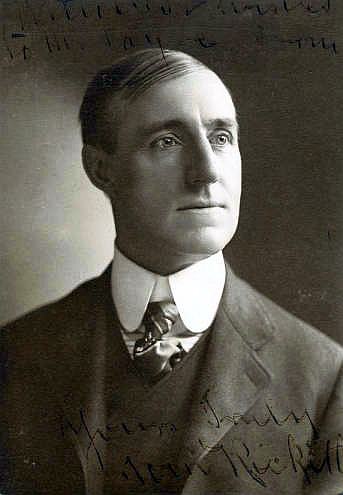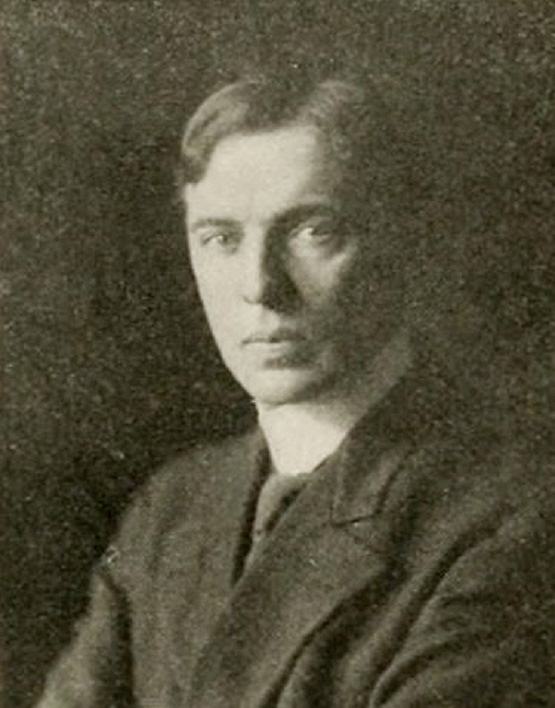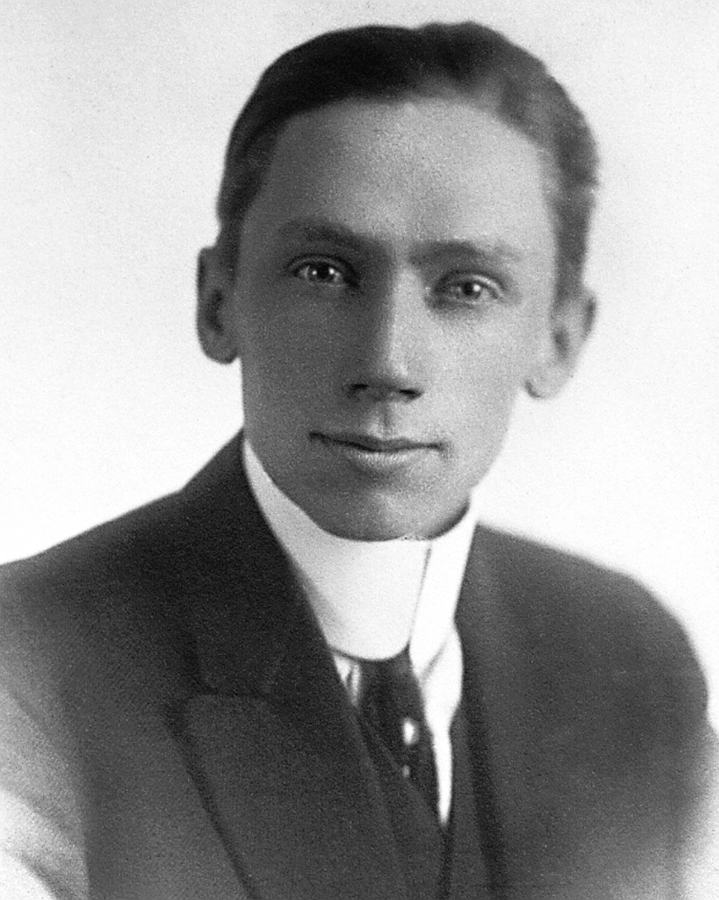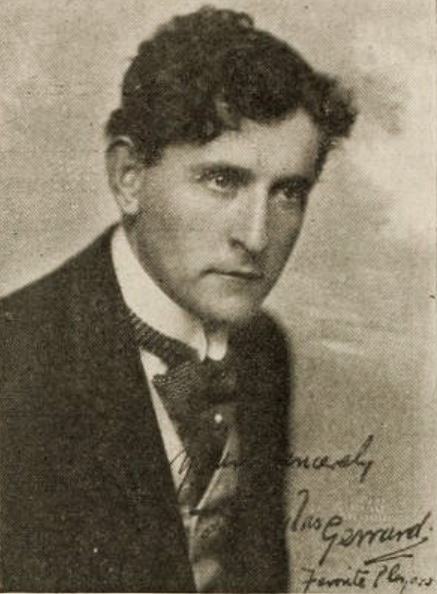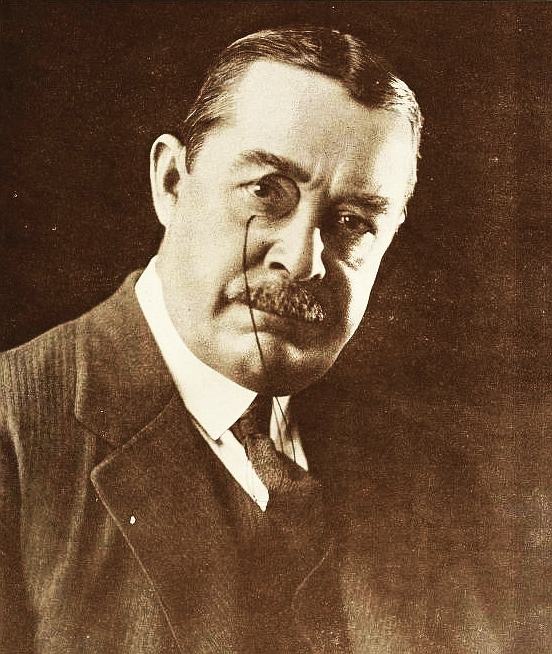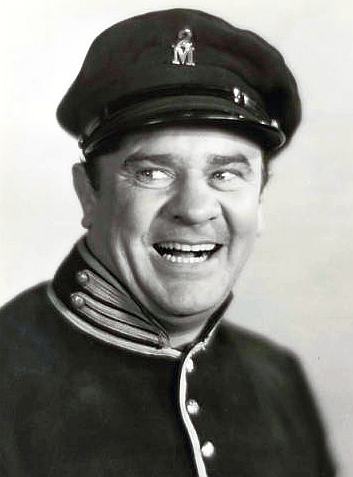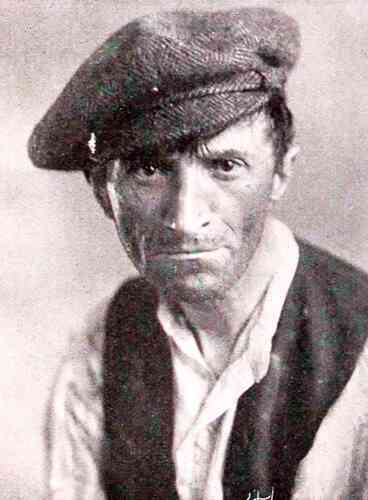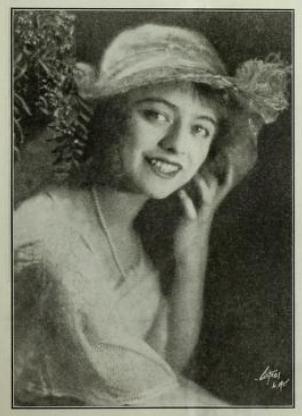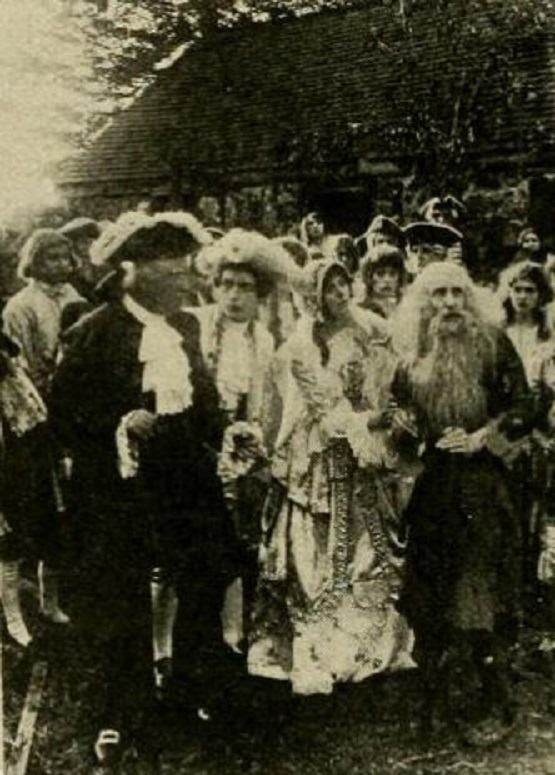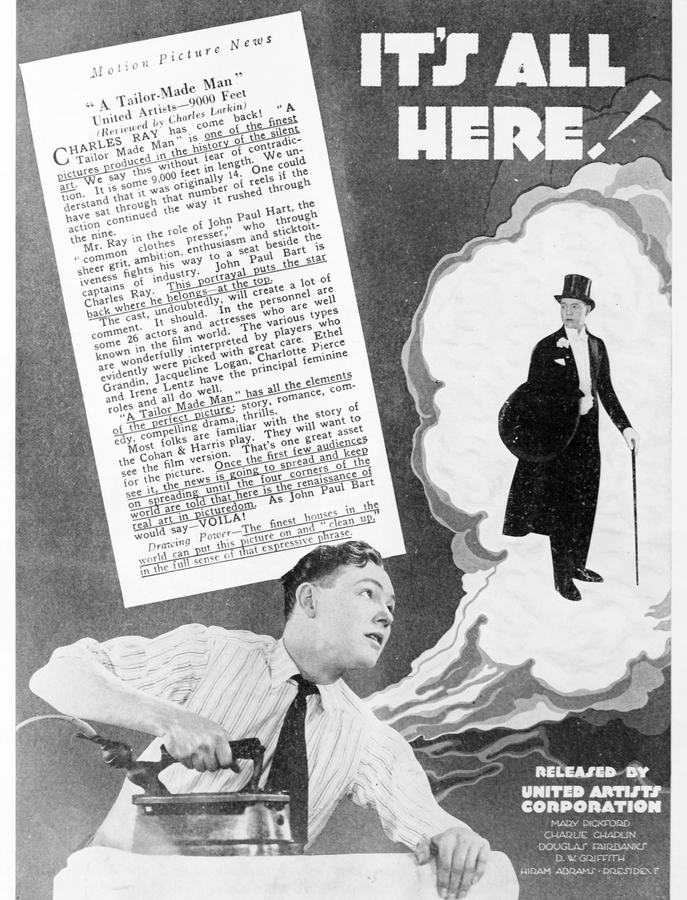
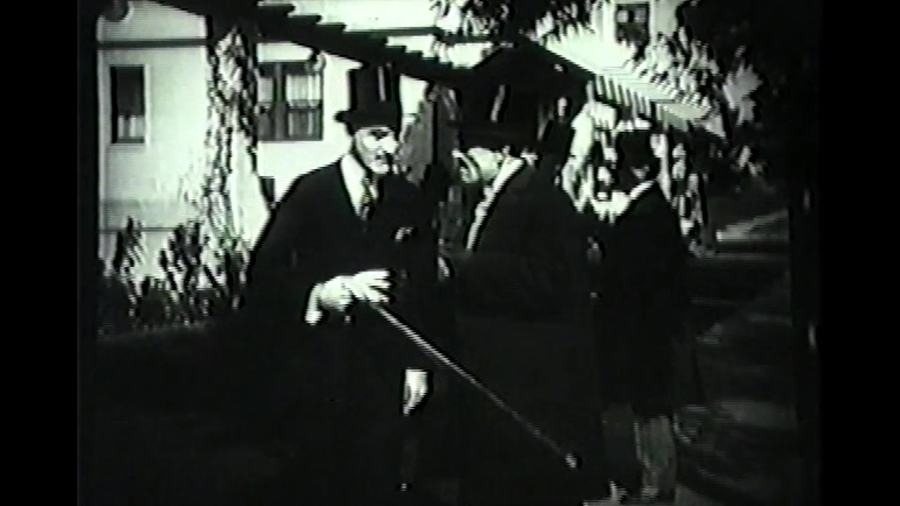
John Paul Bart, a presser who has high respect for the favorable impression created by expensive clothes, "borrows" a suit to wear to an exclusive reception. There he attracts the attention of shipping magnate Abraham Nathan, who hires John Paul to handle his company's labor problems.
In the flicker of 1922 nitrate, A Tailor-Made Man drapes itself across the screen like a perfectly cut bolt of midnight wool: deceptively smooth, impossibly reflective, and hiding a thousand loose ends. The film’s central conceit—an unassuming presser who steps into the skin of privilege via stolen worsted—is less a n...
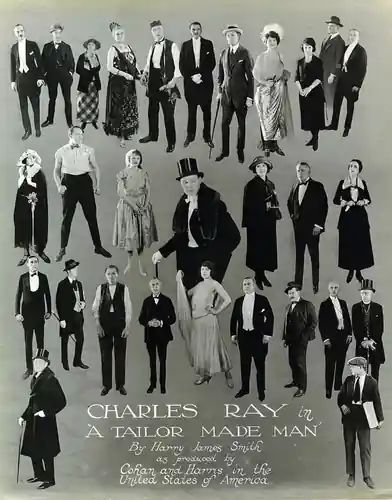
production_art
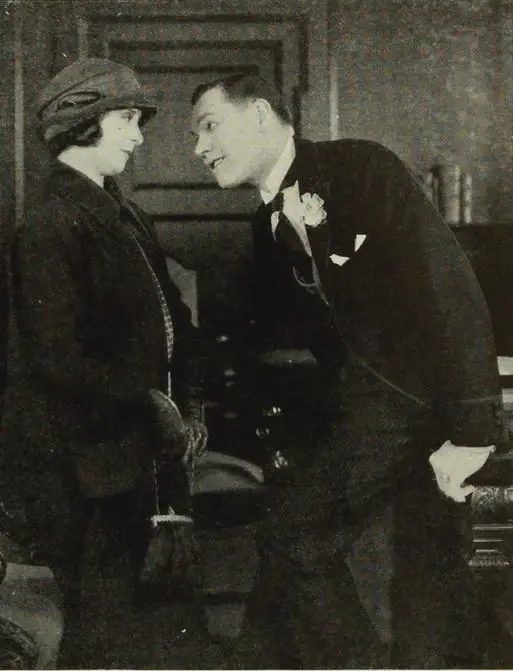
still_frame
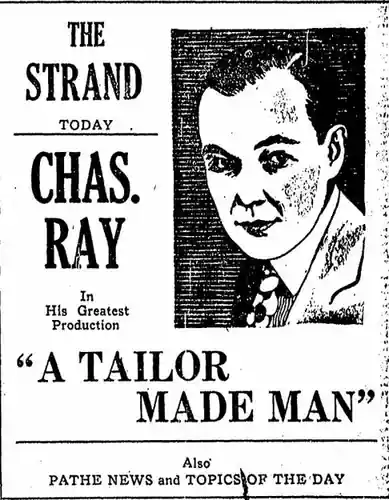
production_art
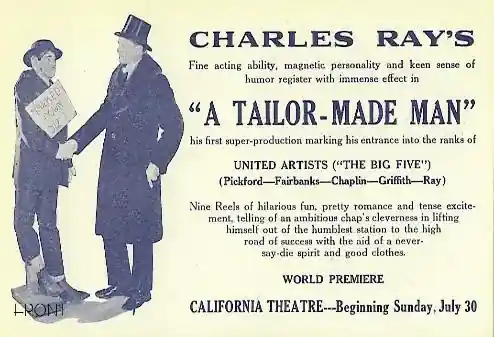
production_art
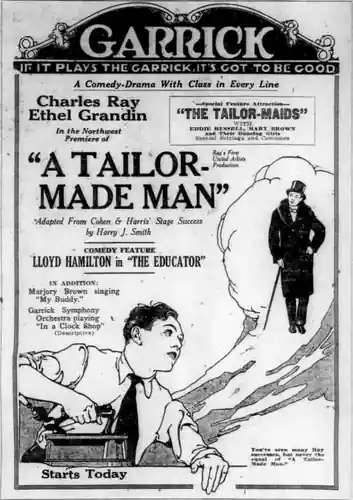
production_art
Comparing the cinematic DNA and archive impact of two defining moments in cult history.
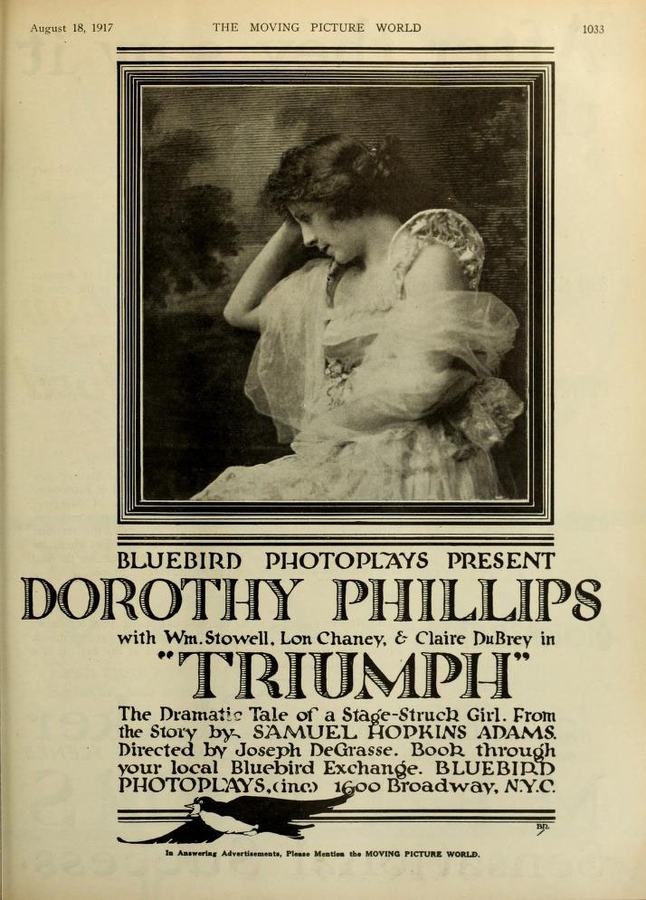
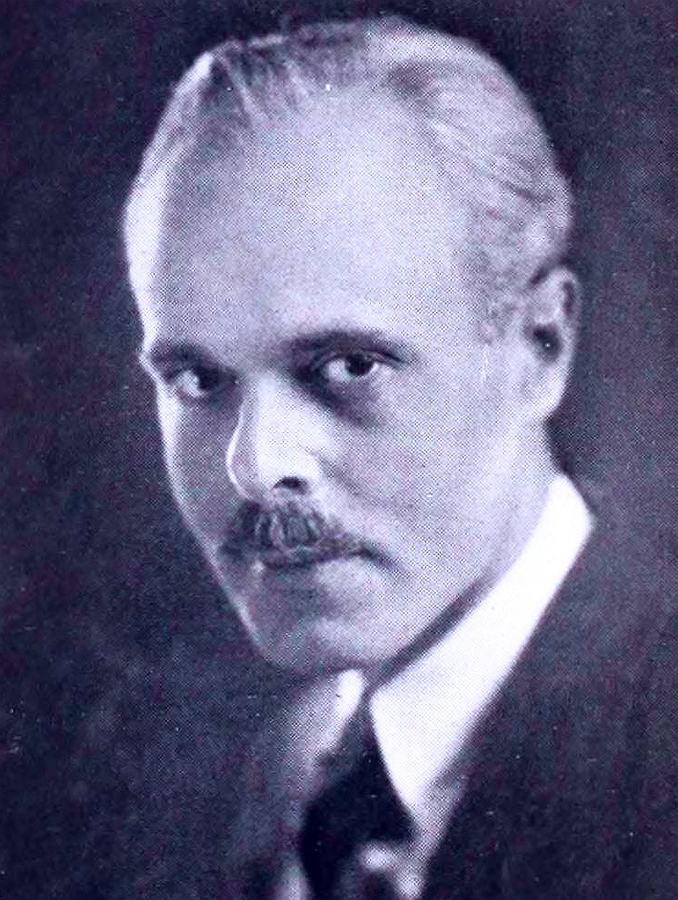
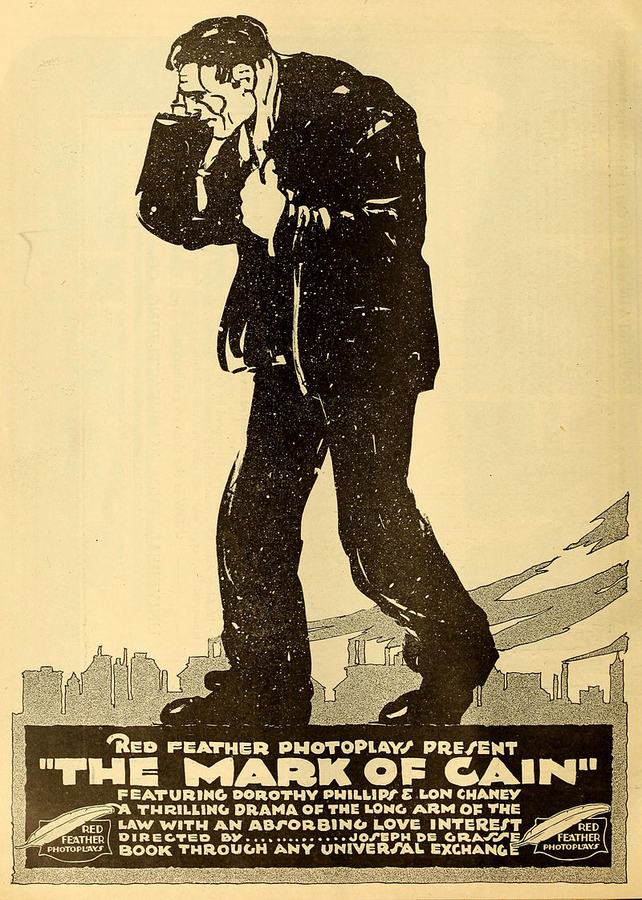
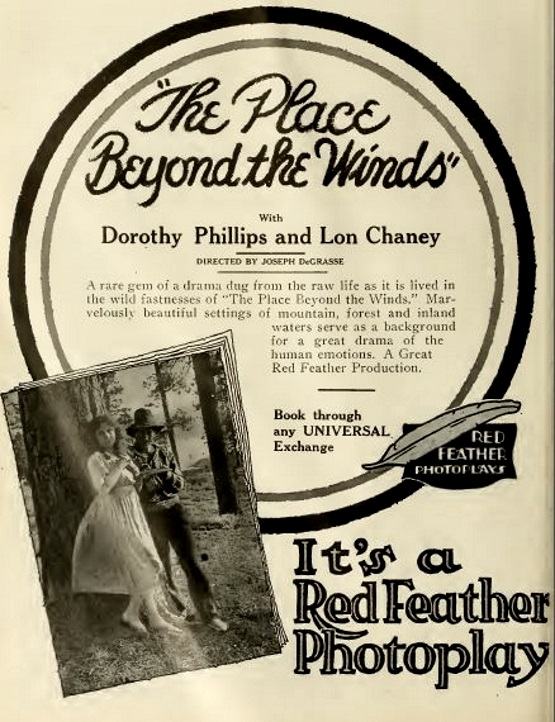
Joseph De Grasse
Joseph De Grasse
Community
Log in to comment.
" In the flicker of 1922 nitrate, A Tailor-Made Man drapes itself across the screen like a perfectly cut bolt of midnight wool: deceptively smooth, impossibly reflective, and hiding a thousand loose ends. The film’s central conceit—an unassuming presser who steps into the skin of privilege via stolen worsted—is less a narrative hook than a philosophical gauntlet hurled at the feet of an America busy mythologizing self-invention while clinging to the silk lining of inherited hierarchy. The Lustro..."
Harry James Smith, Albert Ray
United States
Deep dive into the cult classic
Discover similar cinematic experiences
A Directorial Spotlight on Joseph De Grasse