
Cult Cinema
The Phosphor Pilgrimage: Unearthing the Primal Transgressions and Rebel Rhythms of Cinema's Original Midnight Mavericks
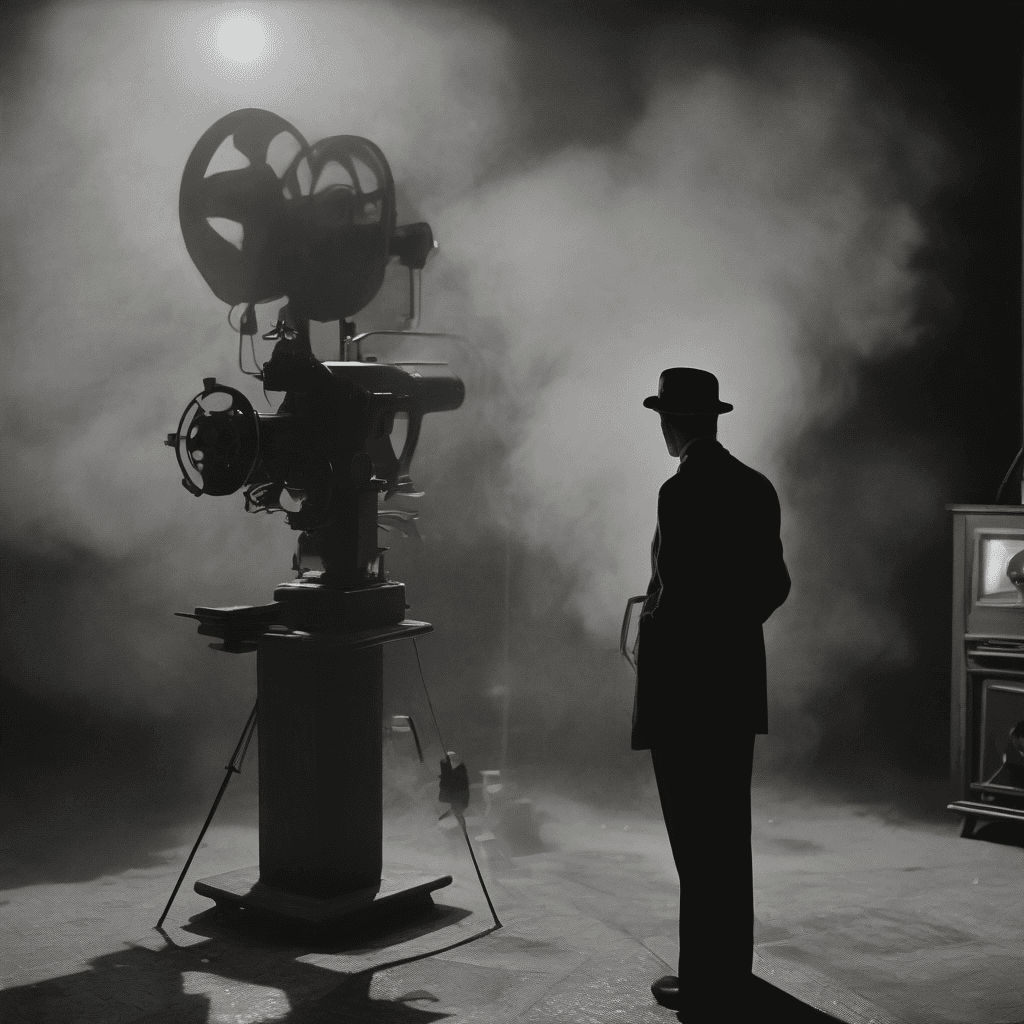
“Explore the foundational DNA of cult cinema through the lens of early 20th-century outliers and the transgressive narratives that birthed the midnight movie phenomenon.”
To understand the modern obsession with cult cinema, one must look past the neon-soaked 1980s or the midnight madness of the 1970s. The true genesis of the cult film ethos lies in the flickering shadows of the silent era and the pre-code underground. It is a world where the boundaries of morality, narrative structure, and societal norms were first tested by filmmakers who dared to operate on the fringes. These early mavericks didn't just make movies; they engineered a rebel rhythm that continues to beat in the hearts of cinephiles today. From the hypnotic terrors of the occult to the gritty social realism of the street, the foundations of the cult experience were laid long before the term was even coined.
The Hypnotic Gaze: Occultism and the Silent Psyche
One of the most enduring pillars of cult cinema is the exploration of the supernatural and the subconscious. In the 1920s, this was often manifested through the figure of the hypnotist or the mad scientist. Take, for instance, The Sleep of Cyma Roget. The narrative of a young woman falling under the influence of the evil Hindu scientist Chandra Dak, who can cast her into a state resembling death, is a primal blueprint for the psychological horror that would later define cult classics. This film tapped into a collective anxiety about the loss of agency and the power of the unseen, a theme that resonates through the ages. It is this sense of the "uncanny" that draws the cult audience in—a desire to witness the impossible and the forbidden.
This fascination with the hypnotic and the arcane is further reflected in works like Solomon's Temple. While often categorized as a documentary or a short of historical interest, its focus on the meticulous design and construction of a sacred space appeals to the same niche devotion that drives fans to memorize every frame of a cult masterpiece. Cult cinema is, at its core, a sacred ritual, and these early explorations of temples and hypnotic trances provided the liturgical framework for the midnight congregations of the future.
The Outlaw Identity: Renegades of the Redwoods and the East Side
The cult hero is rarely a traditional protagonist. They are more likely to be found among the outcasts, the criminals, and the social pariahs. Early cinema was rife with these anti-heroes. In A Romance of the Redwoods, we see a young girl traveling west only to find her uncle replaced by an outlaw. This subversion of identity and the embrace of the criminal element is a hallmark of the cult narrative. The outlaw isn't just a villain; they are a symbol of resistance against a rigid social order.
Gritty Realism and the Street Urchin
Similarly, the film Kick In presents us with "Chick" Hewes and his pal Benny, street urchins who become crook gangsters. This dive into the East Side's underbelly provided a raw, unfiltered look at life on the margins. Cult audiences have always been drawn to the authentic and the abrasive. The struggle of the "lower depths" is not just a plot point; it is a visceral experience that creates a deep, empathetic bond between the viewer and the screen. This is the same energy that would later fuel the grindhouse movement and the independent cinema of the 1990s.
The Moral Gray Zone: Transgression as Art
Cult cinema thrives in the gray areas of morality. It is where the "good" and "bad" are blurred, and the audience is forced to confront uncomfortable truths. The Polish Dancer is a perfect example of this. It tells the story of an immoral small-town girl who steals from her lover to find fame in the city, eventually seducing a married man. This narrative of social climbing through transgression was scandalous for its time, but it is precisely this kind of moral ambiguity that attracts a cult following. We are fascinated by the character who breaks the rules, even if their journey leads to ruin.
Similarly, A Soul Enslaved explores the life of a woman who becomes a mistress to escape poverty. These films didn't shy away from the harsh realities of gender, class, and survival. They offered a counter-narrative to the polished, sanitized versions of life presented by the mainstream studios. By depicting the transgressive path, these films spoke to an audience that felt alienated from the status quo—the original "misfits" of the movie theater.
Decadence, Disaster, and the High Society Bounder
If cult cinema is about the fringe, it is also about the spectacular failure of the center. The critique of the wealthy and the elite is a recurring theme. In In Folly's Trail, we witness a weekend party given by a "social bounder" named Max Goldberg. The ensuing chaos and moral decay provide a sharp critique of the upper classes. Cult films often delight in the grotesque excess of the rich, turning their rituals into a source of dark comedy or horror.
Isolation and the Shipwrecked Soul
Then there is the theme of isolation, as seen in Souls Adrift. Shipwrecked on an island after a yacht explosion, the characters are stripped of their societal trappings and forced to confront their primal selves. This "island mentality" is a core component of many cult classics, where a small group of people is trapped in a bizarre or dangerous situation. Whether it's a desert island, a haunted house, or a dystopian city, the pressure cooker of isolation reveals the true nature of the human condition.
The Architecture of the Midnight Mindset
What makes a film "cult" is not just the content on the screen, but the way it is consumed. The midnight movie is a communal experience, a shared discovery of something hidden or forgotten. Early films like The Bullshevicks, a burlesque of the Bolshevik movement, or The Road to Ruin, a cautionary tale that became a camp classic, show how the audience's gaze can transform a film's meaning. What was intended as a serious message or a simple comedy can, through the lens of time and a subversive perspective, become something entirely different.
Cult cinema is an act of reclamation. It is the audience taking a film that the mainstream has discarded—like Uno de abajo, with its raw depiction of alcoholism and the white slave trade—and elevating it to the status of a masterpiece. This process of niche devotion is what keeps cinema alive. It ensures that the weird, the wild, and the wonderful are never truly lost to the archives.
The Legacy of the Silent Misfits
As we look back at these early works, we see the DNA of everything we love about cult cinema today. The narrative anarchy of Beauty and the Beast (the 1916 short), the mystery of The Girl in the Web, and the social commentary of Winning with Wits all contributed to a cinematic language that speaks to the rebel in all of us. These films were the first to suggest that the screen could be a place for the strange, the uncomfortable, and the revolutionary.
The Phosphor Pilgrimage is not just a journey into the past; it is a celebration of the enduring power of the fringe. It is a reminder that as long as there are filmmakers willing to take risks and audiences willing to follow them into the dark, the spirit of cult cinema will never die. We continue to seek out these celluloid anomalies because they offer something the mainstream cannot: a glimpse into the true, unfiltered heart of the human experience, in all its transgressive glory.
Conclusion: The Eternal Flame of the Underground
In the end, cult cinema is about more than just movies; it's about the unbreakable bond between the art and the fan. It's about the films that shouldn't have worked, the stories that were too strange for their time, and the characters that refused to be forgotten. From the silent screams of the 1910s to the digital revolutions of today, the maverick spirit remains the same. We are all pilgrims in this phosphor-lit landscape, searching for the next secret masterpiece that will change the way we see the world. And as we've seen, that journey often begins in the most unexpected of places—in the shadows of the silent era, where the original renegades first dared to dream.
Community
Comments
Log in to comment.
Loading comments…