
Cult Cinema
The Unconventional Canvas: How Cult Cinema Paints Its Enduring Legacy on the Fringes

“Cult cinema thrives on the fringes, celebrating the bizarre, the transgressive, and the misunderstood. This deep dive explores the enduring allure and historical roots of films that defy mainstream appeal yet forge powerful, often lifelong, connections with their dedicated audiences.”
In the vast, ever-expanding tapestry of cinematic history, certain films refuse to conform. They eschew traditional narratives, challenge societal norms, or simply arrive at the wrong time, only to be resurrected by a devoted following. These are the films of the cult cinema canon, a vibrant, often volatile collection of works that define their own rules and build their own altars. Far from being mere curiosities, cult films represent a powerful, enduring counter-narrative to the mainstream, a testament to the diverse appetites of filmgoers and the profound connection forged between a film and its most ardent admirers.

What precisely defines a cult film? It’s a question as elusive as the films themselves. Is it box office failure turned critical darling? Is it a film so strange it defies categorization? Or is it simply a movie that inspires obsessive devotion, repeated viewings, and a communal experience unlike any other? The answer, perhaps, is all of the above, and more. Cult cinema isn't just a genre; it's a phenomenon, a cultural touchstone for those who seek something beyond the conventional, something that speaks to their unique sensibilities and often, their inner rebel. From the midnight movie circuit to online forums, these films gather their flock, transforming obscurity into reverence.

The Maverick's Manifesto: Defying the Mainstream
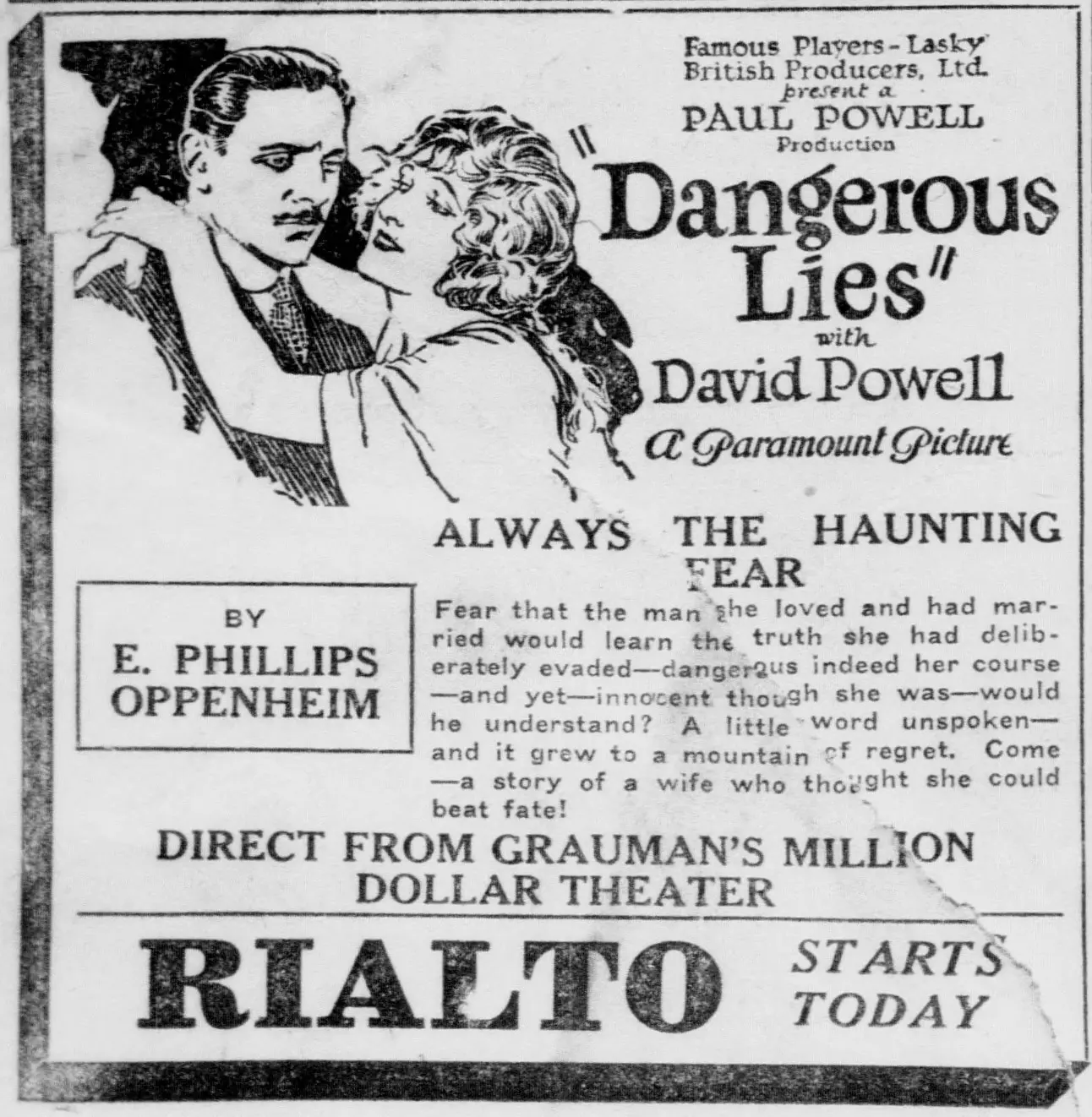
At its heart, cult cinema is about defiance. It’s about films that dared to be different, often to the chagrin of studios, critics, and initial audiences. These are the cinematic outcasts and renegades, whose visions were too bold, too weird, or too transgressive for their era. Think of films that explored themes of moral ambiguity or societal taboos, much like the dramatic narratives hinted at in early cinematic works such as Dangerous Lies, where a widow's husband returns, or Le scandale, which delves into a lady's ill repute after leaving her husband. Even in these nascent stages of cinema, there was an appetite for stories that pushed against the boundaries of what was considered acceptable or conventional storytelling.

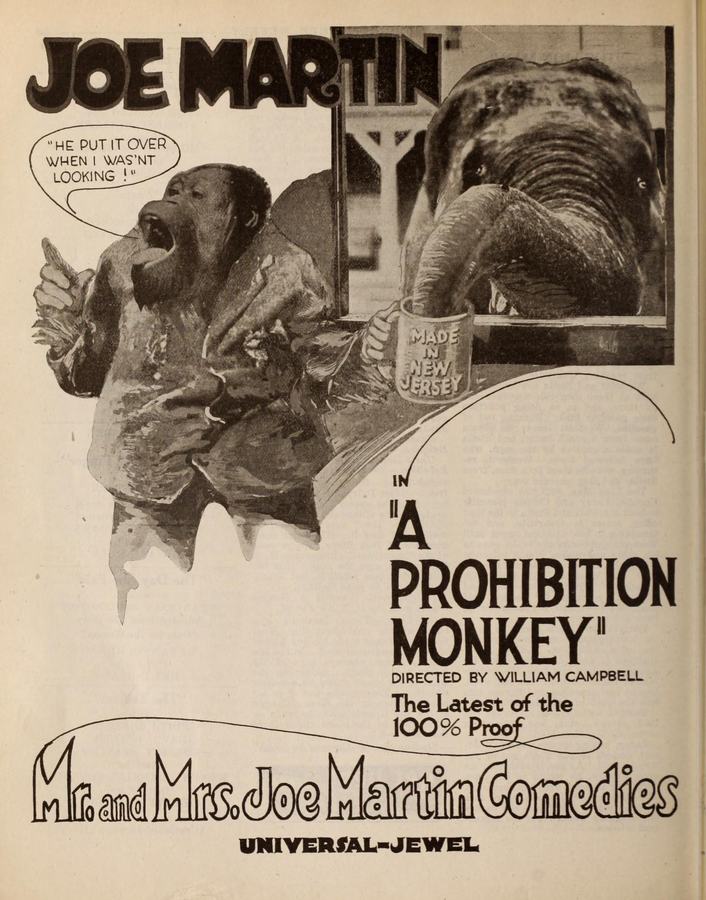
This spirit of rebellion is a constant through cinematic history. Early comedies like A Prohibition Monkey and Hold Your Breath, while lighthearted, playfully subverted the legal and moral strictures of their time, a precursor to the more overt challenges cult films would later pose. The melodramatic intensity of Trifling Women, with its cautionary tale of faithlessness, or the grim determination of The Penalty, featuring a deformed criminal mastermind seeking revenge, showcased narratives that were far from simple or comforting. These films, in their own ways, laid groundwork for a future where cinema could be a vehicle for the unsettling, the provocative, and the truly unique.

Cult films often revel in their own narrative anarchy, refusing to follow predictable arcs or provide easy answers. They challenge viewers to confront uncomfortable truths, embrace ambiguity, or simply delight in the absurd. This refusal to conform is precisely what makes them so compelling to audiences weary of formulaic blockbusters. They offer a refreshing, often unsettling, alternative, a space where artistic freedom trumps commercial viability.
The Sanctuary of the Strange: Forging Fandoms
Perhaps the most defining characteristic of cult cinema is its ability to foster passionate communities. These aren't just films people watch; they are films people live, breathe, and celebrate together. The shared experience of discovering and championing an overlooked gem transforms solitary viewing into a collective ritual. This communal aspect is what elevates a peculiar film into a cult phenomenon.

Consider the characters that resonate with cult audiences: the outsiders, the misunderstood, the rebels. Films like Judy of Rogues' Harbor, depicting an orphaned waif's struggle against cruelty, or Magda, where a young woman breaks free from provincial life, tap into universal feelings of alienation and the desire for self-determination. These early narratives, focused on individuals challenging their circumstances, echo the themes that would later draw audiences to cult films that champion the marginalized and the unconventional.
The fandom surrounding cult cinema is unlike any other. It’s characterized by deep engagement, critical analysis, and often, active participation. Viewers don't just consume these films; they dissect them, quote them, dress up as their characters, and even perform alongside them. This interactive dynamic transforms the audience from passive spectators into active participants, making the film a living, breathing entity that evolves with its community. This is the midnight congregation, a gathering of like-minded souls finding solace and excitement in shared cinematic adoration.

From Obscurity to Oracle: The Power of Rediscovery
Many cult films weren't born as such. They often started as critical or commercial failures, dismissed or ignored upon their initial release. Their cult status is often a result of posthumous appreciation, a slow burn of rediscovery by subsequent generations of film lovers. This journey from obscurity to oracle is a common trajectory in the cult canon, highlighting the fickle nature of initial reception and the enduring power of a truly unique vision.
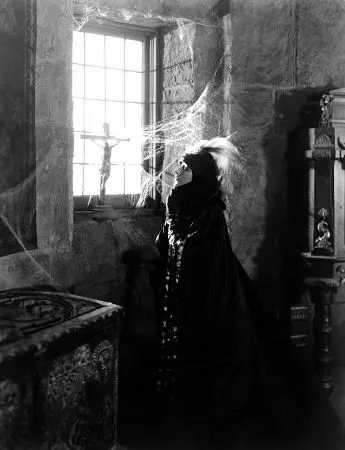
The obscurity of many early films, like His Turning Point or The Beloved Vagabond, speaks to the vast archive of cinema waiting to be unearthed. While not all forgotten films become cult objects, their existence reminds us that history is littered with works that simply didn't find their audience at the right time. Cult cinema often serves as an archaeological dig, unearthing these cinematic relics and giving them a new life, a new context, and a new legion of admirers.

This process of cinematic archaeology is crucial. It means that the cult canon is constantly evolving, with new films being inducted and old ones re-evaluated. It’s a testament to the idea that artistic merit isn’t always immediately recognized and that sometimes, a film needs time, distance, and a dedicated few to truly find its voice and its lasting impact. The allure of the undiscovered, the joy of sharing a hidden gem, is a powerful motivator for cult film enthusiasts.
Aesthetic Anarchy: The Visual Language of the Unconventional
Beyond narrative and community, cult films often distinguish themselves through a bold and unconventional aesthetic. They embrace stylistic extremes, push visual boundaries, and create worlds that are instantly recognizable, even if they're disorienting. This distinct visual language is a key component of their lasting appeal, embedding itself in the cultural consciousness and making the films endlessly rewatchable.
Even in the early days of cinema, filmmakers experimented with visual storytelling. The dramatic tension implied in titles like The Yellow Menace or the fantastical elements of Trilby, with its hypnotic Svengali, suggest a nascent understanding of how atmosphere and visual spectacle could captivate an audience. While constrained by technology, these films sought to create immersive experiences, laying the groundwork for the more audacious visual styles that would become synonymous with cult cinema.
Whether it's the surreal landscapes, the grotesque practical effects, the vibrant color palettes, or the stark black and white contrasts, cult films often leave an indelible visual impression. They understand that a film's aesthetic can be as powerful as its plot, creating an immersive experience that transcends simple storytelling. This visual daring is often what first draws viewers in, before the deeper themes and narratives take hold, solidifying their place in the hearts of their devoted fans.
The Enduring Ritual: Why We Return to the Fringe
The rewatchability of cult films is legendary. Unlike many mainstream features that are consumed once and forgotten, cult films invite, even demand, multiple viewings. Each return offers new insights, reveals hidden layers, or simply provides the comfort of a familiar, beloved strangeness. This ritualistic viewing is a cornerstone of the cult experience, deepening the connection between film and viewer over time.
The reasons for this enduring appeal are manifold. Sometimes it's the sheer complexity of the narrative, like the multi-part serials such as Liberty or The Yellow Menace, which invited viewers back week after week for new installments. Other times, it's the comfort of the familiar, much like the simple joys depicted in Sunshine and Gold or the escapist romances of The Great Adventure. But for true cult films, it's often a combination of all these elements: a rich tapestry of themes, compelling characters, and a unique aesthetic that rewards repeated engagement.
The act of rewatching is not just about revisiting a story; it's about re-engaging with a piece of art that has become a part of one's identity. It's a personal pilgrimage, a return to a cinematic sanctuary where the rules of the outside world don't apply. This enduring ritual ensures that cult films don't just survive; they thrive, passed down through generations of cinephiles, each finding their own meaning and connection within the unconventional canvas.
The Unseen Legacy: Cult Cinema's Timeless Impact
Cult cinema, therefore, is far more than a collection of oddball movies. It is a vital and dynamic force in film culture, a testament to the power of unconventional storytelling and the enduring human need for connection and belonging. From the early days of cinema, with its melodramas, daring adventures, and genre experiments like Dangerous Days or The Biggest Show on Earth, the seeds of what would become cult cinema were being sown. The willingness to explore the unusual, to present characters who defy expectations, and to challenge audiences, has always been a part of the cinematic DNA.
These films, often overlooked by the mainstream, become beacons for the disenfranchised, providing a space where the strange is celebrated, and the different is revered. They remind us that art doesn't always need universal acclaim to be profoundly impactful; sometimes, it just needs a dedicated few to understand its secret language. The enduring legacy of cult cinema lies in its ability to transform the forgotten into the revered, the niche into the celebrated, and solitary viewing into a powerful, shared experience.
In a world increasingly dominated by algorithms and homogenized entertainment, cult cinema remains a vital bastion of artistic freedom and authentic connection. It is a vibrant, ever-changing landscape where the rules are fluid, and the unexpected is always welcome. So, the next time you stumble upon a film that feels a little off-kilter, a little too strange, or simply unlike anything you’ve seen before, remember the unconventional canvas. You might just be on the verge of discovering your next lifelong obsession, a film that will draw you into its unique orbit and connect you with a community that understands its profound, rebellious heart. This is the true power of cult cinema: an unseen symphony playing on the fringes, forever echoing in the hearts of those who dare to listen.
Community
Comments
Log in to comment.
Loading comments…