
Cult Cinema
The Unconventional Echo: How Fringe Films Forge Subversive Legacies and Enduring Fandom
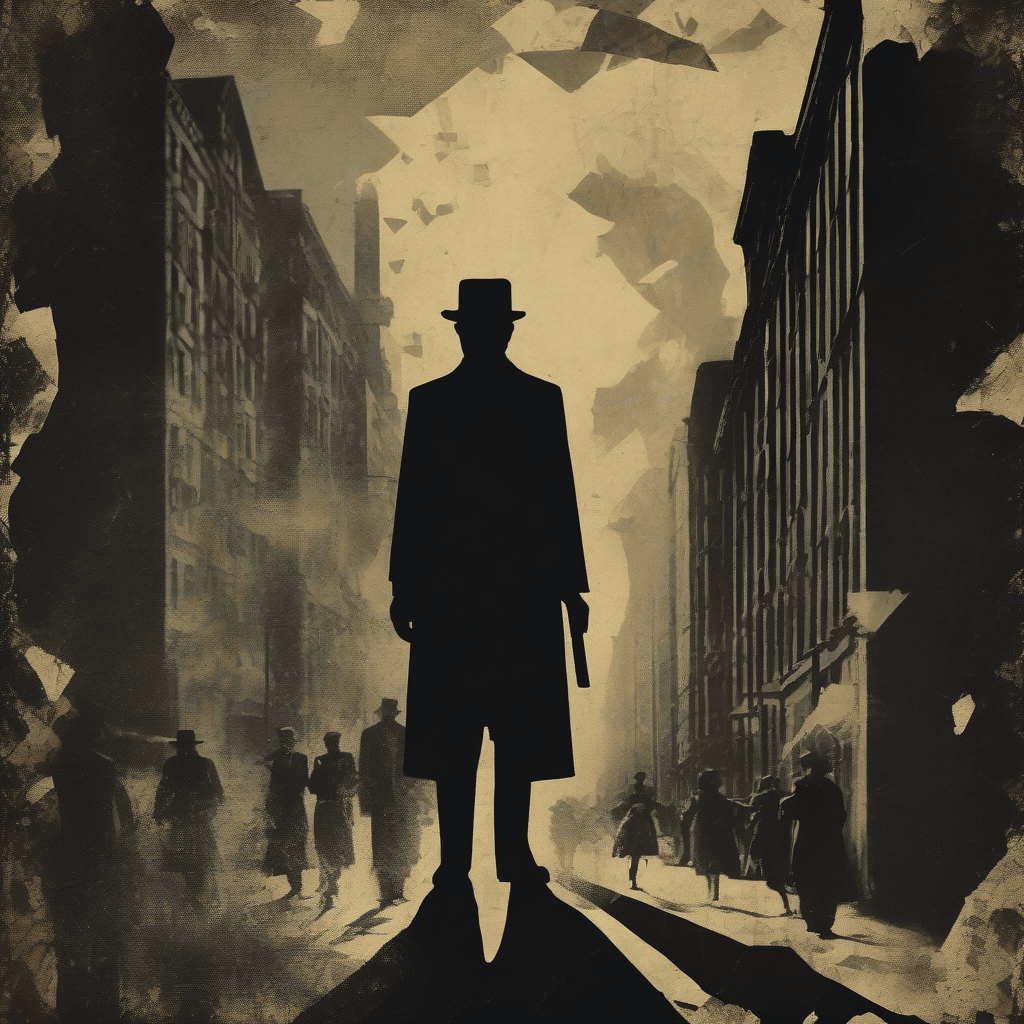
“Dive deep into the compelling world of cult cinema, exploring how early, often overlooked films, through their audacious themes and unique aesthetics, laid the foundational blueprints for today's most beloved and enduring niche film movements. This article celebrates the enduring power of cinematic …”
Cult cinema is not merely a genre; it is a phenomenon, a shared experience that transcends the conventional boundaries of film appreciation. It’s a space where the marginalized, the misunderstood, and the defiantly unique find their most passionate audiences. While often associated with midnight screenings of eccentric B-movies or art-house provocations from the latter half of the 20th century, the true genesis of cult cinema can be traced back to the earliest days of filmmaking. Even in the nascent era of silent films, long before the term 'cult classic' existed, certain pictures, through their unconventional narratives, challenging themes, or simply their peculiar charm, began to carve out a niche for themselves, laying the groundwork for the fervent devotion we see today.
These early cinematic efforts, many of which now reside in the archives of history, were not always celebrated in their time. Some were dismissed, others misunderstood, and a few were even scandalous. Yet, it is precisely this initial friction with mainstream sensibilities that often sows the seeds of future cult status. From melodramas that pushed emotional boundaries to comedies that embraced the absurd, and even early social dramas that dared to tackle taboo subjects, the DNA of cult cinema is woven through the fabric of film history, evident in works that defied easy categorization and invited a more profound, often personal, engagement from their viewers.
The Seeds of Subversion: Early Transgression and Social Commentary
One of the most defining characteristics of cult cinema is its willingness to challenge, subvert, or outright transgress societal norms and expectations. This rebellious spirit wasn't born in the counter-culture movements of the 1960s; it was present from cinema's infancy. Consider the audacious themes found in films like A Victim of the Mormons, a sensationalized drama that, regardless of its accuracy, plunged into the controversial subject of polygamy and religious coercion. For its time, this was an incendiary topic, designed to shock and provoke. Similarly, Es werde Licht! 2. Teil tackled the then-stigmatized issue of syphilis, forcing audiences to confront uncomfortable truths about public health and morality. These films, while potentially didactic or exploitative, dared to shine a light on subjects the mainstream preferred to keep in the shadows, creating a space for dialogue and discomfort that often resonates with cult audiences.
Beyond explicit taboo, many early films explored complex social dynamics and moral ambiguities that hinted at a deeper, more subversive current. Samhällets dom, for instance, delves into themes of societal judgment and the struggle for redemption after imprisonment, a narrative that questions the rigidity of social structures. The Fear of Poverty explores the corrosive effects of class anxiety and materialism, themes that, while perhaps presented melodramatically, struck a chord with viewers grappling with economic realities. These narratives, even when wrapped in conventional dramatic structures, offered a critique of the prevailing order, a trait highly valued by cult followings who often see themselves as outside the mainstream.
The very act of depicting characters who defy expectations or operate on the fringes of society also contributed to this early subversive streak. The 'Anti-Kiss Cult' in The Beloved Cheater, for example, presents a group adhering to unconventional social practices, an early cinematic portrayal of a niche community with its own peculiar rules. Even the simple act of a character like Alicia in The Ragged Princess disguising herself as a boy to escape an orphanage and find work speaks to a spirit of rebellion and self-determination against oppressive circumstances. These characters, whether intentionally or not, became avatars for audiences who felt similarly alienated or misunderstood, fostering a sense of shared identity that is crucial to cult formation.
Melodrama and the Art of Emotional Extremes
The silent era was, in many ways, the golden age of melodrama. Exaggerated gestures, dramatic facial expressions, and heightened emotional stakes were the language of the screen. While often derided by critics, this very theatricality and commitment to emotional extremes can be a fertile ground for cult appreciation. Films like Carnival, with its story of an actor's jealousy blurring the lines between stage and reality, or The Conquering Power, a tale of familial greed and inheritance, offered narratives steeped in intense passion, betrayal, and sacrifice. These were not subtle films; they were designed to elicit strong reactions, to sweep the audience into a vortex of feeling.
What makes these melodramatic offerings resonate with a cult sensibility is their often unapologetic embrace of the fantastic and the over-the-top. When emotions are pushed to their absolute limits, and plots twist with dramatic irony and sudden reversals, the films acquire a unique, almost operatic quality. This can lead to a kind of appreciative irony from later audiences, who find joy in the earnest intensity or unintended humor in the sheer audacity of the storytelling. The devotion isn't necessarily to realism, but to the film's singular vision, however outlandish it might appear.
Aesthetic Anomalies and Narrative Boldness
Cult films often stand apart due to their distinctive visual styles, unconventional narrative structures, or experimental approaches to filmmaking. Even in the early days, some works broke from the prevailing cinematic grammar, offering glimpses of what was to come. Manhatta, a groundbreaking silent documentary, presented New York City not just as a backdrop, but as a living, breathing character through innovative cinematography and editing. Its abstract portrayal of urban life was a stark contrast to the narrative-driven features of its time, foreshadowing the avant-garde and experimental cinema that would later become a cornerstone of cult appreciation.
Beyond the purely visual, some early films showcased a narrative boldness that defied easy categorization. While many films adhered to straightforward storytelling, others toyed with ambiguity or presented moral dilemmas without easy answers. Spiritismo, for example, plays with themes of deception and identity, where a woman fakes her death to avoid the consequences of her actions. Such narratives, which delve into psychological complexity or employ clever plot devices, invite repeated viewings and deeper analysis, fostering the kind of active engagement that cult films thrive on. The layers of meaning, whether intentional or discovered by zealous fans, become part of the film's enduring mystique.
Even in the realm of comedy, early films demonstrated a willingness to experiment with physical humor and character archetypes that could be seen as precursors to cult sensibilities. Short comedies like Pals, At the Ringside, or Crack Your Heels, with their slapstick antics and often bizarre situations, might have been dismissed as ephemeral entertainment. Yet, their unique brand of humor, their eccentric characters, and their often chaotic energy could be revisited and re-appreciated by audiences looking for something offbeat, something that doesn't conform to polished comedic formulas. This appreciation for the quirky, the awkward, or the simply 'different' is a hallmark of cult fandom.
The Unsung Resonance: Connecting with the Outsider Spirit
Many early films, perhaps inadvertently, resonated with audiences who felt like outsiders, offering them characters or situations that mirrored their own experiences of alienation or longing. The protagonists of films like The Light in Darkness, a man seeking redemption after imprisonment, or the struggles depicted in Mariute, contrasting a diva's life with that of a struggling peasant mother, tap into universal feelings of hardship, hope, and the desire for understanding. While not overtly 'cult' in their initial reception, these narratives provided emotional anchors for viewers, creating a bond that could deepen over time.
The concept of the 'underdog' or the 'rebel' is also a powerful magnet for cult audiences. Films featuring characters who defy the odds, challenge authority, or navigate treacherous landscapes — whether the literal frontier of Peril of the Plains and Westward Ho!, or the social battlegrounds of Soldiers of Fortune — present figures who embody a spirit of resilience and non-conformity. This identification with the maverick, the one who stands apart, is a crucial psychological element in forging a devoted cult following. These films, often simple in their morality, nonetheless celebrated a fierce independence that would later define countless cult heroes.
From Niche to Nexus: Building Fandom and Enduring Legacy
What elevates a film from mere obscurity to cult classic status is often the passionate engagement of its audience. This wasn't a phenomenon that suddenly appeared with midnight screenings; it was a gradual process of discovery and re-appreciation that began with early cinema. Films that, for whatever reason, failed to capture widespread mainstream attention upon their initial release often found a second life decades later. Perhaps they were too experimental, too shocking, or simply ahead of their time. The passage of time allows for a re-evaluation, where perceived flaws can become charming eccentricities, and challenging themes can be seen as prophetic.
The very act of seeking out and preserving these older, often fragile films, contributes to their cult status. A film like My Lady Incog., a mystery that might have been lost to time, gains a certain mystique simply by its survival and rediscovery. The effort required to access such works, especially in an era before digital streaming, inherently fostered a more dedicated form of viewership. This dedication, this willingness to go off the beaten path, is the bedrock of cult fandom. It transforms passive viewing into an active quest, a shared secret among initiates.
Moreover, the interpretative flexibility of many early films, particularly silent ones, allowed for a deeper, more personal connection. Without dialogue to explicitly dictate meaning, viewers were often invited to project their own understanding onto the characters and narratives. This open-endedness, this invitation to participate in the storytelling, is a powerful tool for building a lasting legacy. It allows films to be continually reinterpreted, finding new relevance with each generation of viewers. A simple story of love and deceit in Gypsy Love or the intricate web of mistaken identities in A Fool and His Money could spark endless discussion and analysis among those who cherished them.
The Maverick's Compass: Navigating the Uncharted Realms of Cinematic Obsession
The journey of a film from initial release to cult phenomenon is rarely linear. It's often a winding path, guided by the 'maverick's compass' of individual taste and collective discovery. Films that might have been considered B-pictures or genre exercises, such as Westerns like Wild and Western or adventure tales like Une histoire de brigands, can gain cult traction through their distinctive style, memorable characters, or sheer earnestness. The lack of pretension, combined with a unique vision, often endears these films to audiences seeking something authentic and unvarnished.
The 'midnight movie' circuit, which truly exploded in the 1970s, provided a physical space for cult films to thrive, but the spirit of that circuit—the communal viewing of the bizarre, the transgressive, and the misunderstood—existed long before. Even in the comfort of their homes, early cinema enthusiasts were likely forming their own private 'cults' around films that spoke to them on a deeper, more personal level. Whether it was the charming antics of The Skipper's Scheme or the dramatic intensity of The Red, Red Heart, these films, once seen, demanded to be revisited, discussed, and shared. This organic spread of appreciation, independent of mainstream critical approval, is the very essence of cult cinema.
Beyond the Marquee: The Alchemy of Enduring Appeal
Ultimately, cult cinema is about more than just the films themselves; it’s about the communities they foster, the identities they help shape, and the alternative narratives they provide. These early films, from the stark social realism of Proletardrengen to the intricate mysteries of The Blue Envelope Mystery, contained elements that, consciously or unconsciously, tapped into this fundamental human need for connection and belonging. They offered a mirror to the societal anxieties, moral quandaries, and adventurous spirits of their time, but filtered through a lens that often felt slightly askew, wonderfully weird, or profoundly intense.
The enduring appeal of cult cinema, therefore, is an alchemy of many ingredients: the audacity to tackle forbidden subjects, the courage to experiment with form, the embrace of emotional extremes, and the inherent ability to resonate with those who feel marginalized by mainstream tastes. The films of the early 20th century, though often forgotten by casual viewers, represent the primordial soup from which this rich and diverse cinematic tradition emerged. They are the initial echoes of a subversion that continues to reverberate through film history, proving that the desire for something different, something deeply personal and intensely shared, has always been at the heart of the cinematic experience.
From the dramatic betrayals of False Evidence to the urban symphony of Manhatta, these films, seemingly disparate in their origins and intentions, collectively demonstrate that the 'cult' factor isn't an accidental byproduct but an intrinsic element of cinema's power. It’s the power to enthrall, to provoke, and to unite disparate individuals under the banner of a shared, often unconventional, passion. The fringe, it turns out, has always been where the most potent cinematic magic happens, forging legacies that defy the fleeting attention of the mainstream and endure for generations.
Community
Comments
Log in to comment.
Loading comments…