
Cult Cinema
The Unfolding Cult: How Maverick Films Reshape Cinematic History and Forge Devoted Fandoms
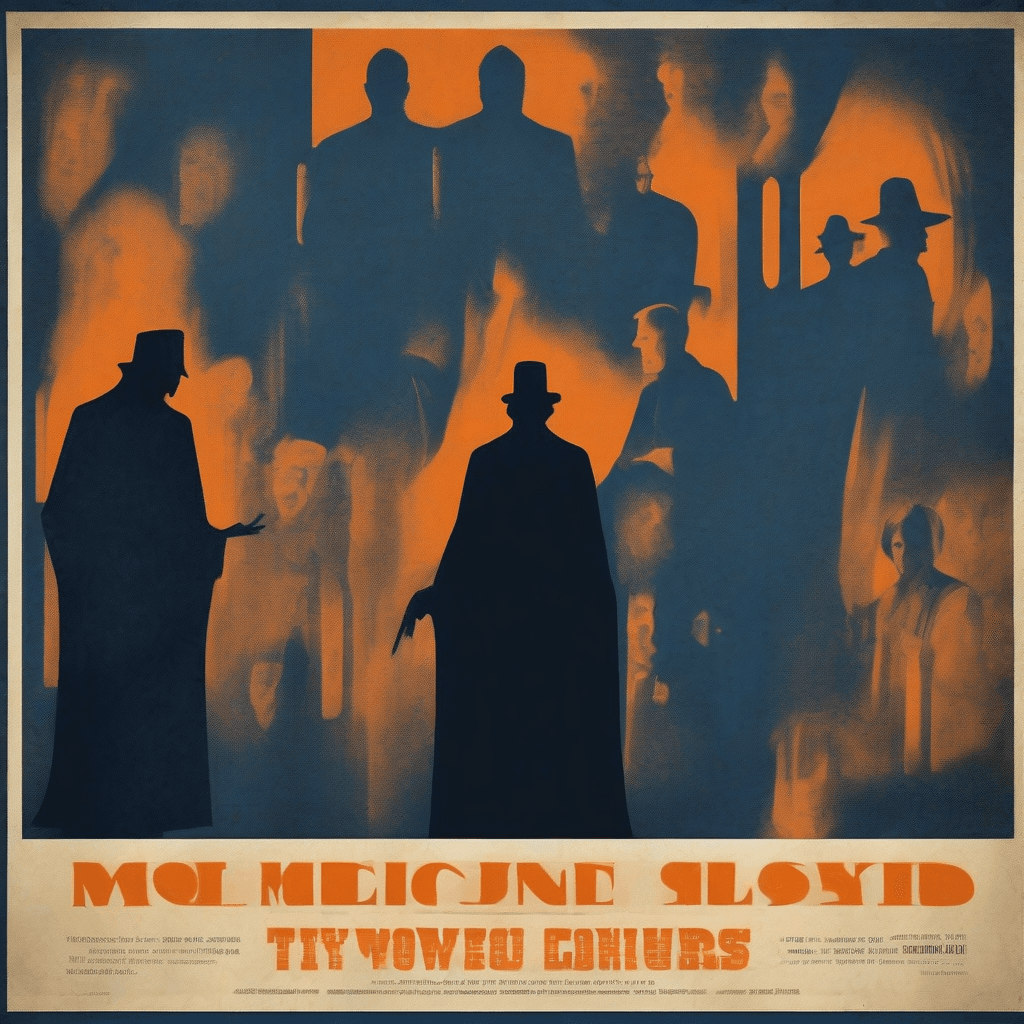
“Cult cinema is more than just a genre; it's a profound cultural phenomenon where films, often initially misunderstood or overlooked, find fervent devotion and enduring relevance, reshaping our understanding of cinematic art and community.”
The very phrase 'cult cinema' conjures images of midnight screenings, fervent fans quoting obscure lines, and films that defy easy categorization. These are not merely movies; they are experiences, rites of passage, and often, touchstones for communities built around shared cinematic passion. But how did this unique facet of film culture emerge? What primal forces drive a film from obscurity or critical dismissal to become a revered object of fascination, a celluloid sacrament for its dedicated followers? To truly appreciate the enduring allure of cult cinema, we must delve into its origins, tracing the threads of its maverick spirit back to the earliest days of filmmaking, long before the term 'cult film' even existed.
The Genesis of the Unconventional: Early Cinema's Maverick Heart
Before the Hollywood studio system solidified its grip, before rigid genre conventions became sacrosanct, early cinema was a wild frontier. It was a space ripe for experimentation, for narratives that pushed boundaries, and for visual styles that were, by modern standards, often bizarre or groundbreaking. These nascent years, roughly from the turn of the 20th century through the silent era, inadvertently laid the foundational blueprint for what we now recognize as cult cinema.
Consider films like El apóstol (1917), an Argentine animated political satire that, despite being lost, stands as a testament to early cinema's capacity for audacious, unconventional storytelling. Its very premise—Argentinian President Yrigoyen burning Buenos Aires with Jupiter's thunderbolts—speaks to a creative freedom that often veered into the surreal and the provocative. This willingness to embrace the outlandish, the allegorical, or the politically charged, even in rudimentary forms, planted the seeds for future films that would challenge audience expectations and establish their own unique logic.
Many early films, like The Screaming Shadow (1920) or The Mysterious Man of the Jungle (1915), hinted at pulp sensibilities and genre defiance. While perhaps not intended for a niche audience at the time, their titles alone suggest a leaning towards the sensational and the esoteric, qualities that would later become hallmarks of cult classics. These were films that, by their very nature, existed slightly outside the emerging mainstream, catering to desires for thrills, mystery, and spectacle that sometimes transcended straightforward narrative. They explored themes and aesthetics that, while perhaps crude by later standards, were nevertheless distinct and memorable, etching themselves into the collective unconscious of nascent filmgoers.
Breaking Norms and Challenging Morality
The silent era, far from being morally simplistic, often tackled complex and sometimes scandalous themes. Films like Fine Feathers (1915) or As Man Made Her (1917) explored marital infidelity, temptation, and social hypocrisy, often with a melodramatic intensity that could be unsettling or deeply engrossing. The Second Mrs. Tanqueray (1916) delved into the scandalous past of a woman and its impact on her new marriage, a theme that undoubtedly resonated with audiences who appreciated narratives pushing the boundaries of societal norms.
These early explorations of human failing and moral ambiguity, sometimes presented with a raw, unfiltered sensibility, served as precursors to the more overt transgressions of later cult films. They showcased characters grappling with desperate circumstances, like the innocent girl in Paid in Advance (1917) or the social climber in The Auction Block (1917). Such narratives, often featuring heightened emotion and dramatic stakes, could create a powerful, almost visceral connection with viewers, fostering a loyal following among those who appreciated cinema that wasn't afraid to confront the darker, more complex aspects of life.
Narrative Transgression and Thematic Resonance
Cult films often distinguish themselves through their unique narrative structures, their willingness to subvert conventional storytelling, or their exploration of taboo subjects. Even in the early 20th century, filmmakers were experimenting with what cinema could convey, giving rise to stories that, while perhaps not explicitly 'cult' at the time, certainly possessed an outsider appeal.
Take historical epics like Quo Vadis? (1913) or Peter the Great (1910), and even Ivan the Terrible (1917). While grand in scope and often mainstream for their era, their sheer ambition, their detailed historical recreations, and their exploration of power, tyranny, and faith could resonate deeply with certain segments of the audience. The spectacle and moral dilemmas presented in films like Quo Vadis?, with its depiction of decadent Rome and the plight of Christians, offered a compelling narrative that transcended simple entertainment, inviting deeper engagement and discussion.
Beyond historical drama, early films explored human psychology and social issues with a candidness that could be startling. The Woman God Sent (1917) and Faith (1916) are examples of melodramas that tackled themes of abandonment, societal judgment, and the search for redemption. These narratives, often featuring strong female protagonists facing immense adversity, provided a powerful emotional core that could draw viewers back repeatedly, fostering an intense personal connection that is a hallmark of cult fandom.
The Power of the Peculiar and the Unsettling
What makes a film 'cult' often isn't just its subject matter, but how that subject matter is presented. The peculiar, the unsettling, the slightly off-kilter — these elements can transform a film into something unforgettable. Even in the silent era, films exhibited these characteristics. The abstract animation of a lost film like El apóstol, or the dramatic intensity of Den sorte drøm (1911), a Danish drama involving a love triangle and dark desires, showcased early deviations from straightforward realism.
These films, whether through their visual style, their thematic daring, or simply their willingness to embrace narratives that felt different, began to cultivate a taste for the unusual. They paved the way for later generations of filmmakers who would deliberately craft experiences that challenged, provoked, and even bewildered their audiences, knowing that these very qualities could, over time, attract a devoted following. The initial perplexity or discomfort a film might evoke can, for some, transform into a profound appreciation for its uncompromising vision.
Aesthetic Oddities and Genre Bending
Cult cinema thrives on distinct aesthetics and a playful, or sometimes defiant, attitude towards genre. Early filmmaking, being less constrained by established formulas, was a fertile ground for such experimentation. Animation shorts like Felix Comes Back (1922) and Sound Your 'A' (1918) showcased a burgeoning art form that was inherently quirky and imaginative. These early cartoons, with their surreal logic and often anarchic humor, offered a different kind of cinematic experience, one that celebrated the absurd and the visually inventive.
Beyond animation, the melding of genres was common. Westerns like The Sage-Brush Musketeers (1917) or When Danger Smiles (1917) often incorporated elements of drama, romance, and even mystery, creating hybrid narratives that could appeal to diverse tastes. The very idea of a 'serial' like Beatrice Fairfax (1916), featuring a female crime-fighting reporter across 15 parts, speaks to an early form of serialized storytelling that built anticipation and fostered a loyal, episode-by-episode viewership—a precursor to the serialized devotion often seen in cult media.
Even seemingly straightforward dramas could possess a unique visual flair or a thematic undercurrent that set them apart. Films like Impéria (1918) or Through Eyes of Men (1918), with their melodramatic plots and often elaborate staging, contributed to a rich tapestry of early film that valued visual storytelling and emotional intensity. These early cinematic efforts, sometimes visually grand and emotionally overwrought, were building blocks for the kind of distinctive cinematic language that cult films often employ.
The Allure of the Imperfect and the Authentic
Not every cult film is a masterpiece of technical perfection. In fact, many are beloved precisely for their quirks, their flaws, or their raw, unpolished charm. This appreciation for the imperfect can be traced back to early cinema, where technical limitations often led to creative solutions and unique visual styles. A film like The Busher (1919), a sports drama about a baseball pitcher, might not have been lauded for its profound artistic statements, but its depiction of a niche subject and its underdog narrative could foster a sense of authenticity and connection with specific audiences.
The very nature of early filmmaking, often produced with limited budgets and rapid turnaround, meant that many films possessed a certain rawness. This authenticity, whether intentional or accidental, can be deeply appealing. It allows audiences to connect with the human effort behind the film, to appreciate its earnestness, even if its execution is less than polished. This appreciation for the genuine, for the film that feels like it was made against the odds or outside the mainstream, is a powerful driver of cult adoration.
The Audience as Acolytes: Community and Re-discovery
The true magic of cult cinema lies in its audience. It's not just about what's on screen, but how viewers interact with it, how they interpret it, and how they form communities around it. While the concept of 'midnight screenings' as we know them came later, the seeds of audience devotion and collective experience were sown in early cinema.
Even for films that were popular in their day, like the dramatic The Crisis (1916) or the romantic The Love Light (1921), certain elements might have resonated more strongly with specific groups. The powerful emotional arcs, the moral quandaries, or the sheer spectacle could inspire repeat viewings and passionate discussions. These early forms of engagement, where audiences found personal meaning and shared excitement, were the precursors to the fanatical fandoms that define cult cinema today.
Many of the films we now consider cult classics were not initially critical darlings or box office hits. They were often overlooked, dismissed, or misunderstood upon their initial release. It is through re-discovery, re-evaluation, and the passionate advocacy of a dedicated few that these films find their enduring place. Imagine an early film like The Man Who Stole the Moon (1917)—a drama with action elements, an ambitious premise. Perhaps it didn't find its audience immediately, but over time, its unique vision or quirky charm could be unearthed by new generations, leading to its re-appreciation.
The Enduring Power of the Misfit Narrative
Cult films often speak to the outsider, the marginalized, or those who feel misunderstood. They offer alternative perspectives, challenge dominant ideologies, and celebrate the peculiar. This connection to the 'misfit' narrative is deeply embedded in the history of cinema. Even films depicting straightforward heroism, like Sam Davis, the Hero of Tennessee (1913), a biographical drama about a Confederate spy, could be interpreted through a lens of defiance against overwhelming odds, a theme that resonates with cult sensibilities.
The very act of seeking out and championing a film that others have ignored or derided is an act of rebellion. It's a statement that one values uniqueness over conformity, substance over superficiality. Films like The Fighting Brothers (1919), where a sheriff helps his falsely accused brother, or The Courageous Coward (1919), about a Japanese-American law student, showcase narratives of loyalty, injustice, and personal struggle. These stories, even in their early forms, offered a mirror to audiences grappling with their own sense of identity and belonging, fostering a deep, almost spiritual, connection to the material.
The Legacy of the Unseen: Cult Cinema's Timeless Resonance
From the earliest, almost primitive, cinematic experiments to the complex, multi-layered films of today, the spirit of cult cinema has always been present. It manifests in the films that dare to be different, the ones that challenge our perceptions, and the ones that refuse to be forgotten. The silent era, with its vast output of films, many now lost or rarely seen, undoubtedly contains countless 'proto-cult' works that, given the chance, would have captivated niche audiences with their unconventional narratives and idiosyncratic charm.
The films of this period, from the simple comedy of A Regular Pal (1918) to the elaborate drama of Soldiers of Fortune (1919), all contributed to the evolving language of cinema. They taught audiences how to watch, how to engage, and how to find meaning beyond the obvious. This formative period allowed for a wide range of expression, some of which inevitably diverged from the path of mainstream acceptance, charting its own course toward niche appreciation.
Cult cinema is ultimately a testament to the power of art to transcend its initial context. It's about films that refuse to die, films that find new life through dedicated fans who see something extraordinary where others saw only the ordinary or the odd. It's about the shared experience of discovering a hidden gem, of understanding a film on a deeper, more personal level, and of belonging to a community that cherishes cinematic rebellion.
The legacy of early, unconventional cinema is not just in its pioneering techniques or its historical significance, but in the enduring spirit of its maverick creations. These films, whether through their accidental oddity or their deliberate defiance, helped to lay the groundwork for a cinematic culture where the strange, the challenging, and the deeply personal can find not just an audience, but a family. The unfolding cult continues to evolve, but its roots remain firmly planted in the rich, fertile soil of cinema's earliest, most audacious experiments.
Community
Comments
Log in to comment.
Loading comments…