
Cult Cinema
The Celluloid Whispers: Tracing Cult Cinema's Rebel Soul from Early Unconventional Visions
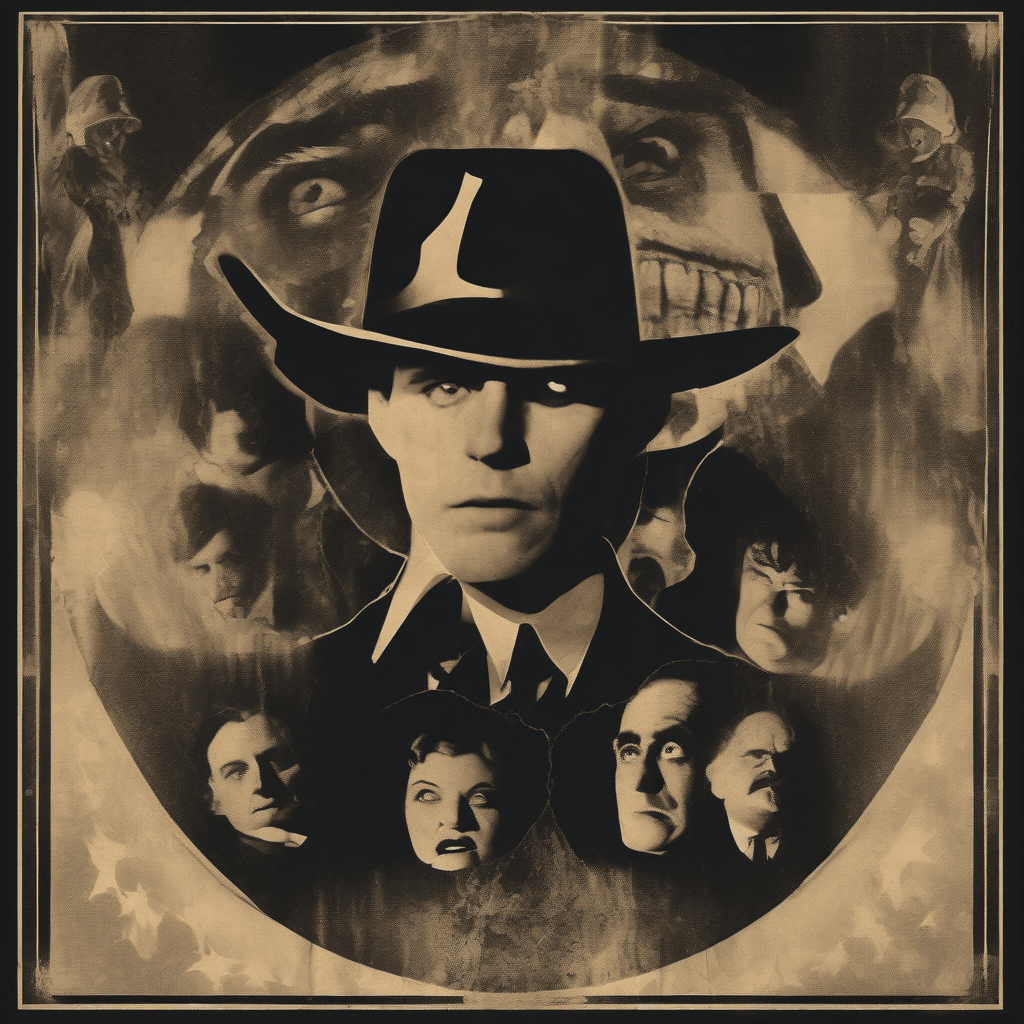
“Dive into the forgotten reels of early cinema to unearth the primal stirrings and unconventional narratives that laid the groundwork for today's beloved cult films, celebrating their enduring power to captivate niche audiences.”
Cult cinema, a phenomenon often associated with midnight screenings, dedicated fandoms, and transgressive themes, didn't simply appear fully formed in the grindhouse era. Its roots stretch far deeper, intertwining with the very genesis of filmmaking. To truly understand the enduring allure and rebel spirit of cult films, we must journey back to the silent era, a time when the cinematic language was still being invented, and creative boundaries were constantly being pushed, often unintentionally. It was in these flickering, sepia-toned frames that the first unconventional visions began to whisper, laying the foundational blueprint for the cinematic oddities and genre-defying masterpieces we cherish today.
The films of the early 20th century, though largely forgotten by mainstream audiences, were a fertile ground for experimentation. Before strict genre conventions solidified, before the Hays Code clamped down on moral ambiguity, filmmakers often stumbled upon narratives and aesthetics that, in retrospect, bear the unmistakable hallmarks of future cult classics. These were the celluloid outcasts and niche curiosities that, while perhaps not celebrated widely in their time, contained the genetic code of what would later become a powerful, subversive cinematic movement.
The Silent Era's Unsung Mavericks: Forging the Cult Ethos
The term 'cult film' typically conjures images of explicit horror, psychedelic sci-fi, or campy musicals from the mid-to-late 20th century. However, the spirit of cult cinema – its embrace of the strange, its challenge to societal norms, and its ability to inspire fervent, often obsessive, devotion – can be traced to the nascent days of the silver screen. In an era where cinema was a novelty, every film was, in a sense, an experiment. Some experiments yielded widespread success, while others, by virtue of their unique peculiarities or challenging themes, resonated with smaller, yet intensely passionate, audiences.
Consider the early silent shorts and features that dared to depict moral deviance or social transgression. Films like Somewhere in France, with its spy protagonist vamping her way through high command and accumulating state secrets, presented a morally ambiguous figure that would have been shocking for its time. Similarly, Lulu, depicting a circus dancer's thoroughly liberal being and scandalous relationships, explored themes of female agency and sexual freedom in ways that pushed societal boundaries. These narratives, while perhaps intended as cautionary tales or sensational dramas, inadvertently tapped into a fascination with the forbidden, a core element of cult appeal.
The very nature of early filmmaking, with its rapid evolution and often limited budgets, also fostered a kind of raw, unpolished aesthetic that resonates with cult sensibilities. Technical limitations often led to creative solutions, resulting in visual styles that were distinct, sometimes jarring, and undeniably unique. This accidental artistry, far from being a flaw, became a defining characteristic for films that eschewed the polished sheen of conventional Hollywood productions.
Beyond the Mainstream: Early Cinema's Maverick Narratives
Many early films, even those seemingly innocuous, contained elements that set them apart. Short comedies like The Nervy Dentist, where a dentist devises a bizarre scheme using banana peels to drum up business for his father-in-law, or Misfits and Matrimony, featuring an unbalanced bride-to-be, showcased a nascent taste for the absurd and the darkly comedic. These were not grand epics, but rather quirky snapshots of life, often exaggerated to an extreme, that prefigured the surreal humor and off-kilter narratives found in later cult comedies.
The Western genre, too, had its early genre-bending moments. While films like Hills of Hate and Anything Once adhered to typical Western tropes, the very act of establishing and experimenting with these tropes laid the groundwork for future subversions. The rugged individualism and often lawless settings of these films naturally lent themselves to stories of outsiders and rebels, characters who defy authority and live by their own code – archetypes that would become central to cult cinema.
Drama, too, often delved into darker territories. The Daughter Pays, a tale of revenge where a wealthy man marries the daughter of a woman who jilted him, or Modern Husbands, depicting marital neglect and philandering, showcased complex, often uncomfortable human dramas. These were not always feel-good narratives; they explored the underbelly of human nature, a thematic space where cult films often thrive. The ability of these films to tackle taboo subjects, even if subtly, allowed them to carve out a distinct identity.
The Birth of Niche Appeal: From Curio to Community
What transforms a peculiar film into a cult phenomenon? It's often the audience's deep, often personal, connection to its unique qualities. In the silent era, this connection might have been forged through shared fascination with a particular actor, a daring narrative, or an unusual visual style. The mere existence of films like Meeting Theda Bara speaks to the early power of celebrity and persona, particularly for figures like Bara, whose 'vamp' image was itself a form of counter-cultural rebellion against traditional female roles.
The concept of a 'midnight movie' was still decades away, but the seeds of dedicated viewing were being sown. Imagine a small group of cinephiles, perhaps in a bustling city or a quiet town, finding a shared thrill in the unpredictable narratives of films like Rolling Stone, where a protagonist is mistaken for a dangerous Bolshevik and thrown into jail, a plot that touches on paranoia and societal fear. These were not films designed for universal appeal, but rather for those attuned to their specific frequencies.
Even seemingly straightforward films like Satan on Earth, which presented an absorbing, beautifully illustrated story of man's progress despite Satan's efforts, could, through their earnestness or their unique take on morality, attract a devoted following. The film's ambitious scope and allegorical nature might have made it a topic of intense discussion, fostering an early form of cinematic devotion.
Thematic Undercurrents: Echoes of Future Cults
Several recurring themes in early cinema inadvertently laid the groundwork for cult appeal:
Rebellion and Outcasts: From characters like the whiskey smuggler Dubec in The Devil's Trail, who seeks revenge on the Royal North West Mounted Police, to the aforementioned spy in Somewhere in France, early films were populated by figures who operated outside the law or challenged conventional morality. These anti-heroes and outsiders resonated with audiences who felt similarly marginalized or simply enjoyed seeing the rules bent.
Genre Experimentation and Subversion: While not intentionally subversive in the modern sense, the very newness of cinema meant that genres were fluid. Films like The House of Whispers, a mystery thriller involving strange sounds and an investigation, showcased early attempts at building suspense and atmosphere, elements that would become crucial in horror and psychological thrillers, often staples of cult cinema. The sheer variety, from animated shorts like Musical Mews to historical dramas like Salomé (1922) with its scandalous dance, demonstrated a willingness to explore diverse storytelling modes.
The Allure of the Bizarre and Absurd: The silent era was not afraid of the strange. The comical antics of a film like Distilled Love, featuring a female comic dealing with bootleggers, or the fantastical elements present in many early narratives, showcased a nascent appreciation for the peculiar and the outlandish. This willingness to embrace the non-sensical or the highly theatrical laid the groundwork for the camp aesthetic that would define many later cult films.
Exploration of Human Psychology and Taboo: Films like My Little Sister, dealing with a woman's tragedy and a vow to help others in similar situations, or The Wall Between, exploring themes of class and military life, often delved into the complexities of human emotion and societal pressures. Even if presented through a melodramatic lens, these films touched upon universal anxieties and forbidden desires, creating a deeper, more resonant experience for certain viewers.
From Flickering Images to Enduring Fervor: The Legacy Continues
The journey from these early, often overlooked films to the vibrant world of modern cult cinema is a fascinating one. What began as accidental deviations from the norm, born out of creative freedom and evolving cinematic language, gradually coalesced into a recognizable aesthetic and narrative philosophy. The unconventional genesis of cult cinema lies precisely in this period of cinematic infancy, where every reel was a step into the unknown.
Today, when we celebrate films like The Rocky Horror Picture Show or Eraserhead, we are, in a sense, paying homage to the spirit of those early filmmakers who dared to be different. The devoted fandoms that gather for midnight screenings, recite dialogue, or dress up as characters are engaging in a ritual that, at its heart, echoes the primal connection forged between early audiences and those maverick films that spoke to them on a deeper, often subversive, level.
The enduring power of cult cinema, therefore, isn't just about what's on screen; it's about the shared experience of discovering something unique, challenging, and often misunderstood. It's about finding community in narratives that defy easy categorization and reject mainstream sensibilities. The silent era, with its myriad of short comedies like The Smart Aleck, its melodramas like Home-Keeping Hearts, and its historical spectacles like Les amours de la reine Élisabeth, provided the initial canvas for this cinematic exploration. Each film, in its own way, contributed a brushstroke to the emerging portrait of what it meant to be an 'outsider' film, a film that would eventually find its true home in the hearts of a dedicated few.
From the innocent antics of Innocent Ambrose to the dark revenge of The Daughter Pays, these early cinematic efforts, often produced with limited resources and boundless imagination, inadvertently cultivated the fertile ground for the cult film phenomenon. They taught us that cinema could be more than mere entertainment; it could be a mirror reflecting our deepest fears, our most bizarre desires, and our most unconventional dreams. The celluloid whispers of the silent era continue to resonate, guiding us through the labyrinthine history of film to the very rebel soul of cult cinema, proving that true cinematic devotion often begins where the mainstream ends.
In conclusion, the journey through the uncharted reels of early cinema reveals a rich tapestry of films that, while not explicitly labeled 'cult' in their time, undeniably possessed the core ingredients: a willingness to challenge norms, an embrace of the peculiar, and a capacity to forge a profound connection with a dedicated audience. These proto-cult classics from the silent era serve as a powerful reminder that the desire for cinematic subversion and niche devotion is as old as cinema itself, a testament to the enduring human need for stories that dare to be different.
Community
Comments
Log in to comment.
Loading comments…