
Cult Cinema
The Flicker's Heresy: Unmasking the Rebel Spirit and Enduring Devotion of Early Cult Cinema
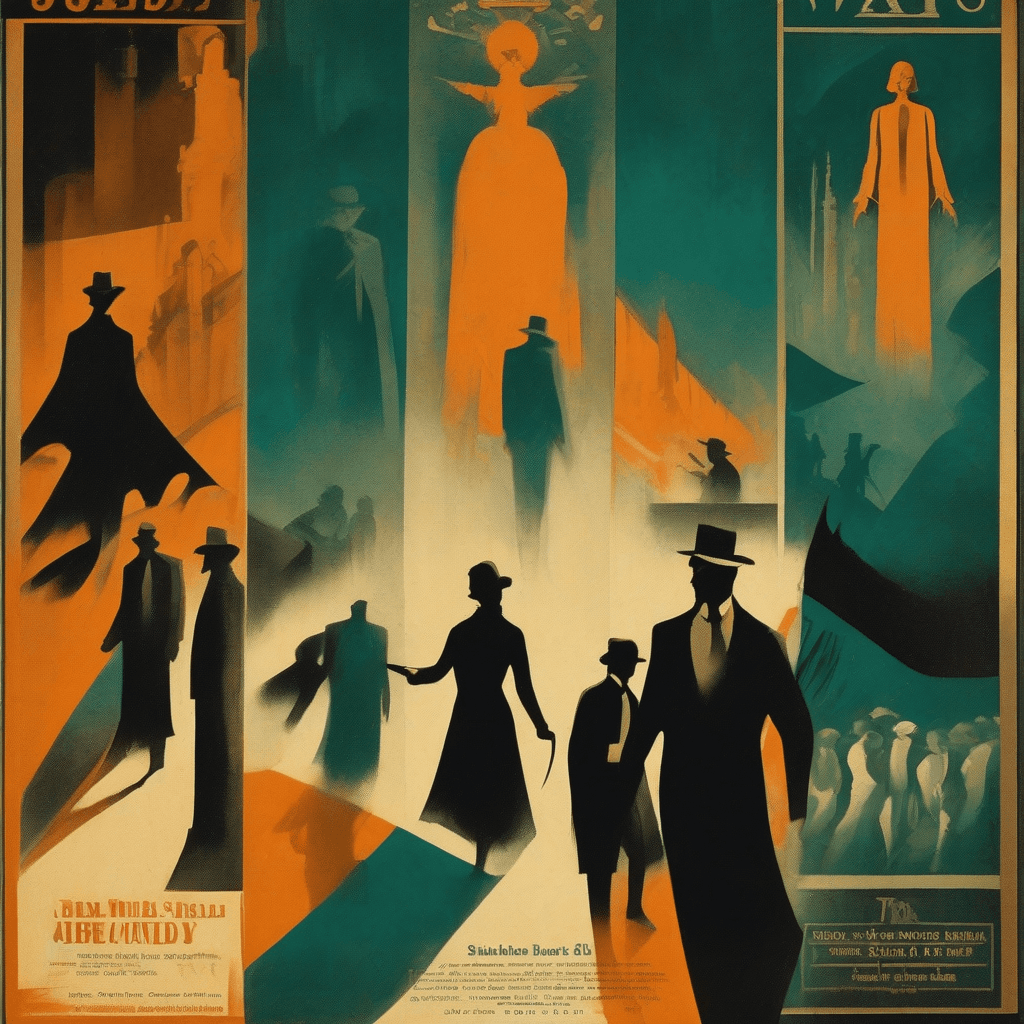
“Dive into the silent era's forgotten reels to discover the foundational elements of cult cinema, where transgressive narratives, unique aesthetics, and maverick storytelling laid the groundwork for today's most beloved niche films. This deep dive explores how early cinematic outliers captivated audi…”
Cult cinema. The very phrase conjures images of midnight screenings, devoted fanbases, and films that defy easy categorization, often challenging societal norms and mainstream sensibilities. From the interactive frenzy of The Rocky Horror Picture Show to the surreal dread of David Lynch's oeuvre, these cinematic outliers carve out a sacred space in the hearts of their followers. Yet, to truly understand the enduring allure and rebel spirit of cult cinema, one must rewind beyond the neon-drenched grindhouses of the 1970s and 80s, back to the flickering shadows of the silent era.
Long before the term 'cult film' entered the critical lexicon, the seeds of this unique cinematic phenomenon were being sown in a nascent industry grappling with its own identity. Early filmmakers, often unburdened by the rigid conventions that would later define Hollywood, experimented with narratives, characters, and visual styles that, intentionally or not, resonated with specific, often fringe, audiences. These proto-cult classics, though largely forgotten by mainstream history, possessed the very DNA of what we now recognize as cult cinema: a transgressive spirit, a unique vision, and an uncanny ability to foster a profound, almost spiritual, devotion.
The Genesis of Subversion: Challenging Norms in a Nascent Medium
The early 20th century was a period of immense social change, and cinema, as a burgeoning art form, often reflected (and sometimes refracted) these shifts. Even in a seemingly innocent era, certain films dared to tread on morally ambiguous ground, introducing themes and characters that would have been considered scandalous or unconventional for their time. This transgressive impulse is a cornerstone of cult cinema, and it was present from the very beginning.
Consider films like The Branding Iron (1920), a drama whose very title suggests a brutal, possessive act. The narrative of a husband driven by insane jealousy to literally brand his wife as his property is shockingly visceral, even by modern standards. Such a premise, pushing the boundaries of what was acceptable on screen, would undoubtedly have captivated certain segments of the audience, perhaps those drawn to the darker facets of human nature or the raw depiction of passion. Similarly, Thunderclap (1921) delves into the depravity of a gambling-house proprietor who exploits his stepdaughter, using her as bait for customers. This exploration of moral decay and exploitation, far from the wholesome narratives often associated with early cinema, hints at a nascent appetite for stories that depicted the grittier, more uncomfortable realities of life.
The French production L'apache (1919) offers another glimpse into this early subversion. Featuring an American woman forced into marriage with a brutal leader of the Parisian underworld and compelled to perform an 'Apache dance,' the film leans into themes of coercion, dark romance, and societal fringes. These narratives, with their emphasis on violence, moral ambiguity, and characters operating outside conventional society, provided a thrilling, often unsettling, alternative to the prevailing cinematic fare. They were the cinematic outsiders, offering a glimpse into worlds rarely explored, and in doing so, they began to cultivate a distinct audience that craved such deviations.
Unconventional Characters and Moral Complexity
Beyond overt transgression, the cult appeal often lies in characters who defy easy categorization or embody a certain anti-heroic charm. Even in the silent era, filmmakers crafted figures who resonated with audiences seeking something beyond the archetypal hero or villain. The Miracle Man (1919), for instance, revolves around a gang of con artists exploiting faith for profit. While ostensibly antagonists, their cunning and the intricate nature of their scheme could easily have garnered a fascinated following, blurring the lines between good and evil and inviting viewers to revel in their audacious deception. The film's exploration of human gullibility and the power of belief, even when manipulated, offers a rich, complex viewing experience.
Likewise, the strongman Maciste, featured in films like Maciste und die Javanerin (1917) and Maciste innamorato (1919), represented an early form of action hero, a larger-than-life figure whose physical prowess and moral rectitude made him an enduring icon. While not overtly transgressive, Maciste's unique appeal and consistent character across multiple films fostered a dedicated following, a pre-cursor to today's franchise fandoms. His adventures, often set in exotic locales and featuring dramatic confrontations, provided a distinct brand of escapism that stood apart from other genres.
Narrative Aberrations and Genre Defiance: The Birth of the Bizarre
A hallmark of cult cinema is its willingness to eschew conventional storytelling, embracing narratives that are bizarre, surreal, or simply unconventional. The early film landscape, with its rapid experimentation, was fertile ground for such narrative anomalies.
Consider One Exciting Night (1922), a film that boldly blended comedy, horror, and mystery. This genre-bending approach, unusual for its time, would have offered a thrillingly disorienting experience, appealing to audiences tired of straightforward narratives. The descriptions of odd noises and a group of bootleggers hint at a chaotic, unpredictable plot, a formula that would later become a staple of cult classics. Similarly, Where D'Ye Get That Stuff? (1916) sounds like a fever dream of a plot: a soda fountain worker in a small European town named Eczema entangled with police, a white slaver, and a murder plot. The sheer absurdity and eccentricity of such a premise would have made it a standout, a film remembered for its sheer, bewildering uniqueness.
Even films with seemingly simpler premises could harbor a cult sensibility due to their unique thematic explorations. A Tale of Two Worlds (1921), featuring a white child adopted and raised by a Chinese citizen in San Francisco, tackles themes of identity, cultural assimilation, and hidden origins. Such a narrative, particularly in its era, would have challenged prevailing racial and social assumptions, offering a perspective that diverged from mainstream portrayals. This subtle subversion, combined with an intriguing premise, could have resonated deeply with a niche audience.
The Power of the Outsider Narrative
Many early films, perhaps inadvertently, tapped into the universal appeal of the outsider. Stories of characters on the fringes of society, struggling against adversity, often forge a strong emotional connection with viewers who feel similarly marginalized. The Soul of Youth (1920), which follows an orphan boy drawn into a life of sin before finding redemption, speaks to themes of social injustice and the search for belonging. Its raw emotionality and focus on a vulnerable protagonist could have deeply moved audiences, creating a powerful, resonant experience.
Similarly, Just Pals (1920), a story of a small-town tramp befriending a runaway boy, embodies the spirit of unlikely companionship and defiance against societal judgment. These narratives, focusing on characters outside the conventional social structure, provided a mirror for those who felt like outsiders themselves, fostering a sense of solidarity and understanding. The stark realism of some of these dramas, like Little Miss No-Account (1917), depicting an abused orphan and a scheming stepfather, could have been profoundly impactful, sparking discussions and drawing in audiences who appreciated its unflinching portrayal of hardship.
Aesthetic Deviance and Unforgettable Visions: Visual Language of the Fringe
Cult cinema is often defined not just by its narrative, but by its distinctive visual style. Early filmmakers, particularly those from European cinematic movements, pushed the boundaries of visual expression, creating aesthetics that were both striking and unsettling. While many of the provided films are American, the influence of emerging international styles was palpable.
The German Expressionist film Raskolnikov (1923), based on Dostoevsky's novel, is a prime example. Its stark, angular sets, exaggerated performances, and chiaroscuro lighting create a palpable sense of psychological torment and moral decay. Such a distinctive visual language, designed to externalize internal states, would have been profoundly alienating to some, but utterly captivating to others. Films like Raskolnikov cultivated a following among those who appreciated cinema as an art form capable of exploring the depths of the human psyche through audacious visual means. This deliberate departure from realism, embracing a stylized aesthetic, is a key ingredient in many cult films.
Even in less overtly artistic productions, unique visual elements could foster devotion. Westerns like Hands Up! (1917) or To a Finish (1921) might have offered a particular brand of gritty realism or stylized action that resonated with specific audiences. The appeal of the outlaw figure, as seen in A Marked Man (1917), where a mother saves her outlaw son from hanging, speaks to a fascination with rebellion and figures operating outside the law. These films, through their depiction of frontier justice and moral ambiguities, crafted a visual and thematic world that some viewers found utterly engrossing.
The Humorous and the Mundane, Reimagined
Not all cult films are dark or transgressive; many embrace humor, often of an eccentric or surreal variety. Early comedies, particularly shorts, could possess a unique charm that cultivated a devoted following. Films like Dandy navigateur (1916), Moonshine (1918), or His Nibs (1921) might have featured idiosyncratic characters, slapstick humor, or absurdist situations that transcended simple entertainment, becoming beloved for their sheer peculiarity. The rural types and old-fashioned movie house setting of His Nibs, for instance, offers a nostalgic, almost meta-cinematic experience that could have resonated deeply with a specific audience, turning the film into a cherished artifact of a bygone era.
Even documentaries, such as Das Wunder des Schneeschuhs (1920) about skiing, could find a niche audience through their unique subject matter or innovative presentation. For those passionate about a specific topic or fascinated by early cinematic techniques, such a film could easily become a sacred text, studied and revered for its historical or thematic significance.
The Enduring Allure: From Obscurity to Iconography
The very definition of a cult film often involves a journey from initial obscurity, critical indifference, or even outright failure, to eventual widespread adoration by a dedicated fanbase. Many of the films from the silent era, now largely forgotten by the mainstream, are ripe for this kind of rediscovery. Their unique themes, experimental approaches, and often startlingly modern sensibilities make them prime candidates for re-evaluation through a cult lens.
Films like The Unknown (1921), with its protagonist leading a double life as an indolent son and a masked champion, embodies a classic trope that resonates with cult audiences: the hidden identity, the vigilante operating outside the law. This narrative of a secret hero, combined with elements of drama and mystery, possesses an inherent appeal for those drawn to stories of rebellion and hidden power.
The concept of a film being 'called back' into public consciousness, much like the title of Called Back (1914), a mystery about a blind man witnessing a murder in a trance, perfectly encapsulates the retrospective nature of cult status. A film that might have been a minor curiosity upon release can, decades later, be unearthed and celebrated for its unique qualities, its historical significance, or its sheer, unadulterated weirdness. This act of cinematic archeology is central to the cult experience, allowing forgotten gems to find new life and new devotees.
From the dramatic intensity of The Common Cause (1919), exploring marital strife against the backdrop of WWI, to the fantastical premise of Reaching for the Moon (1917), where a factory worker discovers he's heir to a throne, these films, diverse in genre and theme, all contributed to the rich tapestry of early cinema. Each, in its own way, pushed against the boundaries of what was expected, offered a distinct vision, or resonated with a particular sensibility. They were the outliers, the experiments, the films that dared to be different.
Conclusion: The Perpetual Midnight Soul of Cinema
The journey into cult cinema is not merely a modern phenomenon; it is an intrinsic part of film history, stretching back to its very origins. The silent era, often viewed through a lens of quaintness or historical formality, was in fact a vibrant crucible of experimentation and daring storytelling. The films of this period, from the transgressive dramas to the bizarre comedies and visually inventive pieces, laid the groundwork for the midnight movie mindset.
The enduring power of cult cinema lies in its ability to connect with audiences on a deeply personal level, offering narratives and aesthetics that speak to the marginalized, the curious, and the rebellious. These early films, though they may not have had dedicated fan conventions or interactive screenings, fostered a similar sense of discovery and devotion. They were the initial sparks of a fire that continues to burn brightly, illuminating the fringes of cinematic art.
As we revisit these silent era treasures, we don't just witness the genesis of a film industry; we uncover the primal pulse of cinematic obsession. We see how a medium, still in its infancy, was already capable of producing works that defied convention, challenged sensibilities, and inspired a unique, enduring form of fandom. The flicker of these early reels was indeed a heresy, a rebellion against the ordinary, and in that rebellion, the soul of cult cinema was born, destined to echo through generations of devoted disciples.
Community
Comments
Log in to comment.
Loading comments…