
Deep Dive
The Unmapped Vault: Tracing the Strange Origins of Devotional Film Culture through Early Screen Oddities
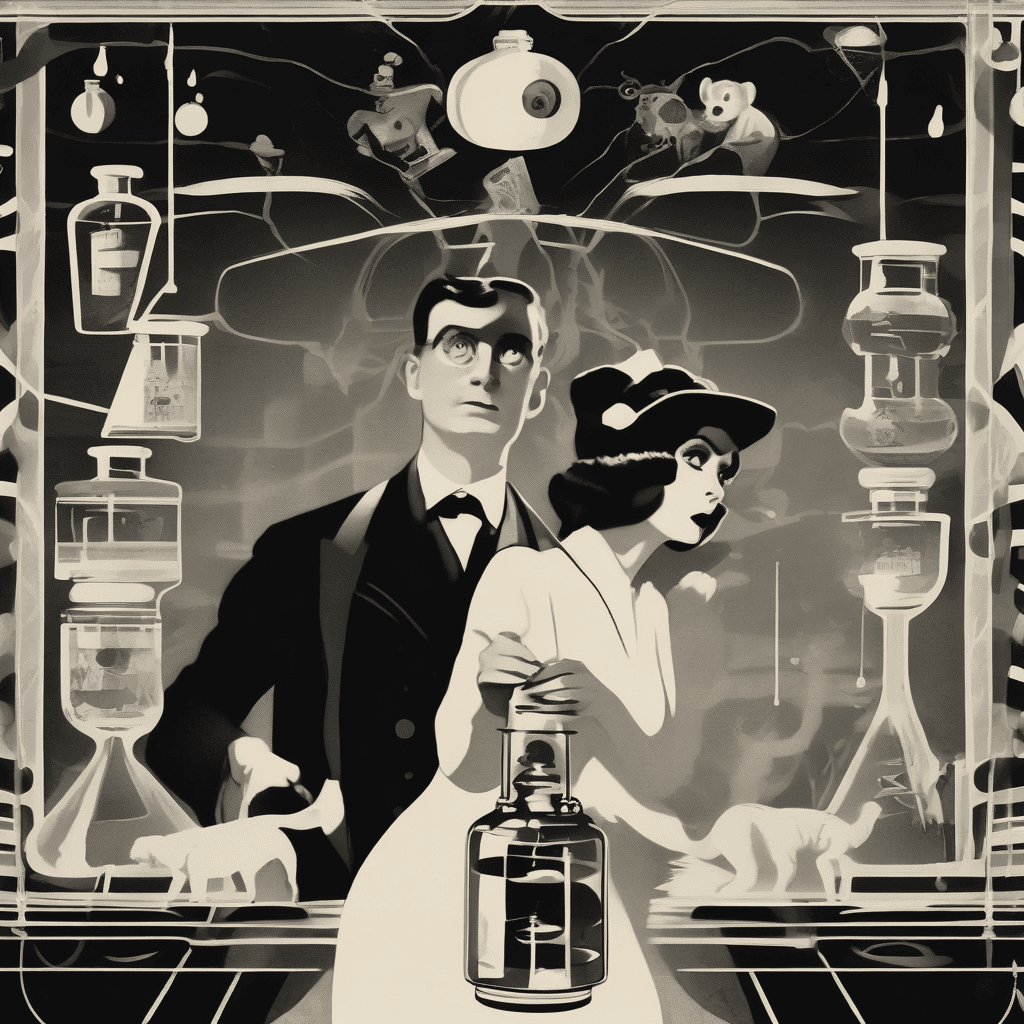
“A deep dive into the 1910s and 1920s cinema that paved the way for modern niche obsession, featuring gender-bending teachers and reincarnated husbands.”
The history of cinema is often told through the lens of the blockbuster or the prestigious award-winner, but the true spirit of what we now recognize as devotional film culture—those movies that inspire a fervent, niche following—was born in the flickering shadows of the early 20th century. Long before the 1970s popularized the concept of a specialized screening, the silent era was already experimenting with the bizarre, the socially challenging, and the narratively strange. To understand where our modern obsession with the 'weird' comes from, we must look back at the years between 1916 and 1922, a period where the rules of storytelling were still being written and frequently broken.
The Birth of the High-Concept Oddity
One of the hallmarks of a classic niche favorite is a premise so outlandish that it defies mainstream logic. Consider the 1917 short Brownie, the Peacemaker. In a narrative that feels decades ahead of its time in terms of sheer eccentricity, the heroine lavishes her affection upon a dog, firmly believing the animal to be her reincarnated husband. This blend of domestic comedy and metaphysical absurdity is the exact kind of 'high-concept' strangeness that modern audiences crave. It suggests a world where the boundaries of reality are porous, a recurring theme in the history of specialized cinema.
Similarly, The Intrigue (1916) serves as an early example of the techno-thriller, blending world politics with the speculative science of a death ray. During the height of World War I, this film tapped into the collective anxiety of the era while offering a fantastical solution. These early forays into science fiction and the paranormal provided the structural foundation for the genre-bending films that would later dominate the midnight circuit.
Social Misfits and the Heroism of the Outsider
If there is one constant in the world of the beloved underdog film, it is the celebration of the misfit. Come on In (1918) presents us with a protagonist who is literally too short for his dreams. A patriotic man tries to join the Army but is rejected until a fortuitous knock on the head raises a lump high enough for him to pass the height requirement. This physical comedy masks a deeper resonance: the struggle of the individual against rigid institutional standards. This theme of the 'little man' fighting for recognition is a cornerstone of the devotional film experience.
The Laundress and the Dreamer
In Suds (1920), Mary Pickford—the ultimate star of the era—took a risk by playing a London laundress attempting to rise above her station. The film deals with class longing and the painful disconnect between our internal fantasies and our external reality. By choosing to play a character who is unrefined and socially awkward, Pickford tapped into the 'anti-hero' energy that would eventually define cult icons. The laundress's struggle to capture the love of a wealthy man, only to realize her true connection lies elsewhere, mirrors the journey of many characters who would later become symbols of cinematic resistance.
The Teacher and the Island
Gender norms were also being pushed in films like Miss Crusoe (1919). Dorothy Evans, a chemistry teacher, seeks adventure on a secluded island with an aunt who desires to wear men's clothes. This early exploration of identity and the desire to escape the confines of polite society is a precursor to the transgressive narratives that would later define the fringes of cinema. The aunt's choice of attire and Dorothy's yearning for a life beyond the classroom represent a quiet rebellion against the Edwardian status quo.
Darkness, Revenge, and the Psychological Thriller
Not all early cinema was lighthearted. The roots of the psychological thriller and the 'revenge' flick are found in the stark, often brutal narratives of the late 1910s. The Test of Honor (1919) follows a man who, after being wrongly imprisoned, seeks a calculated and cold-blooded vengeance against those who framed him. This exploration of the dark side of justice and the lingering trauma of incarceration set a precedent for the gritty, uncompromising films of the late 20th century.
Perhaps the most striking example of early psychological complexity is Hedda Gabler (1917). Portraying the 'degenerate daughter' of a drunken father, the film dives into themes of obsession and societal entrapment. Hedda's affection for her father's pistols and her general disdain for the life she has chosen (or been forced into) creates a character of immense depth and darkness. It is this willingness to explore the 'unlikable' protagonist that makes early cinema so vital to the development of the niche film canon. Hedda is the ancestor of every complicated, morally ambiguous woman who has ever graced a screen.
Visual Invention and Surrealism
The visual language of the 'strange' was also being perfected during this time. The Paleface (1922), starring Buster Keaton, utilized physical surrealism to tell the story of a man helping a Native American tribe against oil barons. Keaton’s ability to turn his body into a cartoonish tool of resistance provided a visual template for the 'absurd' action hero. The way he interacts with the environment—defying gravity and logic—is a hallmark of the kind of visual storytelling that attracts a dedicated following.
The Mystery of the Third Eye
Titles like The Third Eye (1920) and The Third Kiss (1919) hint at a fascination with the unseen and the karmic. In The Third Kiss, an heiress tries to make atonement for the lives lost in her uncle's factory fire. This narrative of guilt, redemption, and the weight of the past is a recurring motif in films that seek to do more than just entertain; they seek to haunt. This 'haunting' quality is what keeps audiences returning to certain films decades after their release.
The Melodrama of the Forgotten
The emotional intensity of early melodrama cannot be overstated. My Little Sister (1919) and The Girl Who Didn't Think (1917) dealt with the tragic consequences of social vulnerability. These films often featured women 'succumbing' to the charms of playboys or being trapped in country homes, but beneath the surface, they were critiques of the power dynamics of the era. The intense, often over-the-top emotionality of these stories is exactly what modern niche audiences find so compelling—a level of sincerity and 'camp' that feels refreshing in a cynical age.
In Man's Plaything (1920), a flower girl is used as a pawn in a blackmail scheme. The melodrama here is dialed to eleven, creating a heightened reality where every gesture is meaningful and every betrayal is world-ending. This 'heightened reality' is a key ingredient in the secret sauce of devotional cinema. It allows the viewer to step into a world where emotions are the primary currency, a stark contrast to the grounded realism of the mainstream.
Conclusion: Why the Early Era Matters Today
When we look at modern niche favorites, we see the echoes of the 1910s and 20s. We see the DNA of The Vagrant (1919) in every comedy about a lovable bum trying to fake a job. We see the spirit of Skyfire (1920) in every gritty northern thriller. These films were the pioneers of the 'strange,' the 'different,' and the 'unseen.' They were produced in a time when the industry was still a wild frontier, allowing for a level of narrative experimentation that would later be stifled by the studio system.
By revisiting these forgotten works, we aren't just engaging in a history lesson; we are uncovering the roots of our own cinematic passions. The 'unmapped vault' of early film is filled with treasures that speak to the same desires we have today: the desire for stories that challenge us, characters that reflect our own oddities, and a visual experience that takes us somewhere we've never been. From the reincarnated dog of Brownie, the Peacemaker to the chemistry-teaching adventurer of Miss Crusoe, the early screen was a place of endless possibility. It is time we gave these pioneers the devotion they deserve.
Community
Comments
Log in to comment.
Loading comments…