
Cult Cinema Deep Dive
The Unruly Archives: Unearthing Cult Cinema's Enduring Spirit in Early Film's Forgotten Reels
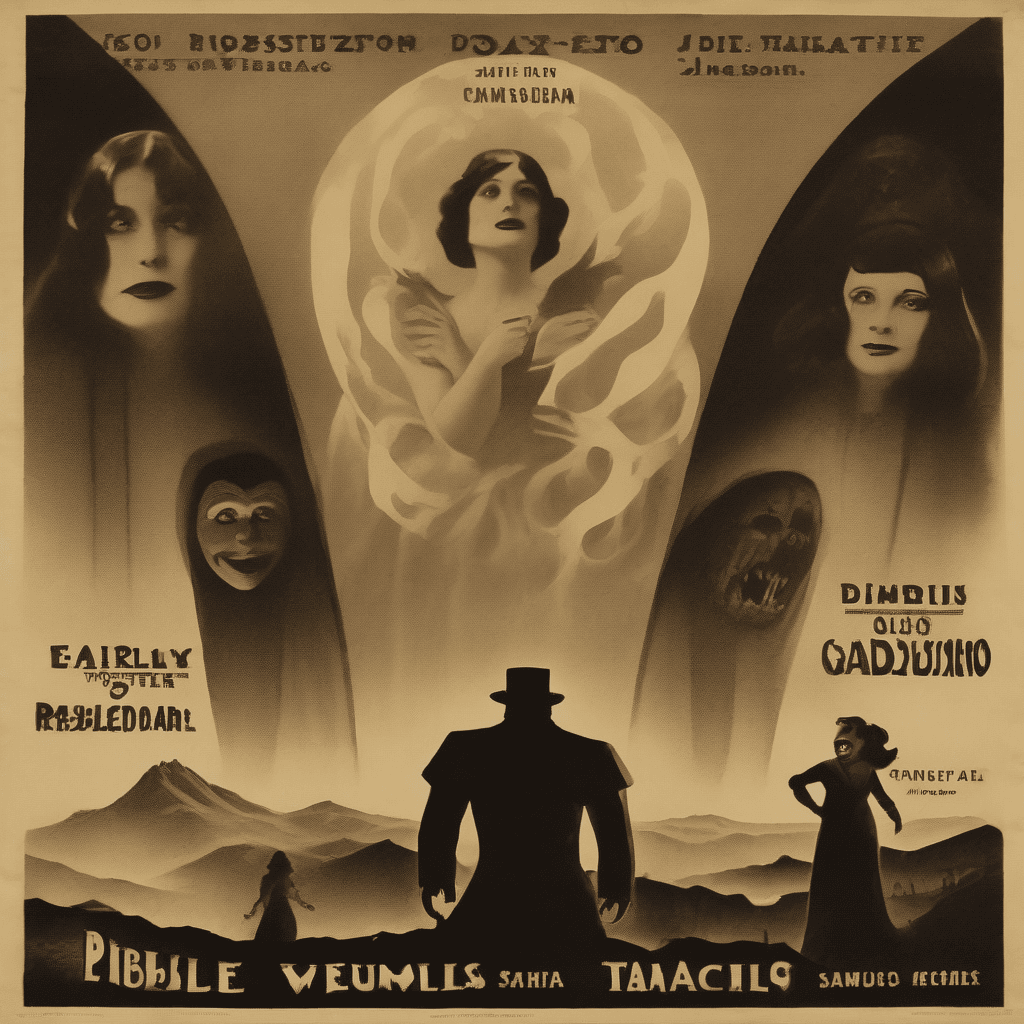
“Beyond the well-trodden paths of midnight movies and modern counter-culture, the true genesis of cult cinema's rebellious spirit lies hidden in the silent era's forgotten reels. This deep dive uncovers how early films, with their transgressive narratives and unconventional aesthetics, laid the groun…”
The term 'cult cinema' conjures images of midnight screenings, fervent fandoms, and films that defy mainstream categorization. It speaks to a shared experience, a collective appreciation for the weird, the wonderful, and the profoundly unconventional. Yet, to truly understand the enduring allure of cult films, we must journey beyond the familiar touchstones of the 1970s and 80s and delve into the earliest days of cinematic history. The foundational elements of what makes a film 'cult' – its transgressive narratives, its maverick spirit, its ability to resonate with a niche audience – were not born overnight but rather incubated in the flickering shadows of the silent era. These early, often forgotten reels, though lacking sound and color, were potent vessels for social commentary, boundary-pushing themes, and an aesthetic wildness that pre-coded the modern cult phenomenon.
The Genesis of the Unconventional: Seeds of Subversion in Early Cinema
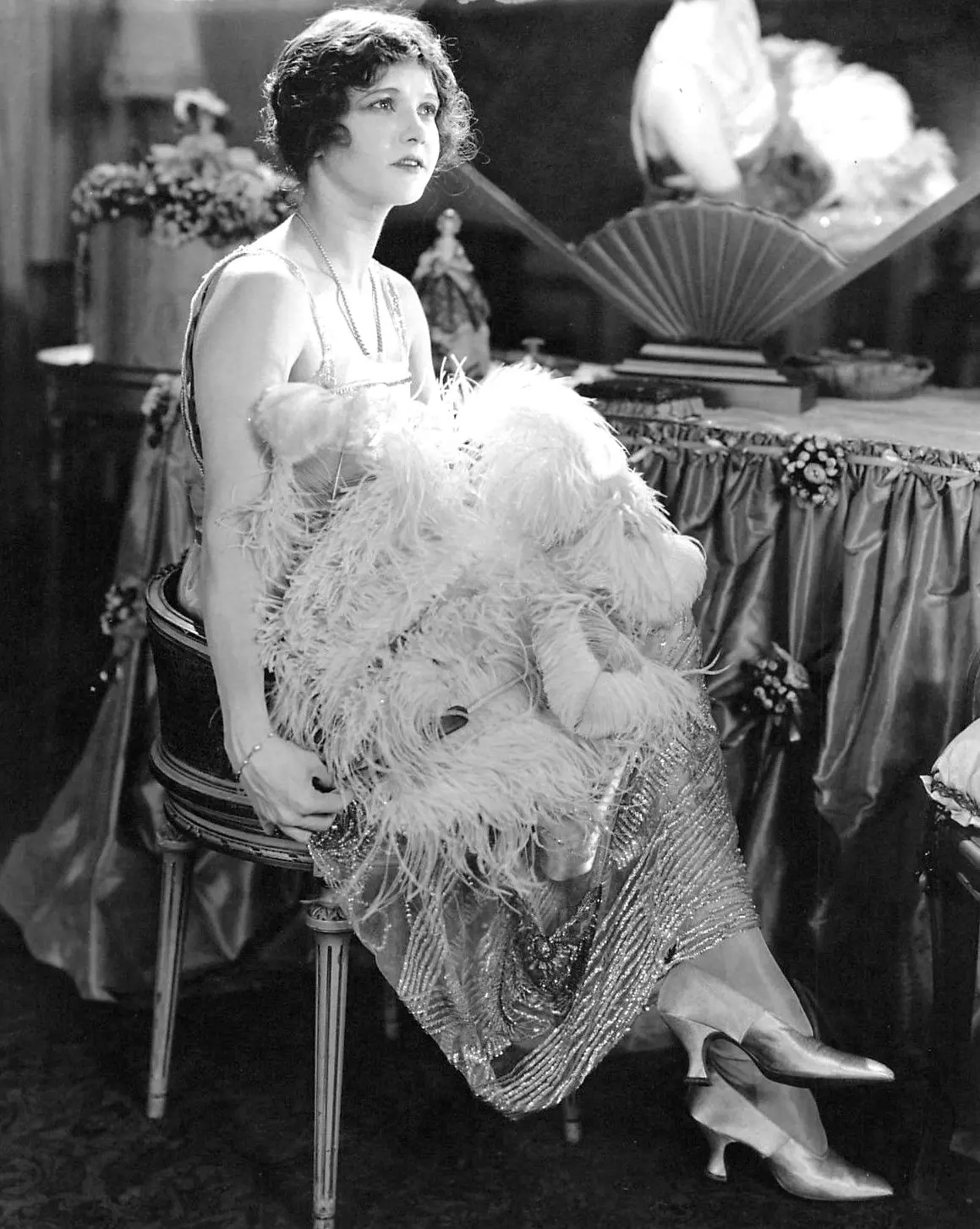
Before the Hays Code, before the studio system solidified its grip, and long before 'midnight movie' became a descriptor, early cinema was a wild frontier. Filmmakers, experimenting with a brand-new art form, often stumbled upon themes and visual styles that, in retrospect, bear a striking resemblance to the proto-cult aesthetic. These were films that, intentionally or not, challenged prevailing sensibilities, explored taboo subjects, or simply possessed a unique, often unsettling, charm. They were the cinematic anomalies, the forgotten outliers that, through their sheer difference, laid the groundwork for future generations of rebel filmmakers and devoted audiences.
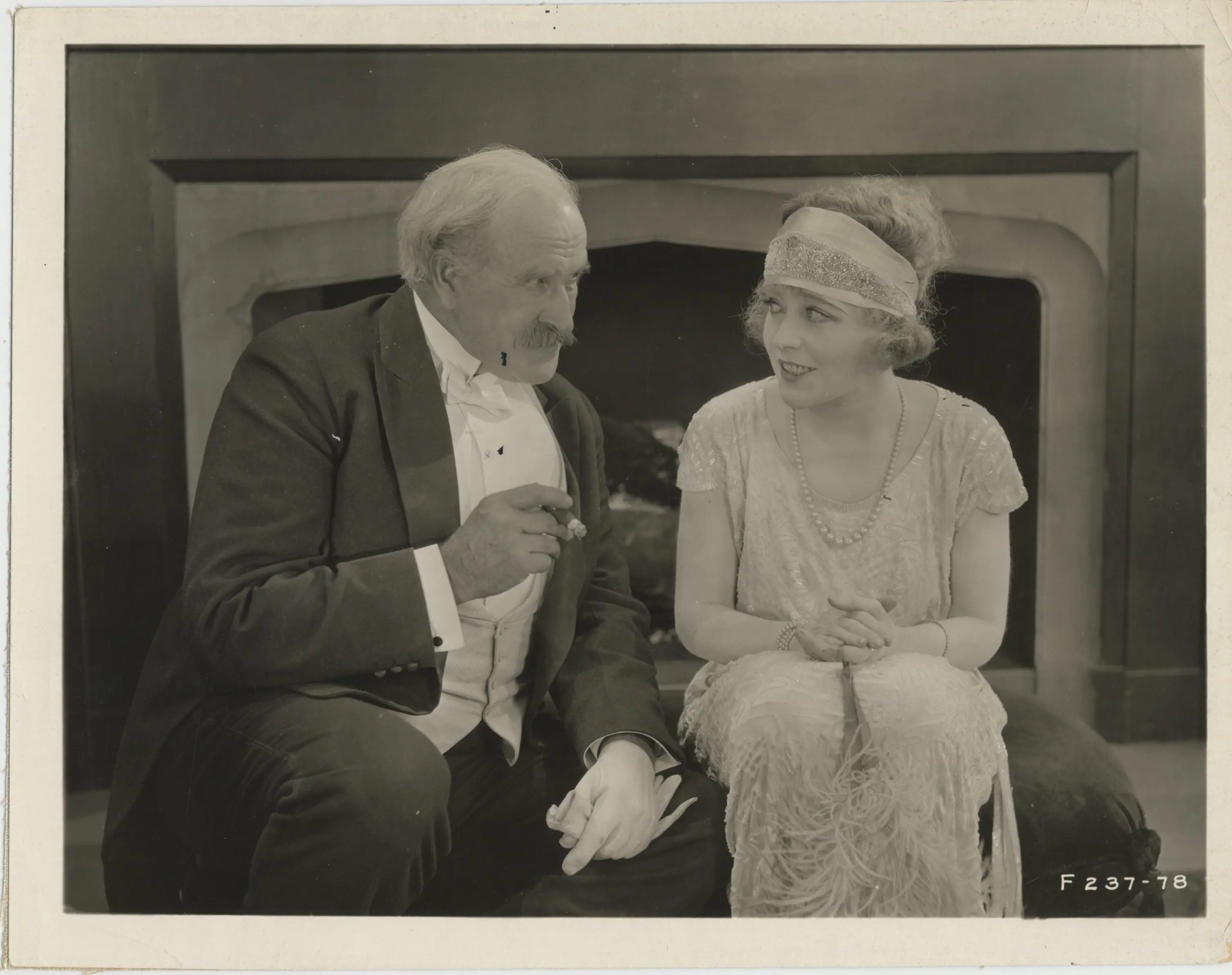
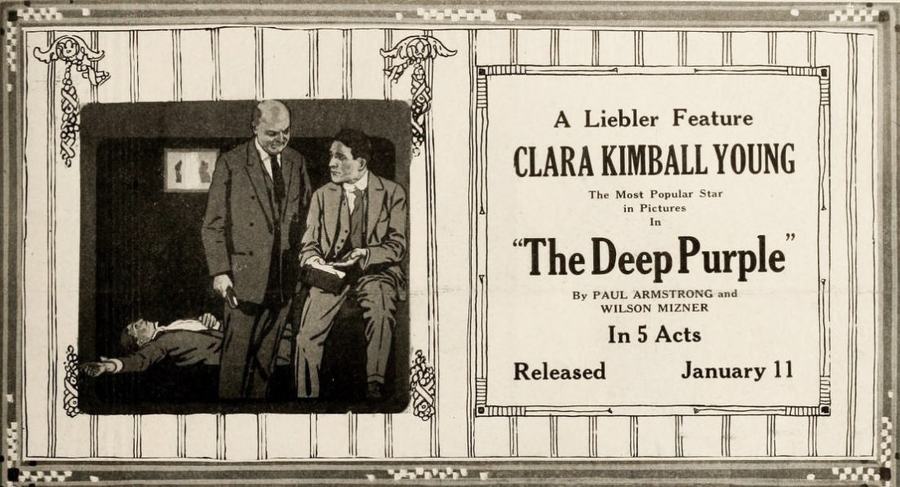
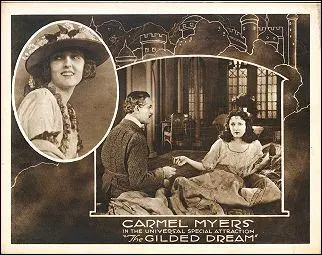
Consider the inherent melodrama of the era. Films like The Deep Purple (1915) or The Gilded Dream (1920) might seem conventional on the surface, depicting tales of crime, deceit, and social climbing. However, their heightened emotional stakes, often bordering on the operatic, fostered a visceral connection with audiences. This raw, unfiltered emotional intensity, a hallmark of many enduring cult classics, allowed for a deeper, almost ritualistic engagement with the narrative. The exaggerated performances and dramatic resolutions, while perhaps a product of the silent medium, created a world where emotions were writ large, inviting a fervent, almost obsessive, response from viewers.

Narratives of Defiance and Otherness: Challenging the Status Quo
Many early films, even within seemingly innocuous genres, harbored transgressive elements that pushed against the moral fabric of their time. The Tiger Woman (1917), for instance, presents a protagonist of 'unmitigated evil' reviewing her life. Such a narrative, celebrating or at least unflinchingly presenting moral depravity, was a bold statement. It dared to explore the darker facets of human nature, a theme that would become central to countless cult films, from horror to crime sagas. This willingness to showcase characters who exist outside conventional morality, who defy societal expectations, is a direct lineage to the anti-heroes and villains beloved by cult audiences.

Perhaps one of the most intriguing examples of early narrative subversion is A Florida Enchantment (1914). This bizarre comedy features a woman who discovers a seed that can cause gender-swapping. She consumes one, then gives them to her maid and fiancé, leading to a delightful chaos of gender role reversal. This playful yet profound exploration of identity and societal norms, decades ahead of its time, is precisely the kind of unconventional storytelling that cult audiences gravitate towards. It’s a film that, through its sheer audacity and fantastical premise, disrupts expectations and invites a re-examination of established boundaries.

Similarly, films like The Libertine (1921), with its depiction of a man who 'masterfully woos many women,' or Blind Husbands (1919), exploring themes of marital neglect and seduction, tackled subjects that were considered risqué. These were not just romantic dramas; they were subtle critiques of societal hypocrisy and sexual mores, hinting at the kind of social transgression that fuels many cult narratives. The very act of portraying these 'forbidden' aspects of life, even if cloaked in melodrama, sowed the seeds of a cinematic language that spoke to the disenfranchised and the curious.
The Allure of the Anomalous: Beyond Standard Genre Fare
Cult cinema often thrives on its ability to transcend or blend genres, creating something wholly unique and often difficult to classify. This experimental spirit was alive and well in the early days of film. Consider the intriguing premise of The Monster and the Girl (1914), a title that immediately suggests a blend of horror and drama, pushing against conventional storytelling boundaries of its time. While details are sparse for many of these lost or rarely seen films, their very titles and brief descriptions hint at a willingness to explore the bizarre and the fantastic.
Even within established genres like action or drama, early films found ways to inject unforeseen narrative twists or unique thematic concerns. Rimrock Jones (1918) presents a classic Western conflict but centers on the unscrupulous application of an 'Apex Law' to defraud a prospector. This focus on legal loopholes and moral ambiguity, rather than simple good vs. evil, adds a layer of intellectual intrigue that appeals to viewers seeking more than superficial entertainment. The Primal Law (1921), another Western, delves into corporate greed and deception over oil wealth, showcasing a complexity that elevates it beyond a mere genre piece.
Propaganda films of the era, such as The Battle Cry of Peace (1915) or Why America Will Win (1918), while serving a nationalistic purpose, often employed dramatic, almost sensationalist narratives to convey their messages. The spectacle of impending invasion in The Battle Cry of Peace, coupled with its warning against pacifism, could be seen as a form of cinematic extremism, leveraging fear and heightened emotion to provoke a reaction. This kind of intense, almost didactic filmmaking, though different in intent, shares a certain unapologetic boldness with cult films that seek to challenge or shock their audience.

The Power of the Outsider and the Rebel Archetype
The cult film often champions the outsider, the rebel, the character who stands apart from the crowd. This archetype is clearly visible in the earliest cinematic narratives. A Man There Was (1917), a powerful drama, focuses on a sailor's profound suffering and later moral dilemma regarding revenge. His journey, marked by immense personal loss and a struggle with justice, paints him as a figure of intense, almost mythic, solitude and defiance. These emotionally charged narratives about individuals against overwhelming odds or societal injustices resonate deeply with niche audiences who often feel like outsiders themselves.
Even comedies like Running Wild (1921) or What Happened to Jones (1920) featured protagonists who were, for a time, at odds with authority or societal expectations, albeit in a humorous context. This playful defiance, this gentle mockery of convention, is a lighter precursor to the more overt rebellion found in later cult classics. The character of Sophy in Sophy of Kravonia; or, the Virgin of Paris (1918), a kitchen maid whose fortune is foretold to involve a crown or sword, embarks on a journey of social ascent. Her narrative embodies the aspirational outsider, a figure who breaks free from their prescribed station, a theme that consistently appeals to cult sensibilities.
Aesthetic Deviation and Visual Language: Crafting the Unique
Beyond narrative, the visual language of early cinema, particularly its willingness to experiment, contributed significantly to the cult film aesthetic. The lack of synchronized sound forced filmmakers to rely heavily on visual storytelling, leading to expressive cinematography, dramatic lighting, and often symbolic set designs. These techniques, while necessary, also created a distinct, often dreamlike or exaggerated reality that parallels the stylized worlds of many cult masterpieces.
Films like Passion (1919), with its opulent historical setting and grand emotional scope, or Fool's Paradise (1921), featuring a dancer and a cantina girl in a Mexican border town, utilized visual elements to create immersive and distinct atmospheres. The deliberate choice of setting, costume, and visual motif, even in black and white, conveyed a sense of otherworldliness or heightened reality. This meticulous attention to visual world-building, often prioritizing atmosphere over strict realism, is a cornerstone of films that attract a devoted following. The creation of a unique cinematic universe, however crude its early form, is a powerful draw for audiences seeking something beyond the mundane.
The Potential for Rediscovery: From Obscurity to Oracle
One of the defining characteristics of cult cinema is its journey from initial obscurity, critical indifference, or even outright failure, to later reappraisal and passionate fandom. Many of these early films, now largely forgotten by mainstream audiences, possess precisely this potential. They are the cinematic relics, waiting to be unearthed by curious cinephiles and academic scholars alike. A film like Empty Arms (1920), dealing with a woman's fear of childbirth, tackles a deeply personal and universal anxiety, a theme that could resonate powerfully with modern audiences if rediscovered.
The very fact that many of these films are obscure adds to their cult mystique. There's an inherent thrill in discovering a hidden gem, a piece of cinematic history that defies easy categorization or widespread recognition. This act of discovery, of piecing together the fragmented history of early cinema, mirrors the experience of many cult film enthusiasts who champion overlooked works. The unseen currents of cinematic innovation flowed strongly in these early decades, creating a rich archive of material ripe for re-evaluation through a cult lens.
The Enduring Legacy: A Maverick Blueprint for Modern Cult Fandoms
The spirit of cult cinema is not merely about specific genres or release strategies; it's about a particular relationship between film and audience, characterized by devotion, re-watchability, and a shared appreciation for the unconventional. These early films, with their bold narratives, experimental aesthetics, and willingness to delve into the darker or more fantastical aspects of human experience, provided an unwitting blueprint for this relationship.
From the raw emotional intensity of melodramas like The Invisible Divorce (1920) and The Marriage Pit (1920), which explored the complexities of human relationships with a dramatic flair, to the subtle social critiques embedded in films like Is Matrimony a Failure? (1920), the seeds of cult appeal were sown. These films, even in their nascent form, tapped into universal human desires: the desire for escape, for understanding the darker corners of the psyche, and for narratives that dared to be different.
The early cinematic landscape, populated by characters like the defiant hero of The Lone Hand (1920) or the morally ambiguous figures in The Grasp of Greed (1916), offered a diverse palette of human experience. These stories, often told with a captivating simplicity and directness, allowed for an immediate and profound connection. The maverick visions of these pioneering filmmakers, working without established rules, inadvertently created a template for the kind of cinema that would later bypass mainstream expectations to forge its own, fiercely loyal fandoms.
In conclusion, the unruly archives of early cinema are far more than historical curiosities. They are the primordial soup from which the complex, vibrant ecosystem of cult cinema emerged. By revisiting these forgotten reels, we gain a deeper appreciation for the enduring power of transgression, rebellion, and unconventional storytelling. The spirit of cult, therefore, is not a modern invention but an intrinsic part of cinema’s very DNA, present from its earliest flickering moments, waiting to be rediscovered by those willing to look beyond the marquee's glare and into the heart of its most daring and distinctive visions.
Community
Comments
Log in to comment.
Loading comments…