
Cult Cinema
The Unseen Resonance: Decoding Cult Cinema's Enduring Power and Maverick Spirit
“Dive into the captivating world of cult cinema, exploring its historical roots, the elements that forge unbreakable fan devotion, and its profound impact on cinematic culture and individual identity. This article unearths the subversive heart beating beneath the surface of these beloved, unconventio…”
In the vast, ever-expanding universe of film, there exists a unique constellation known as cult cinema. These aren't merely popular movies; they are films that transcend mainstream appeal, forging an almost spiritual connection with their audiences. They are often misunderstood, initially overlooked, or even reviled, only to be resurrected and revered by niche communities who find profound meaning, identity, and solace within their unconventional narratives. The enduring allure of cult films lies in their capacity to challenge norms, provoke thought, and foster a sense of belonging among those who feel outside the conventional cinematic mainstream. This deep dive explores the genetic code of cult cinema, from its earliest, often forgotten, cinematic whispers to its vibrant, participatory modern iterations, unraveling the threads of its maverick spirit and subversive charm.

The Genesis of the Cult Gaze: Echoes from Early Cinema's Fringe
To truly understand the phenomenon of cult cinema, one must look beyond the immediate and into the very origins of film itself. While the term 'cult film' gained prominence much later, the seeds of niche obsession and rebel spirit were sown in the early days of filmmaking. Long before midnight screenings became a ritual, certain films, by virtue of their themes, aesthetics, or sheer oddity, resonated differently. They were the cinematic underground, perhaps not recognized as such at the time, but carrying the DNA of future cult classics.

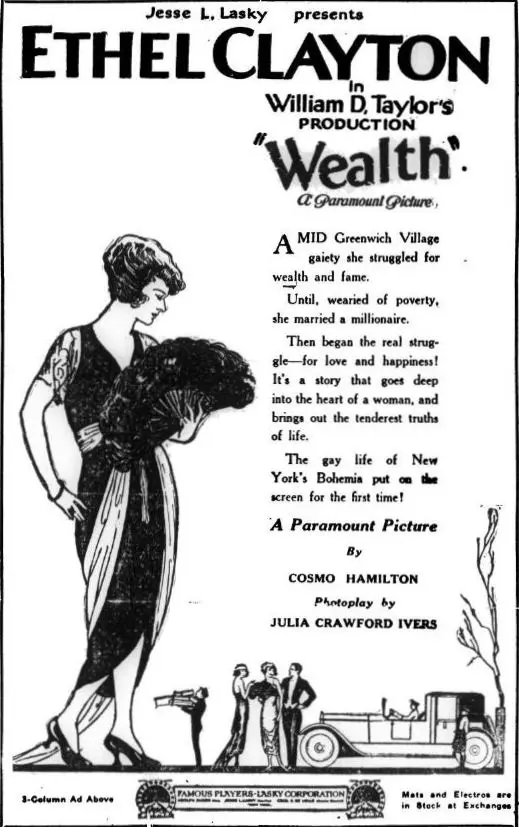
Early dramas and melodramas, for instance, often grappled with societal hypocrisy, moral ambiguity, and the struggles of individuals against oppressive systems. Films depicting characters trapped by circumstance, or those making transgressive choices, offered a mirror to audiences feeling similarly constrained. The narratives of characters striving for self-determination against a backdrop of societal judgment, or those navigating complex moral landscapes, resonated with a nascent fringe sensibility. These were not always joyous tales; often, they explored the darker facets of human nature and society, portraying struggles with poverty, injustice, and the relentless pursuit of wealth or love, sometimes with tragic or morally ambiguous outcomes. Such depictions, even in their nascent forms, hinted at the kind of thematic depth and unconventional viewpoint that would later define cult status. The raw emotionality and often stark realism, or conversely, exaggerated theatricality, of these early works presented viewpoints that could be seen as challenging the prevailing sensibilities, laying groundwork for later, more explicit transgressive cinema.

Genre-Bending and Maverick Spirits in the Silent Era
Beyond straightforward dramas, the early exploration of genres also revealed fertile ground for cult tendencies. The Western, a quintessential American genre, even in its formative years, showcased characters who operated outside the law, embodying a rugged individualism that could be interpreted as anti-establishment. These were figures of both admiration and caution, heroes with murky pasts or questionable methods, whose moral compasses were often skewed by the harsh realities of the frontier. This fascination with the outsider archetype, the maverick who defies convention, is a hallmark of cult appeal. Similarly, early action and adventure films, with their daring feats and revolutionary narratives, celebrated defiance and rebellion against established powers, resonating with a desire for societal change or personal liberation. The exploration of mystery and the unknown, even in short formats, invited audiences to engage with narratives that challenged their perceptions, fostering a sense of intellectual curiosity and a desire for deeper understanding—elements crucial for building a devoted fandom.
Comedies, too, contributed to this burgeoning underground. From slapstick chaos to subtle social satires, films that pushed boundaries of taste or decorum, or that found humor in the absurdities of everyday life, carved out their own niche audiences. These were films that dared to be silly, bizarre, or even a little scandalous, offering a different kind of escapism or commentary than the more respectable fare. The unconventional humor and often exaggerated characterizations provided a fresh perspective, a welcome departure from the predictable. This embrace of the bizarre and the unconventional, a willingness to laugh at the discomforting or the taboo, is a foundational aspect of what makes a film a cult classic. It’s about finding joy and connection in the strange, the off-kilter, and the uniquely peculiar aspects of human experience, whether it's through a character’s naive journey from farm to city, or a chaotic misunderstanding involving pets and drinks.

The Midnight Movie Phenomenon: From Obscurity to Ritual
The concept of cult cinema truly solidified with the rise of the midnight movie phenomenon in the 1970s. This was a time when films, often those that had flopped commercially or were deemed too strange for mainstream daytime screenings, found a second life in late-night showings. These screenings became more than just viewings; they evolved into communal rituals. Audiences would dress up, recite lines, and interact with the screen, transforming the passive act of watching into an immersive, participatory experience. This era cemented the idea that a film's cult status was not just about its content, but also about the active engagement and devotion of its audience.

What drives a film from obscurity to this hallowed status? Often, it's a potent cocktail of factors: a unique aesthetic that defies easy categorization, themes that resonate deeply with a specific demographic, or a narrative that is so bizarre or audacious it simply cannot be ignored. Films that explore forbidden desires, societal taboos, or alternative lifestyles often find their fervent champions among audiences who feel marginalized by mainstream culture. The transgressive elements in these films—whether in their visual style, narrative content, or character portrayals—offer a cathartic release and a sense of validation for viewers seeking narratives that reflect their own non-conformist perspectives. This is where the true power of fringe films lies: in their ability to speak to the unspoken, to represent the unrepresented, and to celebrate the unconventional.

The Anatomy of Obsession: What Makes a Film Cult?
Dissecting the essence of a cult film reveals several recurring characteristics that contribute to its enduring appeal and the fervent fanatical fandom it inspires. Firstly, replay value is paramount. These are films that demand multiple viewings, revealing new layers, hidden meanings, or simply offering immense comfort and joy through repetition. The intricate details, the memorable dialogue, or the sheer spectacle begs for re-engagement, fostering a deep familiarity that transcends casual appreciation.

Secondly, quotability and memorable characters are crucial. Cult films often possess iconic lines or unforgettable personalities that become part of the shared lexicon of their fans. These characters, whether they are anti-heroes, tragic figures, or figures of pure absurdity, resonate because they embody something authentic, something raw, or something deeply relatable in their eccentricity. They challenge the archetypes, offering complex, sometimes contradictory, portrayals of humanity that stick with the viewer long after the credits roll. This deep connection to characters often fuels the desire for immersive fan activities, from cosplay to fan fiction, further solidifying the film’s cult status.
Thirdly, transgressive themes and genre-bending aesthetics play a significant role. Cult films frequently defy conventional storytelling, blending genres, breaking narrative rules, or exploring subjects deemed taboo by mainstream society. This willingness to experiment and provoke is often what initially alienates them from a wider audience but ultimately endears them to a select few. The maverick approach to filmmaking, whether it’s a director’s singular vision, a peculiar visual style, or a narrative that spirals into surrealism, contributes to the film's distinct identity and its ability to stand apart from the crowd. This often means embracing narratives that challenge dominant ideologies, question authority, or explore alternative realities, making these films potent tools for social commentary and personal introspection.
Audience Participation and Community Building
Perhaps the most defining characteristic of cult cinema is the active participation of its audience. Unlike passive consumption, cult film viewership often involves rituals, discussions, and the creation of subcultures. This could be anything from dressing up for screenings, shouting lines at the screen, to engaging in elaborate online communities dedicated to dissecting every frame and theory. This communal aspect transforms solitary viewing into a shared experience, forging strong bonds among fans. It provides a platform for individuals to connect over a shared, often unconventional, passion, fostering a sense of belonging that can be deeply affirming. The cinematic vortex created by these films pulls people in, encouraging them to not just watch, but to become part of the film's ongoing narrative and legacy. This shared space of appreciation and interpretation creates an echo chamber of the unseen, where marginal tastes find collective validation and celebration.
Cult Cinema as Identity: A Mirror for the Outsider
For many, cult films are more than just entertainment; they are a vital part of their identity. These films often speak to the outsider, the rebel, the individual who feels alienated by mainstream culture. They offer narratives where the strange, the marginalized, or the misunderstood are central, providing validation and a sense of belonging. Finding a cult film that resonates deeply can be a transformative experience, a realization that one is not alone in their unique perspectives or tastes. This is the transformative power of cult cinema: its ability to forge identity and foster unwavering devotion.
The characters and worlds within cult films often present alternative realities or perspectives that challenge the viewer to question their own preconceived notions. Whether through dark humor, surreal imagery, or profound philosophical questions, these films invite deeper engagement and introspection. They become benchmarks, cultural touchstones that define a generation or a specific subculture, allowing individuals to express their unique identities through their cinematic allegiances. The unconventional canon of cult cinema provides a rich tapestry of stories for those seeking something beyond the predictable, something that truly speaks to their soul. It's a space where the weird is celebrated, the different is embraced, and the deviant narratives are cherished.
The Enduring Legacy: Challenging, Inspiring, and Defining
The impact of cult cinema extends far beyond its dedicated fan base. Its influence can be seen permeating mainstream film, television, music, and art. What was once considered fringe often becomes a source of inspiration for future generations of creators, proving the enduring power of maverick storytelling. Directors and writers continually draw from the well of cult classics, reinterpreting their themes, aesthetics, and narrative structures, thereby ensuring their legacy continues to evolve and inspire.
From the earliest silent-era oddities that hinted at a deeper, more subversive current, to the explosive midnight movie phenomena of later decades, cult cinema has always been a space for experimentation and defiance. It’s a testament to the idea that true artistic merit and lasting cultural impact aren't always dictated by box office success or critical acclaim. Sometimes, the most profound connections are forged in the shadows, in the late-night screenings, and in the shared whispers among devoted fans. The disruptive canon of cult films continues to challenge cinematic norms, proving that the most resonant stories are often those that dare to be different, to be strange, and to be unapologetically themselves. They are the rebel reels that keep the cinematic spirit vibrant and endlessly fascinating.
In conclusion, cult cinema remains a vital and dynamic force in the film world. It’s a celebration of the unconventional, a sanctuary for the outsider, and a powerful testament to the idea that some films are simply too unique, too provocative, or too beloved to ever truly fade away. These films, often born from obscurity, find their immortality in the hearts and minds of those who seek more than just a movie, but an experience, a community, and a reflection of their own unseen spirit. Long live the cult, long live the maverick, and long live the films that dare to be different.
Community
Comments
Log in to comment.
Loading comments…