
Curated Collection
Stigmatized Souls: The Cinema of Social Redemption and Ruin
An exploration of early cinema's obsession with moral branding, social ostracization, and the arduous path toward reclaiming one's character in a judgmental world.
20 films in this collection
In the formative years of the twentieth century, cinema functioned as more than a mere novelty of moving shadows; it served as a grand moral laboratory. As societies transitioned from the rigid hierarchies of the Victorian era into the volatile modernity of the pre-war and World War I years, the medium of film began to obsessively document the fragility of human reputation. This collection, Stigmatized Souls: The Cinema of Social Redemption and Ruin, delves into a specific subset of early narrative film produced between 1900 and 1918—works that examine the 'branded' individual. These are stories of characters who have fallen from grace, been marked by a single transgression, or find themselves battling the suffocating weight of a 'bad name' in a world that seldom offers second chances.
The Anatomy of the Branded Soul
Central to this thematic collection is the concept of the 'branded soul,' a motif that appears both metaphorically and literally in titles like A Branded Soul (1917) and The Sin Woman (1917). In these narratives, the protagonist is often a victim of circumstance or a momentary lapse in judgment that results in a permanent social exile. The cinematic language of the time used stark lighting and isolated framing to emphasize the loneliness of the ostracized. Whether it is the 'fallen woman' archetype or the man whose past crimes refuse to stay buried, these films explore the psychological toll of living on the 'Fringe of Society.' They reflect a burgeoning interest in the internal conscience, moving away from the black-and-white morality of early nickelodeon shorts toward the nuanced character studies seen in The Conscience of John David (1916).
The Weight of Identity and the 'Man Who Forgot'
A recurring trope within this collection is the loss or transformation of identity as a means of escape or involuntary punishment. Films such as The Man Who Forgot (1917) and The Birth of Character (1916) suggest that the 'self' is a fluid construct, easily shattered by trauma or social pressure. In these stories, amnesia or a total change in environment allows a character to build a new life, only for the 'stigmatized soul' of their past to inevitably resurface. This tension between who a person is and who society perceives them to be provides the primary engine for drama. It asks a question that resonated deeply with immigrant audiences of the era: Can a person truly shed their past and be reborn in the eyes of the law and the community?
Mammon, Corruption, and the Price of Character
Redemption in early cinema was rarely free; it often required a harrowing confrontation with the forces of greed and systemic corruption. The collection highlights works like The Toll of Mammon (1914) and Corruption (1917), which frame social ruin not just as a personal failing, but as a symptom of a materialistic society. In Shoes (1916), Lois Weber—one of the era's most provocative directors—presents a devastating look at how poverty forces moral compromises, effectively 'staining' the soul of a young woman for the price of a pair of footwear. These films were often 'social problem' pictures, designed to provoke empathy and spark legislative change, proving that the cinema of ruin was frequently a cinema of activism.
International Variations: From Russian Melancholy to Italian Grandeur
While the American film industry was prolific in its output of moral melodramas, the theme of the stigmatized soul was a global phenomenon, often colored by specific national anxieties. In the Russian Federation, films like Deti veka (1915) and Stolichnyi iad (1917) offered a more fatalistic view of social ruin, where the 'poison' of the city and the decadence of the upper classes made redemption nearly impossible. These works are characterized by a lingering sense of melancholy and an obsession with the aesthetic of decay. Conversely, Italian contributions like La perla del cinema (1916) and Beatrice Cenci (1911) often filtered these themes through the lens of historical tragedy or operatic grandeur, where the fall from grace is a spectacle of high art. Even in Denmark, Blandt Samfundets Fjender (1916) explored the 'enemies of society' with a clinical, almost modern eye for crime and its consequences.
The Legacy of the Reclaimed Identity
The films in this collection represent the blueprint for the psychological noir and the social realist dramas that would follow in later decades. By focusing on the 'Stigmatized Soul,' early filmmakers discovered that the most compelling conflicts were not found in external battles, but in the struggle to maintain dignity in the face of public shame. The Saintly Sinner (1917) and Temptation and the Man (1916) serve as reminders that the path to redemption is paved with sacrifice. As we look back at these flickering frames, we see a reflection of our own enduring preoccupation with reputation, 'cancel culture,' and the eternal hope that a branded soul can eventually find peace. This collection is a tribute to the resilience of the human spirit when caught in the unforgiving machinery of social judgment.

Eve's Daughter
James Kirkwood

The She Devil
J. Gordon Edwards
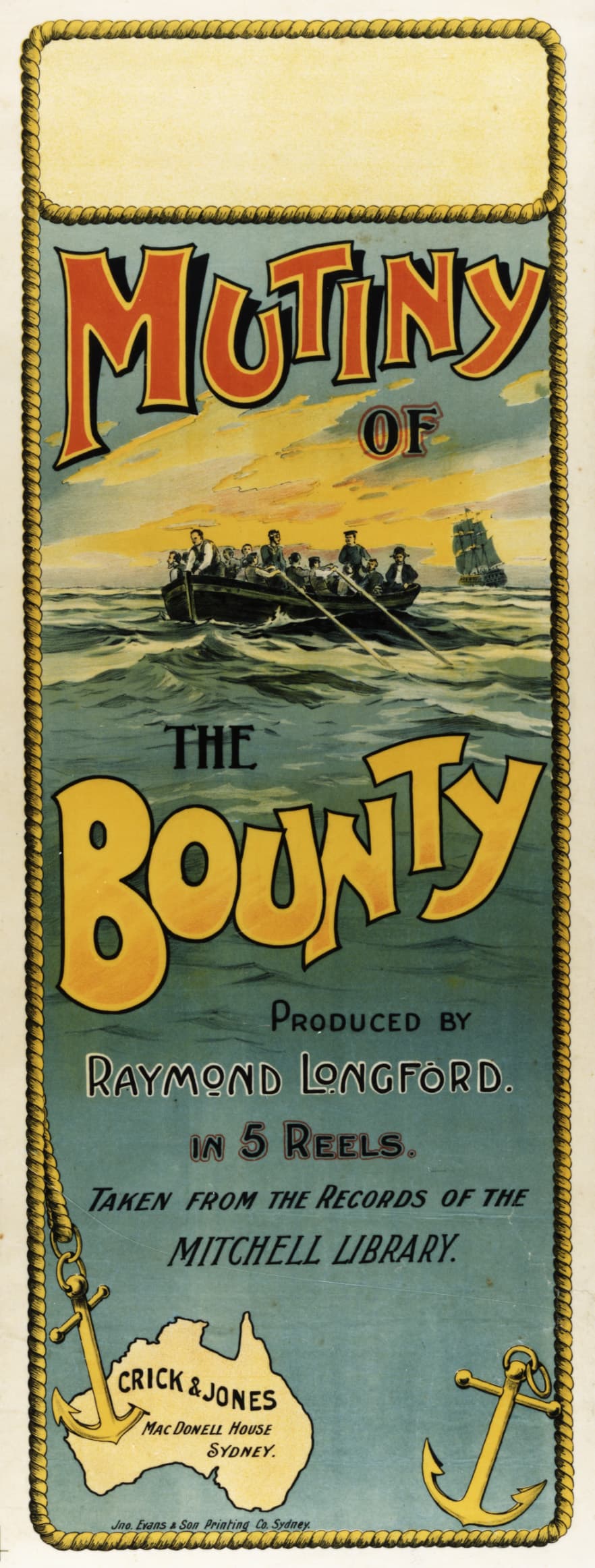
The Mutiny of the Bounty
Raymond Longford

Das Tagebuch einer Verlorenen
Richard Oswald

The Fall of the Romanoffs
Herbert Brenon

The Greatest Thing in Life
D.W. Griffith

The Soul of Buddha
J. Gordon Edwards

For the Freedom of the East
Ira M. Lowry

Shame
John W. Noble
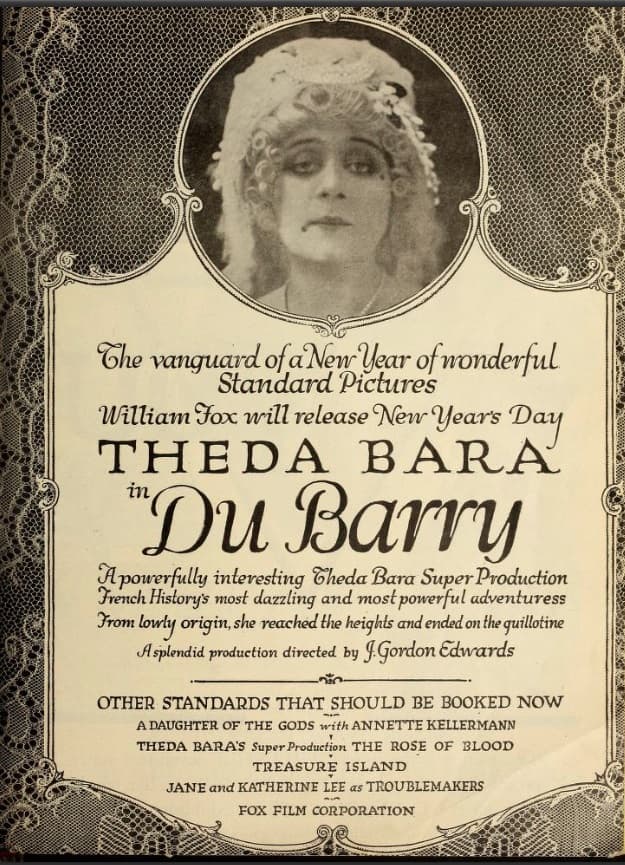
Madame Du Barry
J. Gordon Edwards

Blind Man's Luck
George Fitzmaurice

I Don't Want to Be a Man
Ernst Lubitsch

Otets Sergiy
Yakov Protazanov
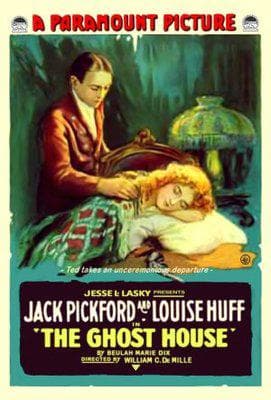
The Ghost House
William C. de Mille
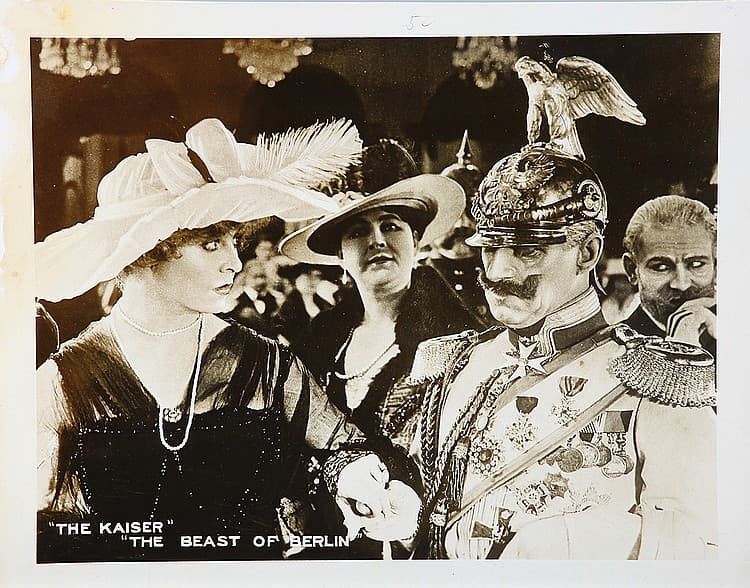
The Kaiser, the Beast of Berlin
Rupert Julian

Das Bildnis des Dorian Gray
Richard Oswald

Blind Justice
Benjamin Christensen
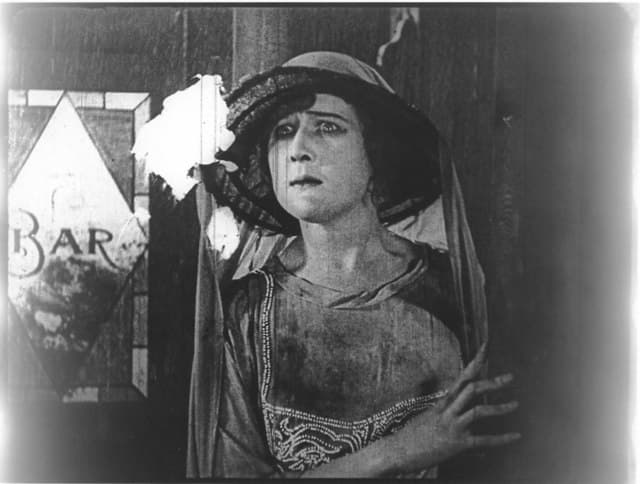
Bread
Ida May Park

Cleopatra
J. Gordon Edwards
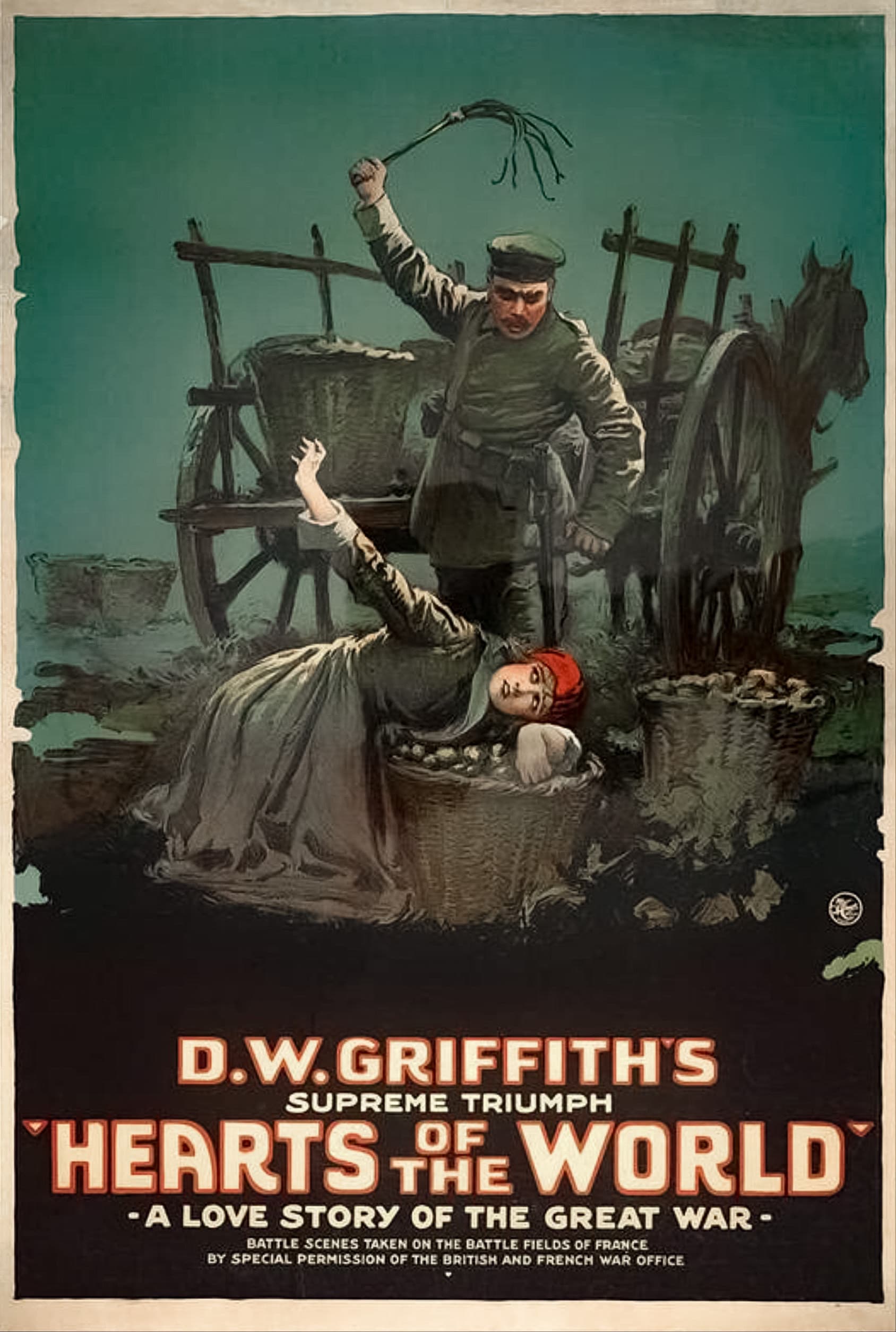
Hearts of the World
D.W. Griffith