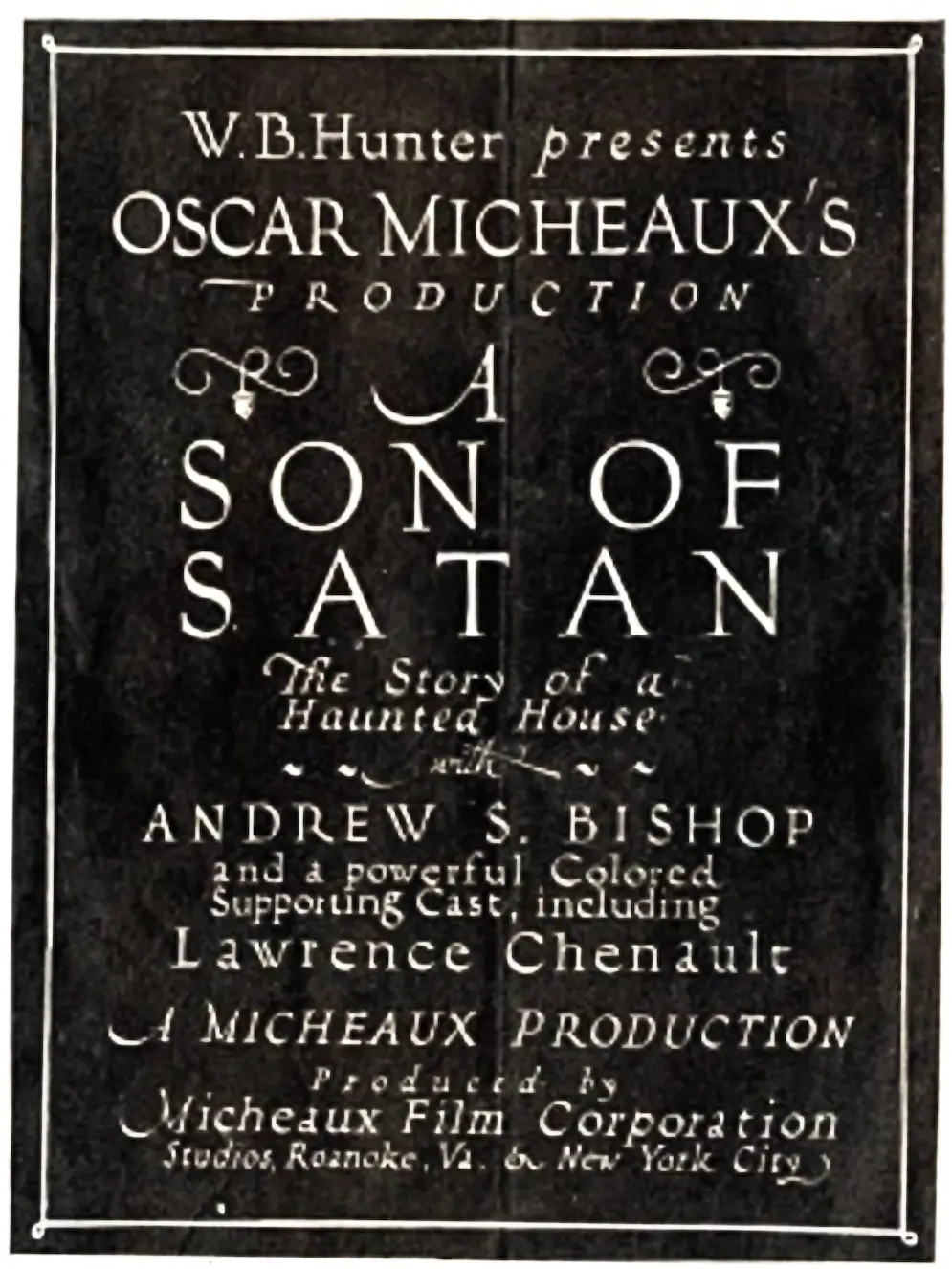
The misadventures of a man who accepted a bet to spend a night in a haunted house..
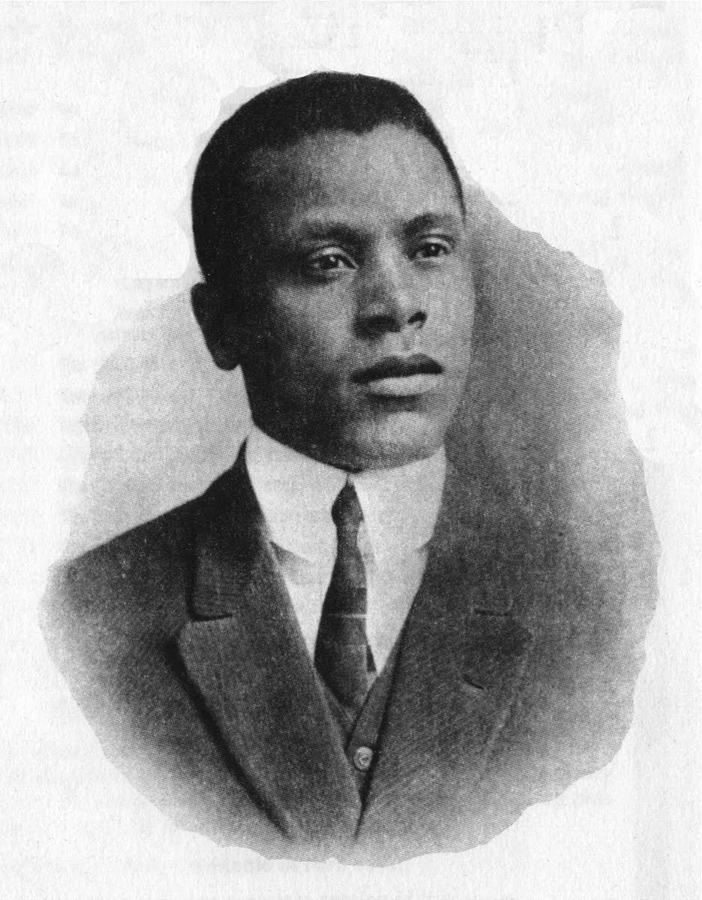
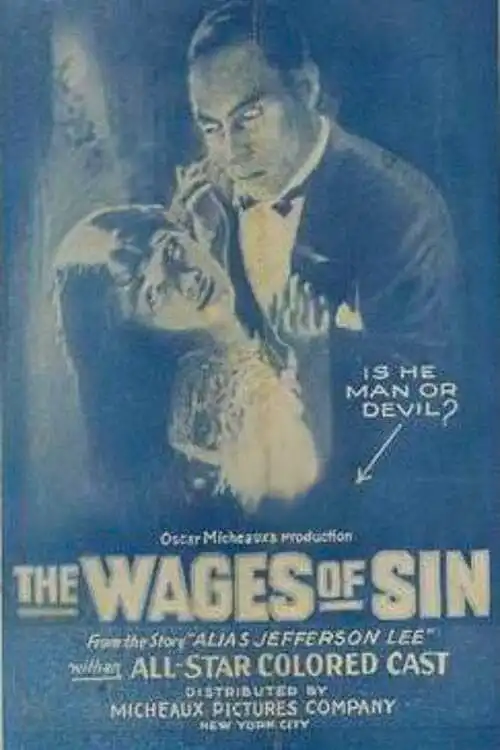
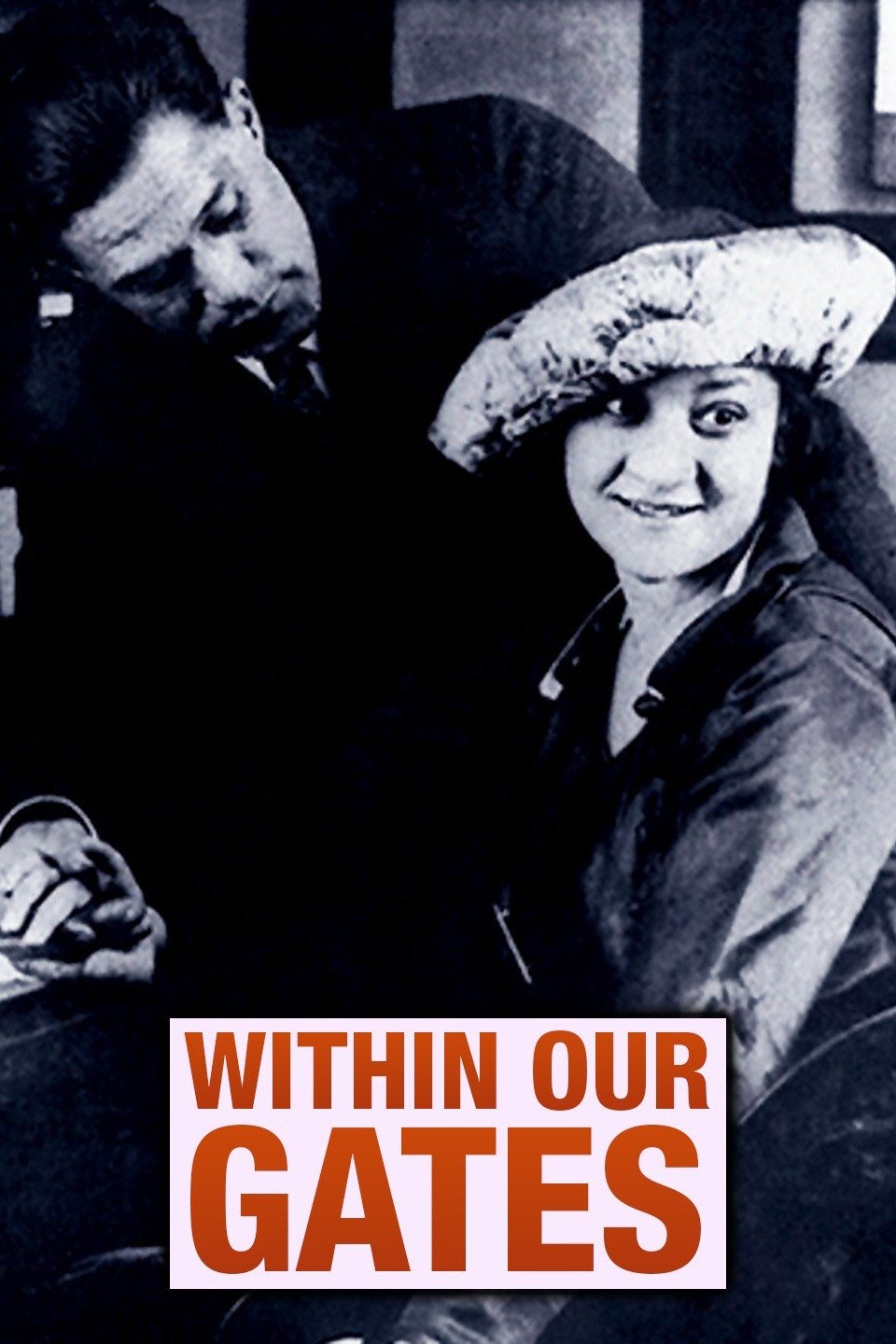
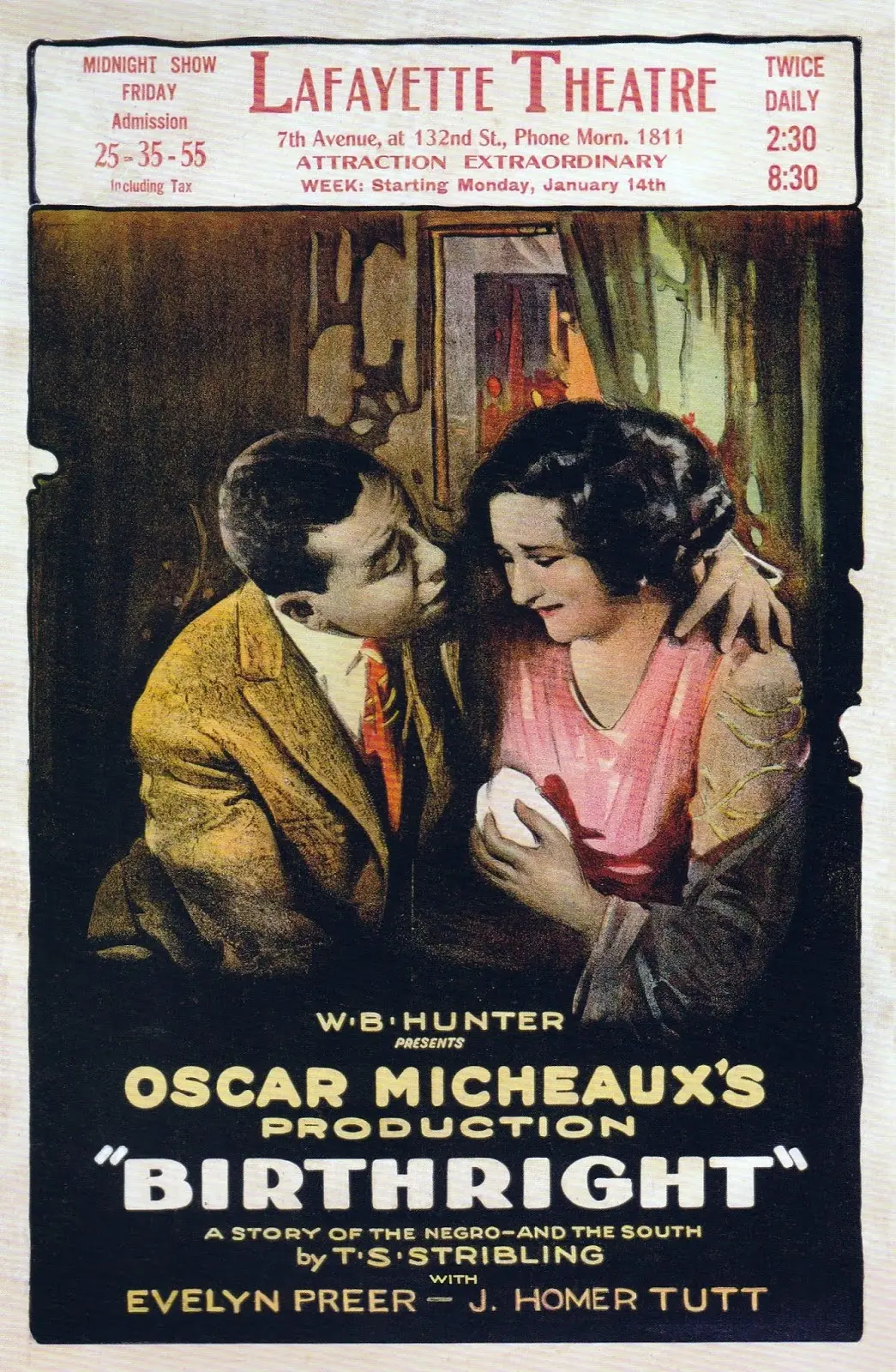
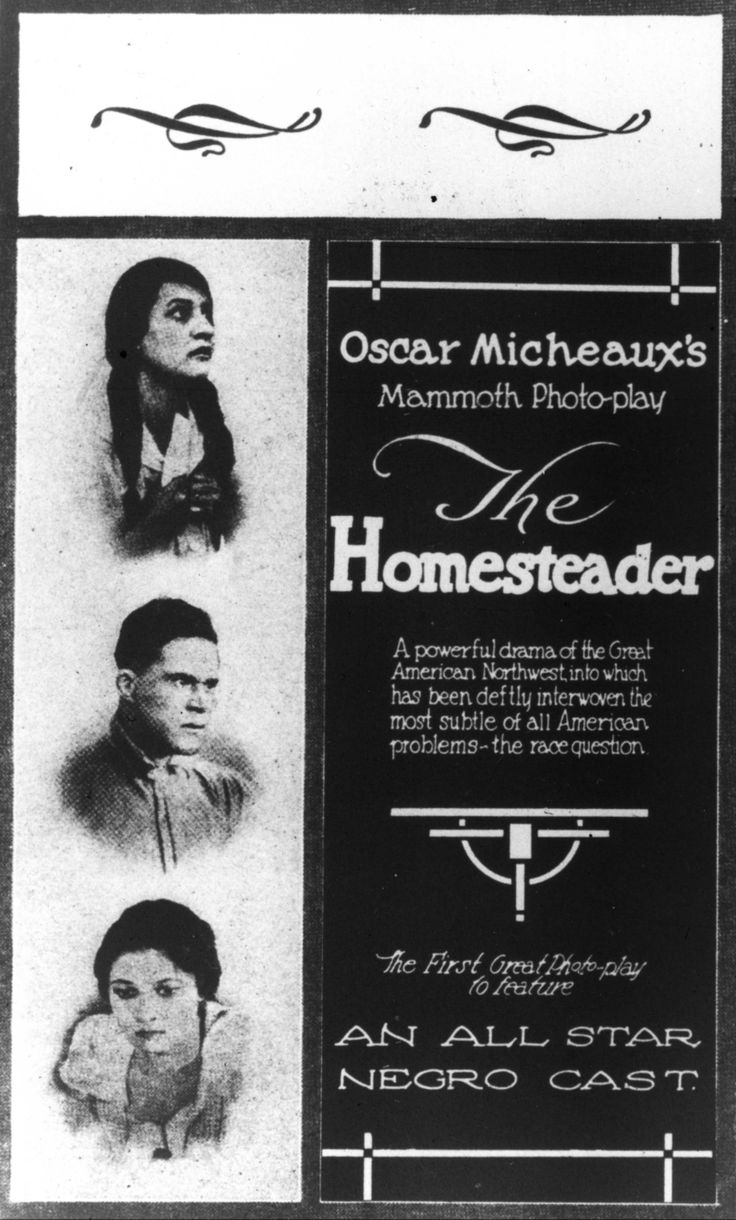
To discuss the filmography of Oscar Micheaux is to engage with a radical act of cinematic reclamation. In the early 1920s, while Hollywood was busy codifying the grammar of the studio system, Micheaux was operating on the fringes, building a parallel industry from sheer willpower and a shoestring budget. A Son of Sa...
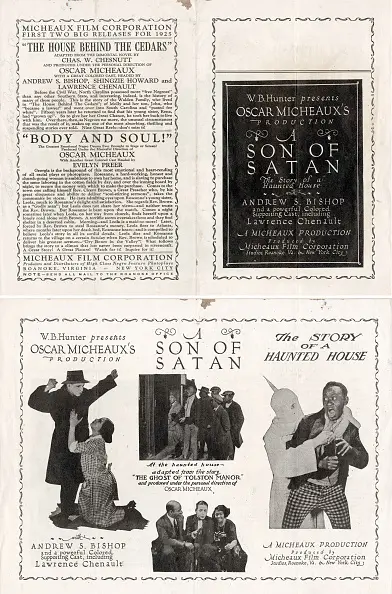
publicity
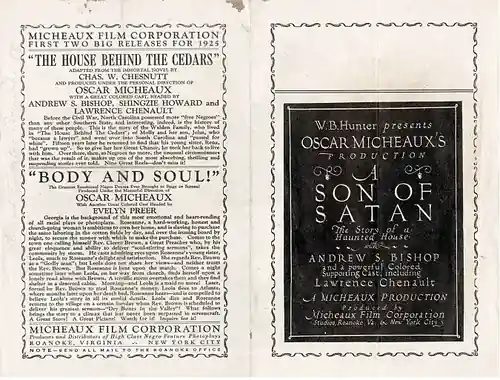
publicity
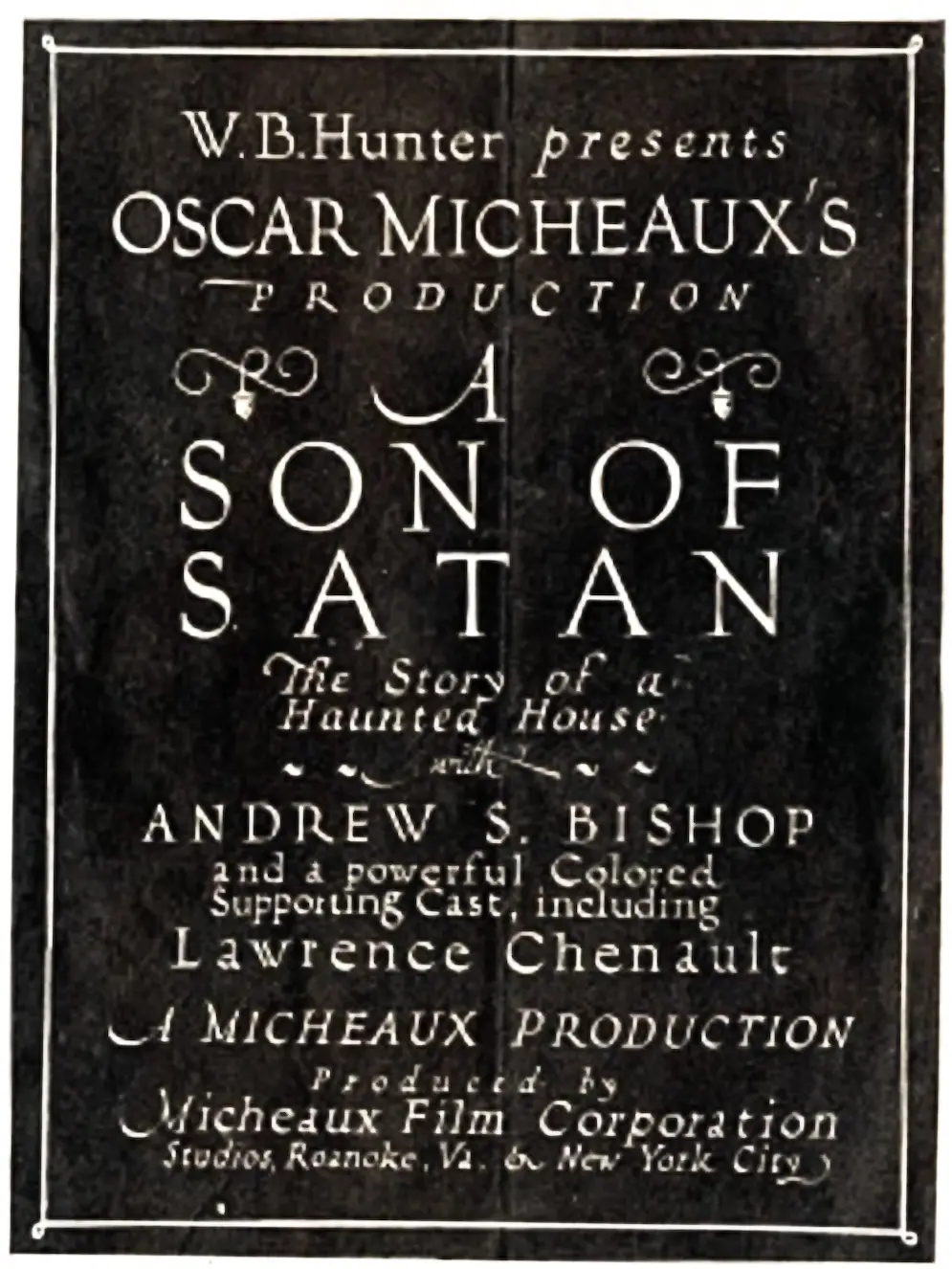
production_art
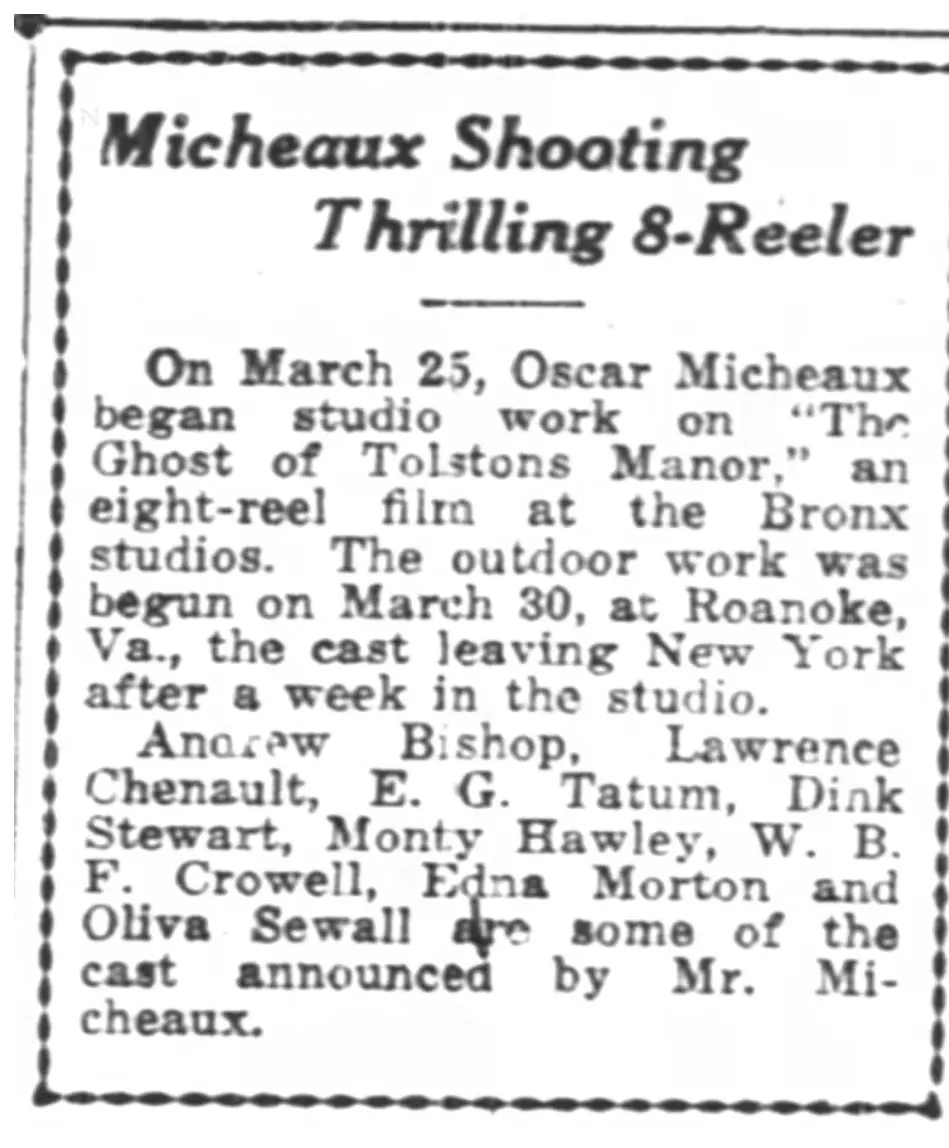
publicity

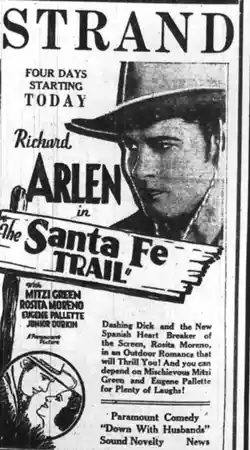
Comparing the cinematic DNA and archive impact of two defining moments in cult history.
Oscar Micheaux
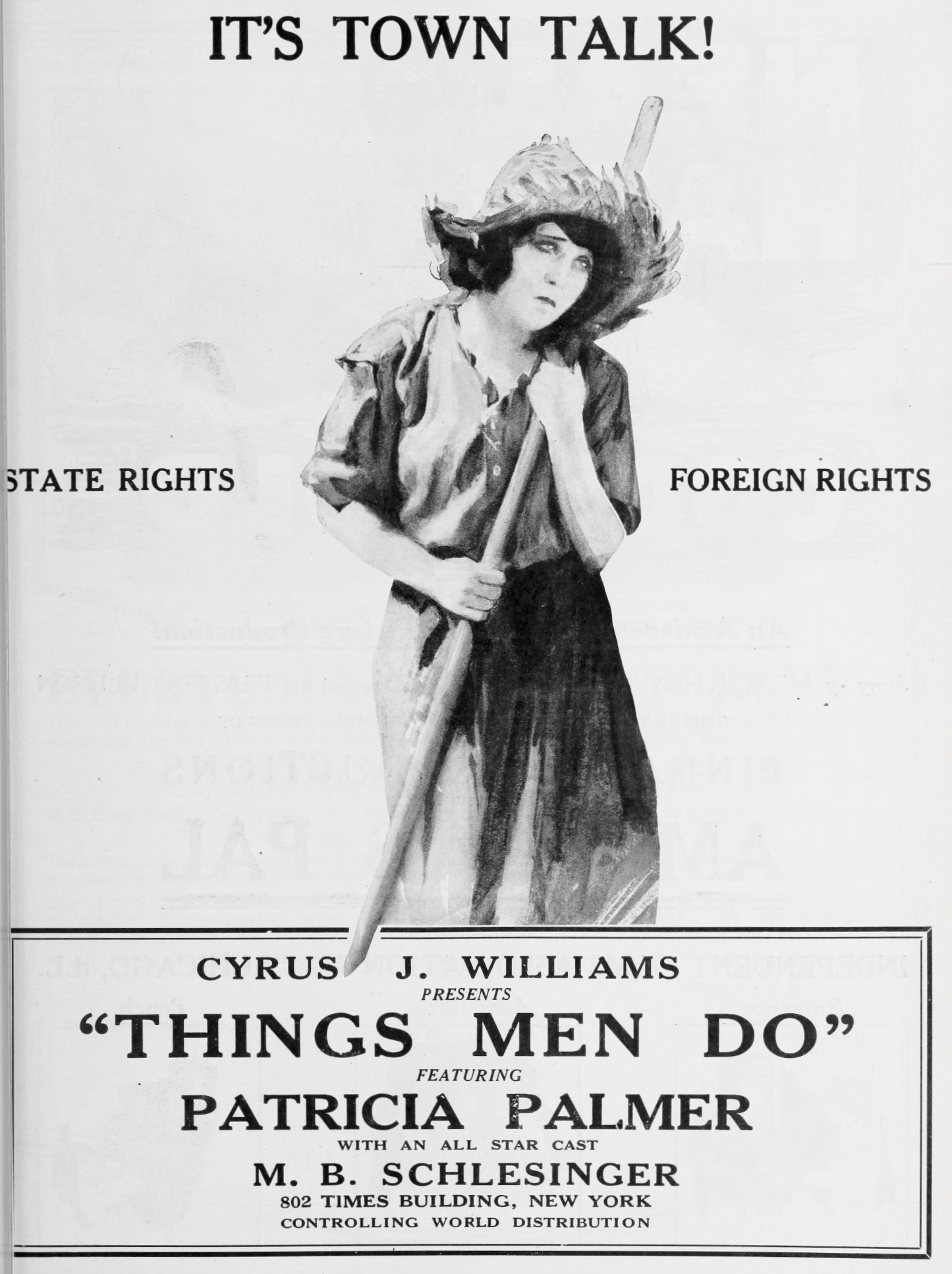
Robert N. Bradbury
Community
Log in to comment.
" To discuss the filmography of Oscar Micheaux is to engage with a radical act of cinematic reclamation. In the early 1920s, while Hollywood was busy codifying the grammar of the studio system, Micheaux was operating on the fringes, building a parallel industry from sheer willpower and a shoestring budget. A Son of Satan (1924) stands as one of his most intriguing, if misunderstood, artifacts—a film that dares to blend the macabre with the mundane, using the 'haunted house' trope as a stage for..."
Blanche Thompson
Oscar Micheaux
United States