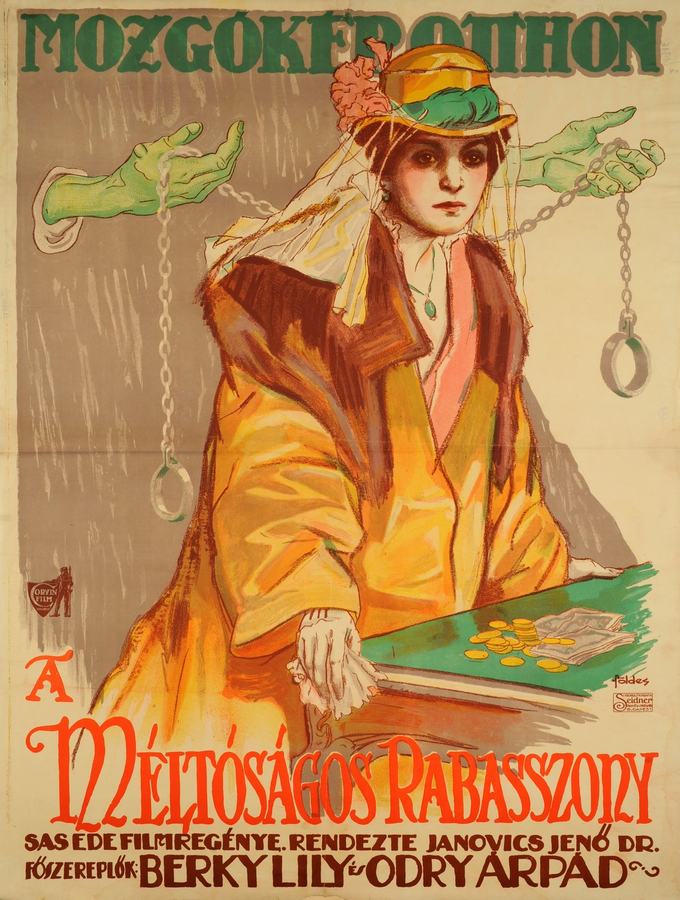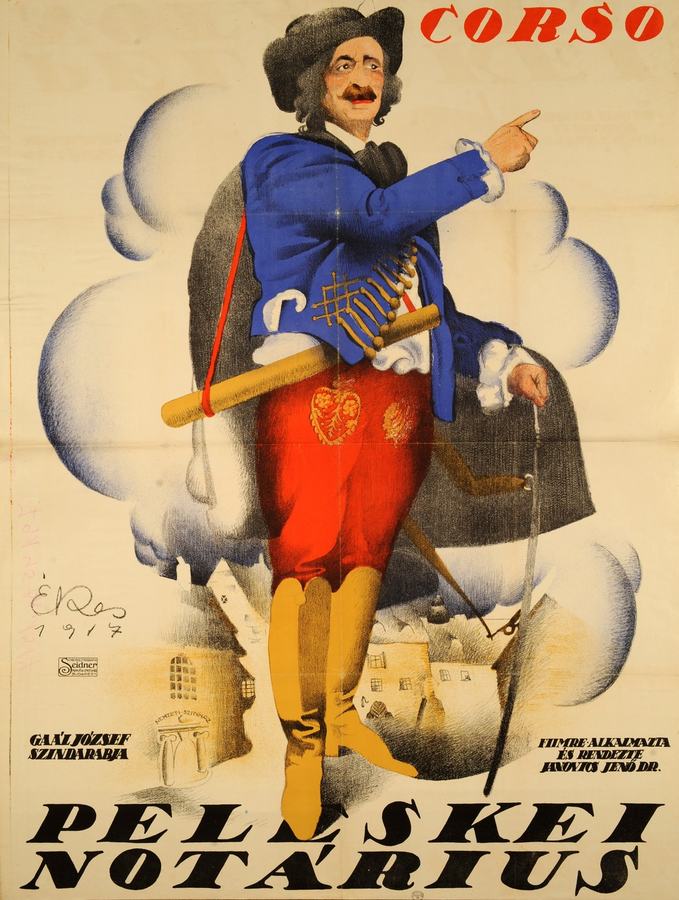
The year 1916 stands as a monumental epoch in the evolution of global cinema, a time when the visual language of the medium was shedding its theatrical chrysalis to emerge as an independent art form. In the heart of Transylvania, at the legendary Kolozsvár studios, Jenő Janovics was orchestrating a cultural revolutio...
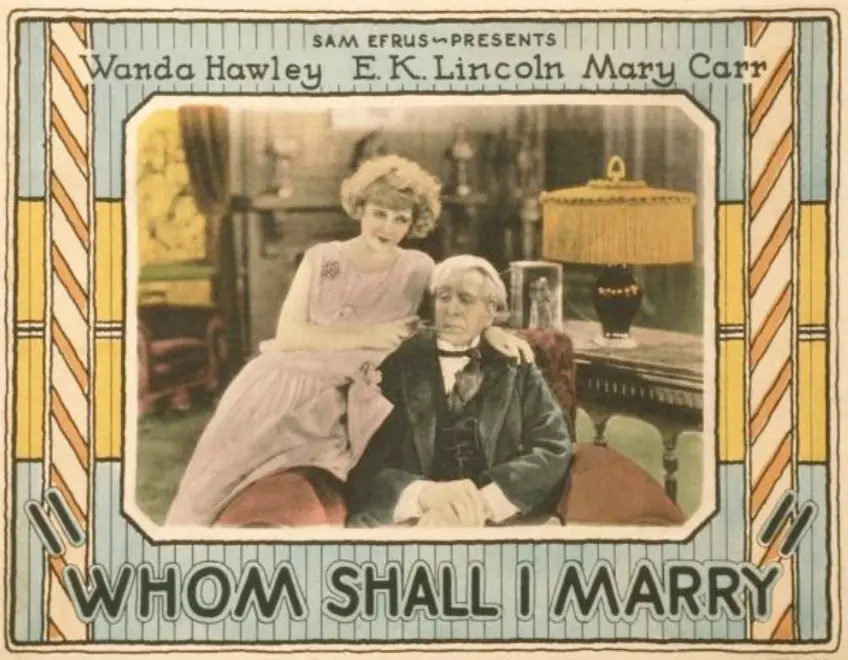
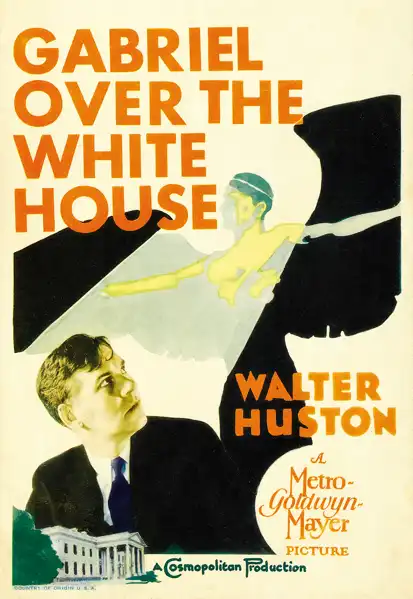
Comparing the cinematic DNA and archive impact of two defining moments in cult history.
Jenö Janovics
Jenö Janovics
Community
Log in to comment.
" The year 1916 stands as a monumental epoch in the evolution of global cinema, a time when the visual language of the medium was shedding its theatrical chrysalis to emerge as an independent art form. In the heart of Transylvania, at the legendary Kolozsvár studios, Jenő Janovics was orchestrating a cultural revolution. His production of A peleskei nótárius (The Notary of Peleske) remains not merely a relic of silent-era comedy, but a sophisticated exploration of the Hungarian zeitgeist during ..."
Deep dive into the cult classic
Discover similar cinematic experiences
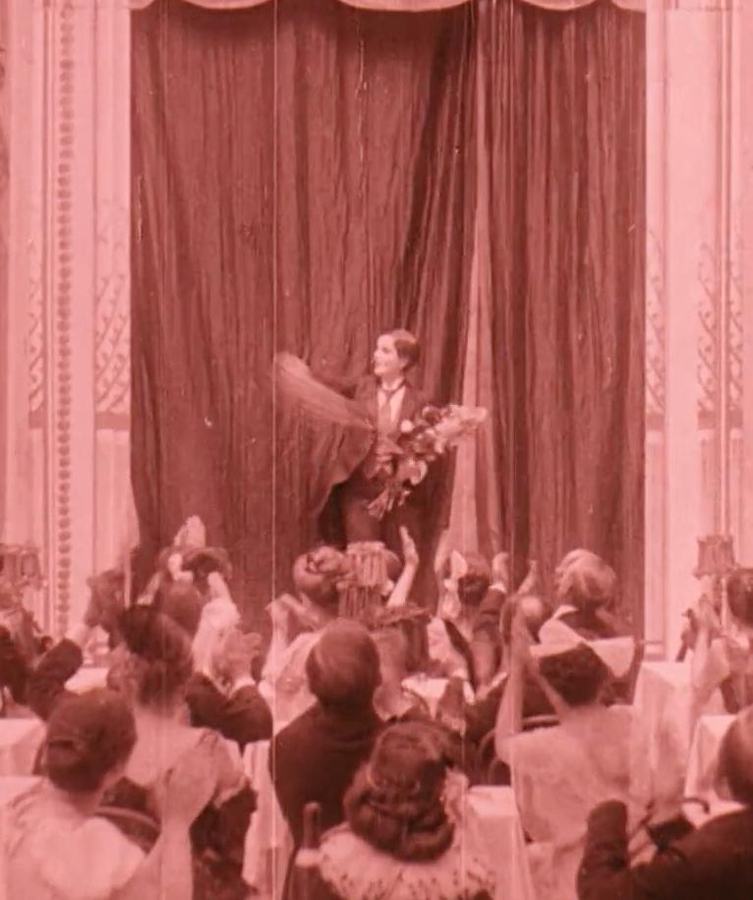
A Directorial Spotlight on Jenö Janovics