Summary
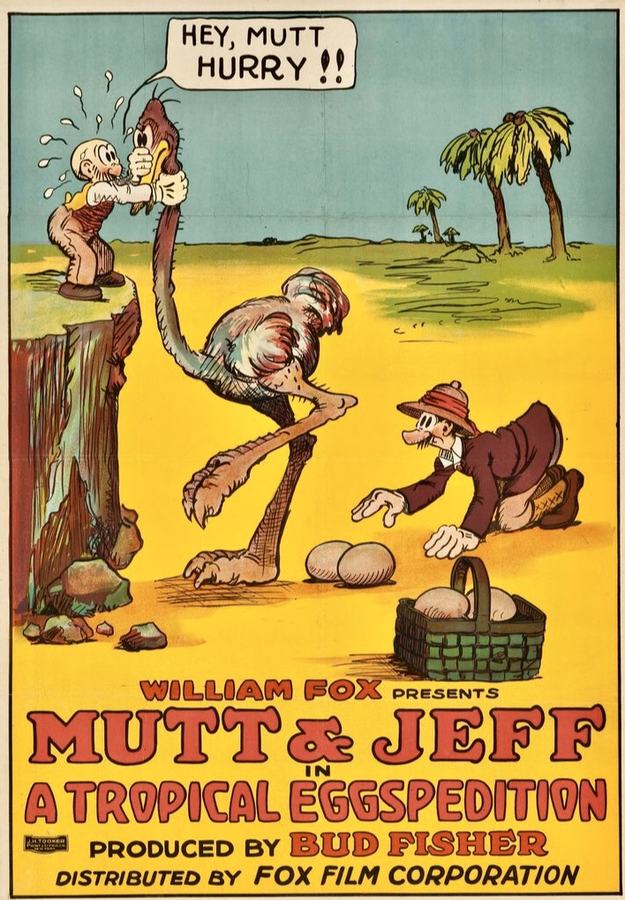
Bud Fisher's "A Tropical Eggs-pedition" unfurls as a whimsical, early animated odyssey, a vibrant testament to the burgeoning art form's capacity for pure, unadulterated escapism. The narrative, deceptively simple in its premise, plunges two intrepid, if comically ill-equipped, explorers – Professor Phileas Fowl, a man of perpetual scientific zeal, and his perpetually bewildered assistant, Barnaby Beak – into the heart of the mythical Isle de Yolk. Their grand objective: to unearth the fabled Ornitho-Titan Egg, a colossal ovum rumored to possess properties ranging from the profoundly miraculous to the absurdly culinary. Fisher's hand imbues this quest with a delightful blend of slapstick and surrealism, as the duo navigates a landscape teeming with animated flora and fauna that defy natural law. Quicksand gurgles with mischievous intent, vines possess an almost sentient grip, and the island's indigenous monkey population exhibits a sophisticated, albeit chaotic, understanding of comedic timing. The film masterfully employs visual gags, building a crescendo of escalating absurdity as Fowl and Beak stumble from one predicament to another, often at the hands of a shadowy, rival egg-collector whose villainy is more farcical than fearsome. The climax is a beautifully orchestrated chaos, a madcap chase culminating in the accidental hatching of the very prize they sought, revealing not a wish-granting deity but a creature of delightful, unexpected absurdity, leaving our protagonists, and indeed the audience, in a state of bewildered joy. It's a foundational piece, illustrating animation's nascent power to construct worlds purely from imagination, untethered by the constraints of live-action reality.
Review Excerpt
"
Journey to the Isle de Yolk: Unpacking Bud Fisher's 'A Tropical Eggs-pedition'
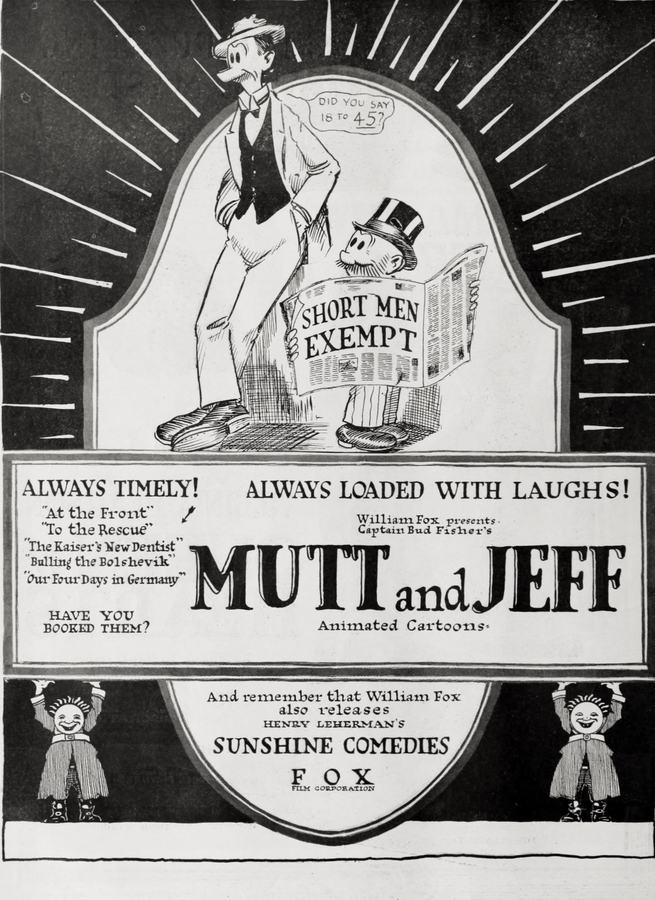
Stepping back into the nascent days of cinematic artistry, one encounters a peculiar charm, an earnest enthusiasm for experimentation that often feels refreshingly unburdened by the conventions that would later ossify into industry standards. Bud Fisher’s A Tropical Eggs-pedition, a delightful animated short, stands as a vibrant testament to this pioneering spirit. It’s a film that, despite its apparent simpl..."