There are films that capture a moment, and then there are those that dissect a fundamental human condition, laying bare its intricacies with an almost surgical precision. ‘Always Late’, a rarely discussed gem from the early 20th century, belongs firmly in the latter category. It’s not just a story; it’s a profound...
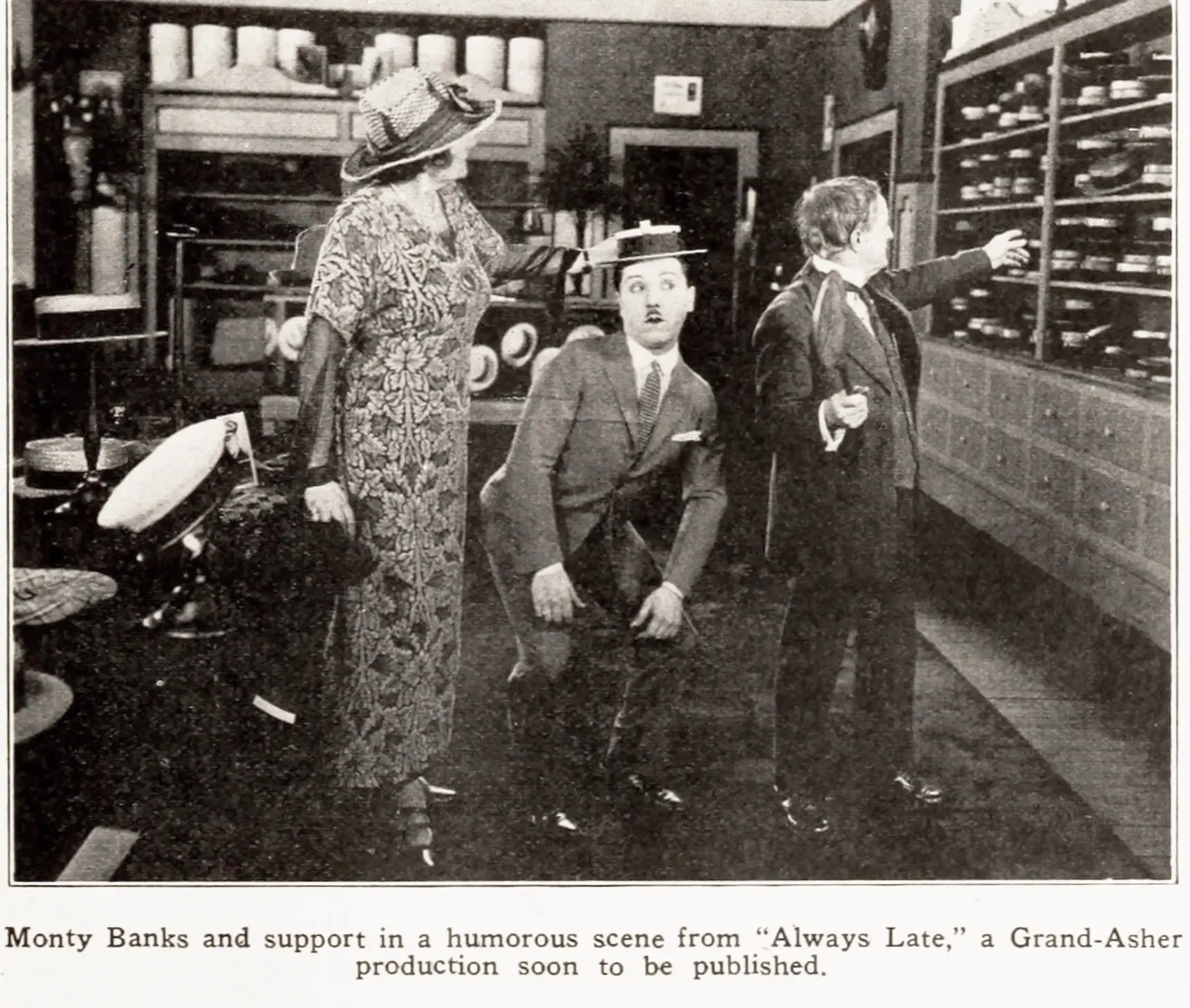
still_frame
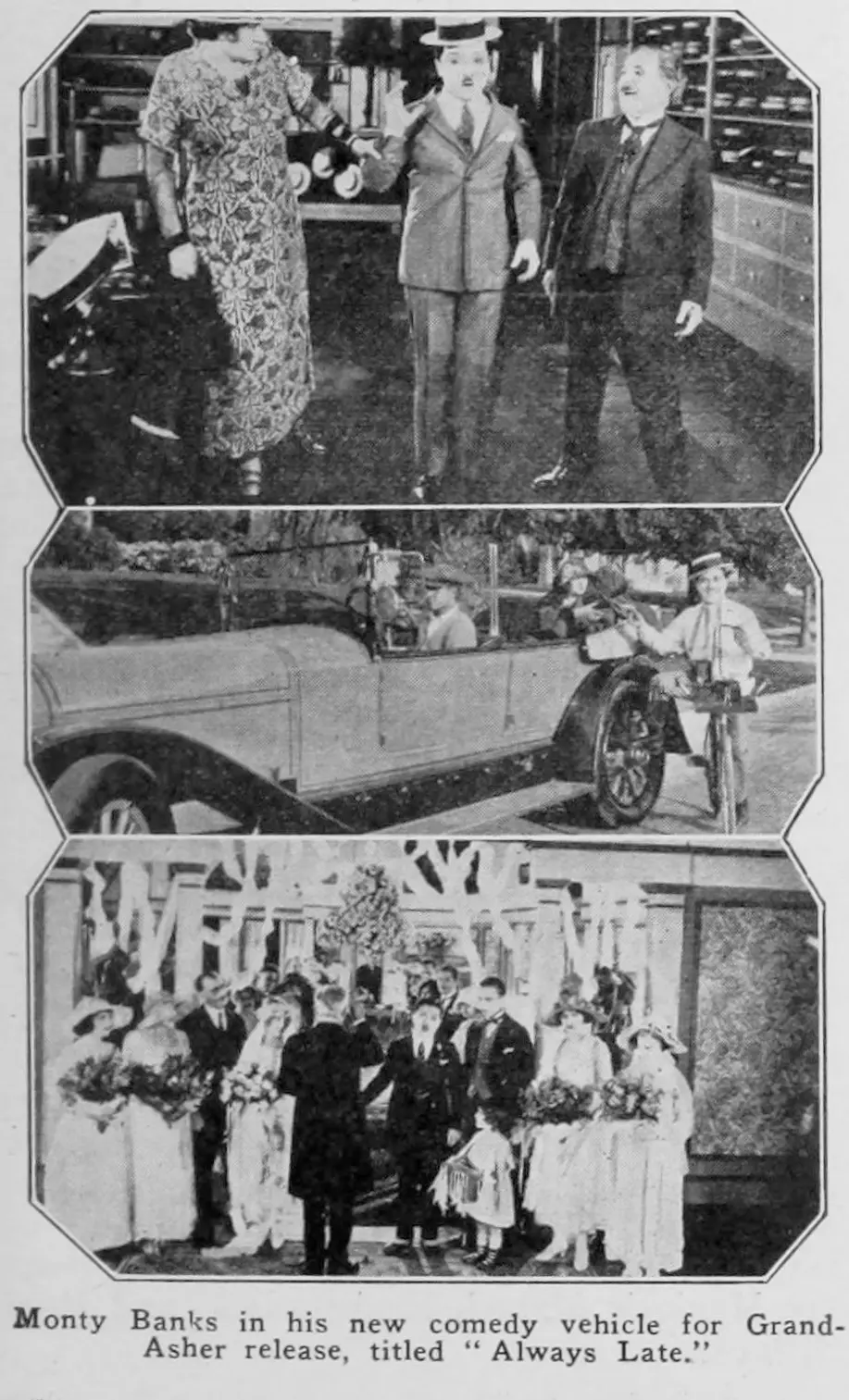
still_frame
Comparing the cinematic DNA and archive impact of two defining moments in cult history.
Herman C. Raymaker

Henry Edwards
Community
Log in to comment.
" There are films that capture a moment, and then there are those that dissect a fundamental human condition, laying bare its intricacies with an almost surgical precision. ‘Always Late’, a rarely discussed gem from the early 20th century, belongs firmly in the latter category. It’s not just a story; it’s a profound meditation on time, societal expectations, and the crushing weight of personal habit. This isn’t merely a tale of a man who can’t keep a schedule; it’s an exploration of how a see..."
Deep dive into the cult classic
Discover similar cinematic experiences
A Directorial Spotlight on Herman C. Raymaker