Summary
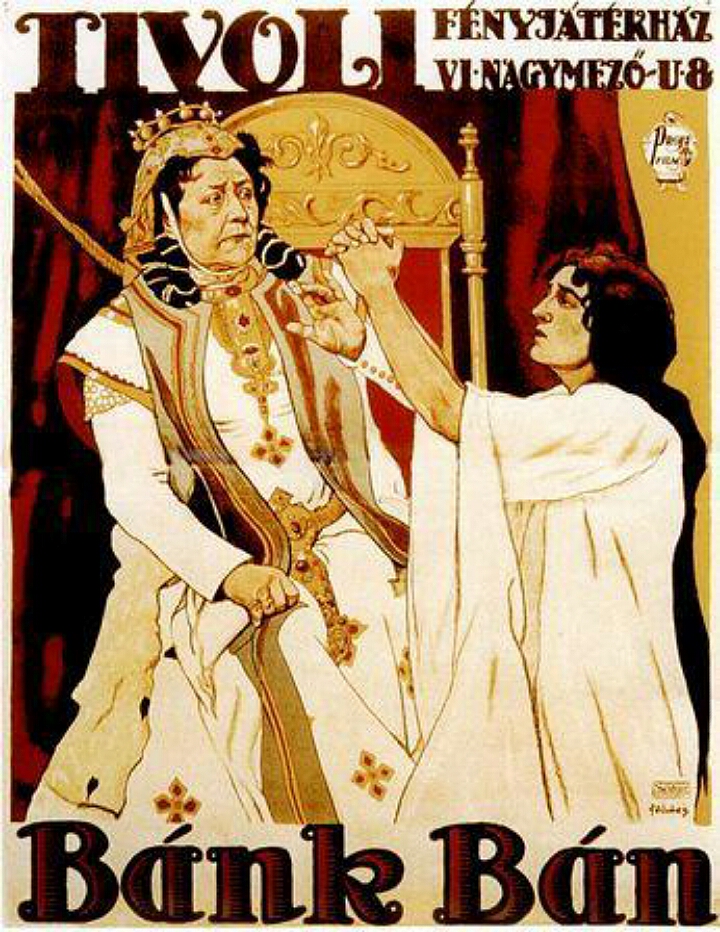
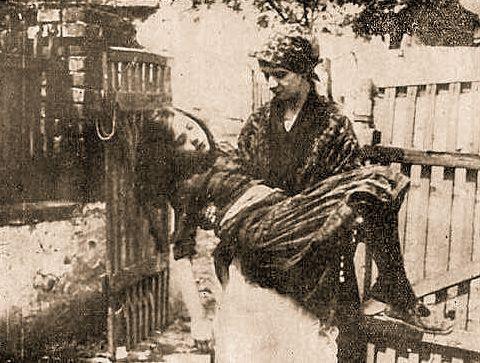
Medieval Hungary curdles in chiaroscuro as Bánk bán, palatine and war-scarred steward, rides home to find Queen Gertrúd’s foreign entourage guzzling ancestral lands; his wife Melinda, once the court’s trembling dove, is drugged and violated by the queen’s brother Otto while royal hangers-on toast conquest. Katona’s verse, transmuted into silent shadows, becomes a fever chart of disintegrating allegiance: candle-lit stone corridors echo with the clink of goblets that sound like shackles, and every feasting table is a scaffold in disguise. Bánk’s awakening is not a single thunderclap but a slow ossification—his smile calcifies, pupils narrow to lance points, and the camera lingers on gauntlets tightening until leather squeals like pigs on the slaughter stone. In the throne room he bargains with a child-king who toys with a tin soldier, the metallic clatter mocking sovereignty itself; later, on the frost-blasted Tisza embankment, he confronts Queen Gertrúd beneath a sky hemorrhaging aurora, her ermine cloak billowing like a bruise. The dagger thrust is filmed in profile, a silhouetted ballet: her gloved hand grazes his cheek almost tenderly before the blade slips between rib and breath. Assassination accomplished, Bánk does not stride toward freedom; he trudges into white-out solitude while church bells toll, their bronze mouths swallowing his name. Melinda, deracinated, wanders the same corridors now carpeted with snow-lit silence, her pupils reflecting not absolution but the vacant throne. The closing iris-in finds the Danube coiling black around a fragment of the queen’s broken crown—an implacable reminder that when the ruling class devours its own, the river keeps the teeth.
Review Excerpt
"
Imagine a nation still wearing the bruises of a botched 1848 revolution, now translating its most incendiary 1819 stage drama into the newborn language of celluloid. What emerges is not a dusty pageant but a raw wound glistening under nitrate moonlight: Jenö Janovics’ 1914 adaptation of Bánk bán, the film that taught an entire people how national trauma might look when it learns to haunt itself in moving pictures.
Shot in the winter of 1913 amid the cracking ice floes of the Tisza and inside ..."