DbcultAccessing Vault...
7.1/10
Senior Film Conservator
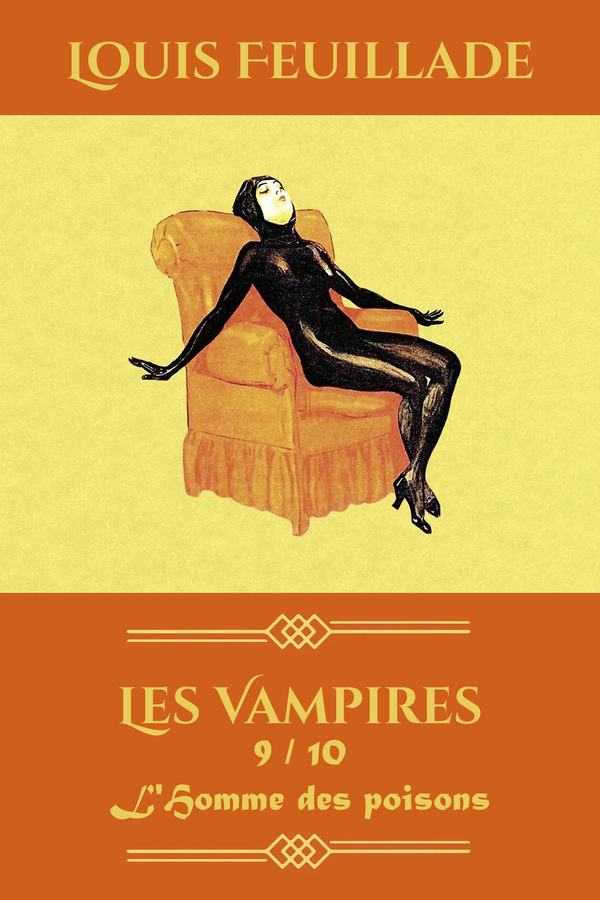
A definitive 7.1/10 rating for a film that redefined the boundaries of cult cinema. The Vampires: The Poisoner remains a cornerstone of transgressive art.
In the sixth installment of Louis Feuillade’s magnum opus, The Vampires: The Poisoner, the director transcends the mere pulp sensibilities of his predecessors to deliver a masterclass in urban paranoia. The transition of power from the aristocratic menace of Satanas to the clinical, almost industrial cruelty of Venenos marks a pivotal shift in the series’ ideological framework. While earlier chapters flirted with the supernatural and the occult, The Poisoner grounds its terrors in the tangible: the chemistry set, the masquerade, and the vulnerability of the bourgeois dinner table.
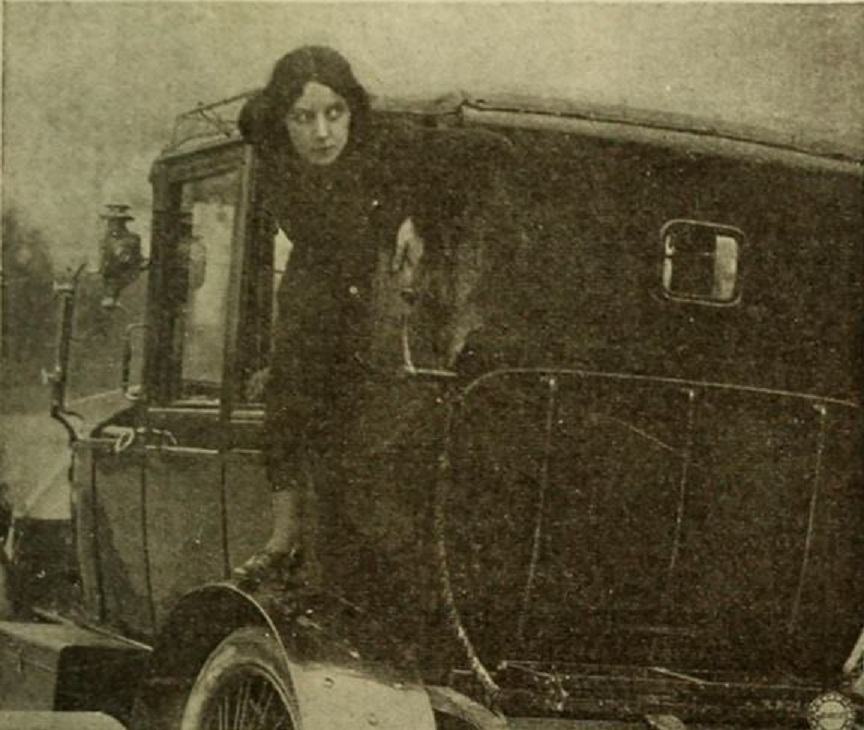
Musidora, as Irma Vep, remains the gravitational center of this dark universe. Her performance here is less about the overt physicality of the 'bat-suit' and more about the psychological weight of her presence. Whether she is lurking in a neighboring apartment or meticulously spraying a lethal anesthetic into the plush interior of a limousine, she embodies a pre-surrealist dread that remains startlingly modern. Unlike the moralistic overtones found in It Is Never Too Late to Mend, Feuillade offers no easy comfort; the Vampires are an omnipresent force, a shadow cast over the Enlightenment ideals of 1916 Paris.
The sequence involving the poisoned banquet is perhaps one of the most effectively staged moments in early silent cinema. Feuillade’s use of deep focus allows the viewer to witness the simultaneous layers of the deception: the caterers—Vampires in disguise—moving with a sinister precision in the background while the oblivious guests celebrate in the foreground. This visual layering creates a profound sense of anxiety. It reminds one of the structural complexity seen in The Story of the Kelly Gang, yet Feuillade replaces the rugged landscape of the bush with the jagged, vertical geometry of the city.
The intervention of the janitor’s wife, a moment of working-class heroism that disrupts the carefully laid plans of the elite criminals, serves as a brief respite from the nihilism. However, the subsequent escape—the sudden plunge into darkness as the lights are cut—restores the Vampires to their elemental state: shadows that cannot be contained by the law. This ebb and flow of control is what makes the serial format so intoxicating. It mirrors the erratic pulse of a city under siege, a theme also explored with varying degrees of success in The Warning.
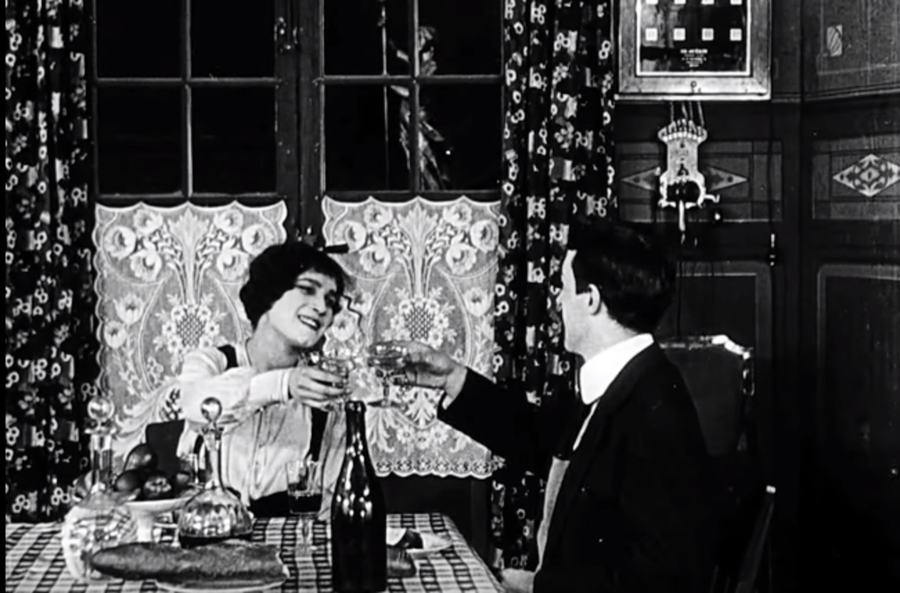
Venenos, portrayed with a cold, serpentine elegance by Frédéric Moriss, represents a different breed of villainy than his predecessor. If Satanas was the architect of chaos, Venenos is the engineer of extinction. His reliance on toxins and gases reflects the burgeoning chemical warfare of the era, bringing the horrors of the Western Front into the drawing rooms of the French middle class. This intersection of contemporary anxiety and pulp fiction is where Feuillade truly shines. While a film like The Seventh Noon toys with the concept of lethal deadlines, The Poisoner integrates the threat into the very air the characters breathe.
The wardrobe trunk sequence is a masterpiece of spatial manipulation. The sight of a trunk strapped to a moving vehicle, containing a hidden assailant, is an image that prefigures the surrealist movement’s obsession with the uncanny. When Mazamette (the delightful Marcel Lévesque) emerges from the trunk, it is a subversion of the audience's expectations, turning a tool of the Vampires into a vessel for their undoing. This playfulness with genre conventions separates The Vampires from more straightforward narratives like The Country Boy or the melodramatic beats of The Goddess.
The final act of the film shifts from the domestic to the locomotive. The chase sequence, involving automobiles and a moving train, is a testament to Feuillade’s technical ambition. The logistics of filming a leap from a bridge onto a speeding train in 1916 cannot be overstated. It is a moment of pure cinema—unburdened by dialogue, driven entirely by the rhythm of the edit and the bravery of the stunt performers. This sequence elevates the film from a mere detective story to an action epic, rivaling the seafaring adventures of McVeagh of the South Seas in its sheer scale.
As Venenos eludes capture by disappearing into the iron veins of the railway system, we are reminded that the Vampires are not just a gang, but a virus. They are inextricably linked to the infrastructure of modernity. They use the mail, the telephone, the automobile, and the train to facilitate their malice. This integration of technology and terror is far more sophisticated than the episodic antics of Keep Moving or the light-hearted domesticity of A kölcsönkért csecsemök.
To view The Poisoner in isolation is to miss the broader tapestry Feuillade is weaving. It serves as a bridge between the visceral shocks of The Vampires: The Thunder Master and the eventual resolution of the Guérande saga. The film demands an active viewer, one who can navigate the labyrinthine plot and the subtle visual cues that signal a shift in power. It lacks the moral simplicity of Blue Grass or the overt sentimentality of The Call of the Cumberlands.
Instead, we are treated to a vision of the world where the line between the hunter and the hunted is constantly blurred. Mazamette, the reformed criminal, is the only character who seems to understand the true nature of the enemy, precisely because he has lived among them. His comedic timing provides a necessary counterpoint to the grim efficiency of Venenos. This duality—the grotesque paired with the comedic—is a hallmark of the French serial that would go on to influence everyone from Fritz Lang to Alfred Hitchcock.
The film’s exploration of societal fragility—how easily a wedding can be turned into a wake—echoes the thematic concerns of Race Suicide, though Feuillade’s approach is far more stylistic and less didactic. He is not interested in preaching; he is interested in the spectacle of the shadow. The Poisoner is a testament to the power of the image to evoke a sense of place and a sense of peril. It remains a cornerstone of the crime genre, a dark jewel in the crown of silent cinema that continues to sparkle with a dangerous, toxic light.

IMDb 5.9
1925
Community
Log in to comment.