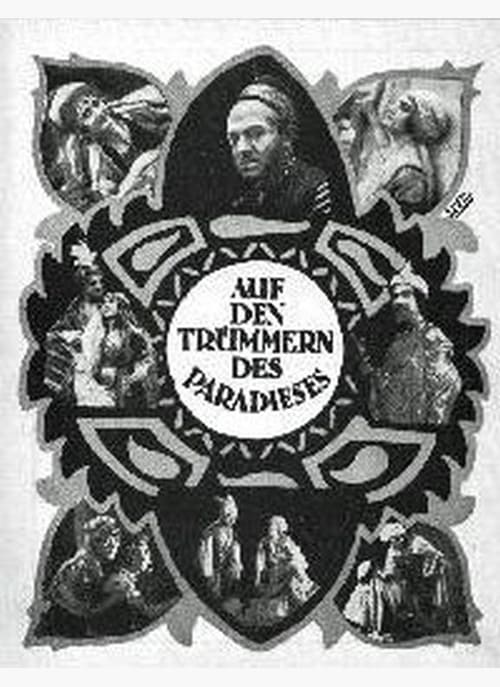
The first thing that strikes you is the silence—the kind that feels excavated, not merely omitted. In the opening shot of Auf den Trümmern des Paradieses, a Balkan ridge stretches like a spine snapped in three places; no intertitles intrude for a full 42 seconds, an eternity in 1919 syntax. Wind rasps across the cellul...
behind_the_scenes
Comparing the cinematic DNA and archive impact of two defining moments in cult history.
Josef Stein
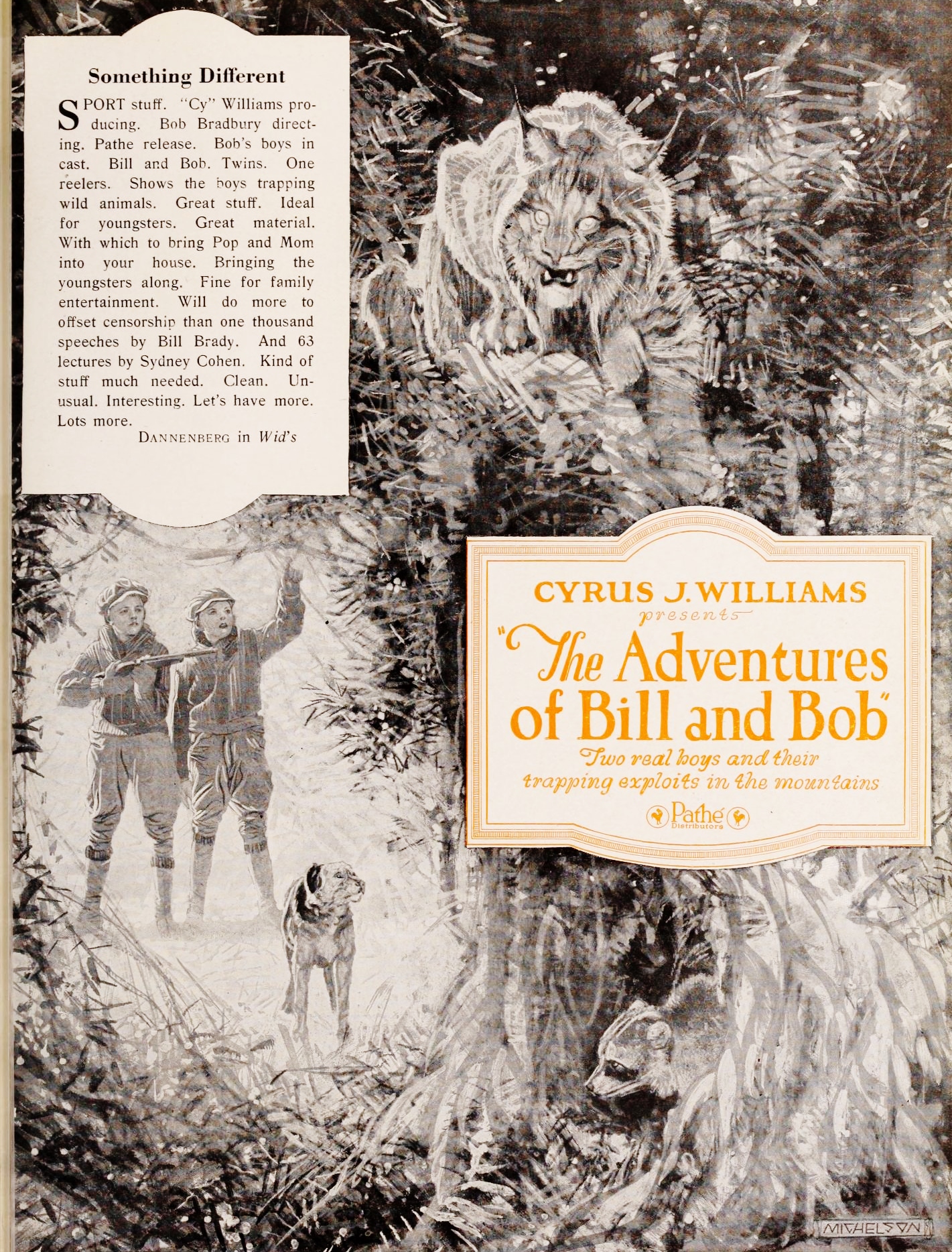
Robert N. Bradbury
Community
Log in to comment.
"The first thing that strikes you is the silence—the kind that feels excavated, not merely omitted. In the opening shot of Auf den Trümmern des Paradieses, a Balkan ridge stretches like a spine snapped in three places; no intertitles intrude for a full 42 seconds, an eternity in 1919 syntax. Wind rasps across the celluloid, scratching the emulsion the way guilt scratches memory. Already the film positions itself outside the grammar of its contemporaries: this is no Mágnás Miska carnival of operet..."
Gustav Kirchberg
Erwin Baron, Karl May, Marie Luise Droop
Germany
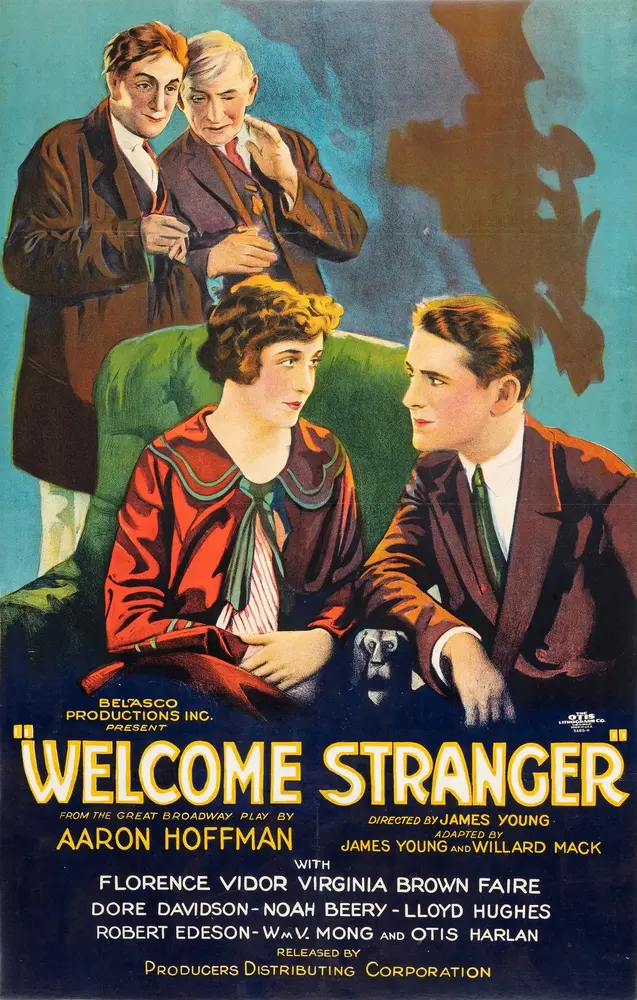
Deep dive into the cult classic
Discover similar cinematic experiences
A Directorial Spotlight on Josef Stein