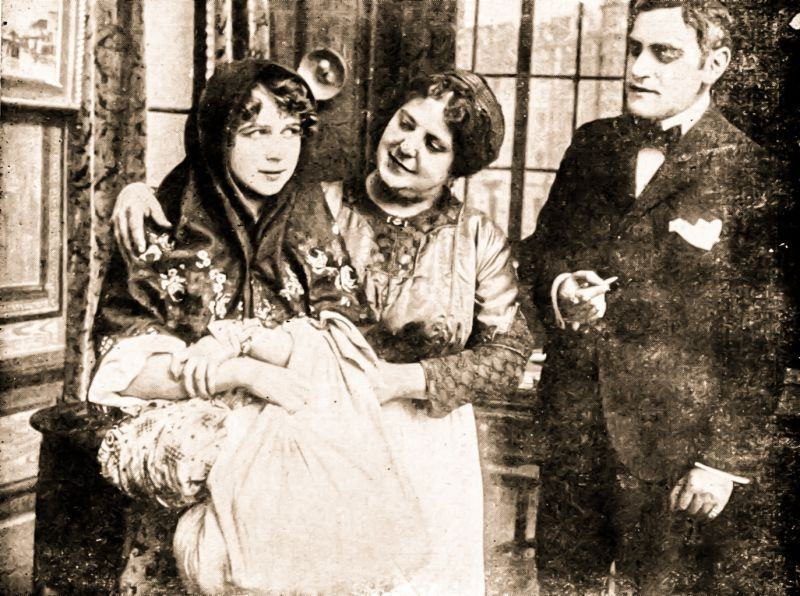
The Architecture of Arrogance: Dissecting A Gög To witness Alfréd Deésy’s A Gög is to step into a vanishing world of sepia-toned grandeur and suffocating social etiquette. Released in 1918, a year of seismic geopolitical shifts, the film functions less as a mere entertainment and more as a psychological inventory o...
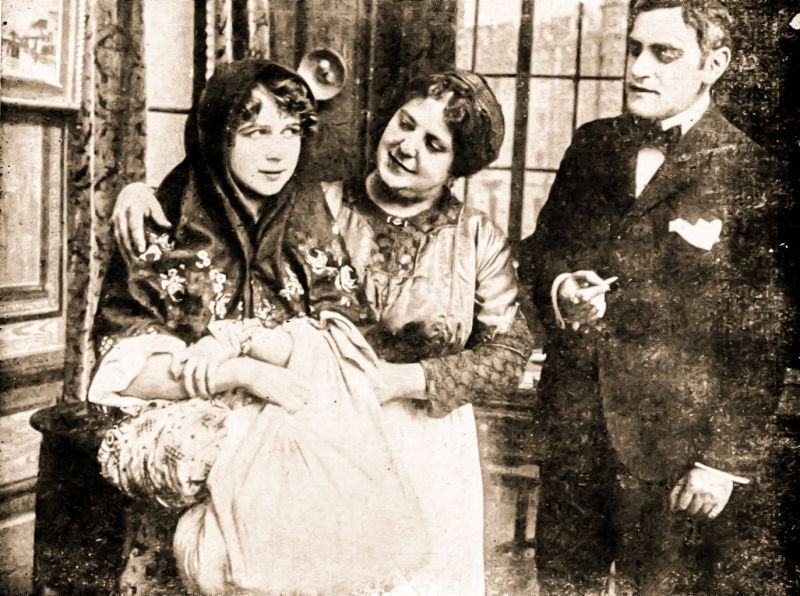
still_frame
Comparing the cinematic DNA and archive impact of two defining moments in cult history.
Josef Stein

Josef Stein
Community
Log in to comment.
" The Architecture of Arrogance: Dissecting A Gög To witness Alfréd Deésy’s A Gög is to step into a vanishing world of sepia-toned grandeur and suffocating social etiquette. Released in 1918, a year of seismic geopolitical shifts, the film functions less as a mere entertainment and more as a psychological inventory of the Hungarian elite. The title itself—translating to 'Pride' or 'Arrogance'—serves as the thematic anchor for a narrative that is as much about the rigidity of the soul as it is ..."