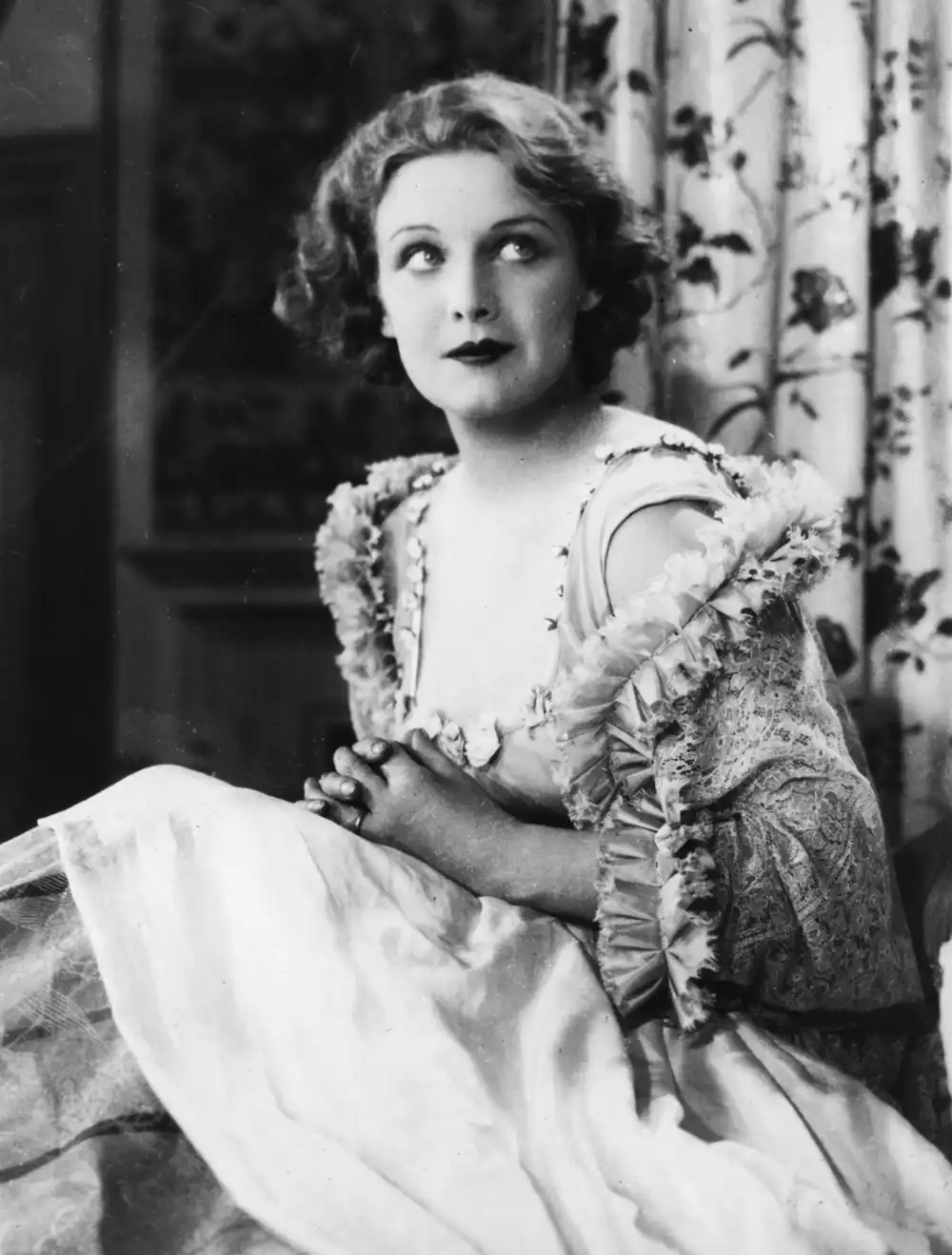
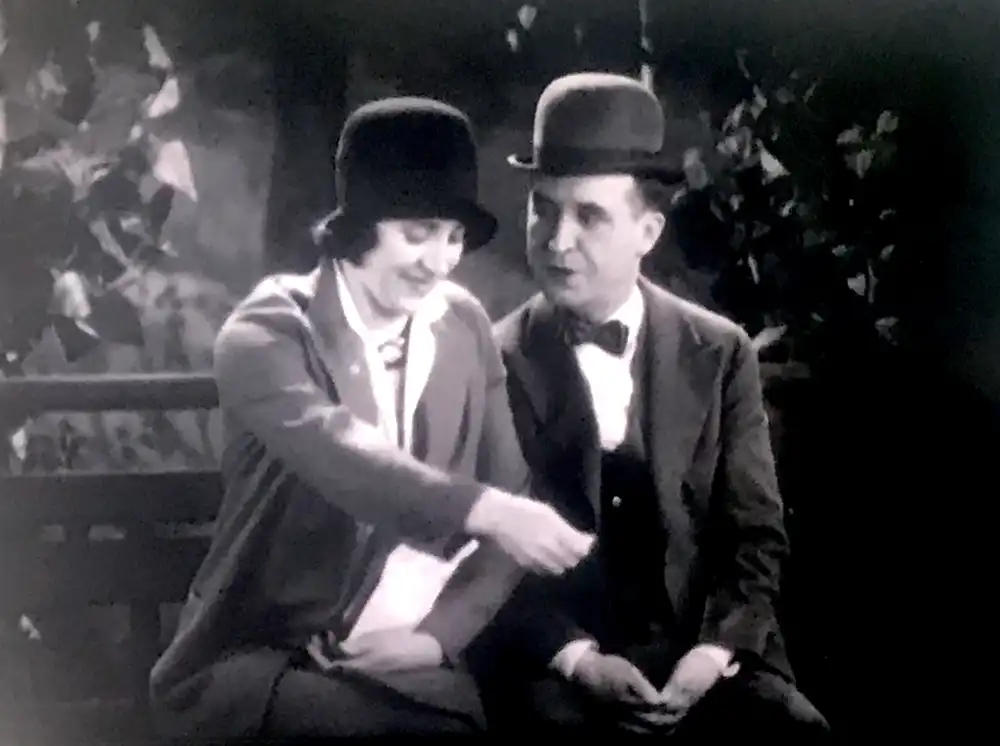
A woman disapproves of her stepson's love for a girl who goes mad when her drunken father dies in a landslide..
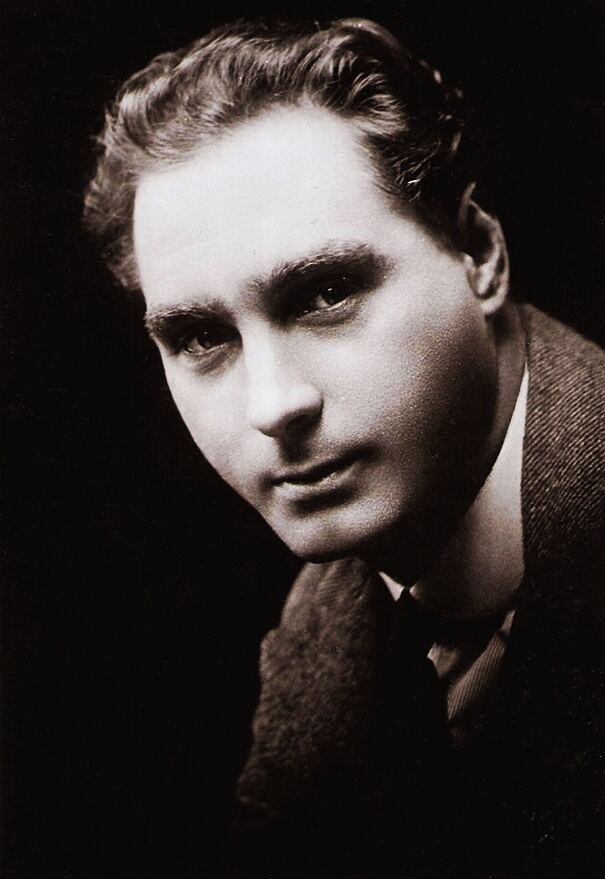
Aylwin arrives like a half-remembered nightmare committed to nitrate: flickering, sulfurous, unwilling to declare whether it wants to kiss you or throttle you. Director Henry Edwards—also brooding in front of the lens—treats Theodore Watts-Dunton’s verbose source novel the way a sculptor treats a flawed marble block...
Comparing the cinematic DNA and archive impact of two defining moments in cult history.
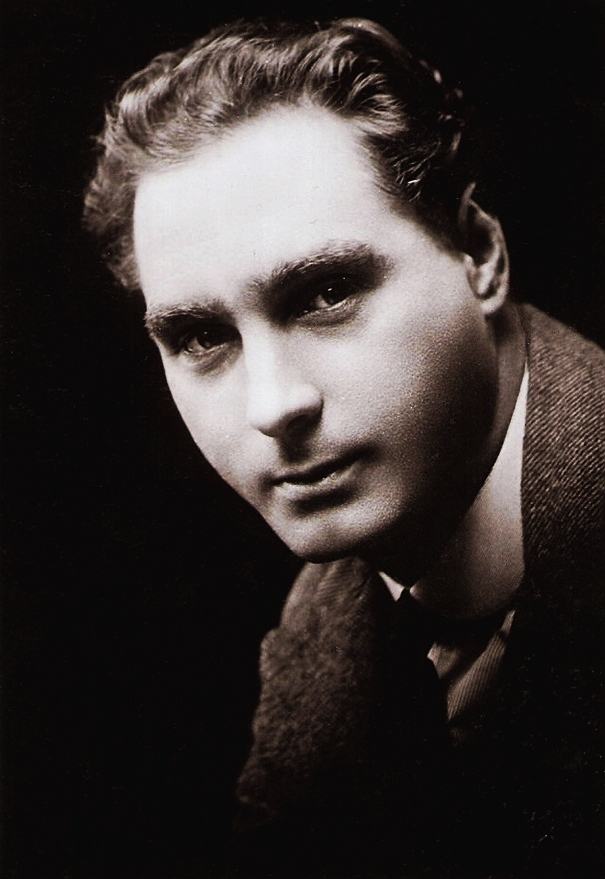
Henry Edwards
Bruno Ziener
Community
Log in to comment.
" Aylwin arrives like a half-remembered nightmare committed to nitrate: flickering, sulfurous, unwilling to declare whether it wants to kiss you or throttle you. Director Henry Edwards—also brooding in front of the lens—treats Theodore Watts-Dunton’s verbose source novel the way a sculptor treats a flawed marble block: he chips until veins appear, then lets weather do the rest. The result is a 68-minute fever whose temperature rarely drops below delirious. The film’s very title is a riddle. “A..."

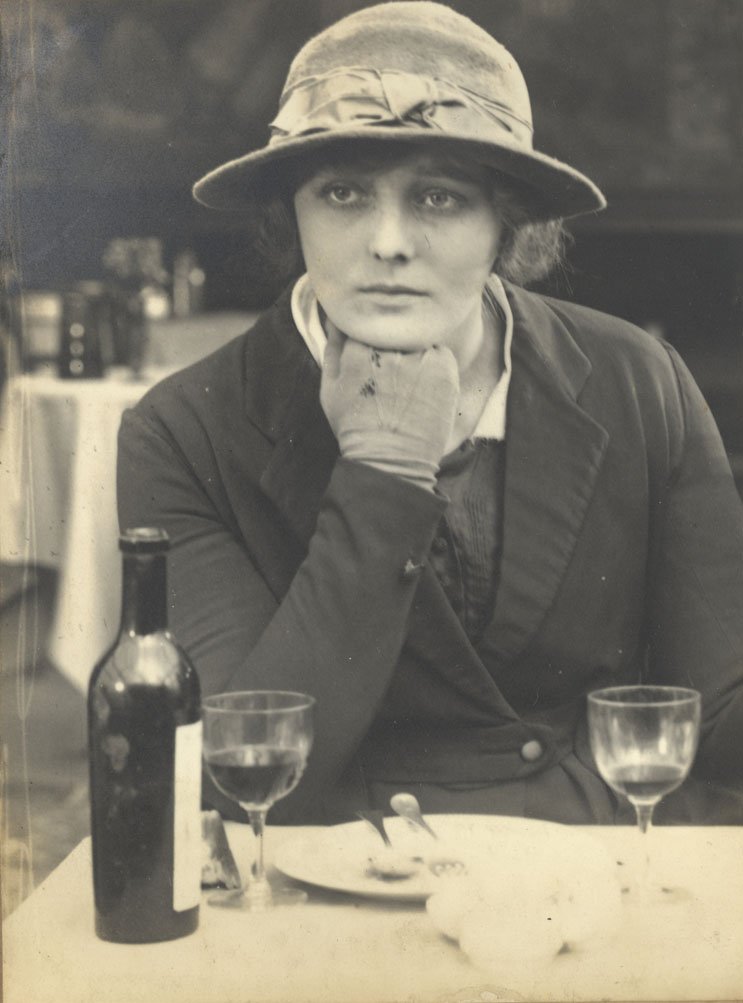
Chrissie White
Theodore Watts-Dunton
United Kingdom