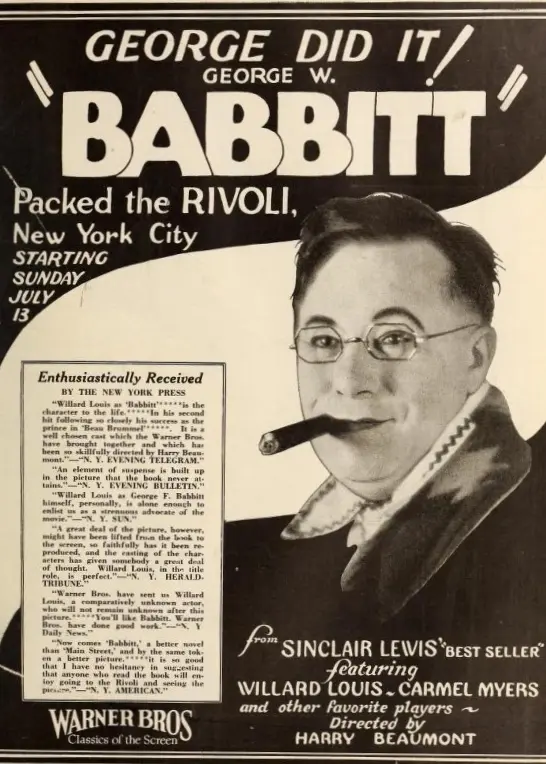
George F. Babbitt--middle-aged, respectable, a prosperous real estate man--tired of the routine of family life, finds he has let life slip by.
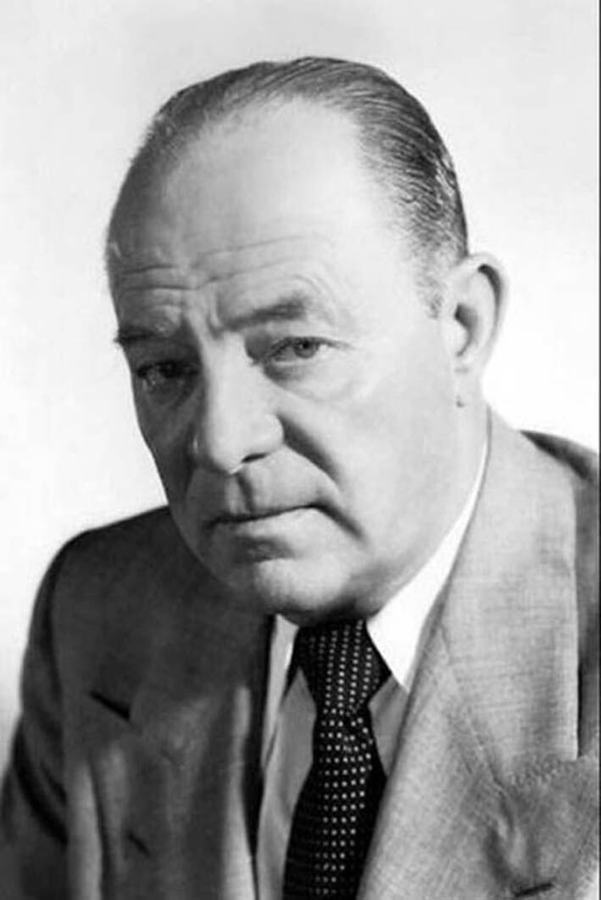
The 1924 silent adaptation of Babbitt stands as a fascinating, if occasionally sanitized, architectural rendering of Sinclair Lewis’s seminal indictment of the American middle class. While the literary source material is a jagged glass shard of social commentary, the film directed by Harry Beaumont attempts to translat...
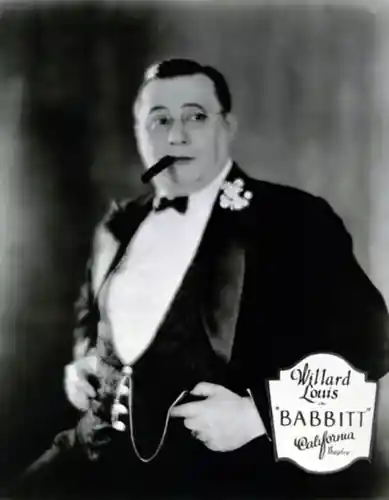
production_art
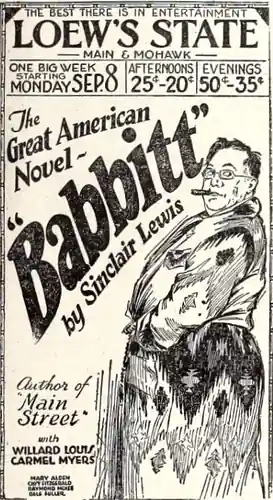
publicity
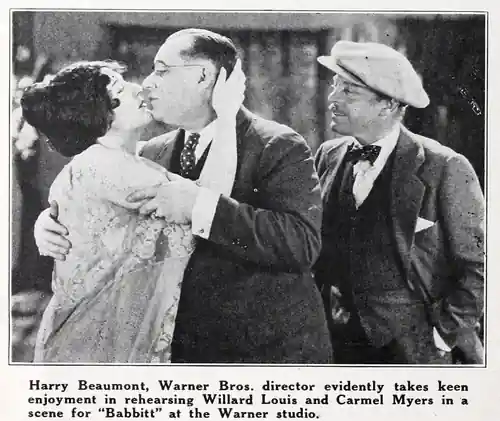
behind_the_scenes
Comparing the cinematic DNA and archive impact of two defining moments in cult history.
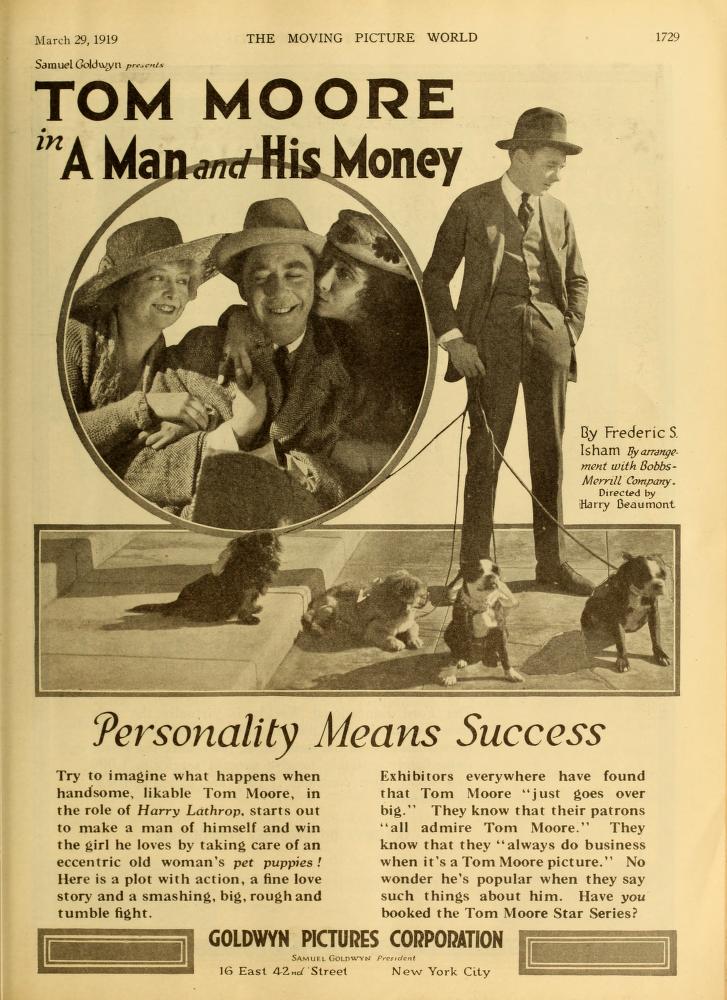
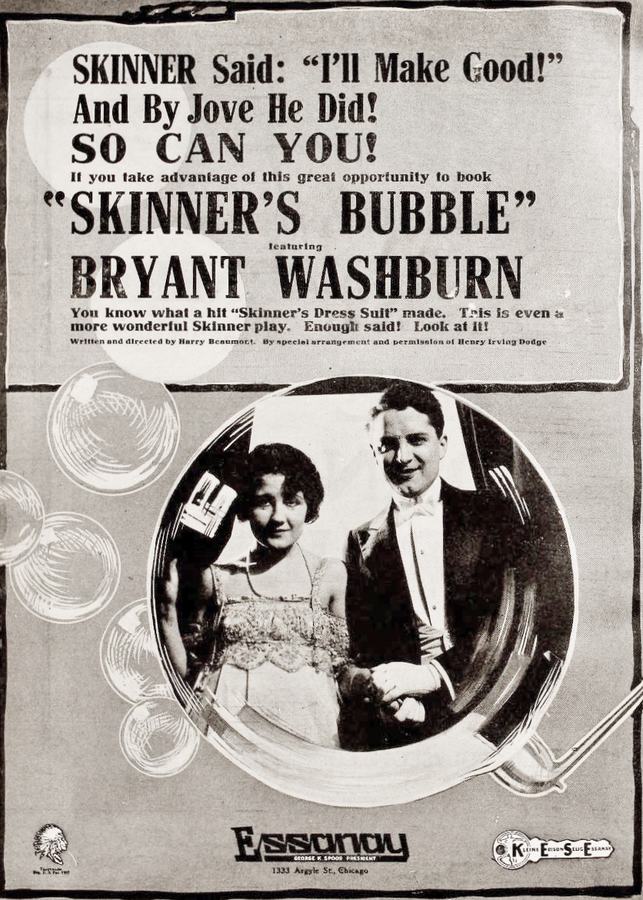
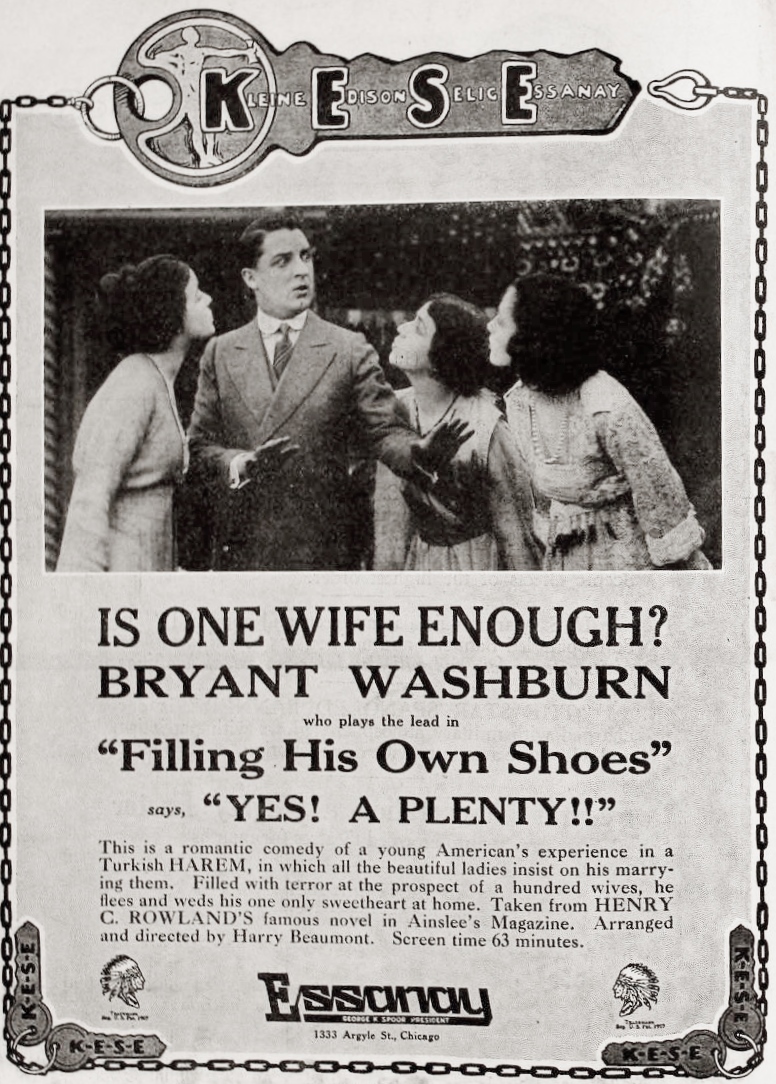
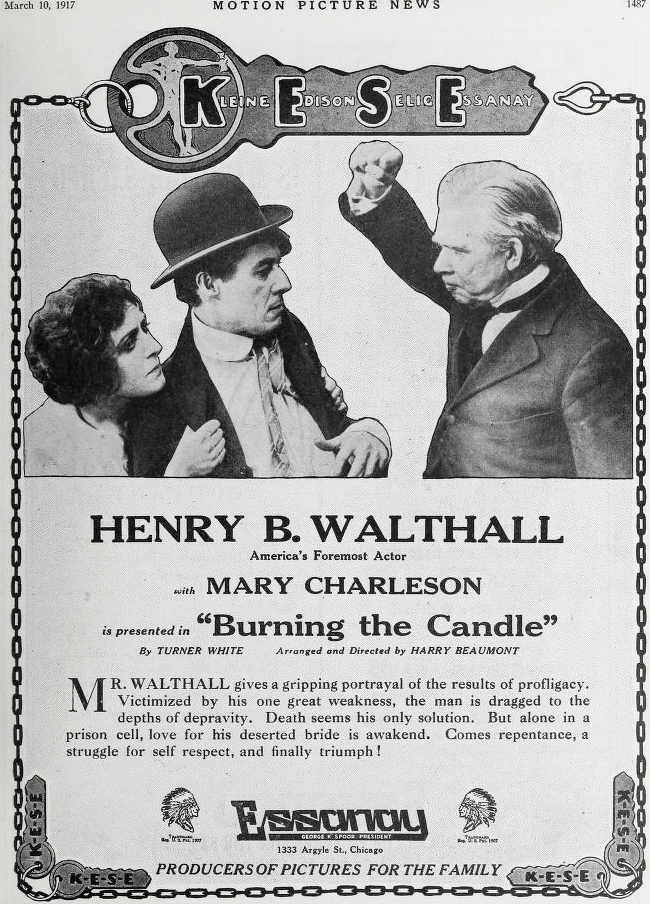
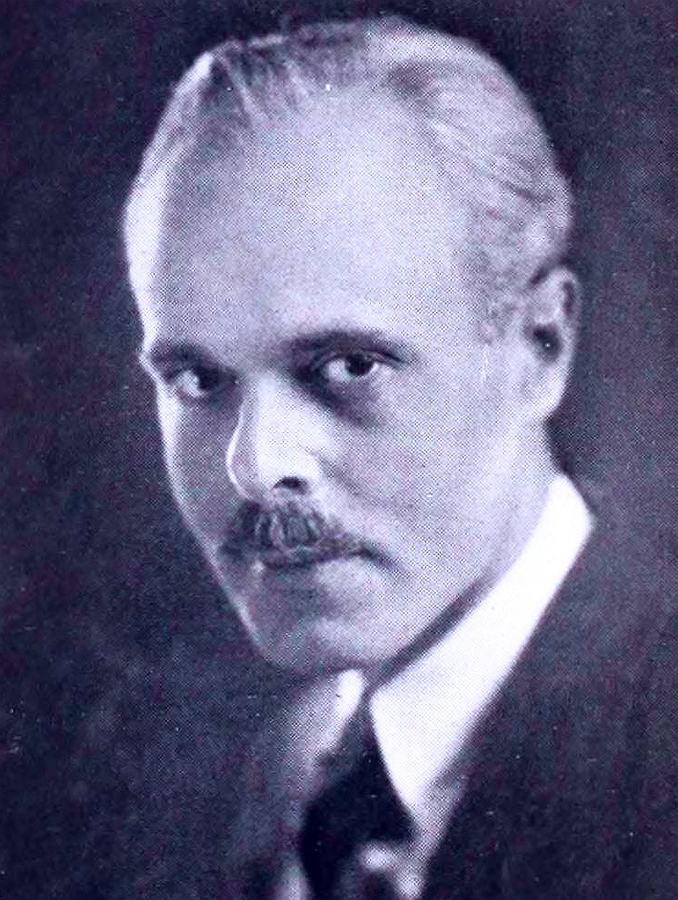
Harry Beaumont
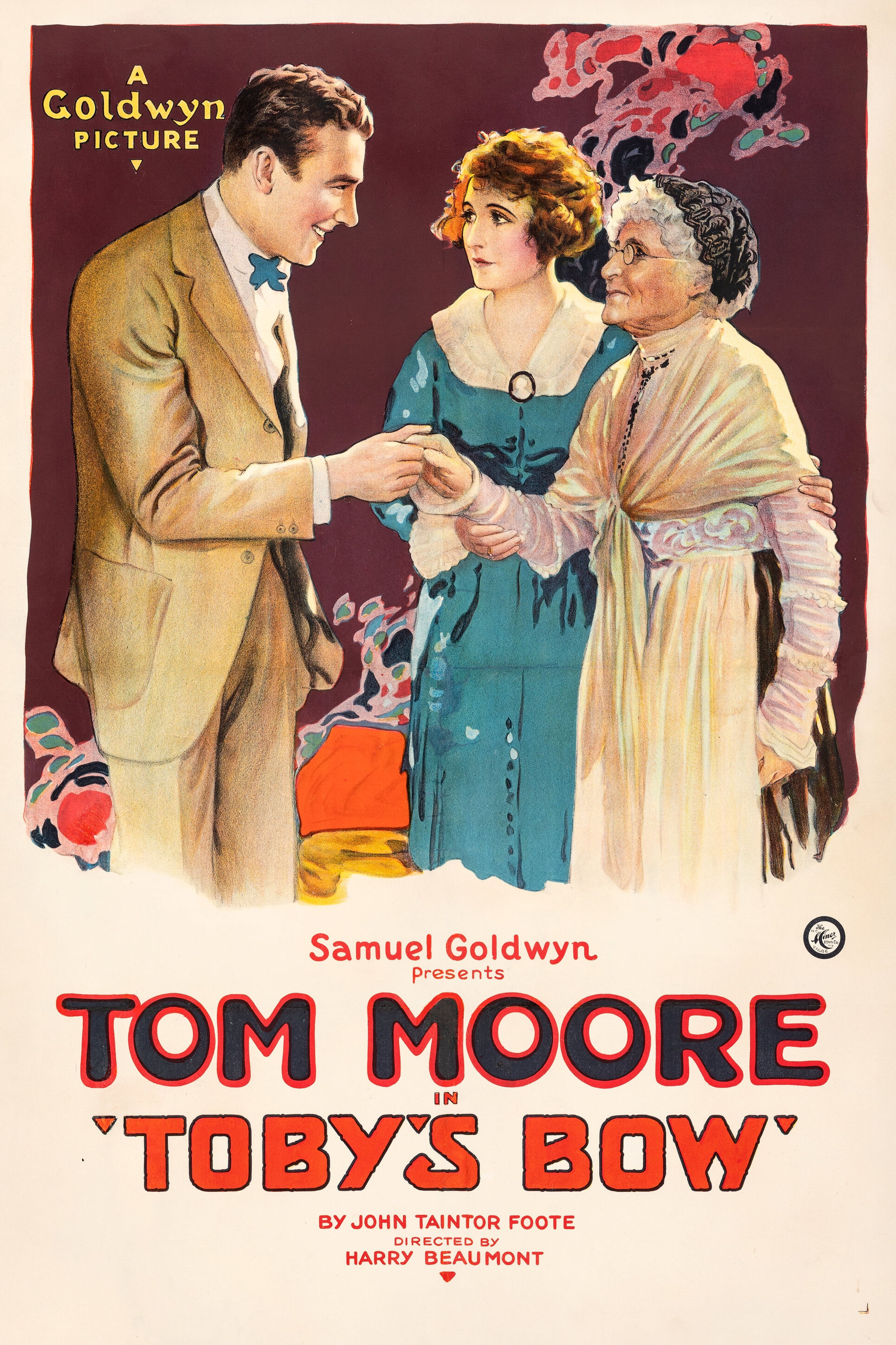
Harry Beaumont
Community
Log in to comment.
"The 1924 silent adaptation of Babbitt stands as a fascinating, if occasionally sanitized, architectural rendering of Sinclair Lewis’s seminal indictment of the American middle class. While the literary source material is a jagged glass shard of social commentary, the film directed by Harry Beaumont attempts to translate that internal rot into a visual language of longing and suburban claustrophobia. George F. Babbitt, played with a heavy-set, tragic buoyancy by Willard Louis, is not merely a man..."
Sinclair Lewis, Dorothy Farnum
United States