Summary
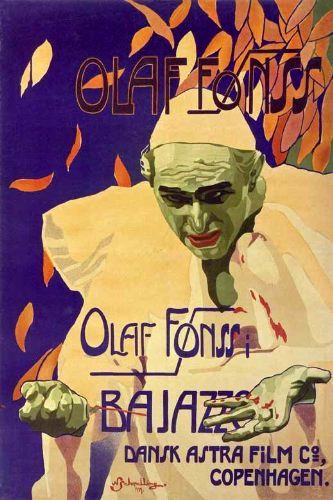
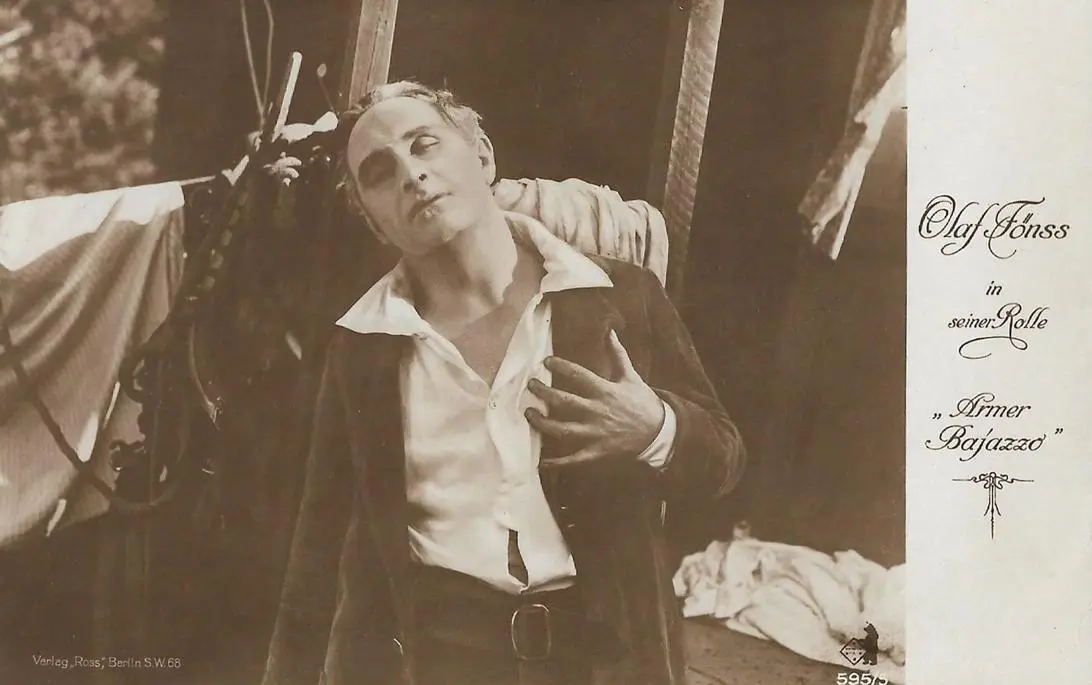
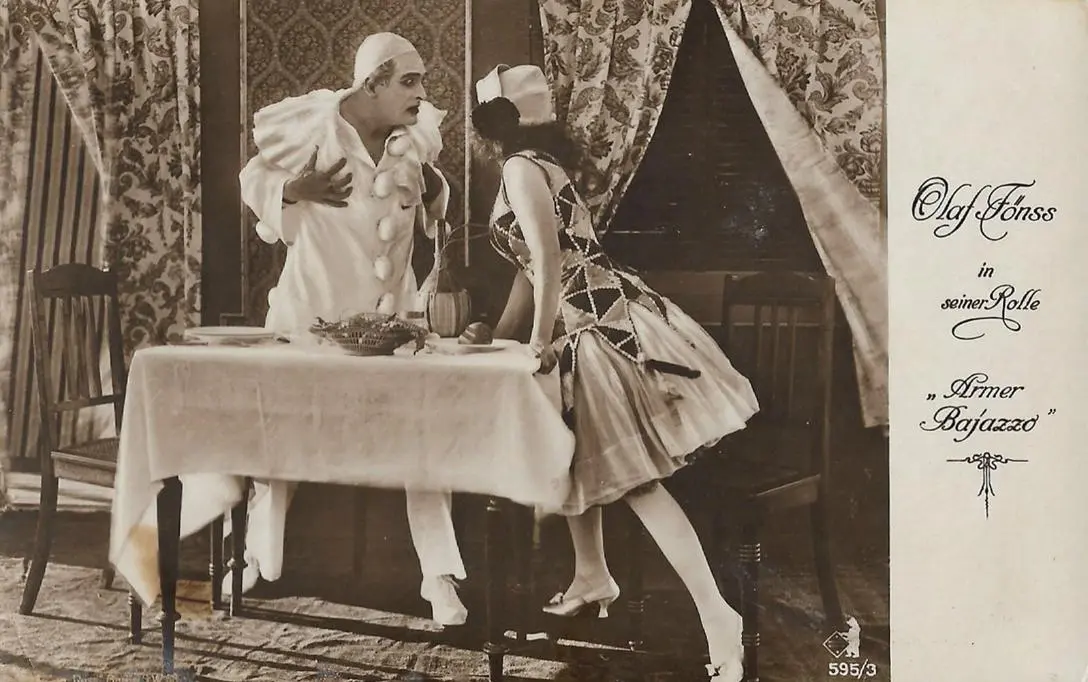
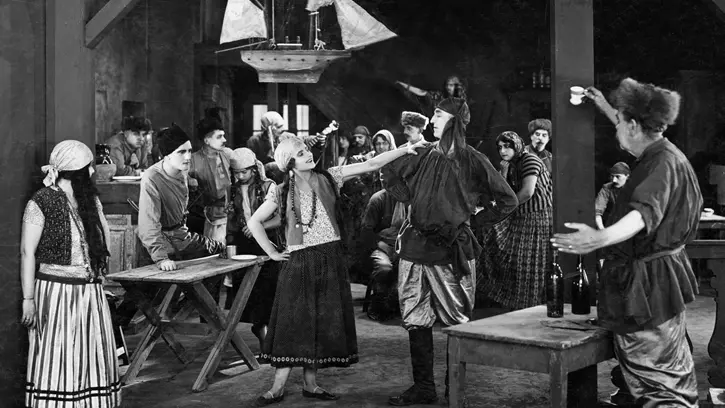
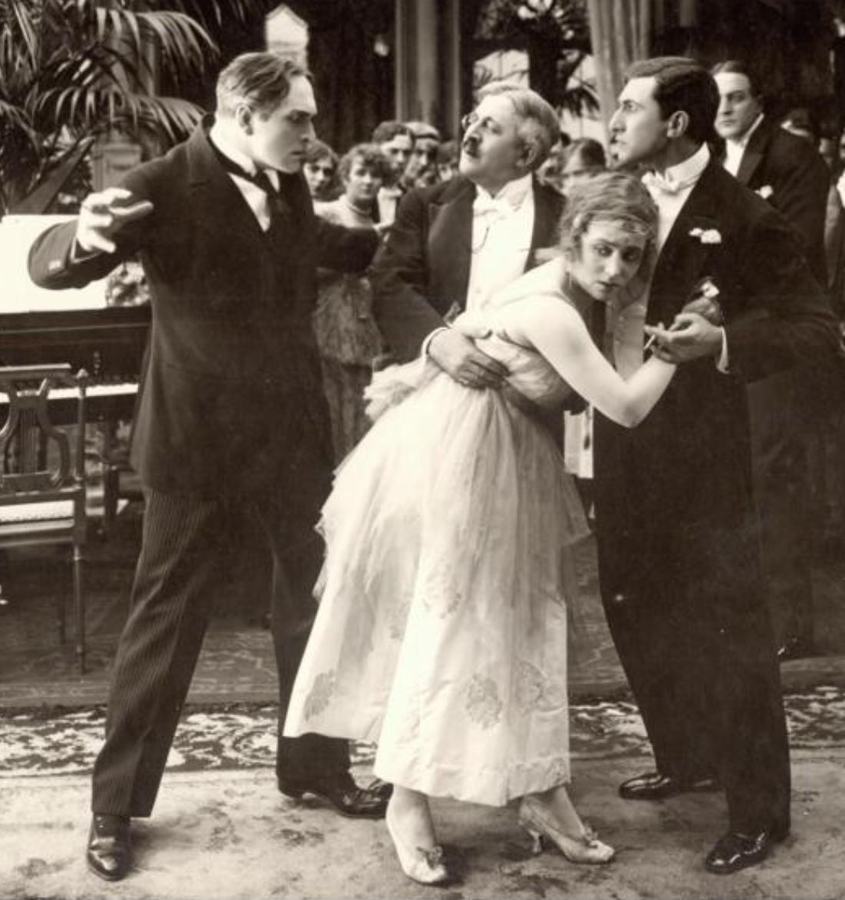
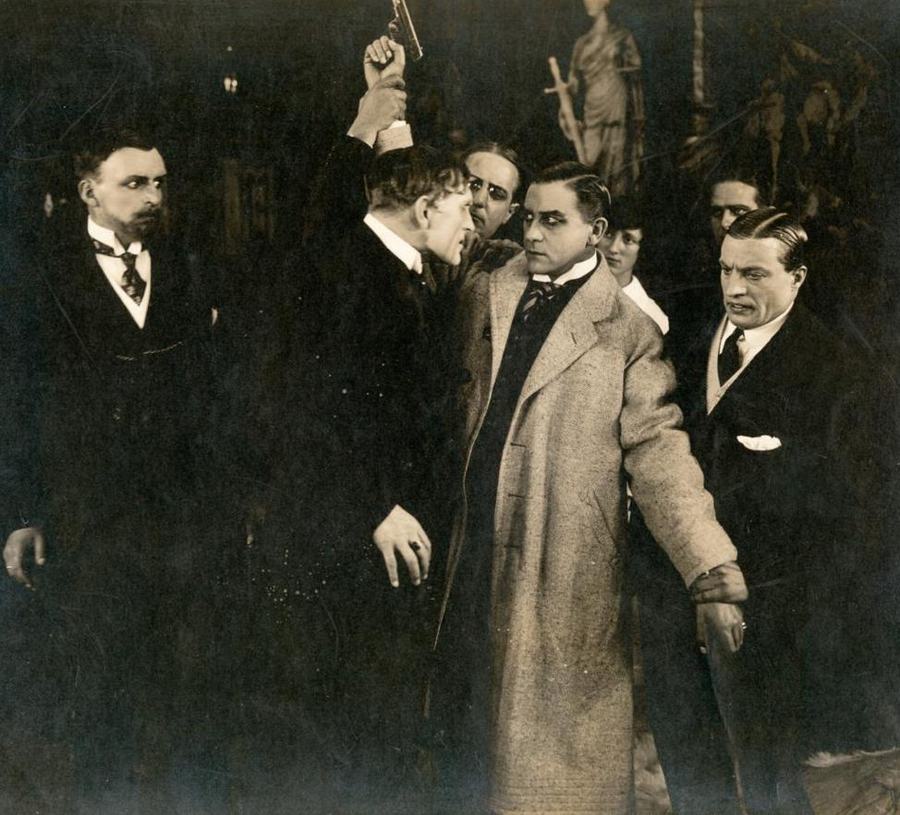
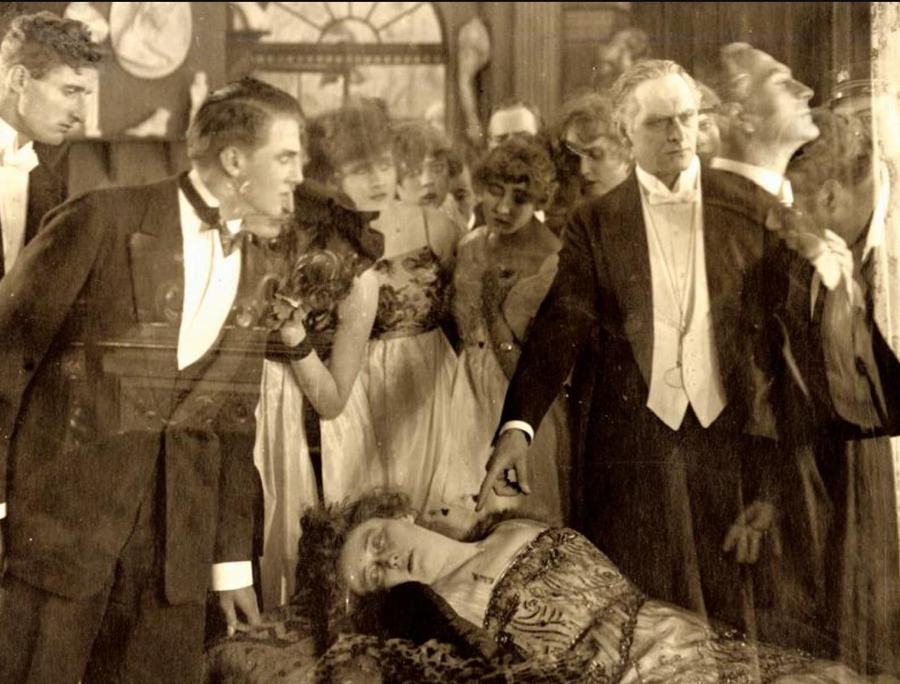
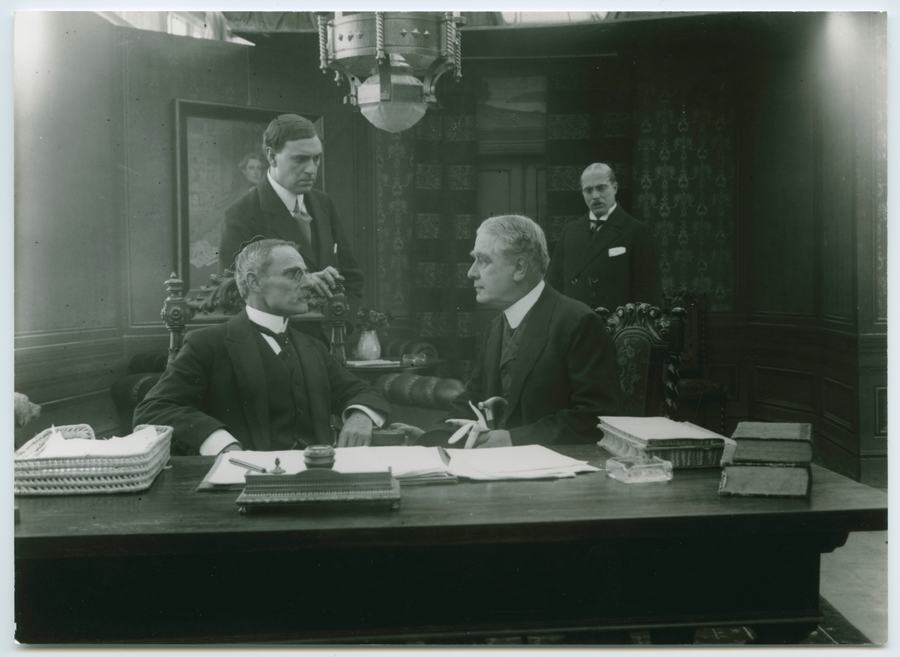
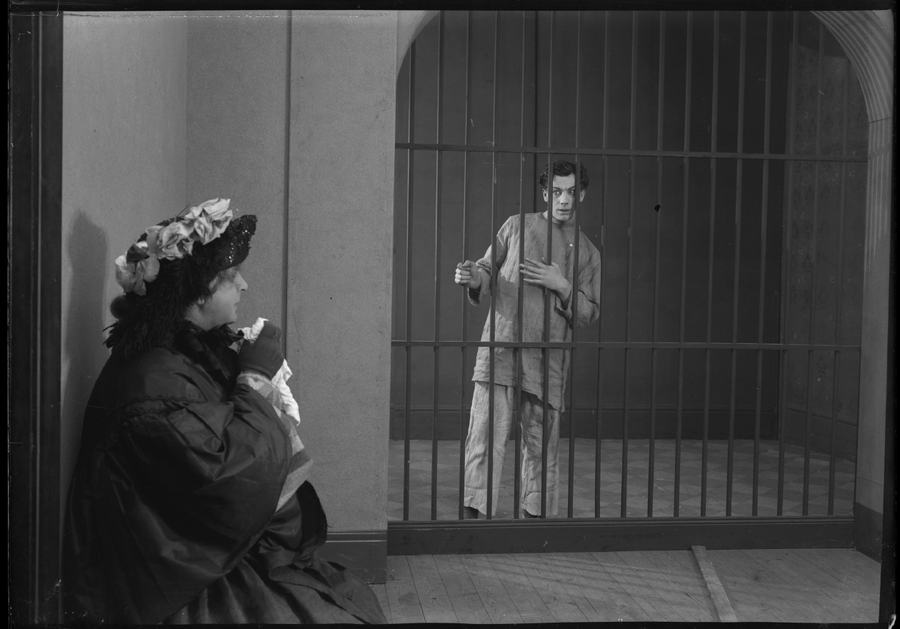
A strolling troupe of commedia drifters, half-moon faces painted in arterial vermilion, pitch their splintered stage on the lip of a Jutland fjord where the North Sea gnaws basalt like a famished choirboy. Canio—Philip Bech’s sinewy clown-king—unfolds his cracked-leather suitcase of woes, each crease a decade of cuckoldry; his Nedda, Aase Winsnes, pirouettes on tiptoes of frost, her gaze already eloping with the salt wind. Cajus Winding’s Silvio, velvet-smooth yet rust-flecked at the cuffs, loiters behind the canvas flap, breathing arrack and promises into the heroine’s clavicle while the company’s dwarf accountant (Torben Meyer) counts coins the color of dried blood. Nightfall slams down like a dropped guillotine blade; the villagers gather, torches dripping tallow onto the snowcrust, demanding their nightly fix of tragedy. Inside the makeshift booth, a toy theatre within a toy theatre, the players rehearse Leoncavallo’s lurid vignette—adultery, betrayal, a stiletto kiss—oblivious that their own lives have already begun to mirror the libretto in savage, metronymic exactitude. Bech’s Canio, catching his wife’s perfidy in flagrante, swaps the harmless wooden prop for a gutting knife filched from the herring stalls; the on-stage homicide becomes a sacrificial rite, crimson spattering the footlights until the kerosene lamps gutter out in shame. Gudrun Bruun Stephensen’s mute ballerina, all cartilage and candle-smoke, witnesses everything from the flies, her silent scream frozen in a rictus that outlives the credits. When dawn finally rinses the sky with pewter, the fjord reclaims the troupe’s paper banners, and only the accordion’s asthmatic wheeze remains, drifting across the tideline like a penitent ghost.
Review Excerpt
"
p{line-height:1.7;margin:0 0 1.2em;font-size:1.05em;}
em,i{color:#EAB308;font-style:normal;font-weight:600;}
strong,b{color:#C2410C;font-weight:700;}
a{color:#0E7490;text-decoration:none;border-bottom:1px dotted #0E7490;}
a:hover{border-bottom-style:solid;}
blockquote{margin:2em 0;padding:1em 2em;border-left:4px solid #C2410C;font-size:1.1em;font-style:italic;}
hr{border:none;height:1px;background:#333;margin:3em 0;}
There are films you watch and films that watch you—Bajadser b..."