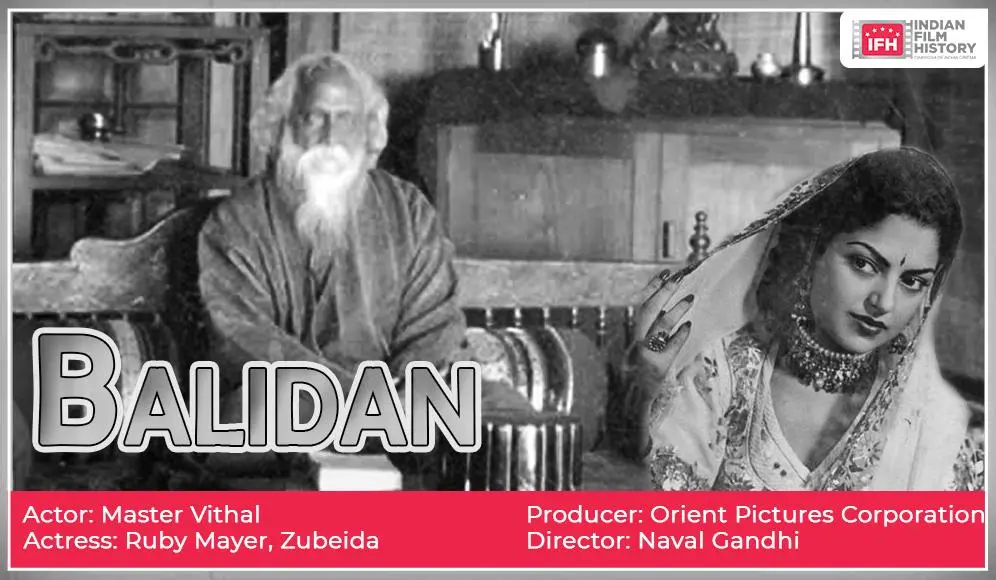
This quasi-historical story is set in the fictional land of Tippera and features Queen Gunavati (Sulochana), King Govinda, Aparna the beggar girl (Zubeida) and the priest Raghupati who runs a Kali temple. The story addresses the conflict between reformist enlightenment and obsolete, inhuman ritual, questioning the contemporary validity of traditional rituals.
Should you invest your time in a silent film from 1927 like Balidan? Short answer: Yes, but only if you value intellectual weight over technical polish. This is a film for the patient viewer who wants to see the exact moment Indian cinema began to grapple with social reform. It is absolutely not for those who require f...
Comparing the cinematic DNA and archive impact of two defining moments in cult history.
Naval Gandhi
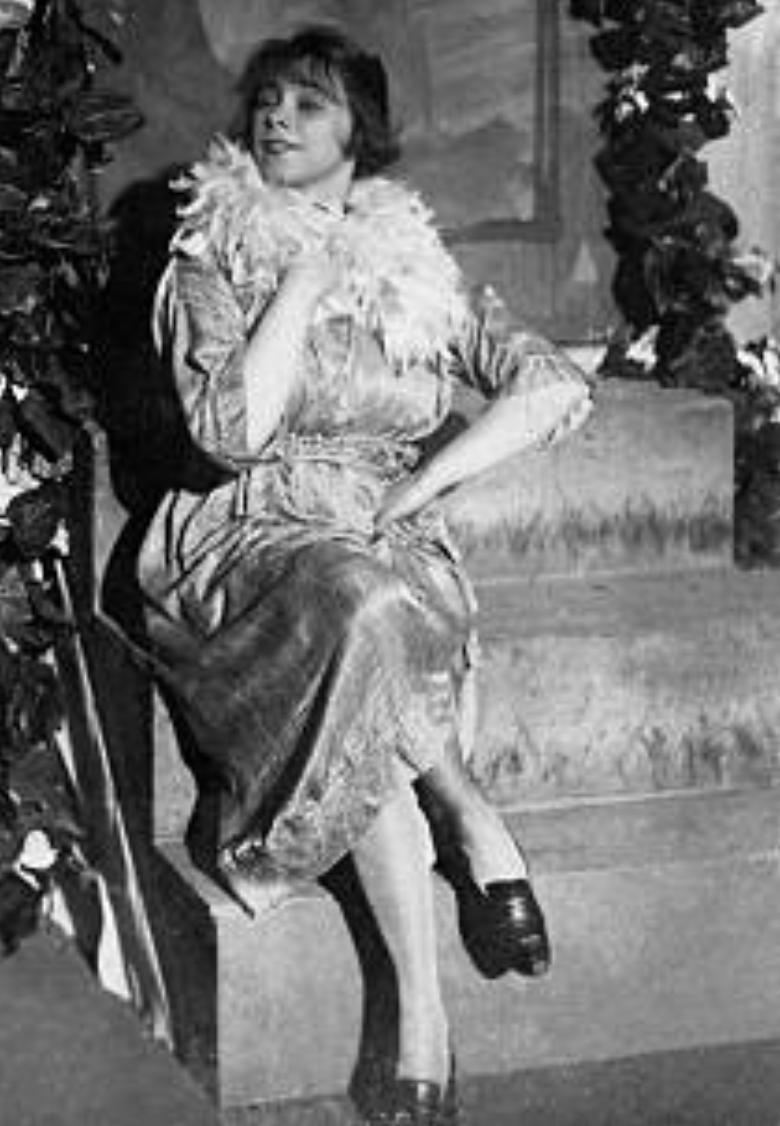
Bruno Ziener
Community
Log in to comment.
"Should you invest your time in a silent film from 1927 like Balidan? Short answer: Yes, but only if you value intellectual weight over technical polish. This is a film for the patient viewer who wants to see the exact moment Indian cinema began to grapple with social reform. It is absolutely not for those who require fast-paced editing or modern high-definition clarity.Balidan works because it refuses to treat its central conflict as a simple battle between good and evil. Instead, it frames the ..."
Jamshed Ratnagar, Rabindranath Tagore
India
Wilfred Lucas