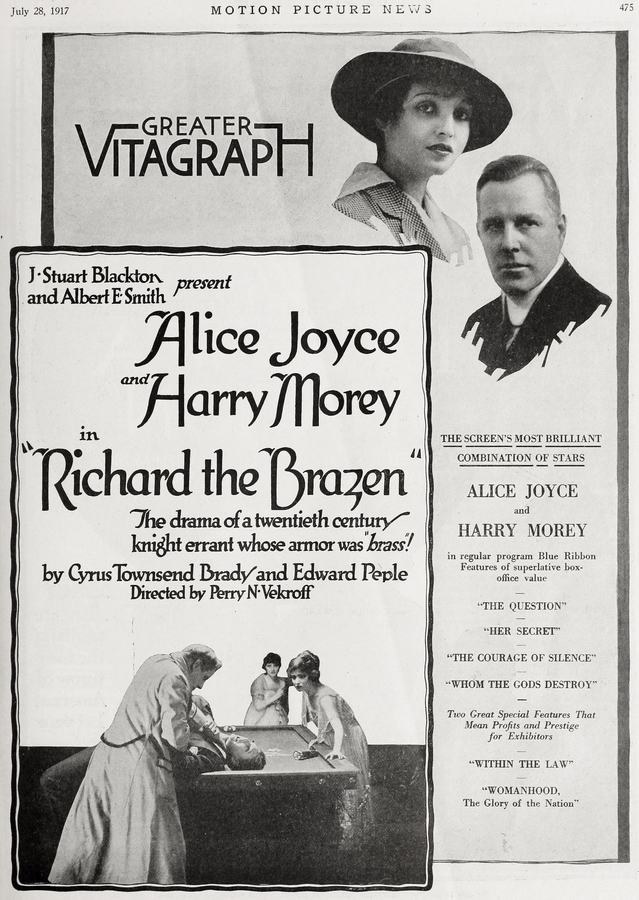
From an original trade paper advertisement: "The story of a girl who for months was in perpetual peril; on land, on sea, everywhere, Orient, Occident, and the Antipodes. And because of that peril and her narrow escapes it is always exciting, and will furnish gobs of entertainment for your patrons.
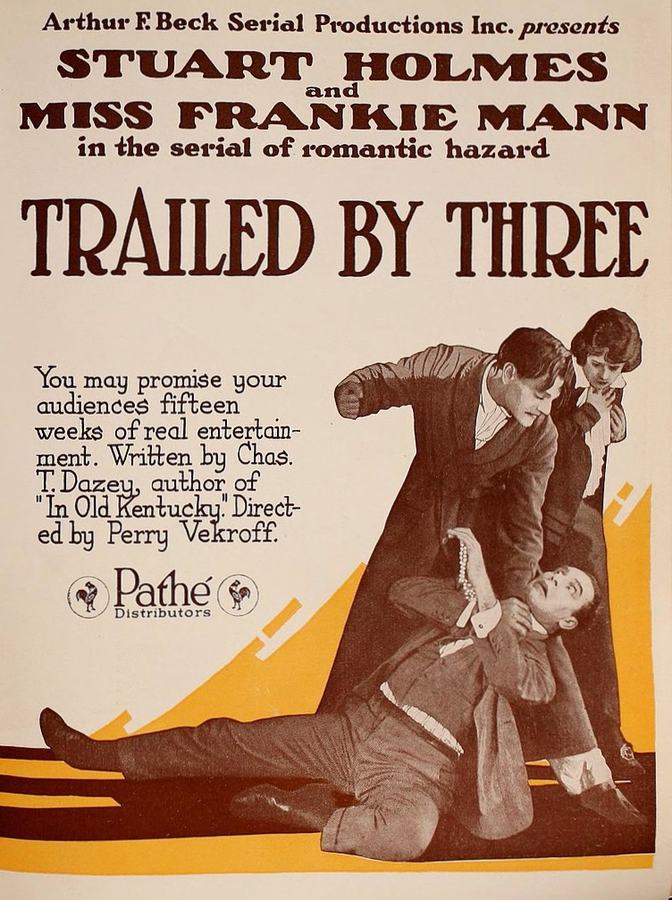
Ruby Hoffman never blinks. In the entire 74-minute fever that is Trailed by Three, her pupils stay wide, glassy, reflecting locomotive headlights, typhoon skies, and the glint of switchblades. The film, once thought incinerated in the 1935 Fox vault fire, survives in a 9.5 mm Pathescope abridgement discovered inside ...
Comparing the cinematic DNA and archive impact of two defining moments in cult history.
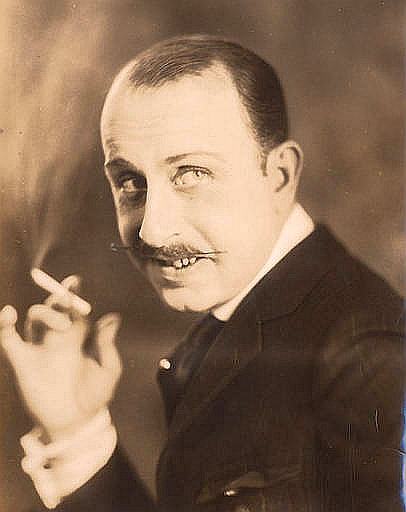
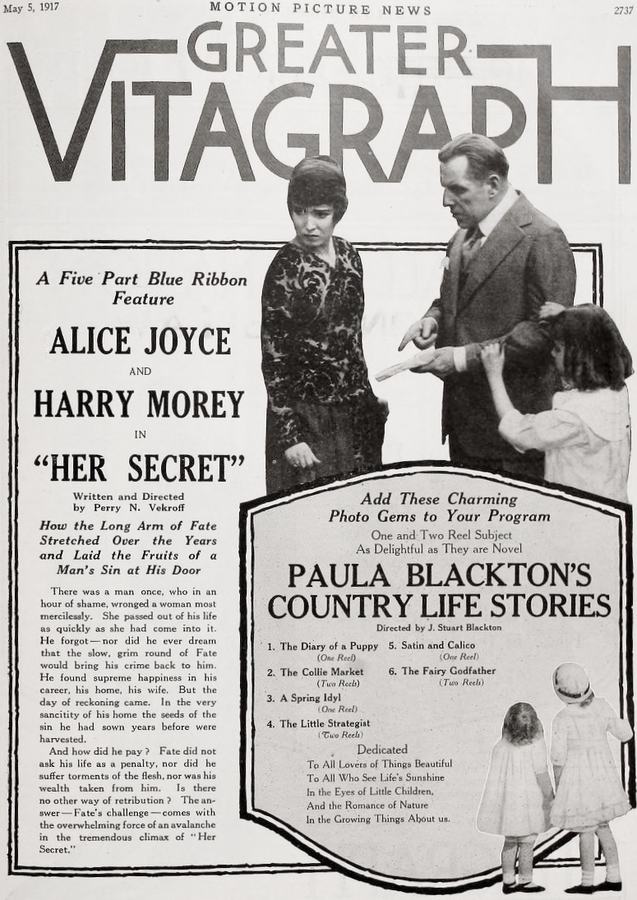
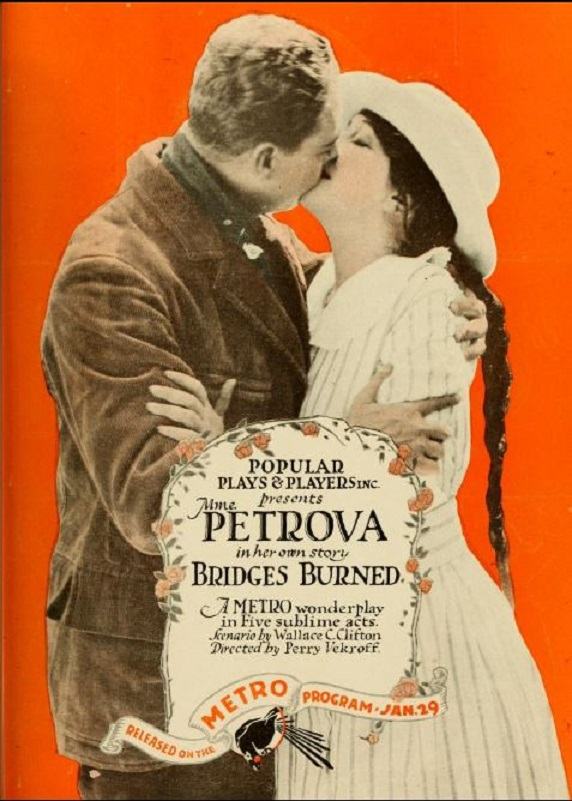
Perry N. Vekroff
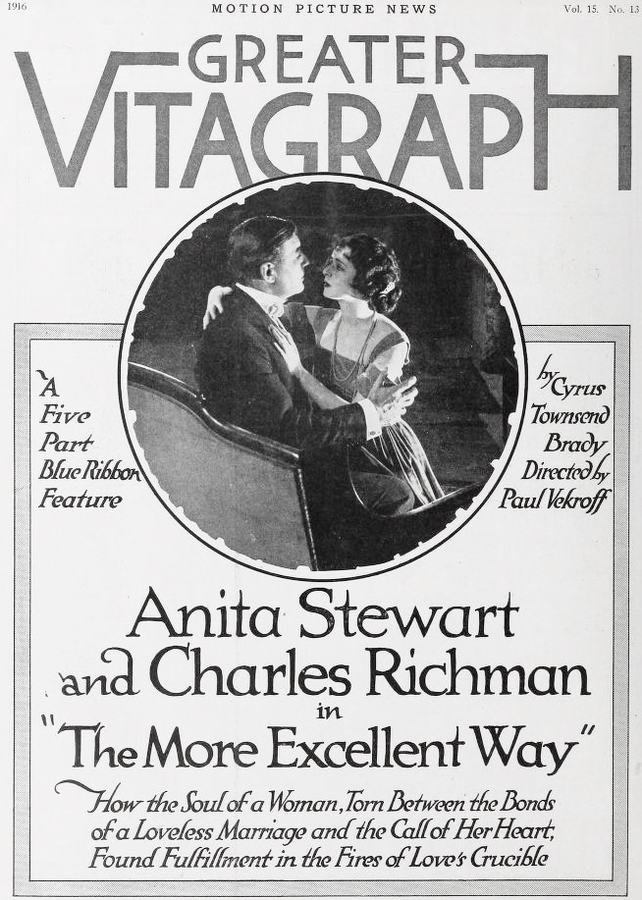
Perry N. Vekroff
Community
Log in to comment.
" Ruby Hoffman never blinks. In the entire 74-minute fever that is Trailed by Three, her pupils stay wide, glassy, reflecting locomotive headlights, typhoon skies, and the glint of switchblades. The film, once thought incinerated in the 1935 Fox vault fire, survives in a 9.5 mm Pathescope abridgement discovered inside a Lyons tea-caddy in 1998, and every missing foot of nitrate only heightens the hallucination. We are not merely watching a woman pursued; we are watching pursuit itself distilled—..."
Charles T. Dazey
United States
Deep dive into the cult classic
Discover similar cinematic experiences
A Directorial Spotlight on Perry N. Vekroff