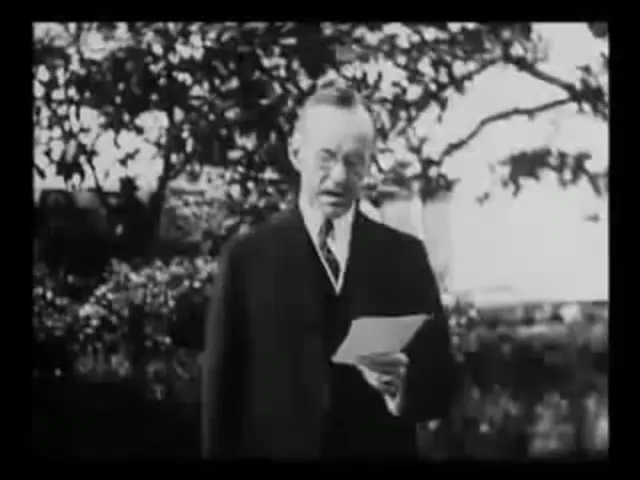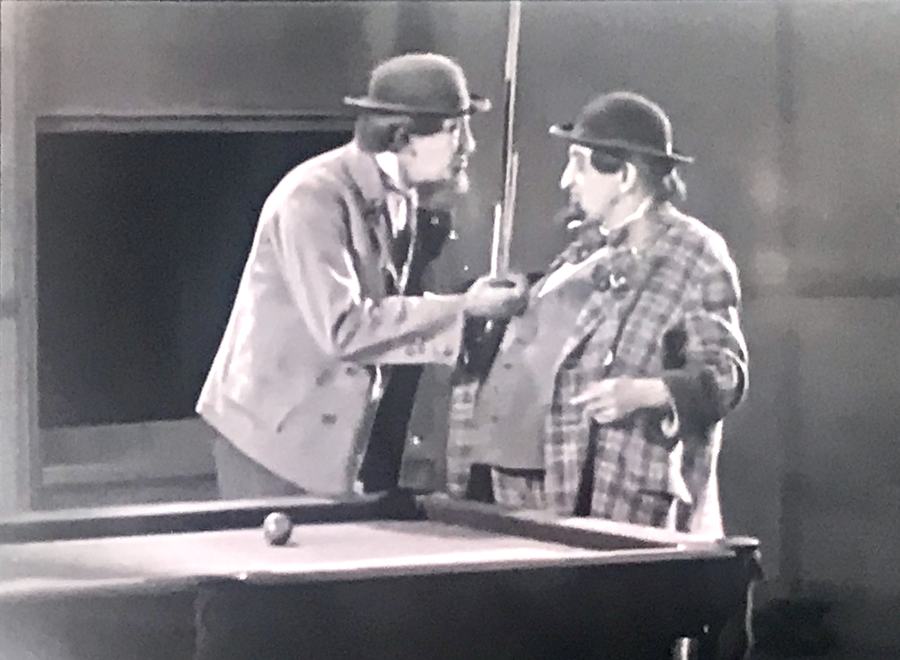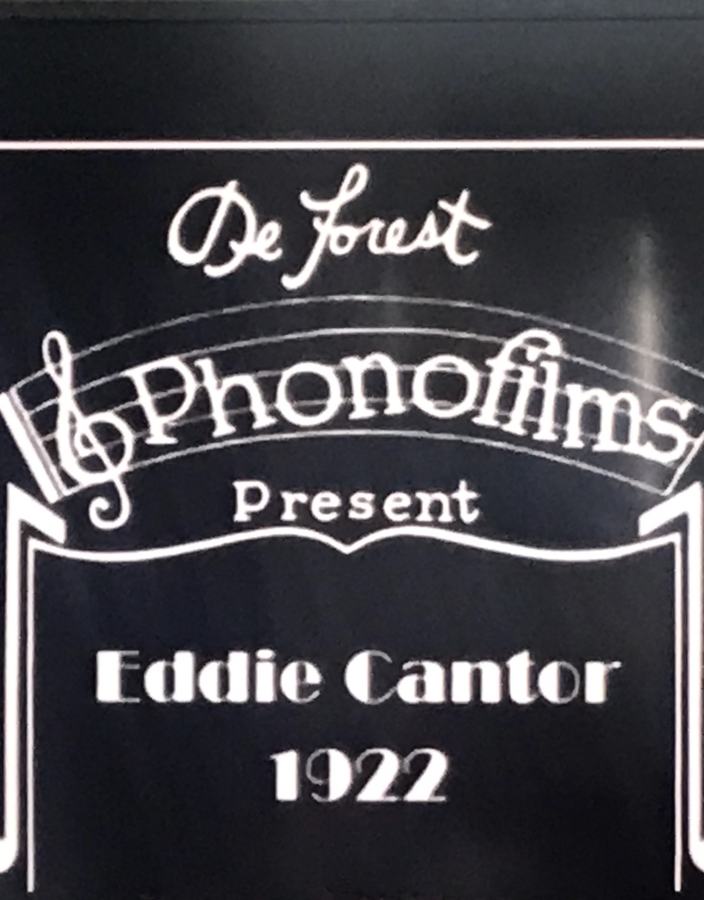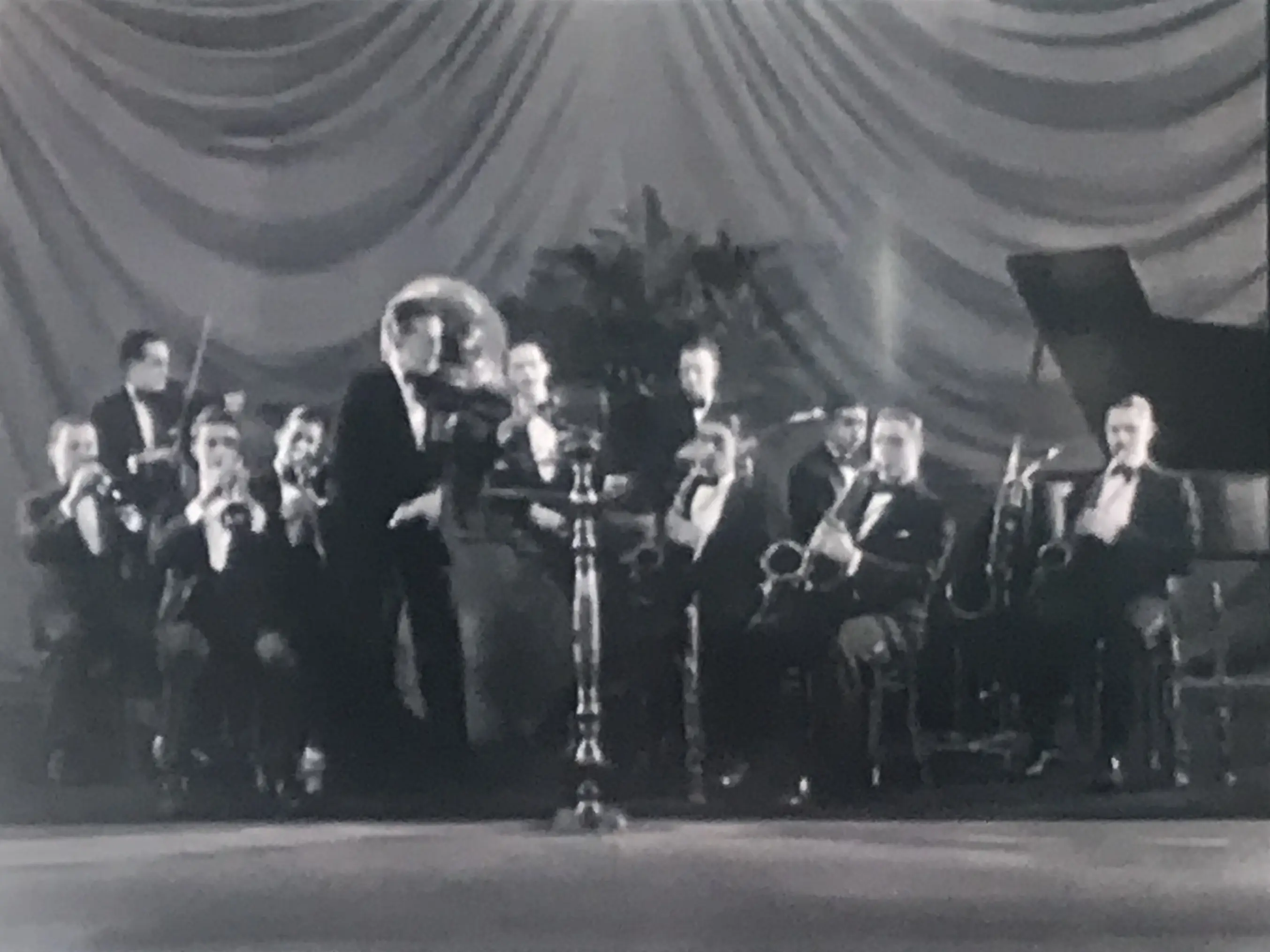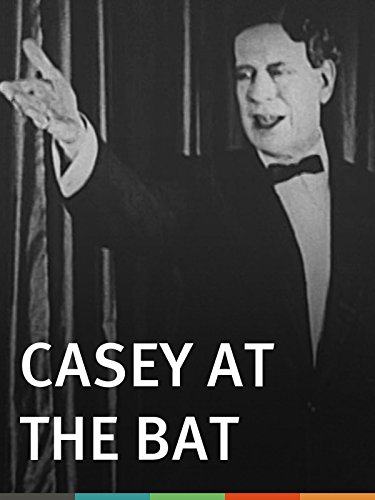
Famous actor DeWolf Hopper (Sr.) recites the poem "Casey at the Bat" by Ernest Lawrence Thayer in an early sound film produced in the DeForest Phonofilm sound-on-film process.
Ernest Lawrence Thayer
United States
Imagine a world where the crack of a bat is still a rumor, where the word “talkie” sounds like a toddler’s mispronunciation. Into that hush strides DeWolf Hopper Sr.—six-foot-three of hammy majesty—unfurling Ernest Lawrence Thayer’s 1888 verse like a battle standard. The DeForest Phonofilm process captures the tremor ...
Comparing the cinematic DNA and archive impact of two defining moments in cult history.
Lee De Forest
Charley Chase
Community
Log in to comment.
" Imagine a world where the crack of a bat is still a rumor, where the word “talkie” sounds like a toddler’s mispronunciation. Into that hush strides DeWolf Hopper Sr.—six-foot-three of hammy majesty—unfurling Ernest Lawrence Thayer’s 1888 verse like a battle standard. The DeForest Phonofilm process captures the tremor of his epiglottis, the moist collision of tongue and palate, the faint click of dentures. Six minutes later, cinema is never the same. The Poem as Palimpsest Thayer wrote Casey at..."
Deep dive into the cult classic
Discover similar cinematic experiences
A Directorial Spotlight on Lee De Forest