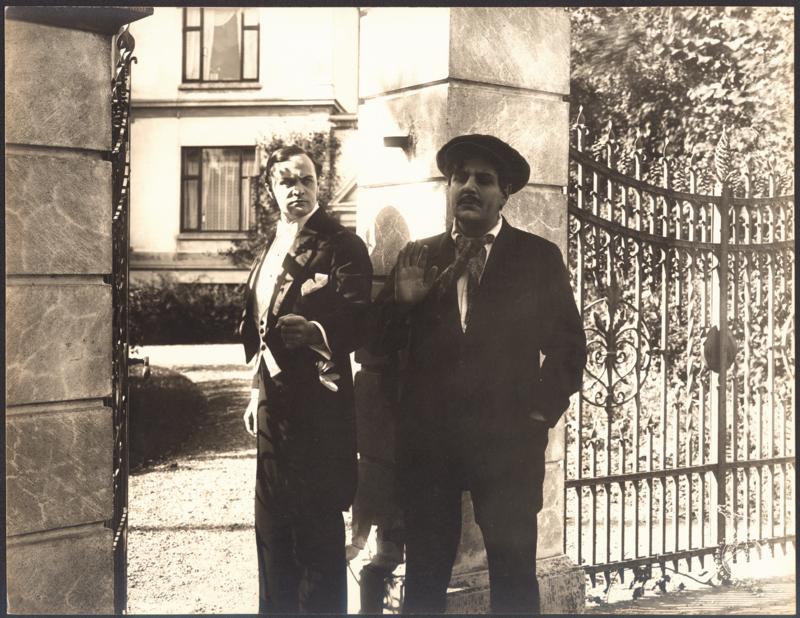
Reformed criminal Boston Blackie is outraged when a judge refuses to grant a pardon for a dying friend. He hires Norine, his now-dead friend's daughter, to get to the judge through his son Rudy.
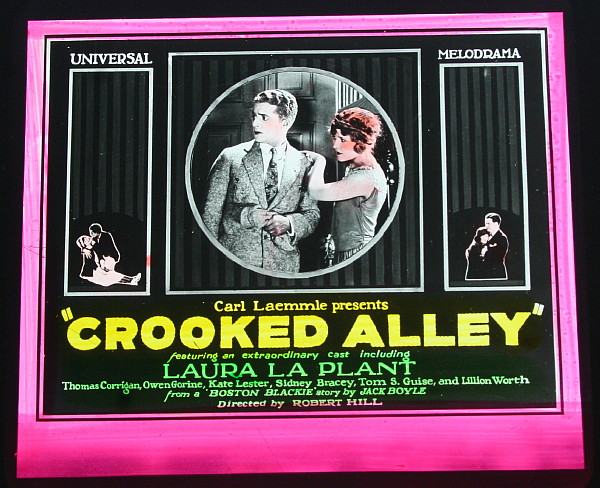
The 1923 landscape of silent cinema was often bifurcated between the slapstick whimsy of the Keystone era and the burgeoning, atmospheric grit that would eventually crystallize into the noir tradition. Robert F. Hill’s Crooked Alley stands as a fascinating specimen from this transitional epoch, offering a narrative tha...
Comparing the cinematic DNA and archive impact of two defining moments in cult history.
Robert F. Hill
Wilfred Lucas
Community
Log in to comment.
"The 1923 landscape of silent cinema was often bifurcated between the slapstick whimsy of the Keystone era and the burgeoning, atmospheric grit that would eventually crystallize into the noir tradition. Robert F. Hill’s Crooked Alley stands as a fascinating specimen from this transitional epoch, offering a narrative that is as much about the architecture of morality as it is about the mechanics of a heist or a sting. Within the flickering frames of this Universal production, we find a protagonist..."
Robert F. Hill, Jack Boyle, Adrian Johnson
United States