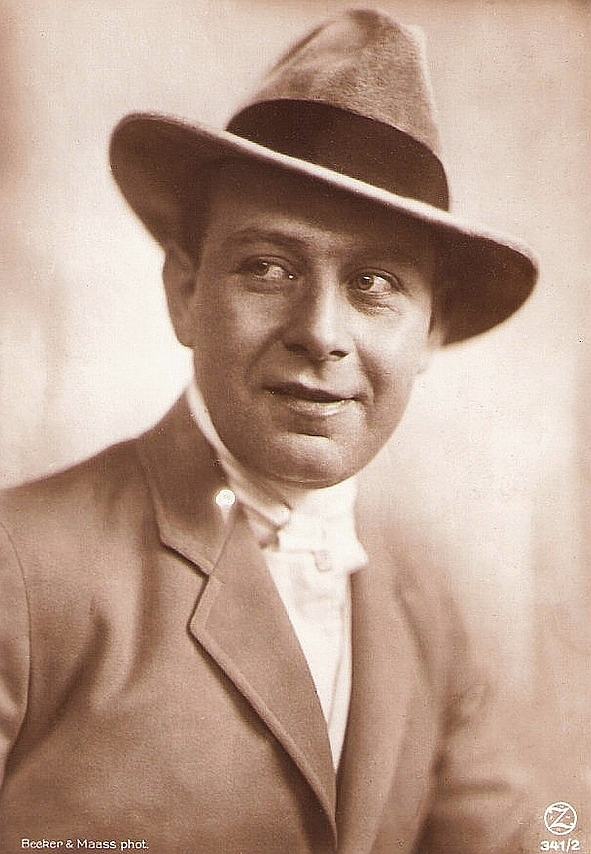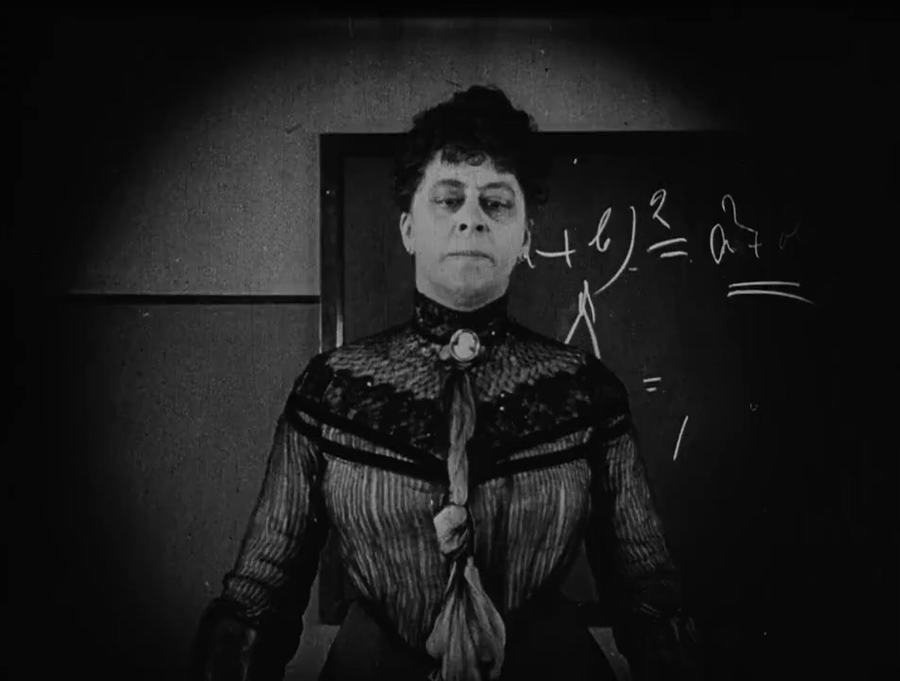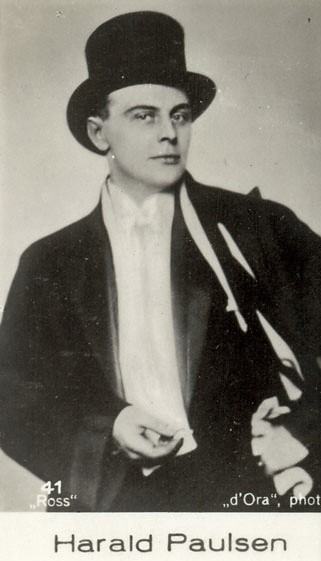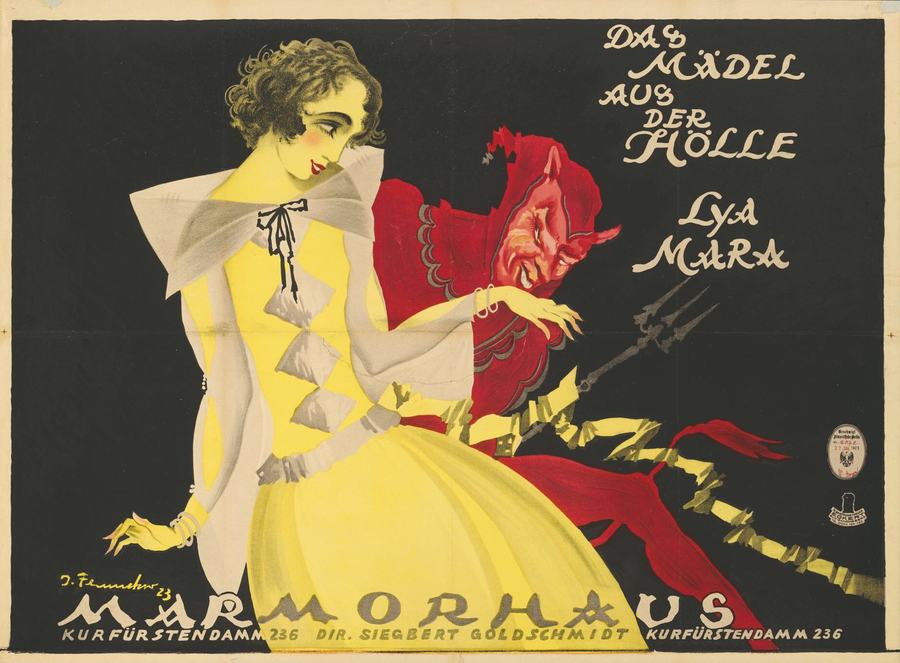
Das Mädel aus der Hölle: A Resounding Echo from Weimar's Abyss The spectral glow of the silver screen, even a century removed, retains an uncanny ability to resurrect forgotten narratives, to breathe life into the celluloid ghosts of yesteryear. Among these spectral resurrections, few possess the raw, unvarni...

Comparing the cinematic DNA and archive impact of two defining moments in cult history.
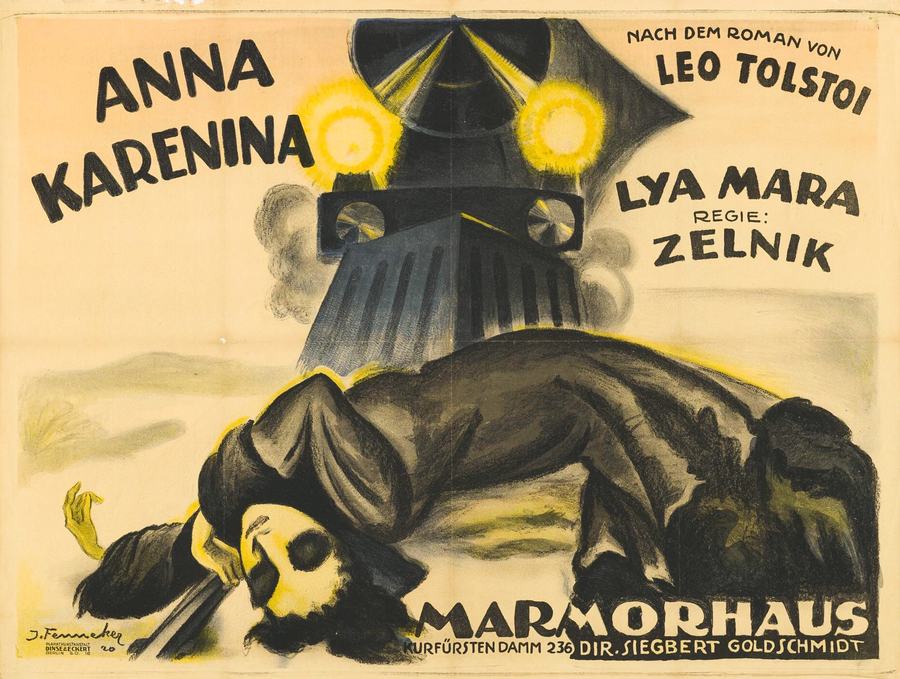
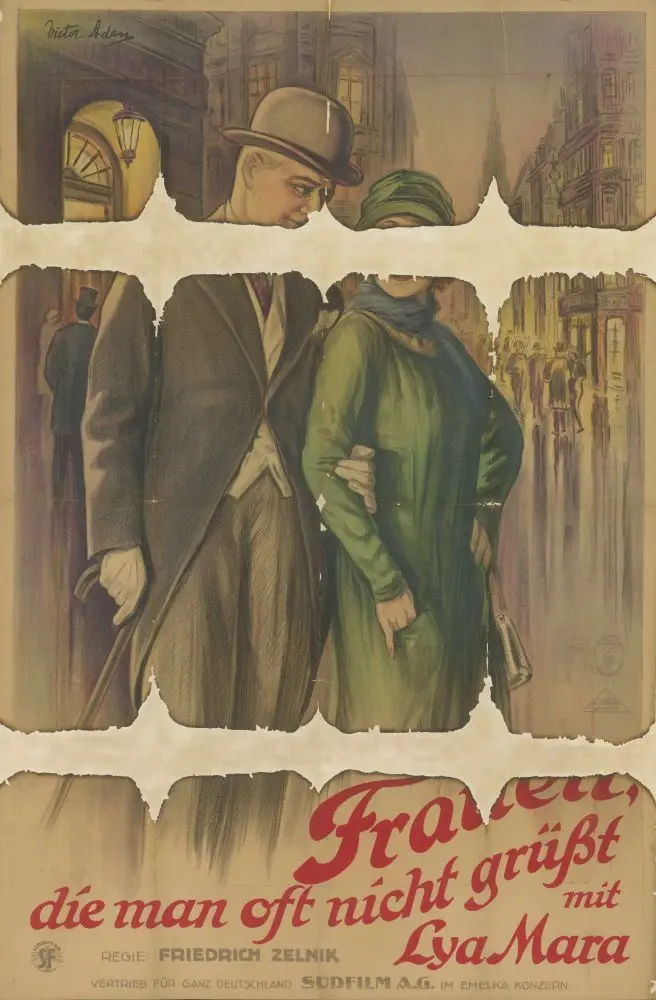
Frederic Zelnik

Alexander Butler
Community
Log in to comment.
" Das Mädel aus der Hölle: A Resounding Echo from Weimar's Abyss The spectral glow of the silver screen, even a century removed, retains an uncanny ability to resurrect forgotten narratives, to breathe life into the celluloid ghosts of yesteryear. Among these spectral resurrections, few possess the raw, unvarnished power of Das Mädel aus der Hölle. A film whose very title, 'The Girl from Hell,' immediately conjures images of a defiant spirit forged in the crucible of urban despair, it st..."
Fanny Carlsen
Germany
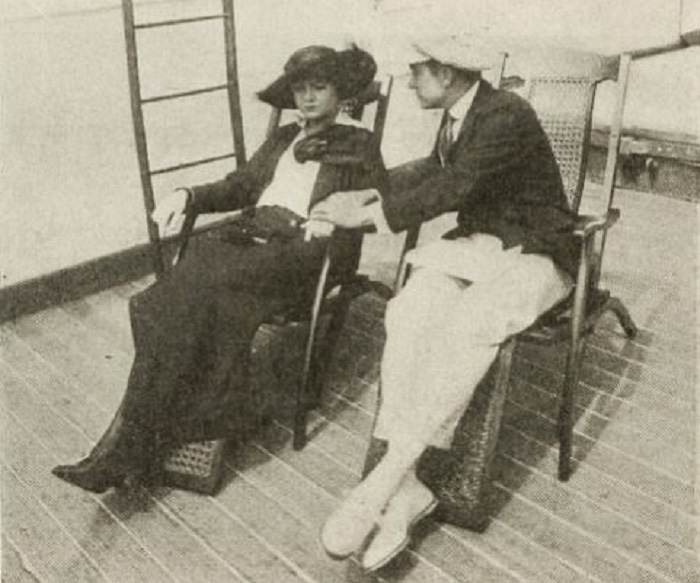
Deep dive into the cult classic
Discover similar cinematic experiences
A Directorial Spotlight on Frederic Zelnik