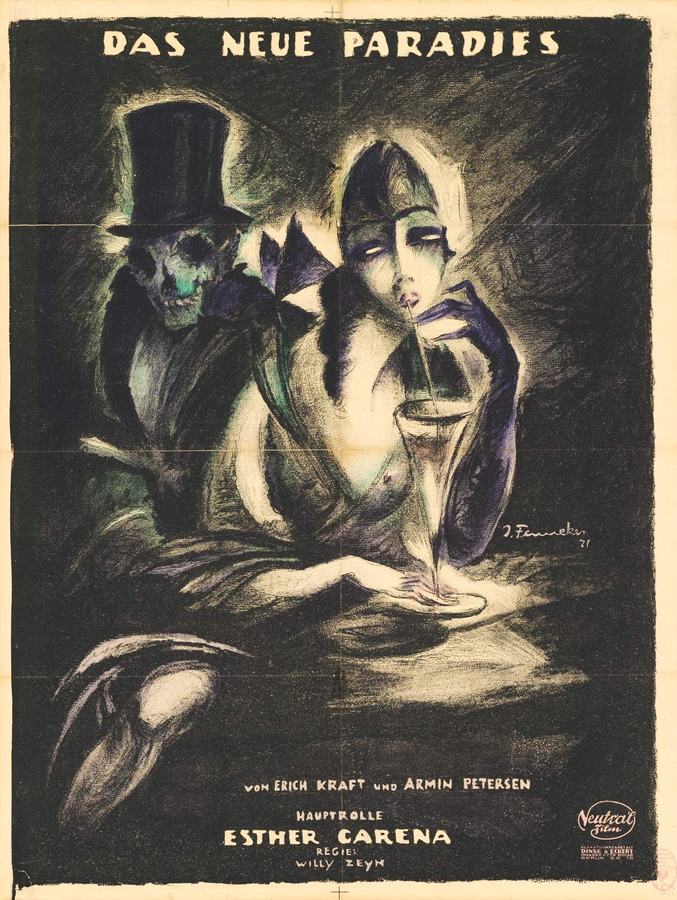
The movie Das neue Paradies was directed by Willy Zeyn.
Das neue Paradies was released in the year 1921.
Das neue Paradies is a movie from Germany.
Das neue Paradies features Ferry Sikla, Frida Richard, Maria Voigtsberger, Esther Carena.
The screenplay for Das neue Paradies was written by Erich Kraft, Armin Petersen.
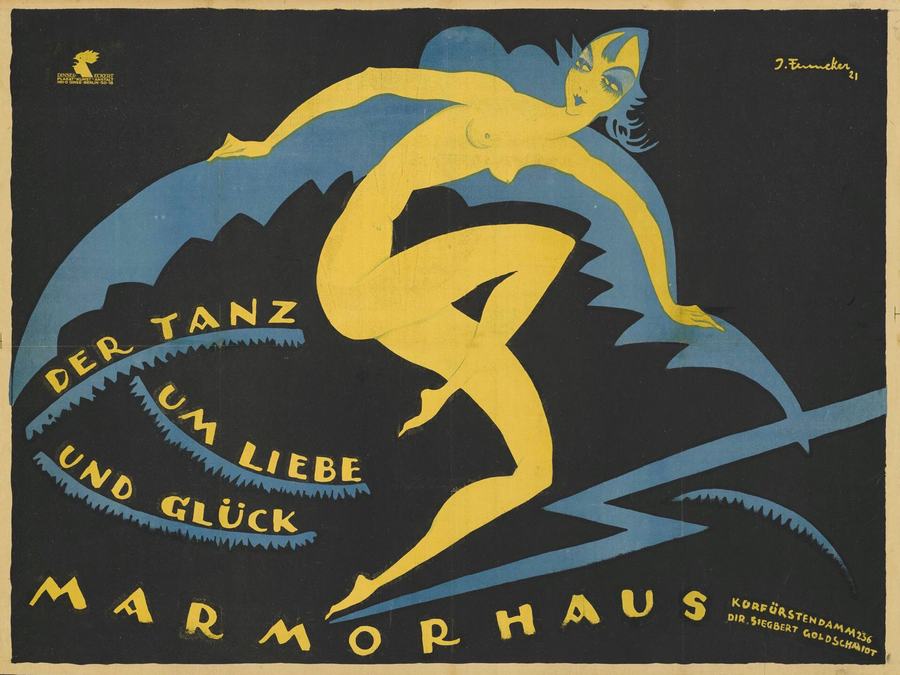
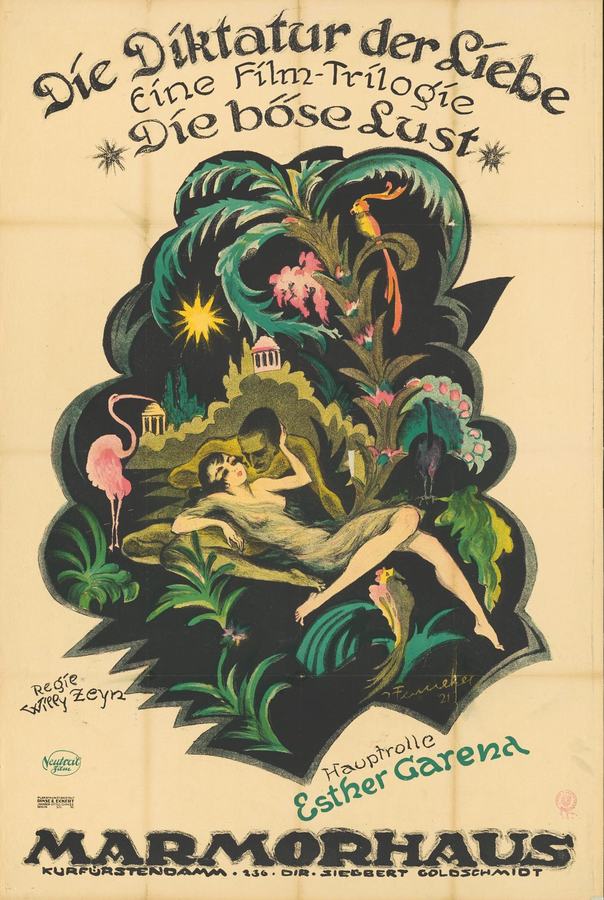
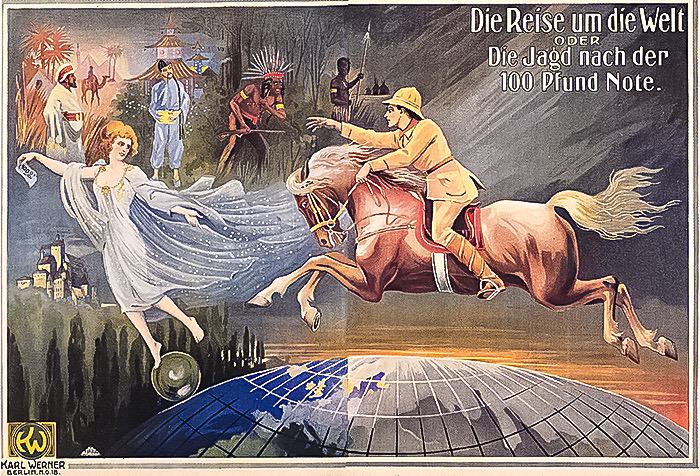
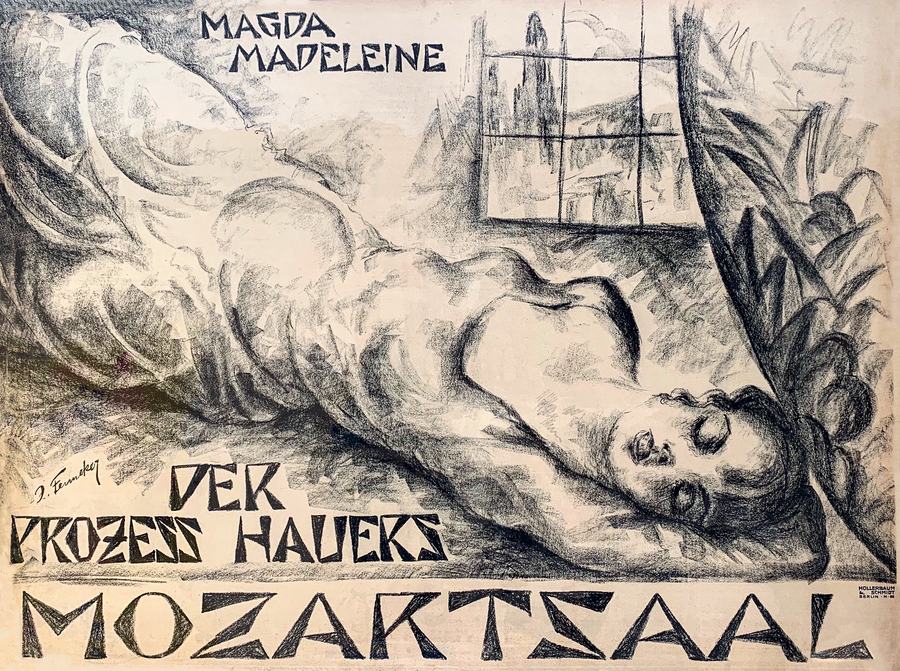
If you enjoy Das neue Paradies, you might also like Der Tanz um Liebe und Glück (1921), Die Diktatur des Lebens - 1. Teil: Die böse Lust (1921), Die Jagd nach der Hundertpfundnote oder Die Reise um die Welt (1913), Der Prozeß Hauers (1918).
Yes, Das neue Paradies (1921) is featured in the Dbcult archive as a curated cult cinema title.
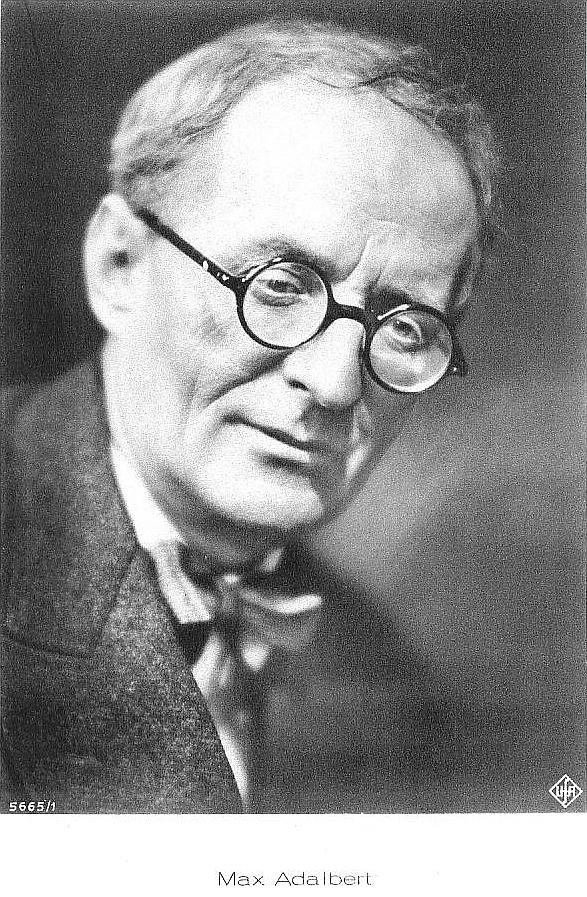
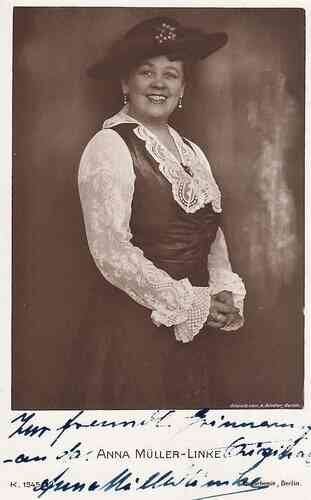
A Weimar-era fever-dream unfurls inside a crumbling seaside spa: war-maimed vacationers trade morphine ampoules for resurrection myths while a cinematograph projects looping images of pre-lapsarian gardens onto cracked stucco. Ferry Sikla’s shell-shocked ethnographer, clutching reels of decaying nitrate, believes the flickering Eden can be reverse-engineered into reality; Maria Voigtsberger’s consumptive botanist tends a hothouse orchid that bleeds mercury, convinced chlorophyll can overwrite human cruelty. Between them glide Anna Müller-Lincke’s morphine-saint and Max Adalbert’s one-legged impresario who stages nightly pageants where the audience pays in memories, not money. As celluloid petals melt under projector heat, the sanatorium’s corridors elongate into Möbius strips; mirrors vomit duplicate guests whose scars are on the wrong side; tidal charts spell out Nietzsche in salt crystals. When the orchid finally blooms it releases a spore cloud that re-edits faces into earlier versions of themselves—Esther Carena’s matron becomes her honeymoon self, Frida Richard’s wet-nurse reverts to pre-maternal adolescence—yet the price is a progressive erasure of the outside world. The last strip of film runs backward through the gate, swallowing light, until the only paradise left is the projector’s hum and the knowledge that utopias are simply dystopias with better lighting.