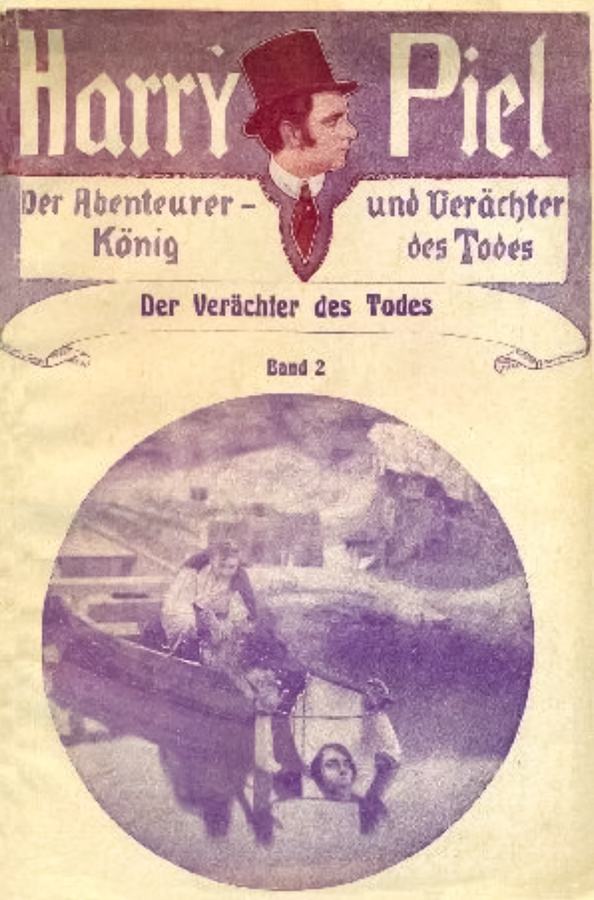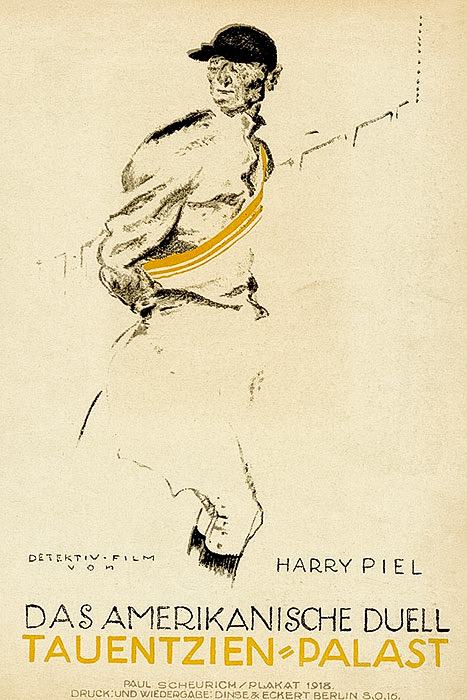
The Architectural Mirage: Analyzing Harry Piel's Vision In the pantheon of Weimar cinema, few figures loom as physically and creatively large as Harry Piel. His 1922 opus, Das verschwundene Haus, represents a pinnacle of the 'Sensationsfilm'—a genre that prioritized visceral thrills, death-defying stunts, an...


Comparing the cinematic DNA and archive impact of two defining moments in cult history.
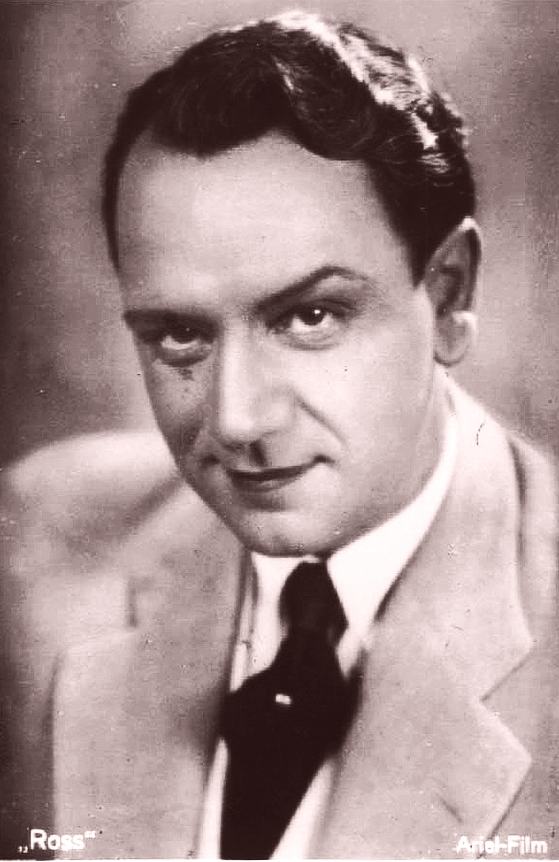
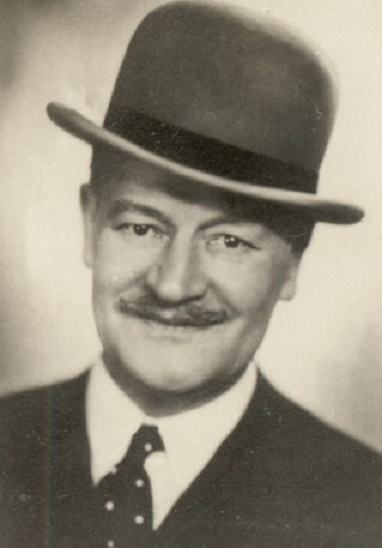
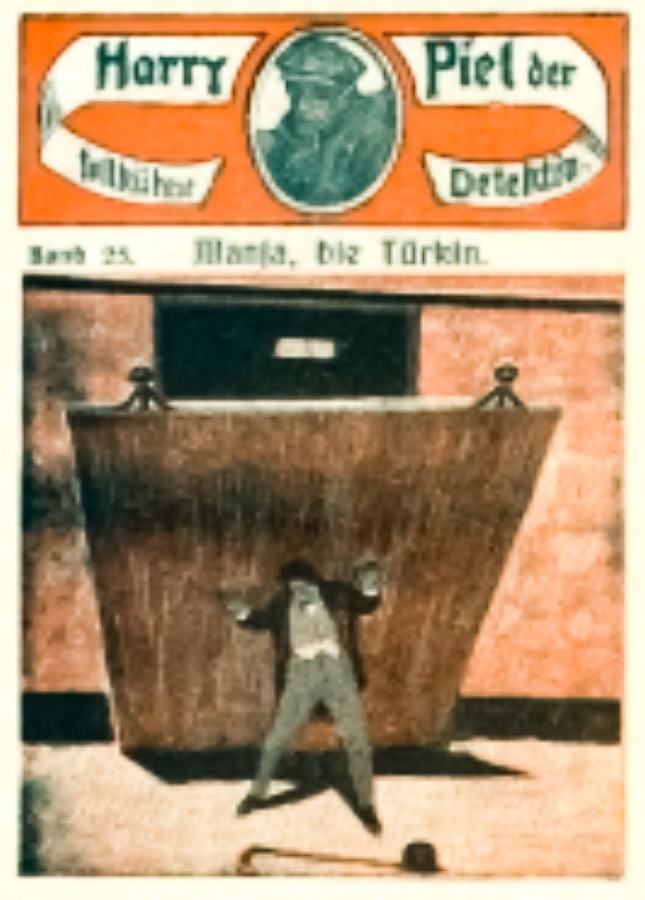
Harry Piel
Harry Piel
Community
Log in to comment.
" The Architectural Mirage: Analyzing Harry Piel's Vision In the pantheon of Weimar cinema, few figures loom as physically and creatively large as Harry Piel. His 1922 opus, Das verschwundene Haus, represents a pinnacle of the 'Sensationsfilm'—a genre that prioritized visceral thrills, death-defying stunts, and a relentless narrative velocity. Unlike the somber, introspective shadows of Expressionism found in contemporaries, Piel’s work sought to electrify the screen through mechanical ..."
Lothar Knud Frederik
Germany

Deep dive into the cult classic
Discover similar cinematic experiences
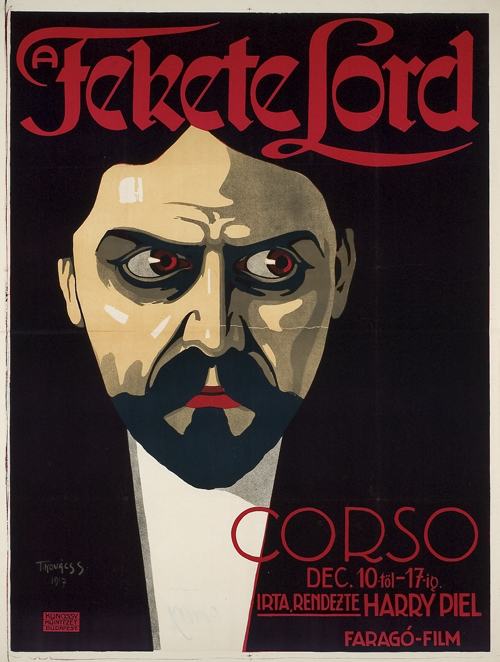
A Directorial Spotlight on Harry Piel