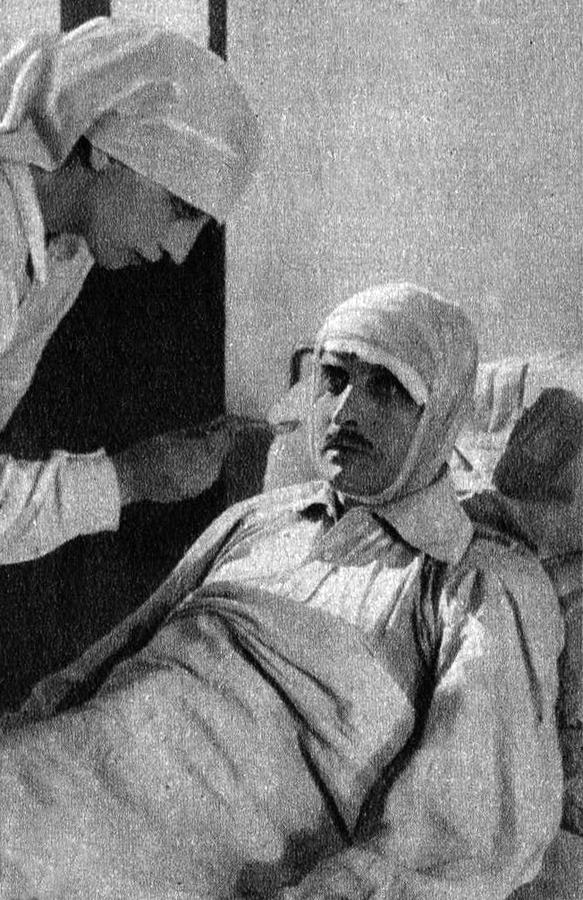
In the pantheon of early French cinema, certain works flicker with a luminosity that transcends their physical age, and De la coupe aux lèvres is undeniably one such artifact. Directed by the often-underappreciated Guy du Fresnay, this 1920 production is not merely a relic of the silent era; it is a sophisticated exp...
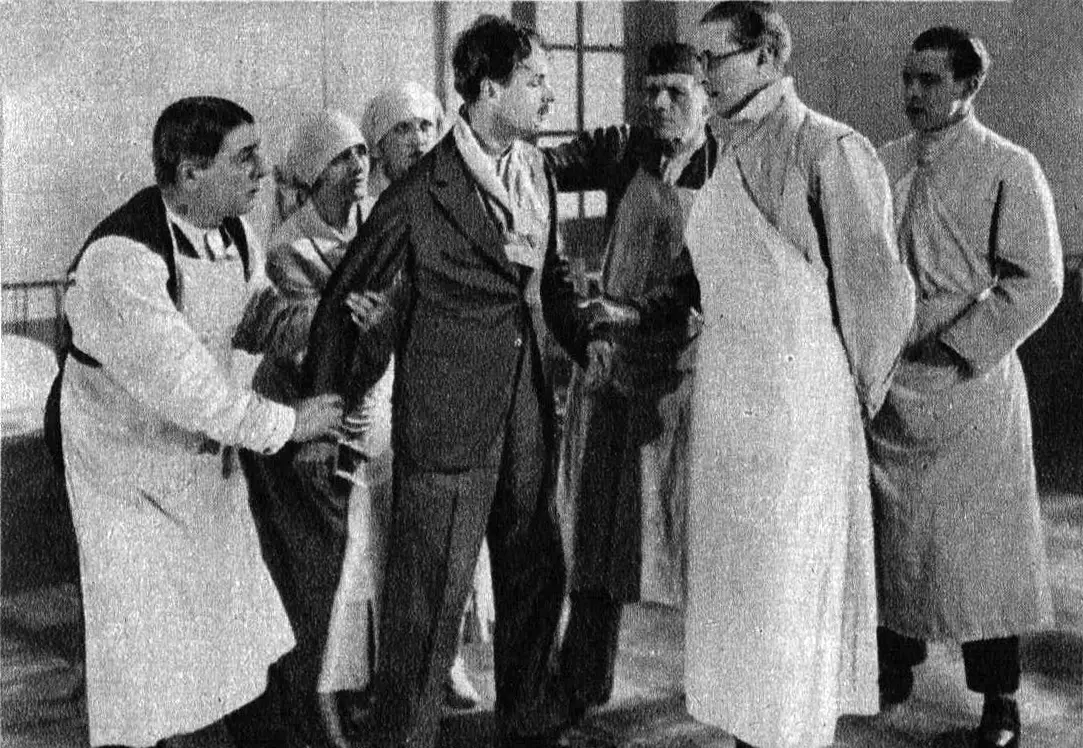
still_frame
still_frame

Comparing the cinematic DNA and archive impact of two defining moments in cult history.
Guy du Fresnay
Frank Moser
Community
Log in to comment.
" In the pantheon of early French cinema, certain works flicker with a luminosity that transcends their physical age, and De la coupe aux lèvres is undeniably one such artifact. Directed by the often-underappreciated Guy du Fresnay, this 1920 production is not merely a relic of the silent era; it is a sophisticated exploration of the human condition that utilizes the visual language of its time to articulate anxieties that remain strikingly contemporary. To watch this film today is to witness a ..."
Deep dive into the cult classic
Discover similar cinematic experiences
A Directorial Spotlight on Guy du Fresnay