Summary
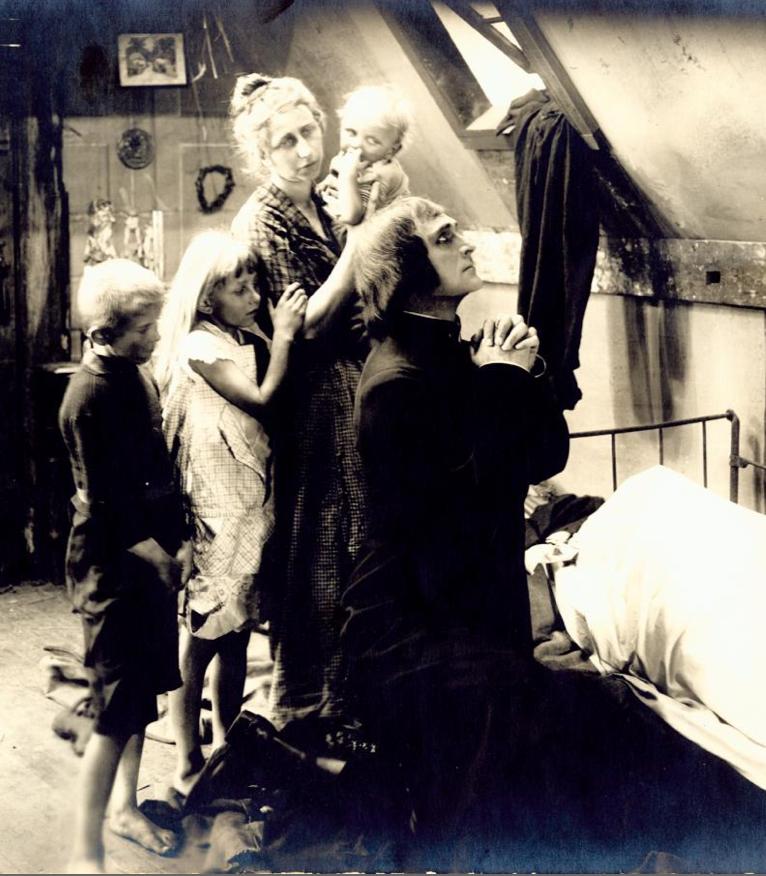
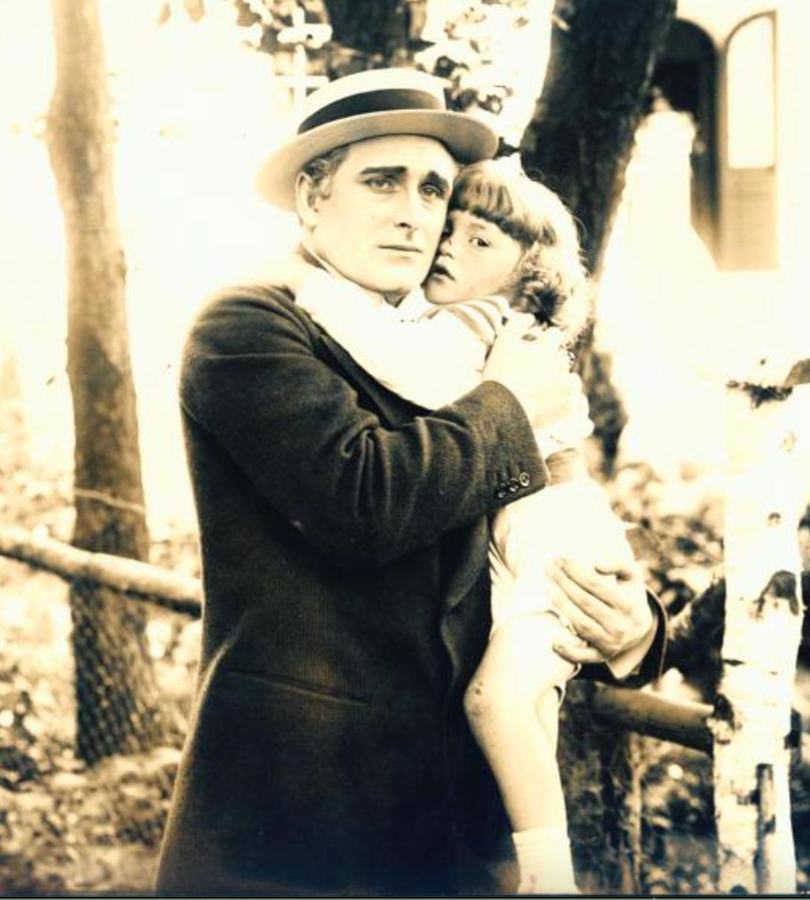
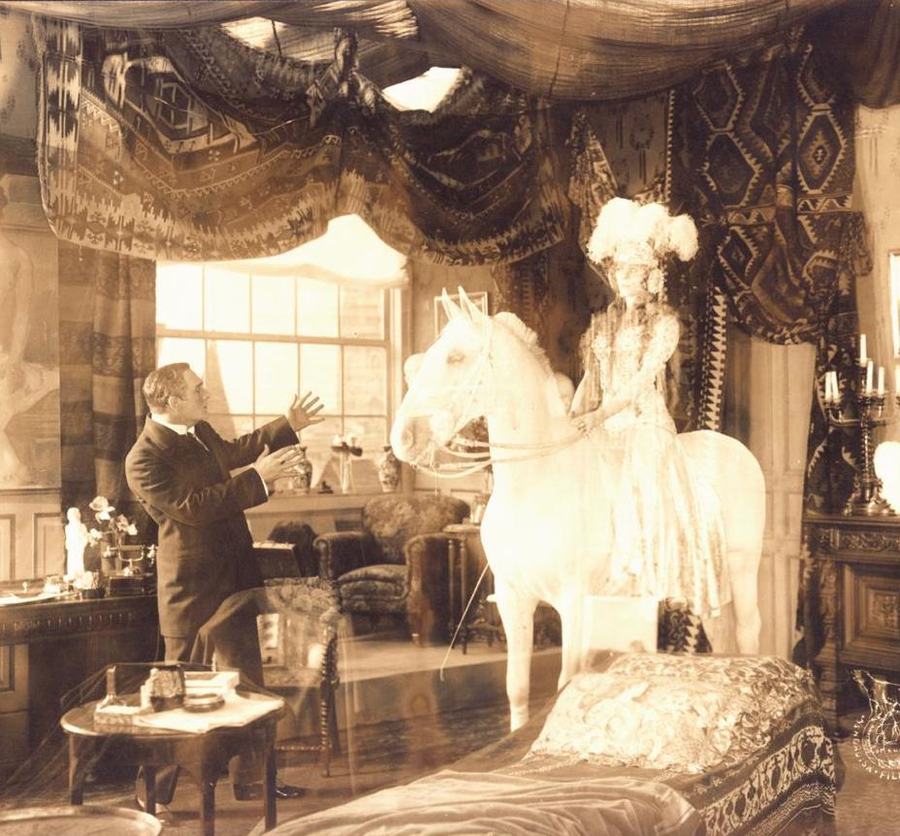
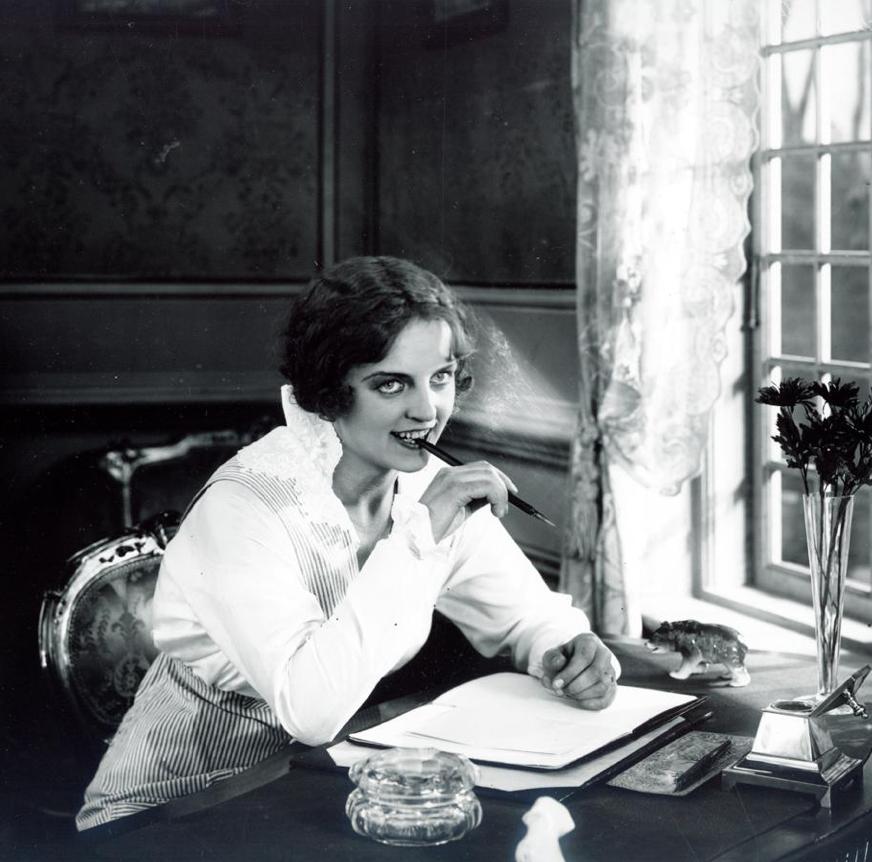
Beneath the soot-choked gas-lamps of a nameless Nordic port, Enken unfolds like a frost-bitten fever dream stitched from whale-bone corsets and briny secrets. The eponymous widow—played by Victoria Petersen with the brittle hauteur of a woman who has already buried her own ghost—returns to the clapboard house where her fisherman husband vanished into a winter sea that never gave back its dead. August Wehmer’s lens lingers on her gloved fingers as they tremble over unpaid ledgers, each creak of floorboard a reminder that marriage does not end at the graveside but metastasizes into debt, rumor, and the salt-licked stench of betrayal. Into this aquarium of grief drifts Per Stensgaard’s Aksel, a customs clerk whose spine seems molded from damp parchment; he carries smuggled letters that suggest the drowned man staged his own extinction. Alfred Cohn’s cinematography traps candlelight behind frosted windows so that faces appear half-erased, as though the celluloid itself were succumbing to hypothermia. Doris Johannessen’s housekeeper moves through corridors like a conscience that has misplaced its body, while Gerda Tarnow’s itinerant preacher recites psalms backwards to exorcise the harbor’s merfolk superstitions. The plot—more coral reef than straight line—braids blackmail ledgers, a child’s mitten washed up filled with gold coins, and a final reckoning on the pier where ice cracks like cathedral glass beneath the widow’s boot heels. By the time the lighthouse beam swings across the closing shot, the film has asked whether widowhood is merely another word for being the last living witness to one’s own erasure.
Review Excerpt
"
There are films you watch and films that watch you—Enken belongs to the latter cabal. Erling Stensgaard’s screenplay leaks its poison so slowly you don’t notice your veins glazing over until the end credits roll like a coffin lid. The year is somewhere between 1897 and the apocalypse; the location, a coastal hamlet where dialects thicken like spoiled cream and every attic harbors a sailor’s shrine of congealed wax and human hair. Victoria Petersen’s widow arrives veiled in jet-black crepe, the ..."