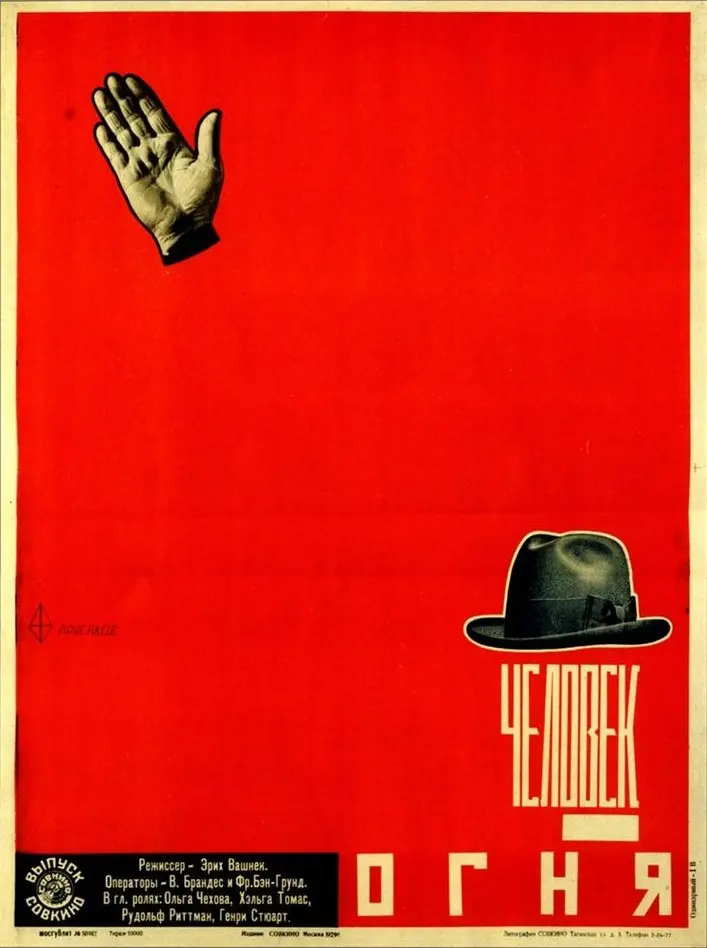
Should you invest your time in Der Mann im Feuer today? Short answer: yes, but only if you have a genuine appetite for the slow-burn textures of silent-era social realism. This isn't a film for the casual viewer looking for a quick dopamine hit; it is a film for the cinematic archeologist who finds beauty in the grit a...

Comparing the cinematic DNA and archive impact of two defining moments in cult history.
Erich Waschneck
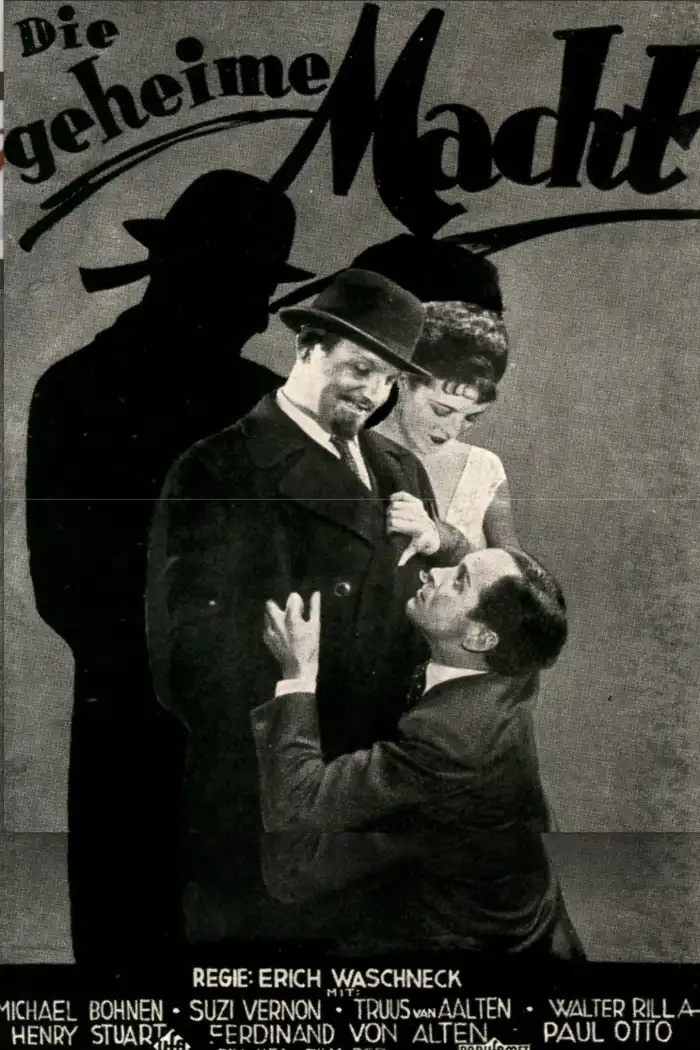
Erich Waschneck
Community
Log in to comment.
"Should you invest your time in Der Mann im Feuer today? Short answer: yes, but only if you have a genuine appetite for the slow-burn textures of silent-era social realism. This isn't a film for the casual viewer looking for a quick dopamine hit; it is a film for the cinematic archeologist who finds beauty in the grit and grime of a bygone industrial age. This film is specifically for those who appreciate the evolution of German cinema from the jagged dreams of Caligari toward the 'New Objectivi..."
Heinrich Brandt, Curt J. Braun, Erich Waschneck, Armin Petersen
Germany