The year 1919 stands as a pivotal monolith in the history of global cinema, particularly within the bruised but burgeoning creative atmosphere of the Weimar Republic. Die Fahrt ins Blaue (The Journey into the Blue) emerges from this historical crucible not merely as a piece of entertainment, but as a sophisticated so...

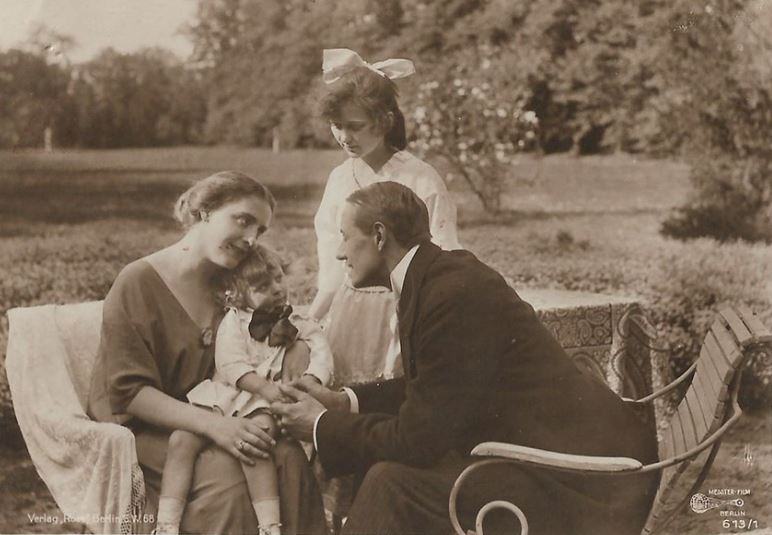
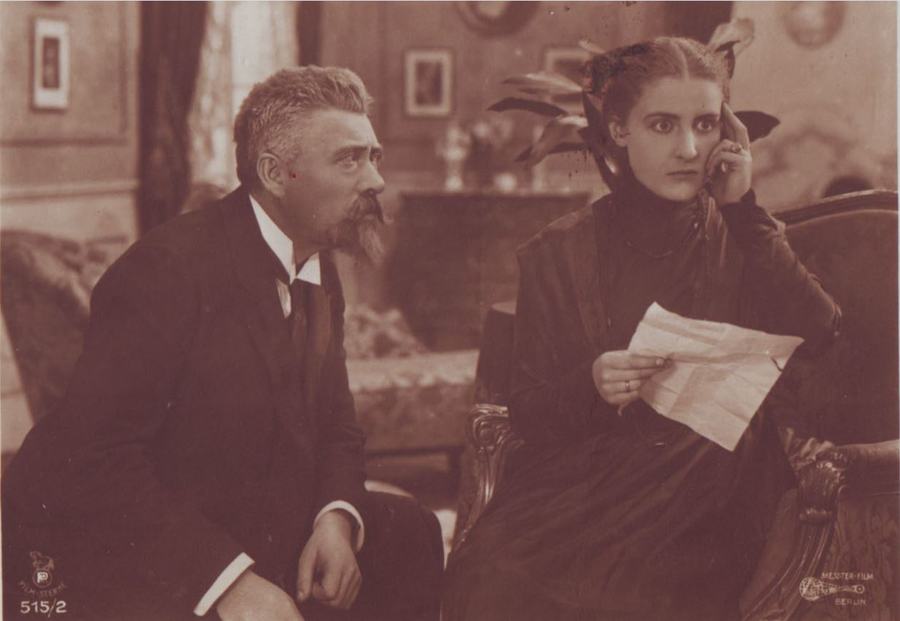
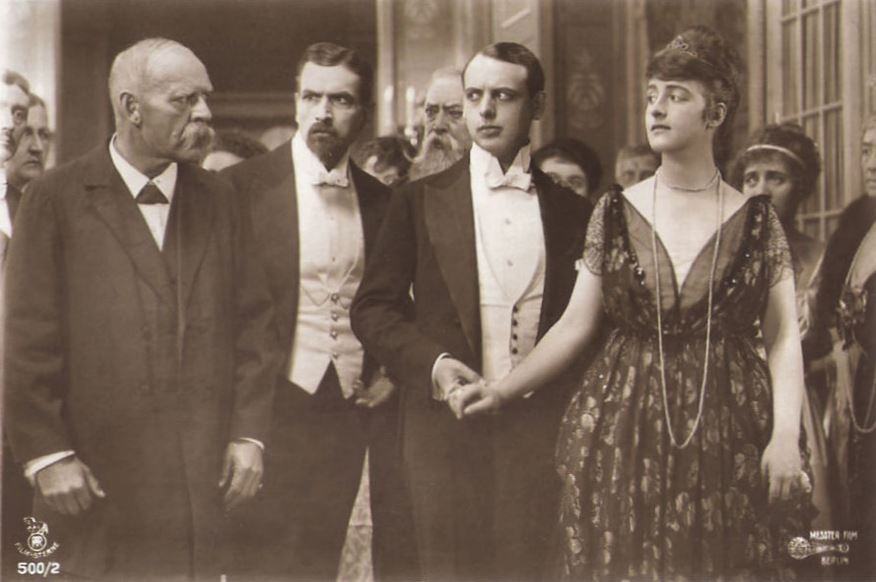
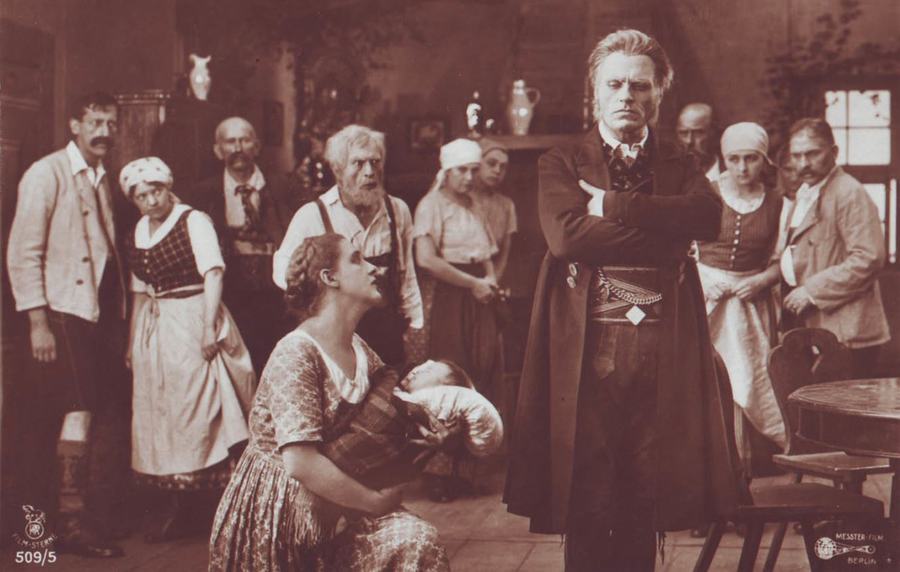
still_frame

still_frame

publicity

still_frame

still_frame

Comparing the cinematic DNA and archive impact of two defining moments in cult history.
Rudolf Biebrach
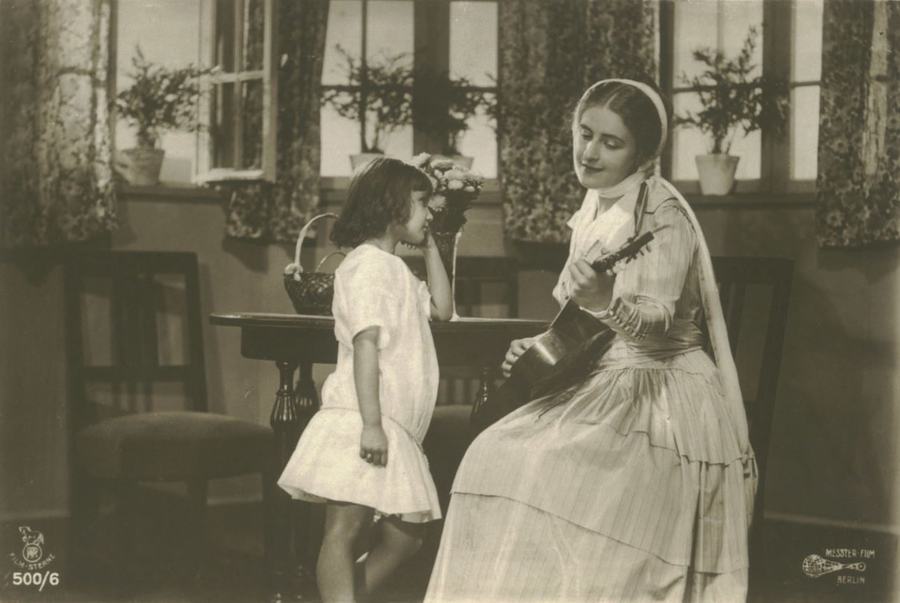
Rudolf Biebrach
Community
Log in to comment.
" The year 1919 stands as a pivotal monolith in the history of global cinema, particularly within the bruised but burgeoning creative atmosphere of the Weimar Republic. Die Fahrt ins Blaue (The Journey into the Blue) emerges from this historical crucible not merely as a piece of entertainment, but as a sophisticated socio-cultural document. It is a film that balances on the precarious precipice between the Victorian-inflected sensibilities of the past and the avant-garde radicalism that would so..."


Deep dive into the cult classic
Discover similar cinematic experiences
A Directorial Spotlight on Rudolf Biebrach