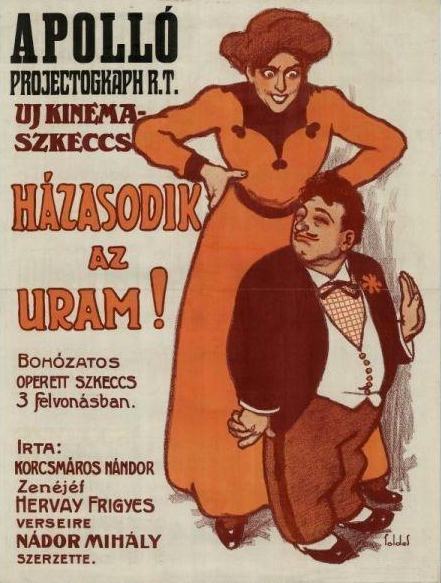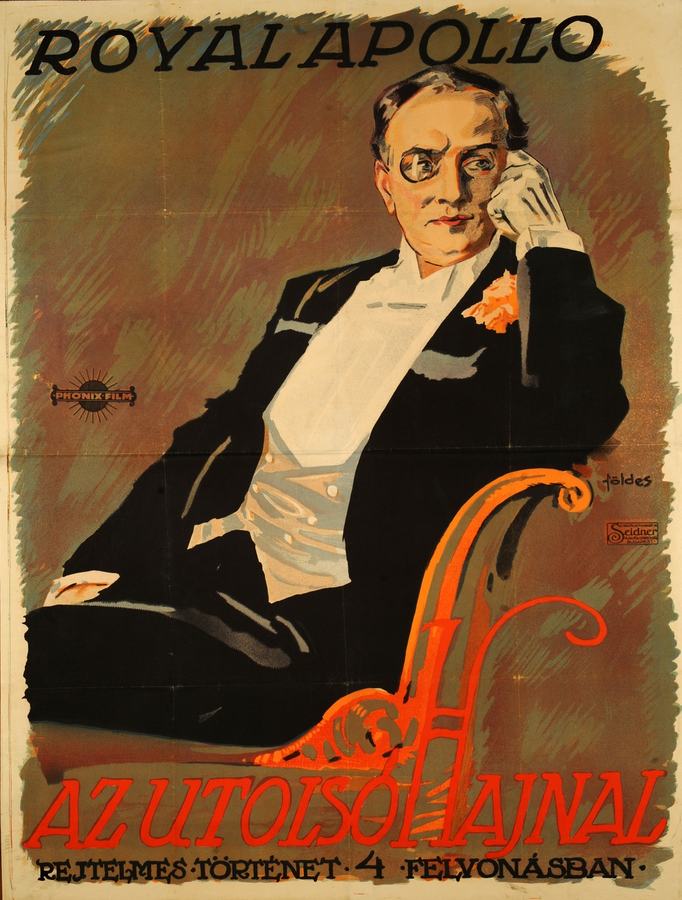
The first thing you notice is the silence that isn’t silence at all—just the ghost of clattering press-stones, trolley bells, and the wet hush of the Danube licking its chops. Egy krajcár története, shot in the famine winter of 1917, opens on a close-up so perversely intimate that you can count the pores on the coppe...
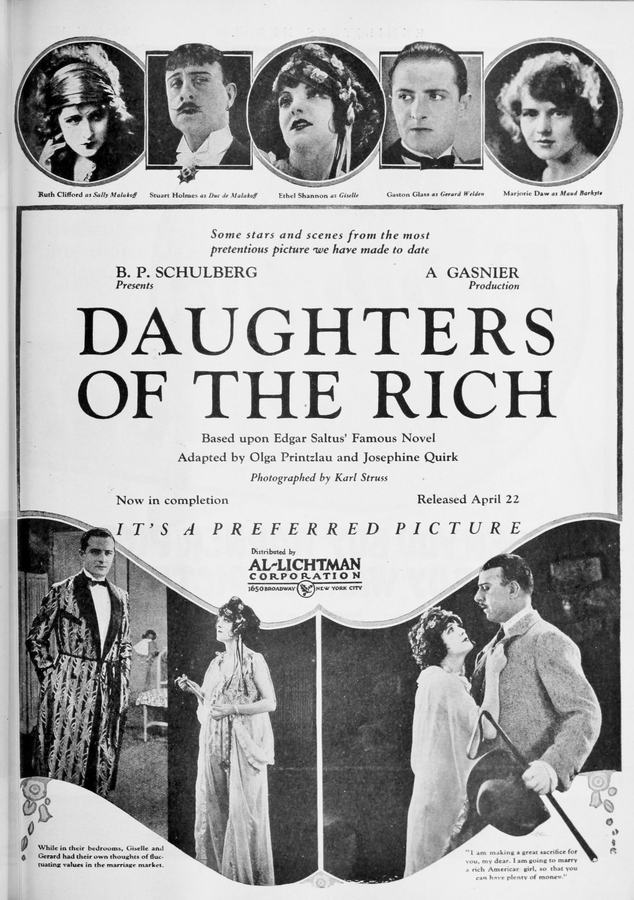
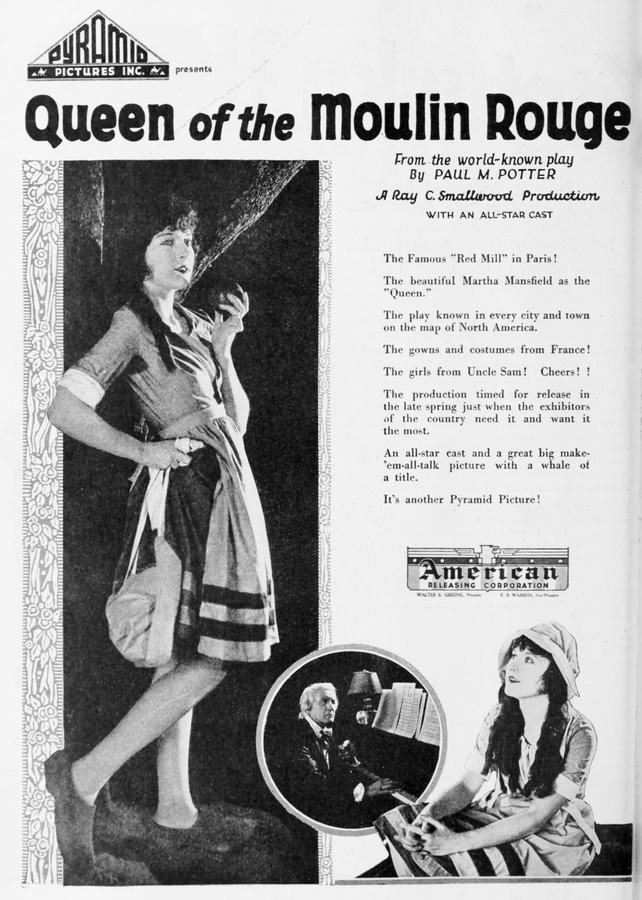
Comparing the cinematic DNA and archive impact of two defining moments in cult history.
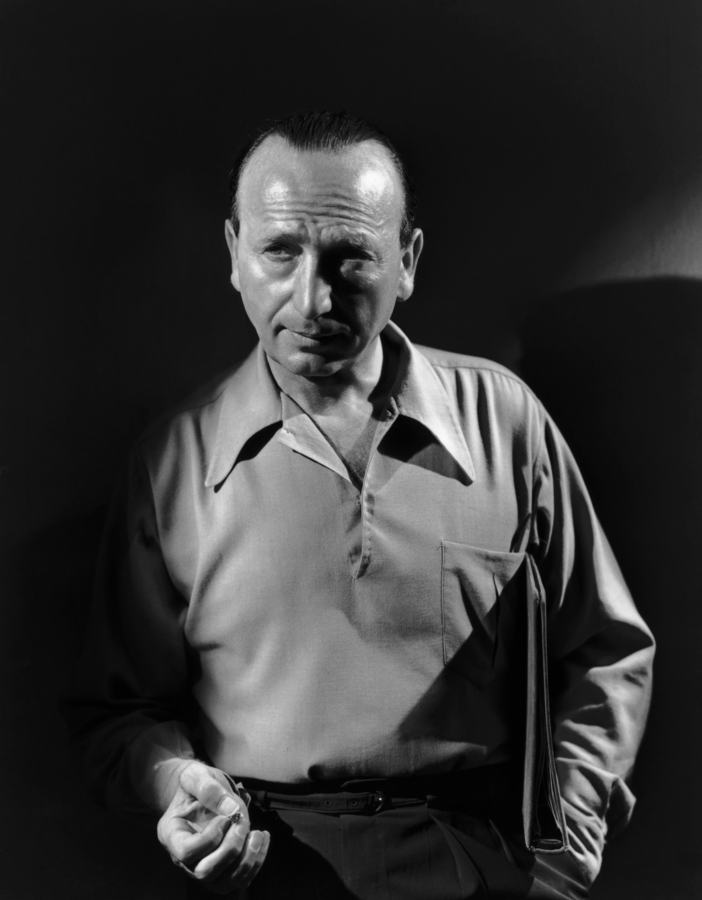
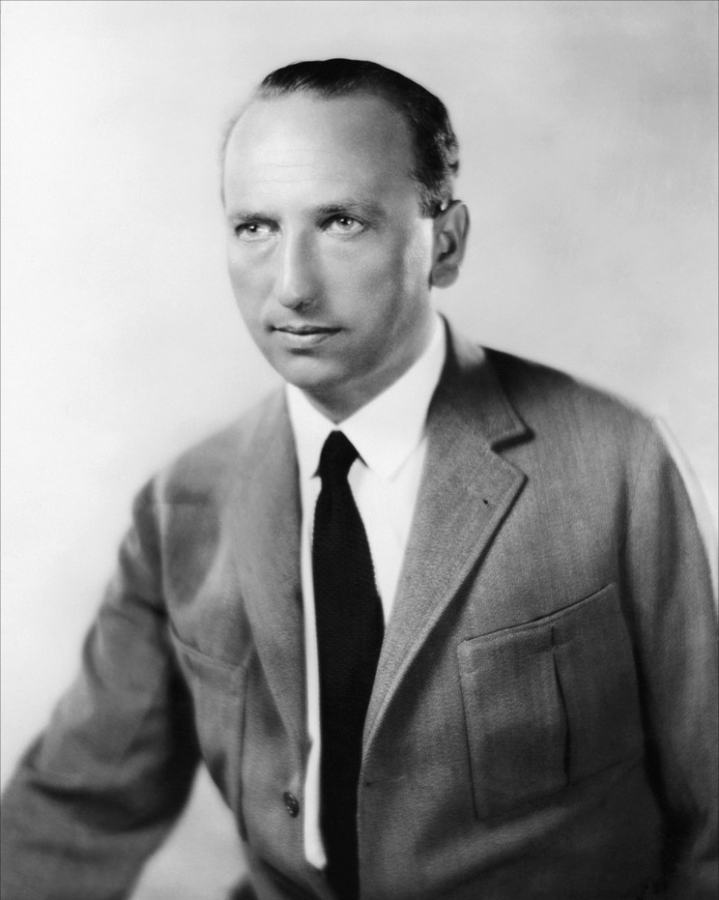
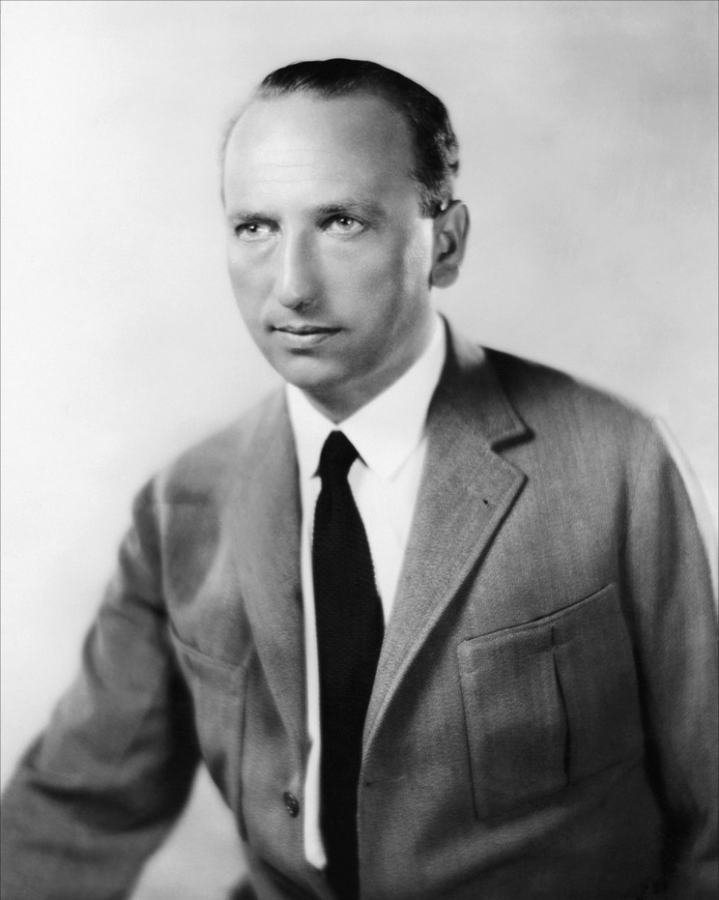
Michael Curtiz
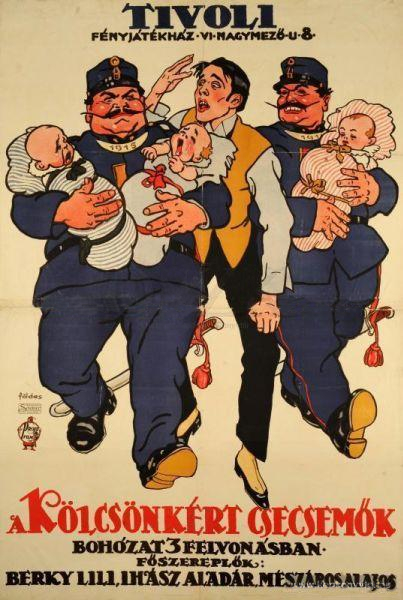
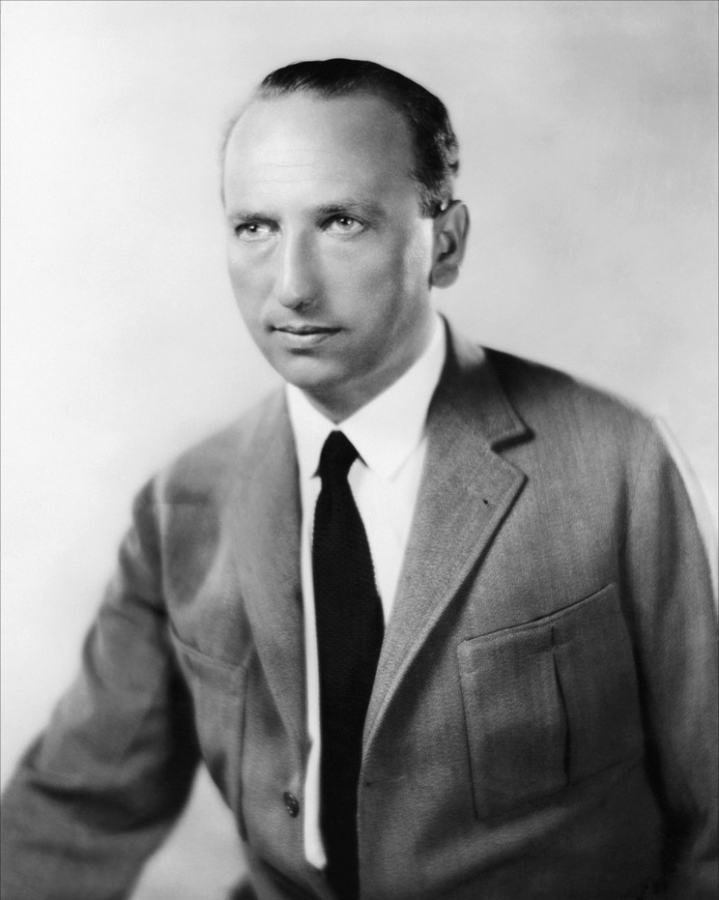
Michael Curtiz
Community
Log in to comment.
" The first thing you notice is the silence that isn’t silence at all—just the ghost of clattering press-stones, trolley bells, and the wet hush of the Danube licking its chops. Egy krajcár története, shot in the famine winter of 1917, opens on a close-up so perversely intimate that you can count the pores on the copper cheek of a single coin. Director István Bródy and writer Frigyes Karinthy gamble everything on the premise that a krajcár—worth less than half a cent—can carry the moral payload ..."
Deep dive into the cult classic
Discover similar cinematic experiences
A Directorial Spotlight on Michael Curtiz